


In the digital age where colors are overly prevalent, black and white photography has become a choice that requires more courage. RICOH The latest RICOH GR IV Monochrome camera, not simply removing color, but recreating all aspects of monochrome photography from the sensor, image processing to operating experience.
This camera continues GR The series has always had a pedigree of street photography, but in terms of details, it has completely taken a purer and more paranoid path. For photographers who are accustomed to capturing street moments casually and pursue the depth of image texture, the GR IV Monochrome may seem low-key, but in fact it is full of ambitions. People can’t help but wonder how far it can bring black and white images.
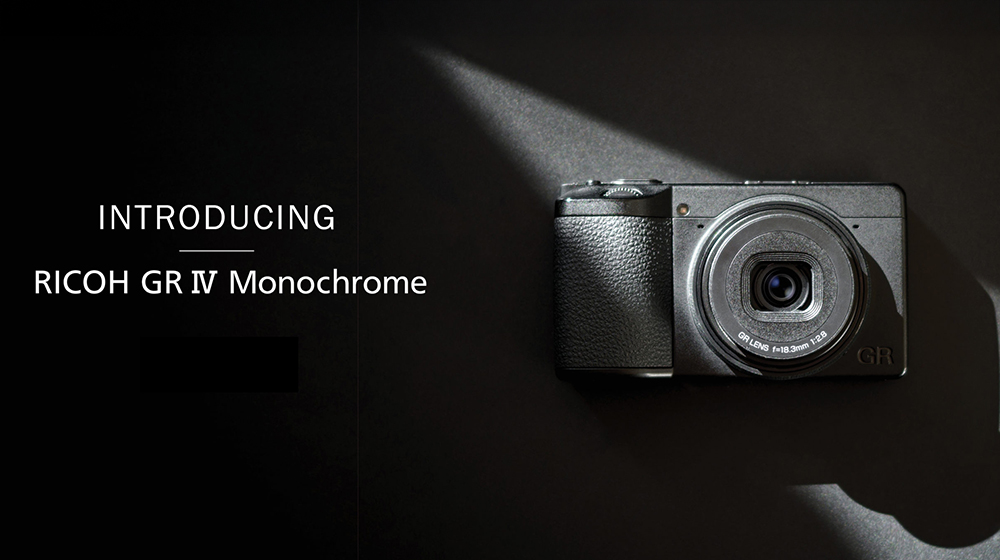
RICOH GR IV Monochrome launched, a black and white street photography pocket camera equipped with a monochrome sensor
exist GR IV Less than half a year after its launch, RICOH launched the GR IV HDF black flexo version one after another, and then officially released the GR IV Monochrome, which was already under development. This rhythm actually reflects RICOH’s precise grasp of the contours of GR series users. For them, street photography is not an equipment competition, but a rhythm of life, and black and white is the most direct and honest visual language.
The most critical change of GR IV Monochrome comes from the APS-C size monochrome CMOS sensor it carries.
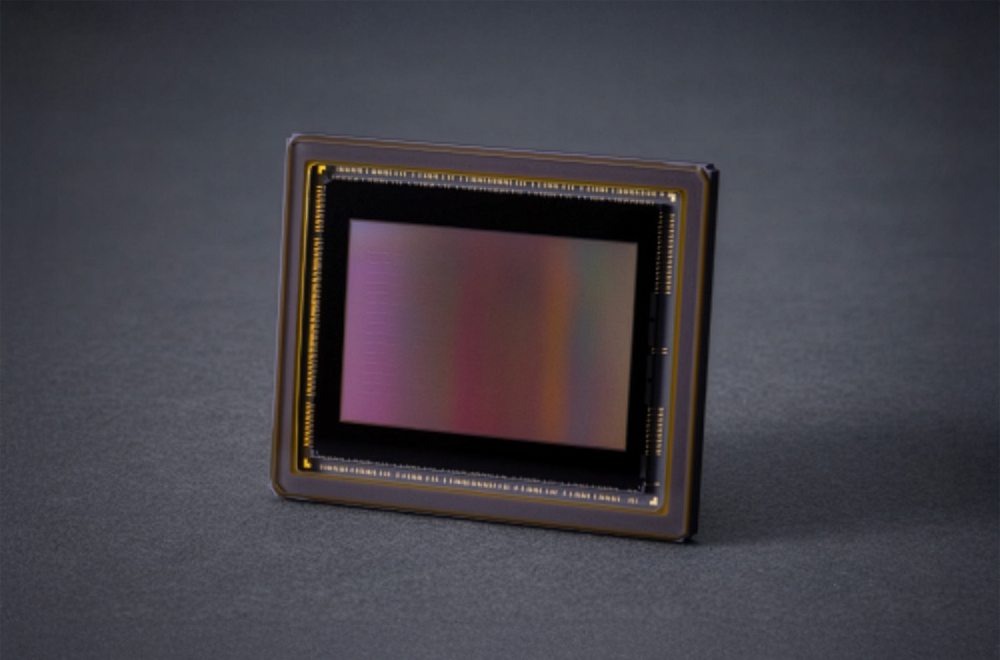
▲Picture source: RICOH
Unlike ordinary color photosensitive elements, monochromatic photosensitive elements do not need to use R, G, and B color filter arrays to reconstruct images. Each pixel can directly record brightness information. This structure prevents light from being split or interpolated, retains details more completely, and makes grayscale transitions appear particularly natural. The cancellation of the low-pass filter further improves the resolution, making line edges and texture levels cleaner and crisper.
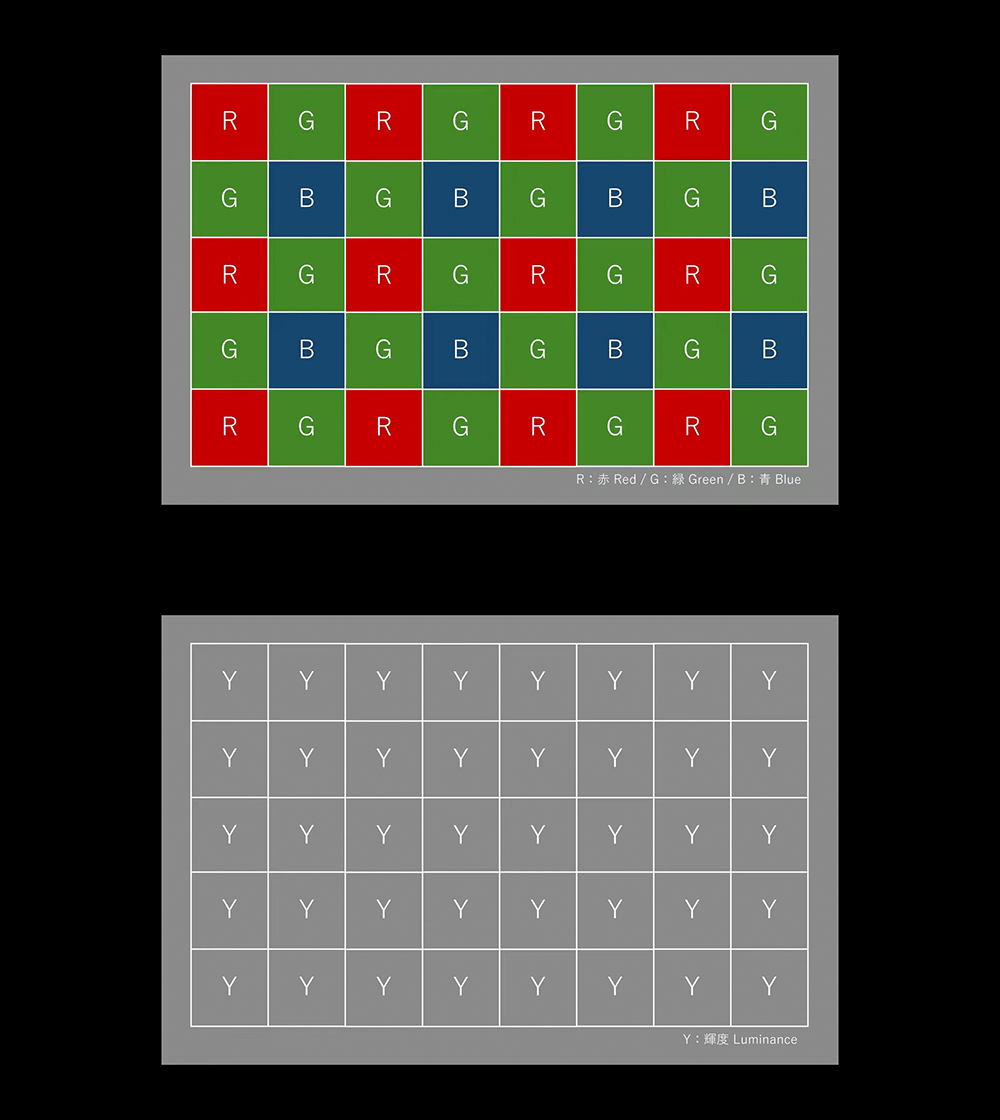
▲Image source: Ricoh (GR official / YouTube)
In terms of actual image performance, the grainy texture under high sensitivity has become the most charming aspect of GR IV Monochrome. It’s not just noise, but a kind of visual grain that’s close to that of a negative. It’s both rough and orderly, and it still retains enough layers in the dark areas to give the picture a sense of breathing.
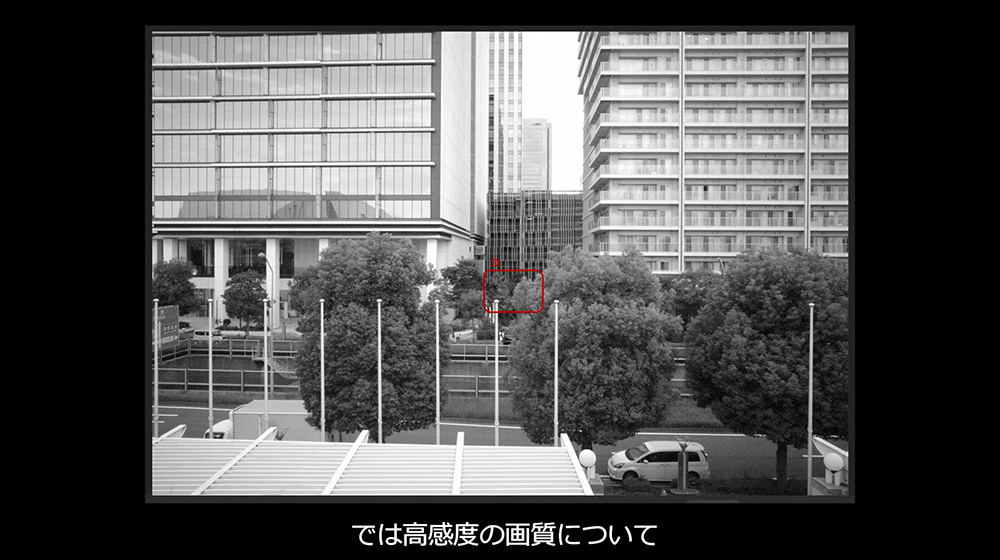
▲Image source: Ricoh (GR official / YouTube)
▲Image source: Ricoh (GR official / YouTube)
In order to allow users to more directly control the tone style, RICOH has a built-in red filter that can be switched with one click. This design is familiar to those familiar with black and white film.
The red filter can effectively reduce the brightness of the blue sky, make the clouds more three-dimensional, and enhance the presence of red objects. Unlike in the past when you needed to install additional filters, now you can quickly switch on the street with just one setting, so that your creative rhythm is not interrupted.
▲Image source: Ricoh (GR official / YouTube)
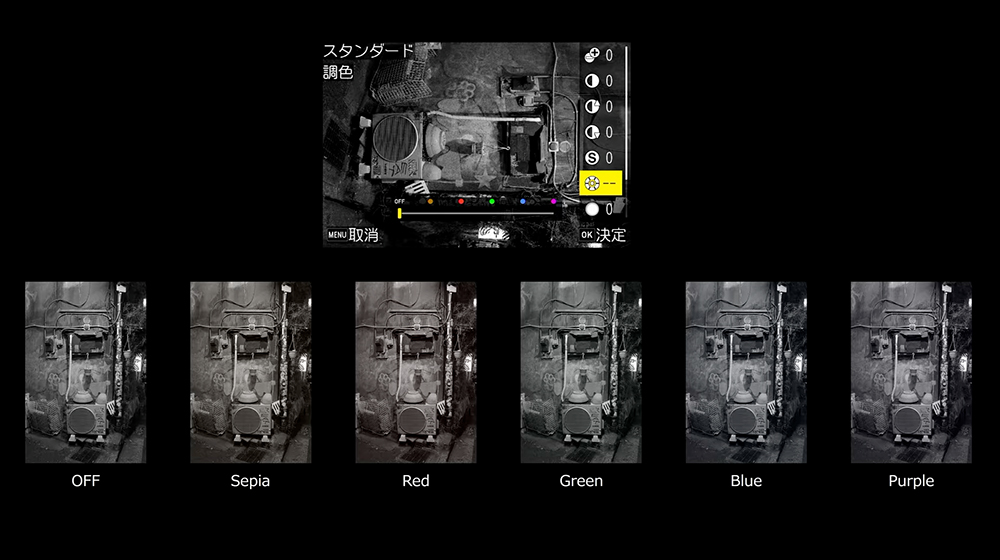
In terms of image style, GR IV Monochrome does not only have a single tone. RICOH has designed two distinct monochrome modes for it. Solid emphasizes sharp lines and high contrast, which is suitable for architecture, street scenes and geometric compositions; Grainy deliberately retains the visual warmth of silver salt particles, making the picture look more stable. Even when browsing on a mobile phone or tablet, you can still feel the thick image texture.
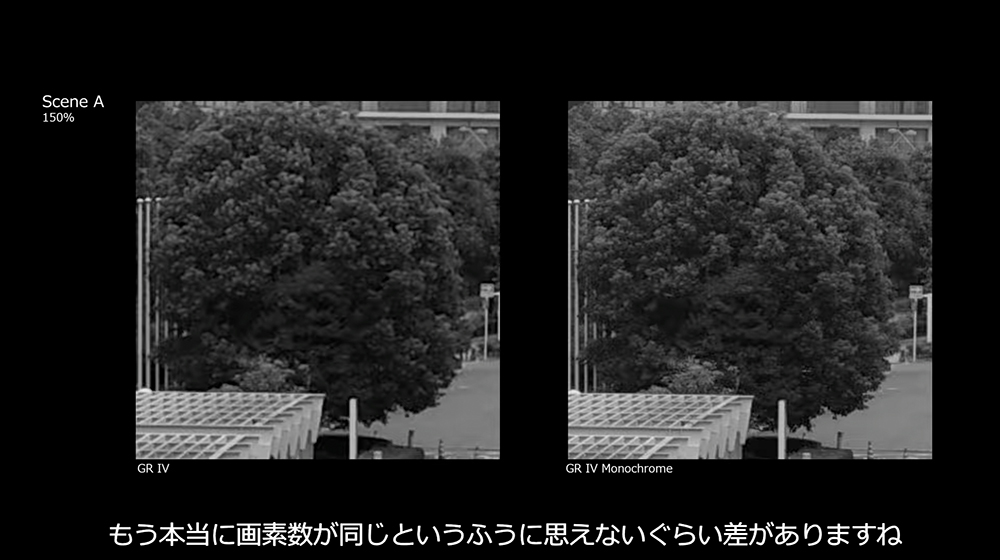
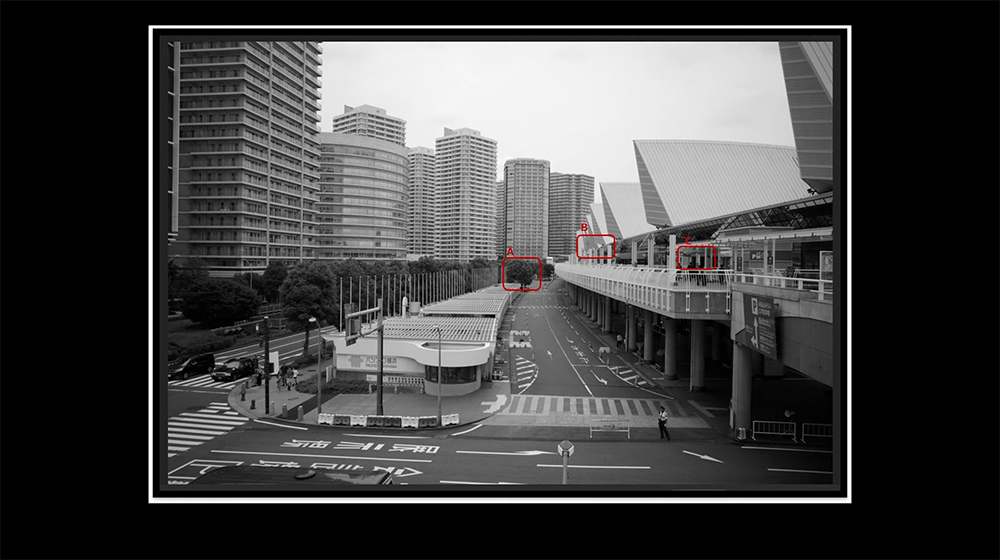
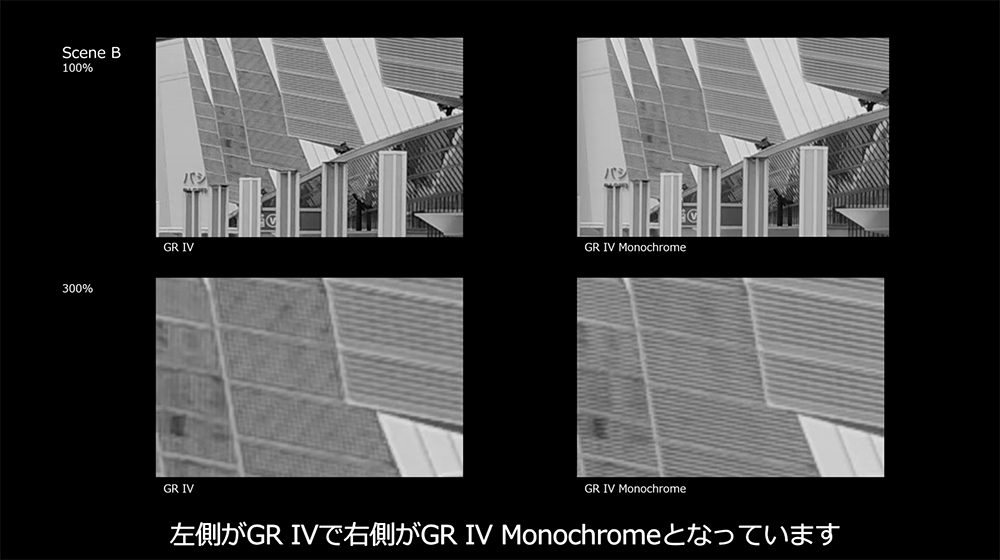
Compared with the GR IV standard version, the GR IV Monochrome presents richer and clearer details.
▲Image source: Ricoh (GR official / YouTube)
▲Image source: Ricoh (GR official / YouTube)
▲Image source: Ricoh (GR official / YouTube)
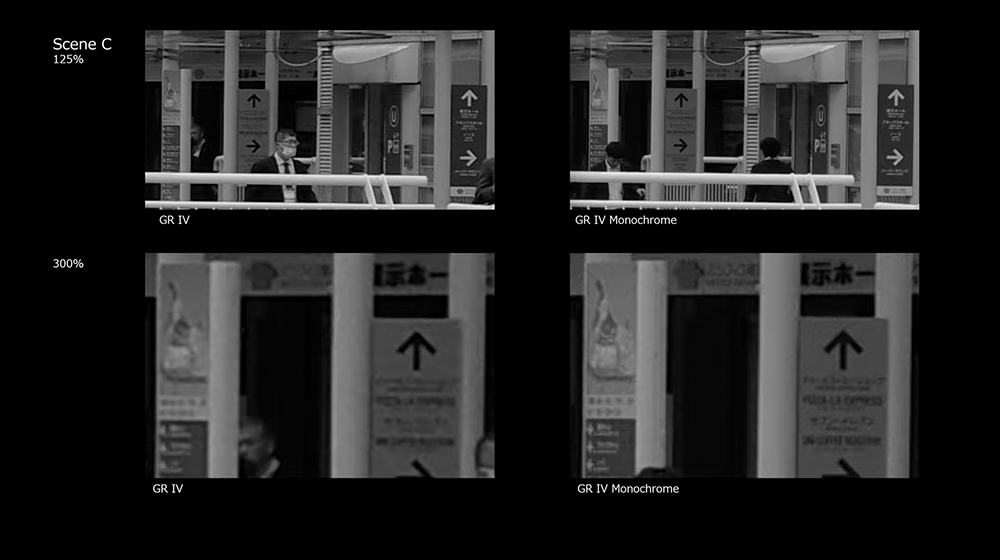
▲Image source: Ricoh (GR official / YouTube)
In terms of hardware specifications, another practical upgrade this time is an electronic shutter that can reach up to 1/16000 second. This allows photographers to still safely use a large aperture or deliberately raise the ISO to create a grainy effect in bright light environments without worrying about overexposure. This kind of freedom is very crucial for street photography, and it also makes the GR IV Monochrome closer to the core spirit of “shooting at will”.
The exterior design is also tailored for monochrome photography. The all-black magnesium alloy body is paired with a low-reflective matte coating, making it visually extremely low-key. The GR logo on the front is changed to semi-gloss black, almost invisible in the fuselage.
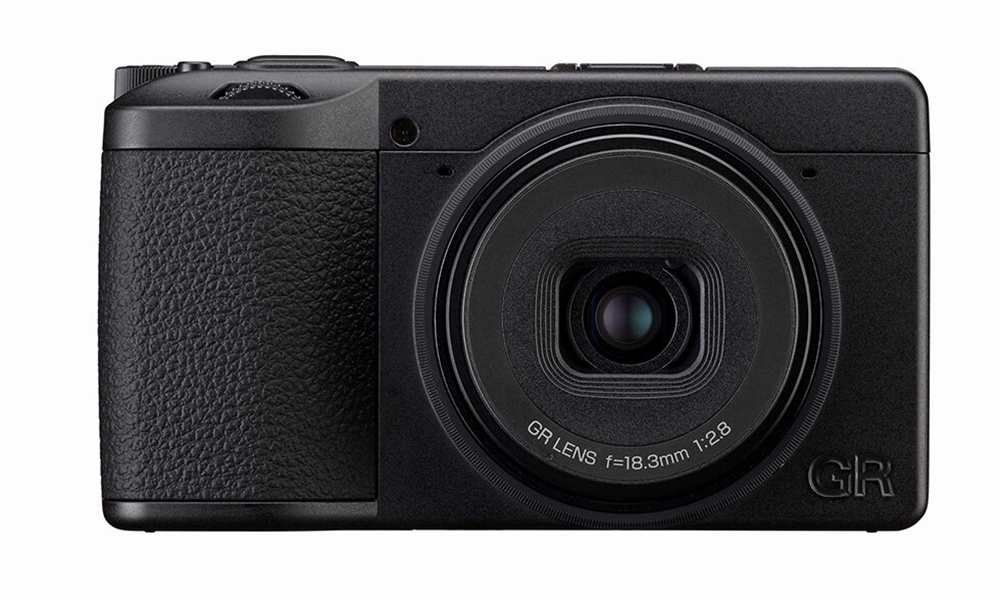
▲Picture source: RICOH
Another detail, the power indicator light has also been changed to white to completely remove unnecessary color interference.
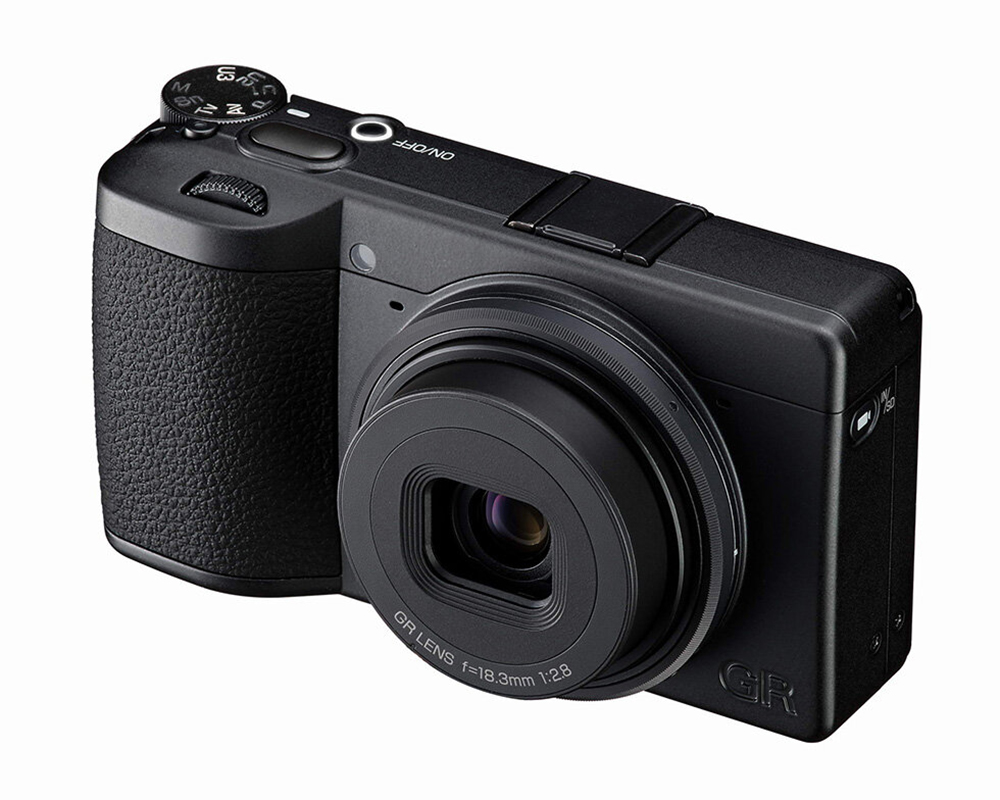
▲Picture source: RICOH
The button configuration and operation logic continue the GR series’ consistent one-hand operation design, allowing you to focus entirely on the picture itself when shooting.
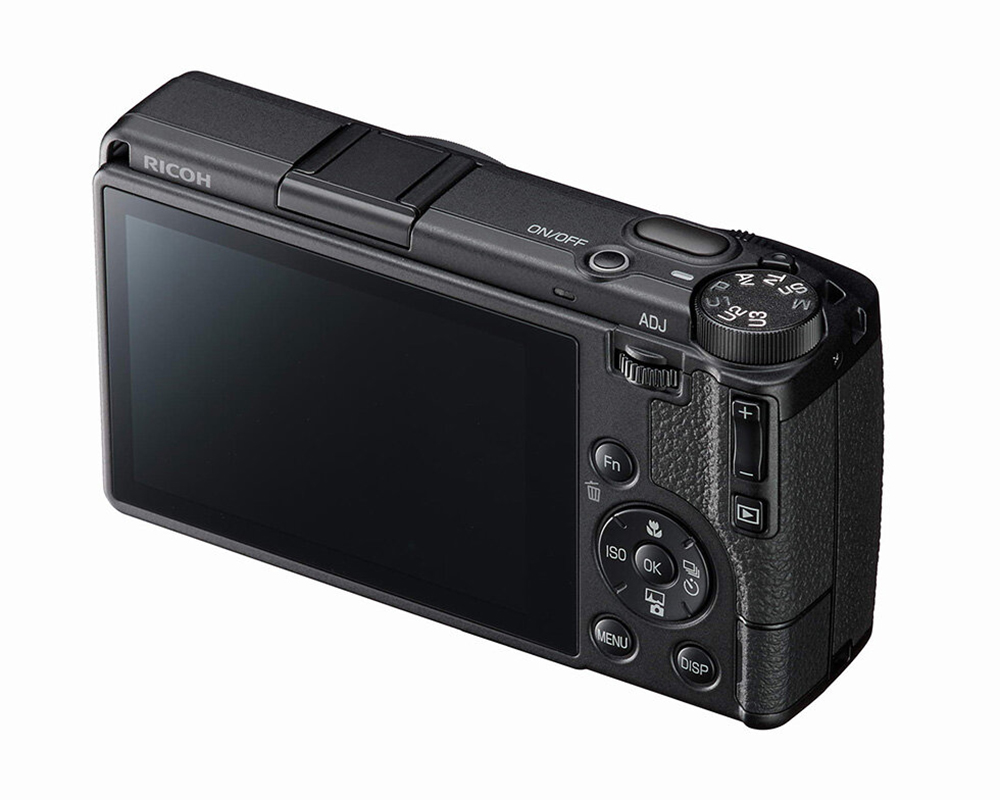
▲Picture source: RICOH
Listing information and selling price
The overseas recommended selling price of Ricoh GR IV Monochrome is US$2,199, which is equivalent to approximately NT$69,460. It is expected to go on sale in mid-February. Compared to the standard GR IV, the single-color version costs about $700 more. Such a pricing strategy is mainly reflected in the higher process cost of monochromatic photosensitive elements, and it also clearly targets the niche professional market that has a high demand for black and white images.
At present, the actual launch time and recommended selling price in Taiwan still need to wait for the subsequent announcement by the agent Fukun Co., Ltd. For local players, there is still a waiting period worthy of attention.
Conclusion
Compared with GR series models such as GR IV or GR IV HDF, the GR IV Monochrome launched this time is not a camera that pleases everyone. Its existence has a strong stance.
For those who only want to take color documentary photos, it seems too paranoid; but for photographers who are truly obsessed with black and white images and care about the relationship between tones, grains and light and shadow, this paranoia is exactly the charm.
The higher pricing reflects the process cost and niche positioning of the monochromatic photosensitive element, and also clearly delineates its target group. This is not a camera with the “most powerful specifications”, but a tool that reminds you to slow down and rethink the nature of the picture. If you believe that black and white is more than just missing color, then the GR IV Monochrome is likely to become the camera you take out most often.
Further reading:
Source: KOCPC Chinese