


If you have ever used Zenfone , or by ROG Phone have been attracted by the performance and design ofASUSThe news may make you feel a little complicated. Discussions about “whether ASUS mobile phones have reached the end of the road” began to appear in the market, and ASUS Chairman Shi Chongtang responded to the market and stated that there will be no new launches at this stage.cell phone。
exist AI At a time when technology is advancing rapidly and the focus of the industry is clearly shifting, Asus has chosen to reallocate resources and put its long-term layout in a more scalable direction. This is not just an adjustment of a product line, but a major shift affecting brand positioning and industry role. Mobile phones will still be taken care of, but the main stage of the future has quietly changed its position.
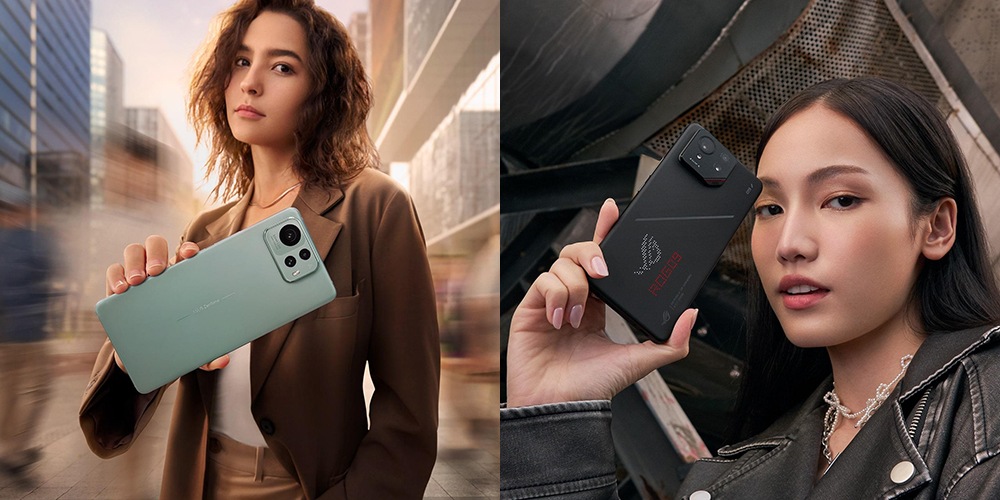
Asus Zenfone and ROG Phone have become popular, and future resources will be fully invested in the AI market
The most recent focus of the market is none other than ASUS (ASUS) will completely withdraw from the mobile phone market. In this regard, ASUS Chairman Shi Chongtang has personally given a clear explanation. Existing mobile phone users will continue to receive support, but no new mobile phone models will be added in the future, and relevant R&D and resources will gradually be diverted to other areas of greater strategic value.
Such a statement is actually equivalent to pressing the pause button for Asustek’s mobile phone business. It is not an abrupt end, but a planned end, and the limited R&D energy is concentrated in a longer-term direction. For a technology company that has long been known for its engineering and R&D capabilities, such a choice is obviously not an impulsive one.
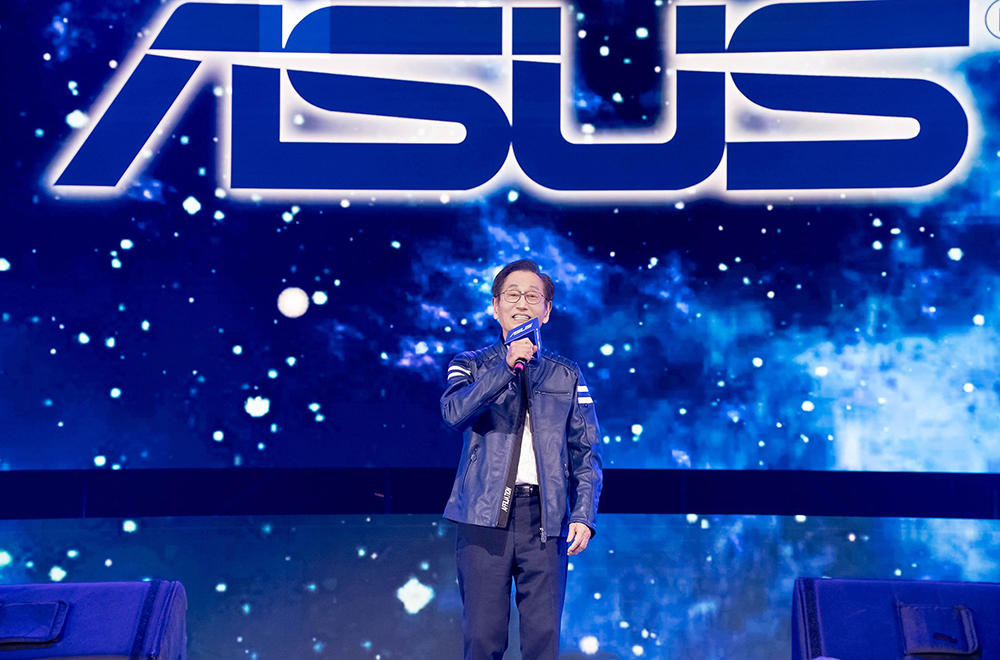
▲Image source: ASUS
Shi Chongtang mentioned many times in public conversations that this is an important moment for AI technology to lead industrial change. ASUS will fully invest in AI, not just at the software or algorithm level, but hopes to make AI the core of product design, manufacturing processes and operating models. This is also the reason why ASUS has proposed the positioning of “all-round AI company”.
Under such a strategy, AI PC is just the starting point. ASUS has further set its sights on so-called Physical AI, which is AI devices that can actually interact with the real world, including AI robots and AI smart glasses. These products require long-term investment and cross-domain integration, and their resource allocation requirements are much higher than those of the mobile phone market.
Looking back at the highlight moments of Zenfone and ROG Phone
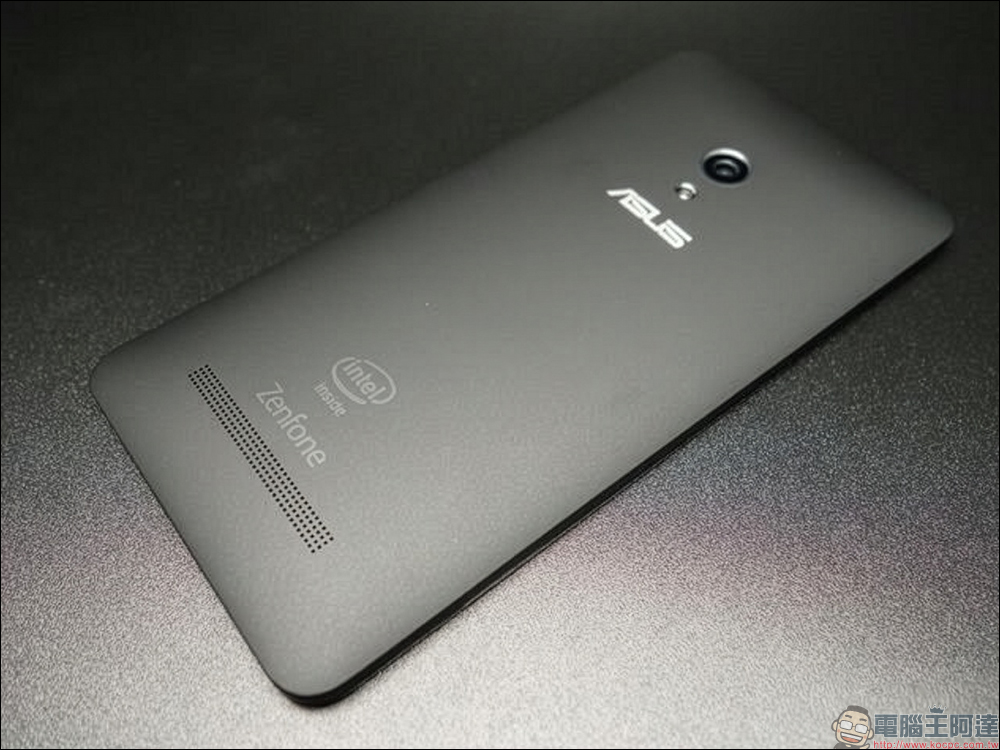
Looking back at ASUS’s mobile phone history, it’s actually not that short. When the Zenfone series debuted in 2014, the first-generation Zenfone 5 quickly opened up the market with its high cost performance and practical design, becoming a stable choice for many consumers.
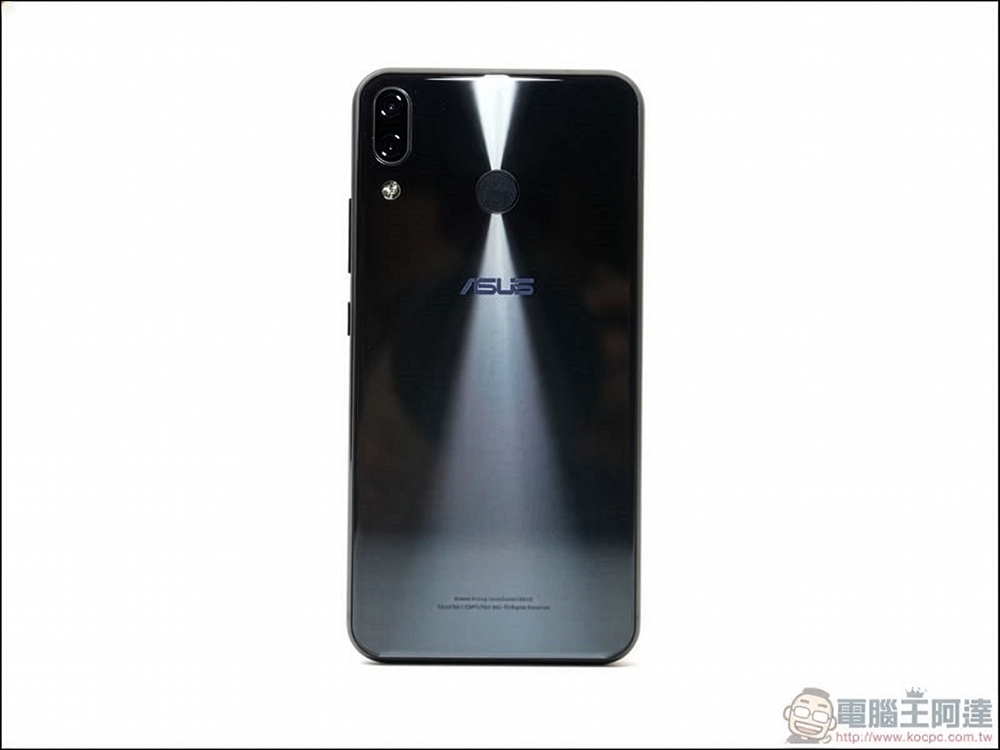
In 2018, ASUS also launched the newly upgraded second-generation Zenfone 5:
The ROG Phone launched later directly targeted serious players, establishing clear differentiation in terms of performance, heat dissipation and accessory ecology.
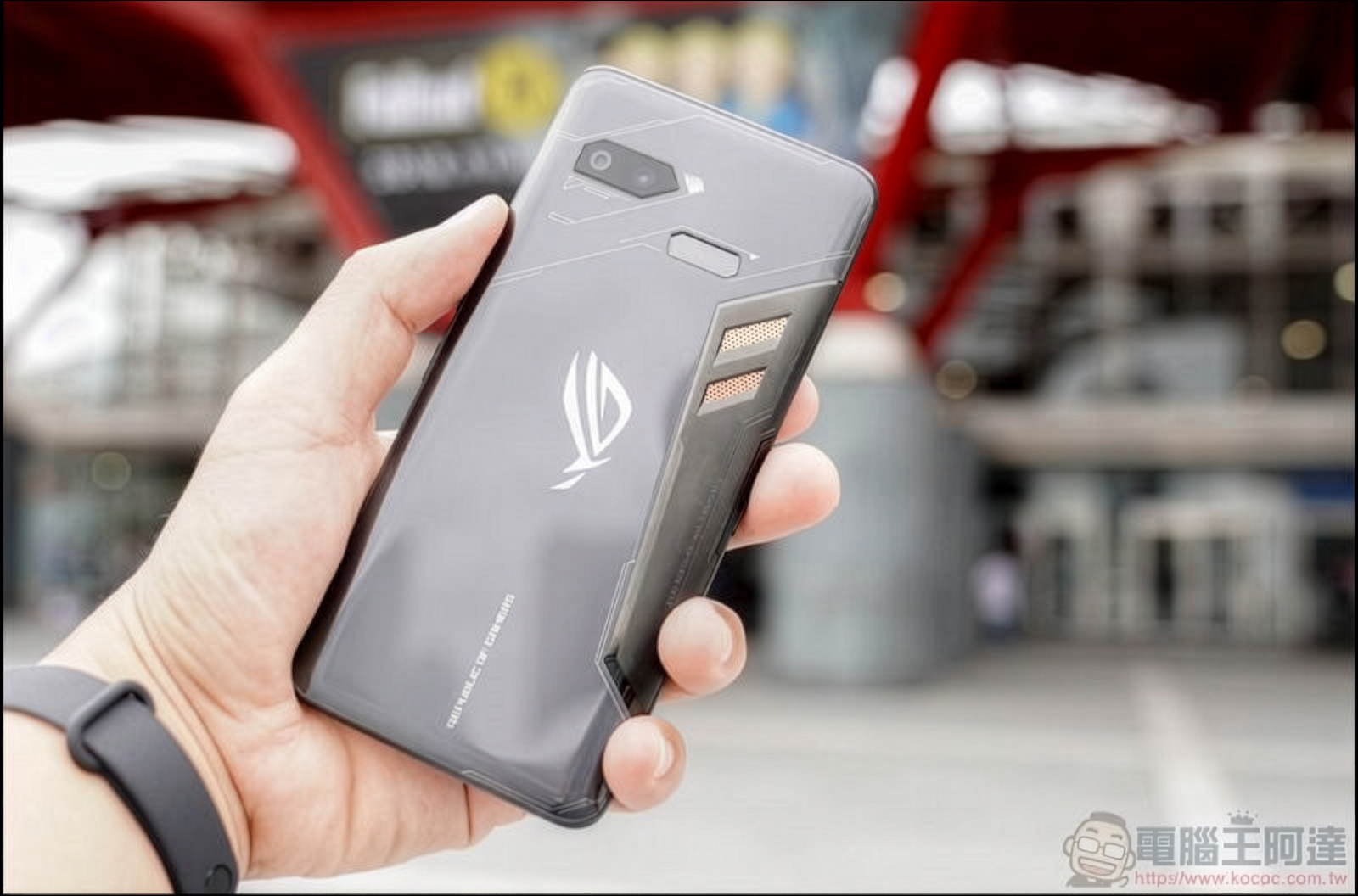
For many players, ROG Phone is not just a mobile phone, but an entire mobile gaming platform. It is precisely because of this that when the news comes out in the market that there will no longer be new phones, it triggers so much discussion and sighs. This is not just a discontinuation of product updates, but more like a phased end.
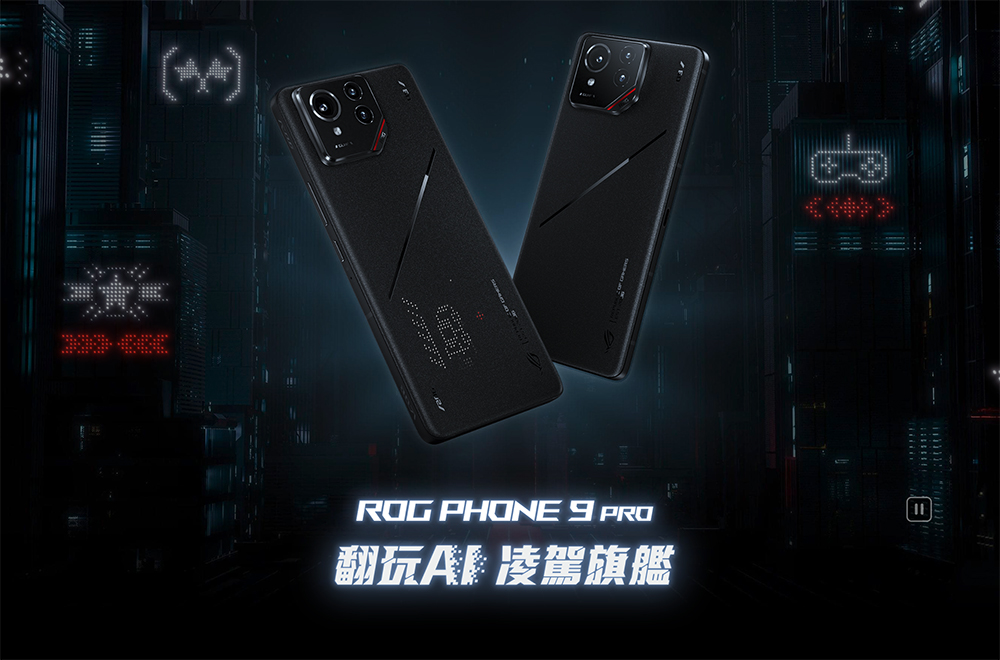
▲Image source: ASUS
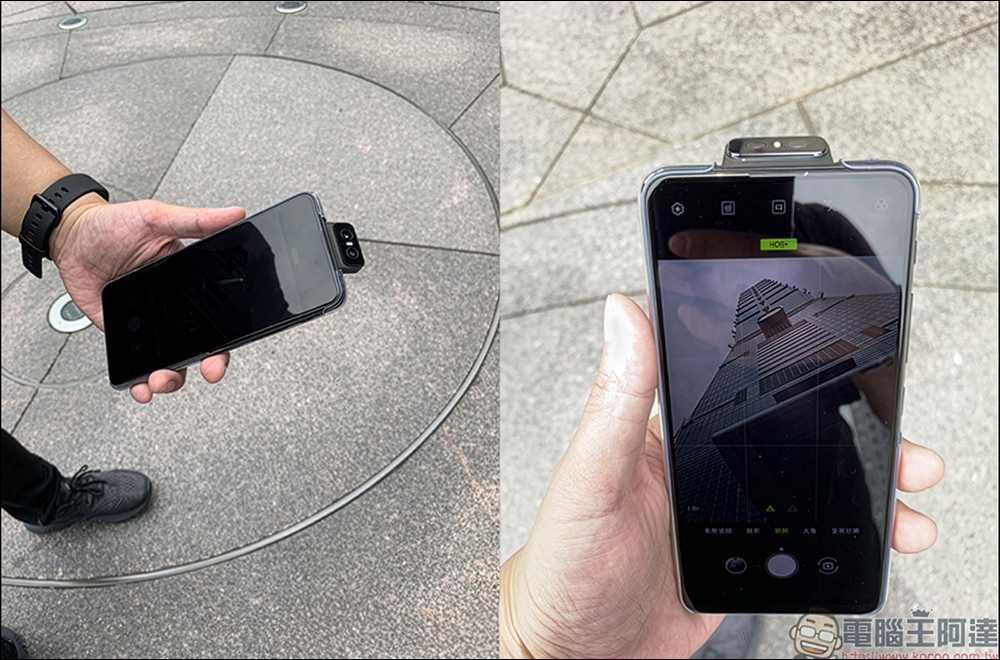
In 2019, Zenfone 6 was launched, the first equipped with a flip main camera, unlocking more creative angles for shooting.
The collective turnaround of Taiwanese mobile phone brands
Nowadays, ASUS’s choice also reminds many people of HTC’s development trajectory in recent years. Taiwanese mobile phone brands that once stood at the center of the global stage have mostly faded out of the mainstream market. Behind this is not only fierce competition, but also a shift in the focus of the entire industry.
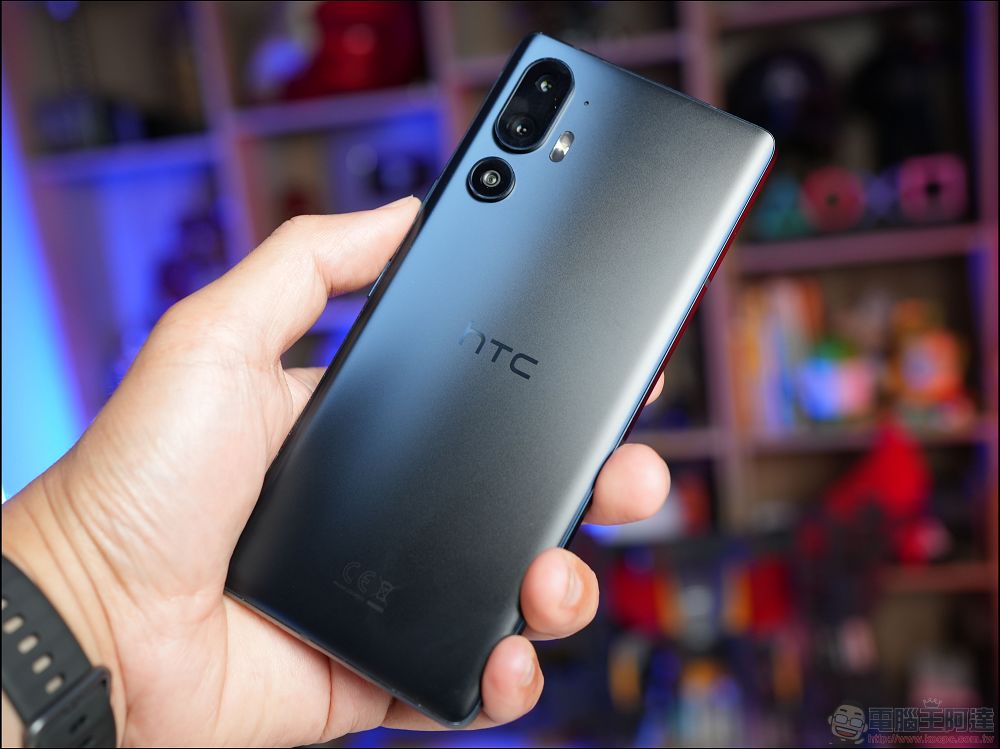
As smartphones mature and space for differentiation is limited, continuing to invest in high R&D costs may not result in corresponding market returns, which is not ideal for companies. In comparison, AI and new smart devices are still in their early stages, leaving more room for imagination and more in line with long-term layout needs.
ASUS’s last phone becomes a symbol of transition
Asus’ last publicly announced phone was the Zenfone 12 Ultra, which was unveiled in early 2025. This product focuses on AI computing and mobile photography. To a certain extent, it seems to be drawing a transitional end to the mobile phone business. After the official confirmation that there is currently no follow-up new machine plan, the market will naturally interpret that the strategic focus has clearly shifted.

▲Image source: ASUS
Whether it will one day return to the mobile phone market is still difficult to say. But at least for the foreseeable future, mobile phones are no longer Asus’ main battlefield.
See what’s next for ASUS from CES
In fact, signs of ASUS turning to AI have already emerged. At CES 2026, ASUS and XREAL launched the ROG XREAL R1, which is regarded as an important part of the layout of AI innovative devices. This type of product combines display technology, computing power and AI applications, which exactly echoes the Physical AI concept emphasized by ASUS.
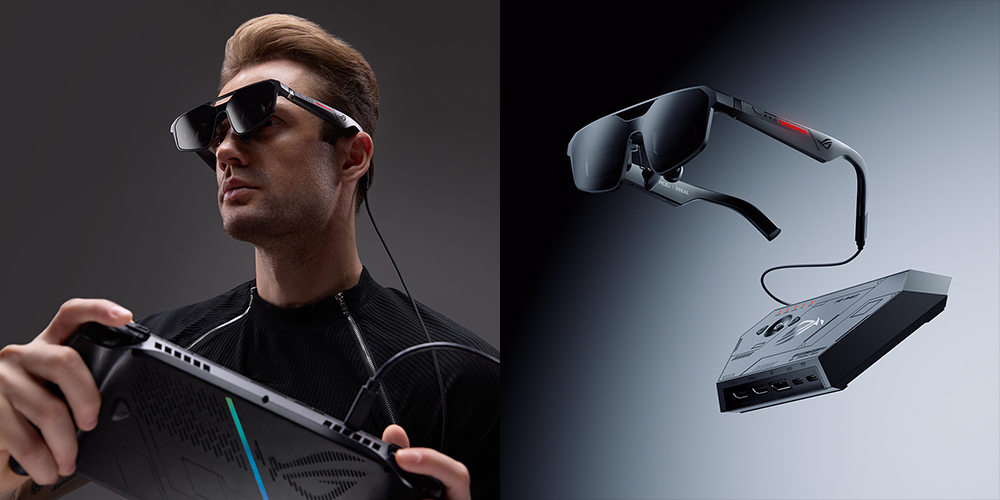
▲Image source: ASUS
Conclusion
For many consumers, the fading out of Zenfone and ROG Phone does have a bit of sadness about the end of an era. But from the perspective of corporate development, ASUS’s choice is actually quite pragmatic. When the industry wave turns to AI, instead of struggling to survive in mature markets, it is better to invest resources in new areas with greater long-term potential.
Mobile phones are no longer the only entrance, AI devices and smart systems are the next stage of competition. ASUS’s turn around this time may be less sentimental, but more ambitious for the future. Have you ever bought a Zenfone or ROG Phone?
Further reading:
Source: KOCPC Chinese