


Many people are accustomed to using mobile browsers to open YouTube , reduce the screen to the background and continue listening to music, podcasts or long videos, especially if you don’t want to subscribe YouTube Premium users rely on this method to survive their daily commute and work hours. However, recently there have been a lot of reports pointing out that this “gray area” seems to be being blocked by the authorities, and it was still functioning normally.background playThe function suddenly fails on many third-party browsers, and the audio will be interrupted directly after locking the screen or switching apps.
Foreign media also asked Google for confirmation, and the official response confirmed that YouTube has adjusted the experience to return background playback to Premium exclusives. How wide the impact of this wave of changes will be, whether it is a comprehensive measure, and whether there will be new usage restrictions, are obviously realities that users who do not want to pay will have to face next.
YouTube begins to block background playback loopholes, making it impossible to listen to music using the browser
For many heavy YouTube users, background playback has almost become a “natural” usage habit. Whether you lock the screen of your phone and continue listening to music while commuting, or let a video play in the background as a radio while working, the practicality of this function is not inferior to that of removing ads. Therefore, even if they do not subscribe to YouTube Premium, many people still continue to enjoy this convenience through their mobile browsers by adding some settings.
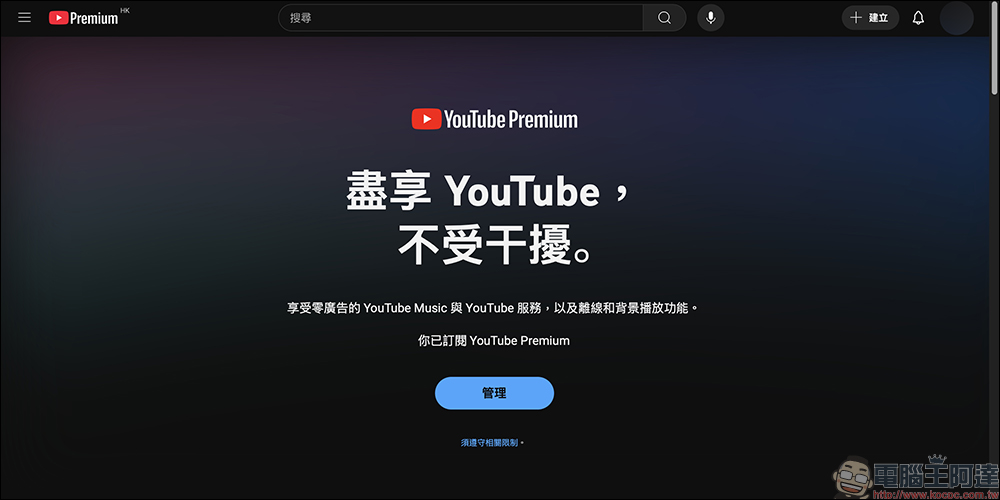
However, this long-standing usage method seems to be unavailable recently. According to foreign media Android Authority According to reports, Google has officially confirmed that YouTube has recently updated the system experience, allowing background playback to return to the YouTube Premium member-only function. The official statement pointed out that in the past, some non-YouTube Premium users were able to use background playback in certain mobile browsers, but adjustments have now been made to ensure a consistent experience across all platforms.
The actual situation also echoes the official statement. Recently, users have reported that the background playback function that originally worked normally in Samsung browser suddenly fails. As soon as the browser is reduced to the background or the phone screen is turned off, the audio will be interrupted immediately and cannot be continued. Some people even said that they briefly saw a notification called “MediaOngoingActivity”, but the media control disappeared shortly after.
Apart from Samsung Browser, the impact is not limited to a single browser. Including Brave, Vivaldi, and even Microsoft Edge, users have also reported encountering the same situation. Although in individual reports, some people said that Brave briefly restored the background playback function, but overall, the situation is quite unstable, and it is difficult to say whether the official release is deliberate, or it is just a temporary exception.
In fact, this is not the first time YouTube has targeted the use of “bypassing the paywall”. In the past, many non-YouTube Premium users have chosen to avoid Chrome and use other browsers, using ad blocking tools to reduce interference, and even indirectly enjoy the features only available in YouTube Premium. This kind of usage model has been in a gray area for a long time.
In November last year, YouTube made a big move to impose strong restrictions on ad blockers, causing a large number of users to mistakenly believe that YouTube was down and the page could not load properly. At that time, it was regarded as an important official action to force users to return to the normal payment process. Now that background playback is failing in third-party browsers one after another, many people speculate that this may be an extension of the same strategy.
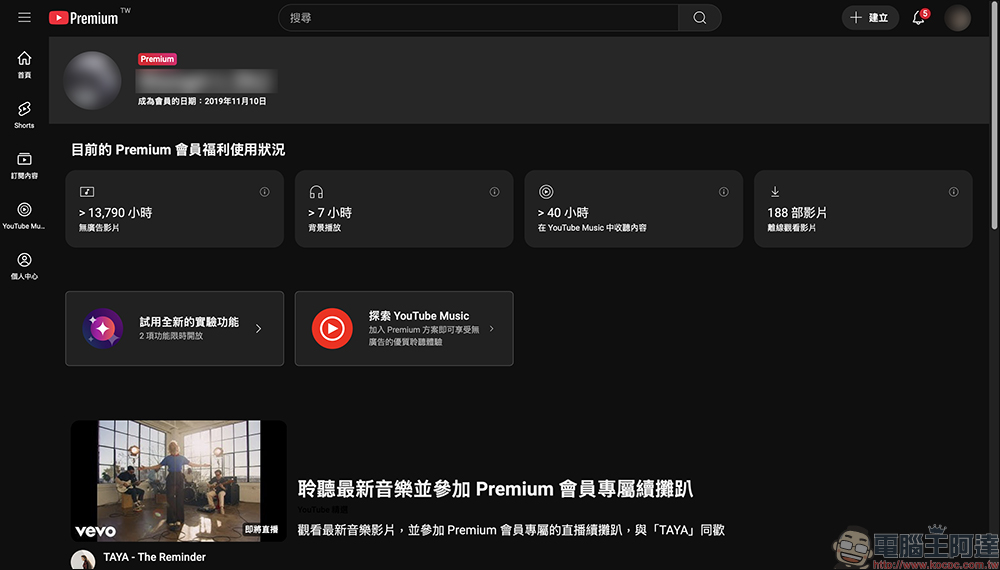
From a business perspective, one of the core values of YouTube Premium originally includes an ad-free experience and background playback functions. As more and more users bypass restrictions through various methods, the platform will naturally choose to tighten its policies and bring the functional differences back to the boundary between paid and free. Especially when subscriptions become mainstream, this kind of adjustment is not surprising.
Conclusion
For people who are accustomed to listening to YouTube through a browser, this wave of background playback failure is undoubtedly a heavy blow. The convenience of being able to continue listening without having to think too much and shrinking the screen in the past is slowly disappearing, which also means that YouTube’s attitude towards paywalls is becoming more and more clear. If you are already a Premium user, you may not be aware of this change; but for those who do not want to subscribe to additional services, the only options in the future may be to compromise or change your usage habits.
What is certain is that YouTube will only become more and more strict in controlling functions. If you continue to rely on browsers to exploit loopholes, risks and uncertainties will only continue to increase. In the next period of time, whether the background playback will be completely blocked or there will be sporadic spaces left, I am afraid we have to continue to observe what the official next step will be.
Further reading:
Source: KOCPC Chinese