


Every spring iPad It’s an important time for updates, and the upcoming new iPad Air seems to be ushering in a generational change in performance, but it’s actually a rather conservative upgrade. The appearance and screen specifications remain almost unchanged, but the core hardware has been quietly replaced with stronger chips and new generation connection technology. For some people, such an update may not be exciting enough, but it may be the key to using it for several years. If you are wondering whether to wait for the new generation iPad Air , or you are not sure whether this upgrade will have any substantial difference in daily use. This article will help you clarify the key points at once.
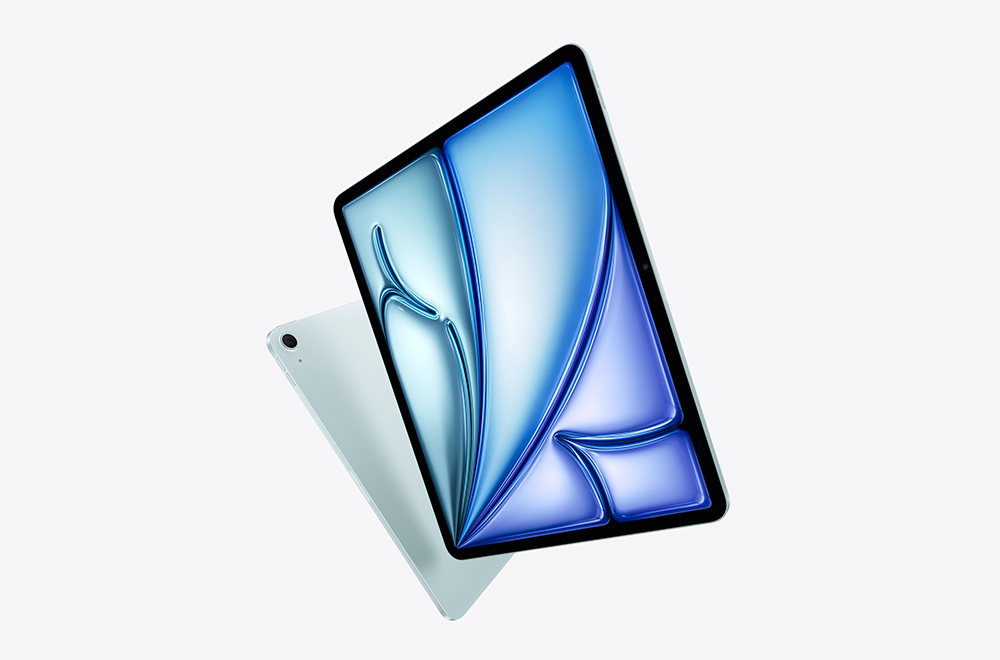
▲Picture source:Apple (Pictured is iPad Air M3)
Full analysis of 2026 iPad Air rumors: Upgraded M4 chip, but not as much change as you think
According to current leaked information, Apple is expected to launch a new generation of iPad Air in March or April 2026. The overall direction is very clear. This is an “internally upgraded” product, not a facelift for the sake of visual shock.
If you are looking forward to a new appearance and a big leap in screen, you may be a little disappointed this time; but if you care about performance, battery life and service life in the next few years, then this generation of iPad Air is actually quite interesting.
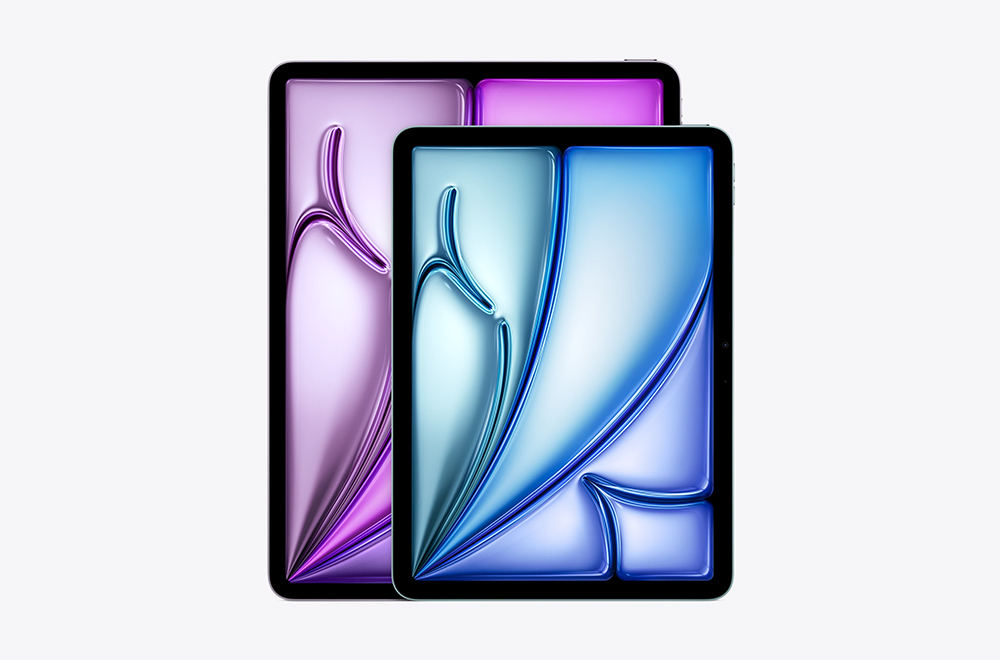
The exterior design remains the same, with 11-inch and 13-inch models continuing to run in parallel.
The new iPad Air is still available in 11-inch and 13-inch sizes, and the exterior design is not expected to undergo any major adjustments. This design language has been in use since 2020. The borders, button configuration and overall proportions are very familiar to existing users.
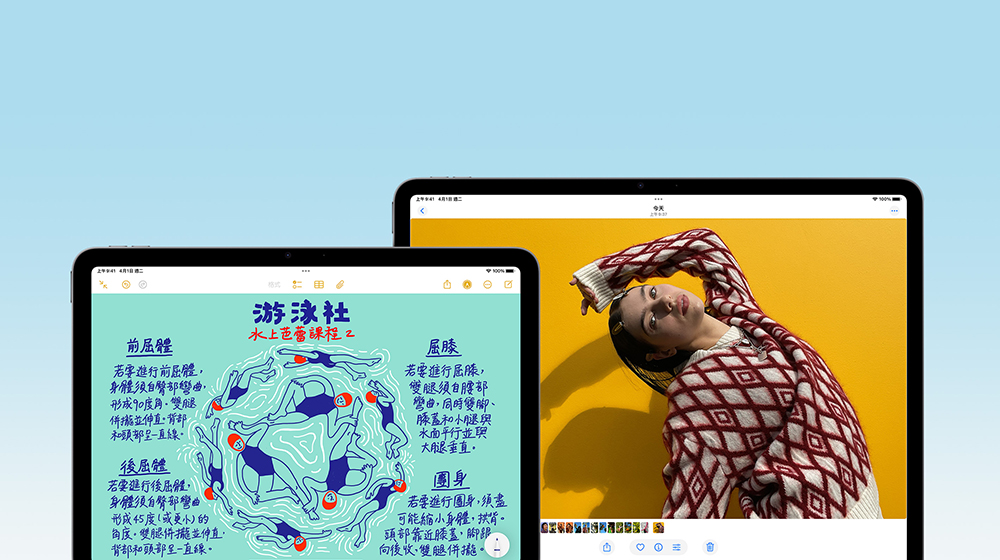
For appearance fans, this choice lacks freshness, but from the perspective of actual use, this design is quite mature, which also means that related accessories and usage habits can be seamlessly continued.
The screen is still conservative, 60Hz is still the biggest regret
The screen specifications can be said to be the most “standing still” part of the iPad Air this time. The 2026 version is expected to still use an LED display screen instead of OLED, and the contrast and black performance will naturally not be comparable to that of the iPad Pro.
What makes many users even more regretful is that the ProMotion 120Hz update rate has still not been decentralized. When mobile phones and some tablets have already entered the era of high refresh rates and 60Hz, the difference in somatosensory experience is actually quite obvious when scrolling pages, writing notes, or operating quickly. This also allows the iPad Air to still be clearly distinguished from the Pro series in terms of positioning.
M4 chip upper body, improved performance but more of “preparing for the future”
The core of the hardware upgrade is undoubtedly the M4 chip. M4 uses an improved 3nm process, the CPU is upgraded to 10 cores, and the GPU and neural network engine are also simultaneously enhanced.
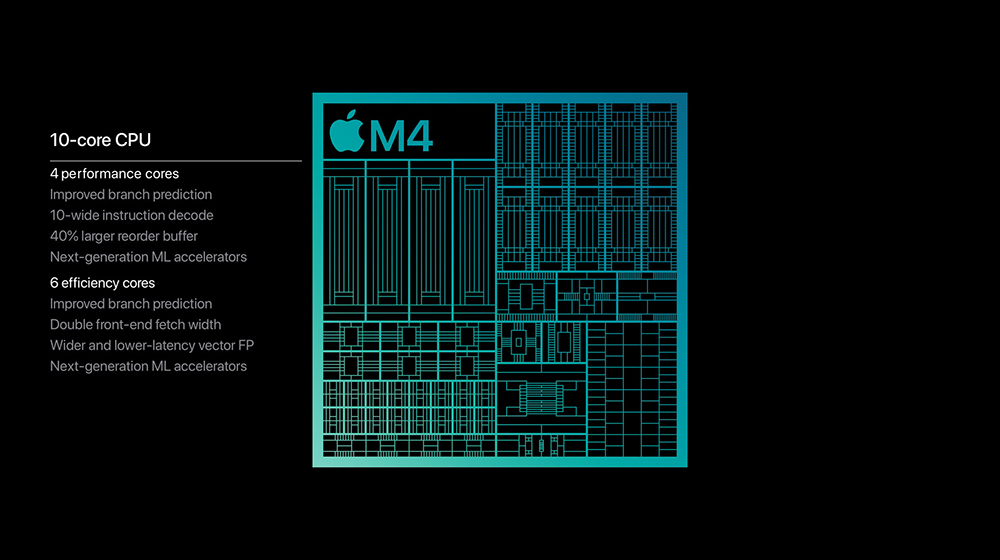
Judging from the book data, the CPU performance has increased by about 30% compared with the previous generation, and the GPU has increased by about 21%.
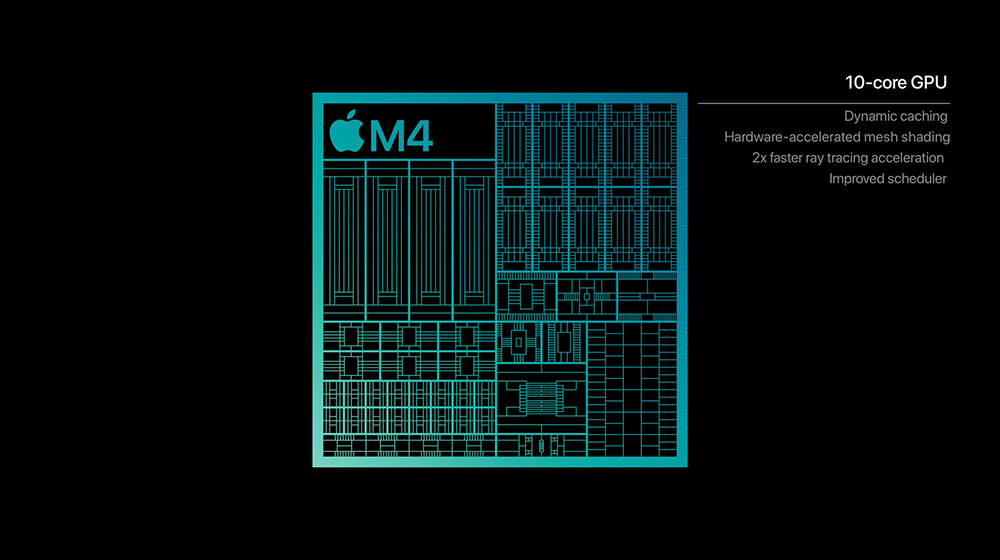
However, in actual use, it may be difficult for most people to feel the obvious difference in daily watching dramas, surfing the Internet, or processing documents. Because to be honest, the iPad Air has already exceeded its capabilities. The real meaning lies in stability and long-term. For users who engage in video editing, high-load games, or use Apple Intelligence functions for a long time, M4’s improvements in power consumption control and sustained performance can make the experience more stable and durable.
Memory and AI usage scenarios are more secure
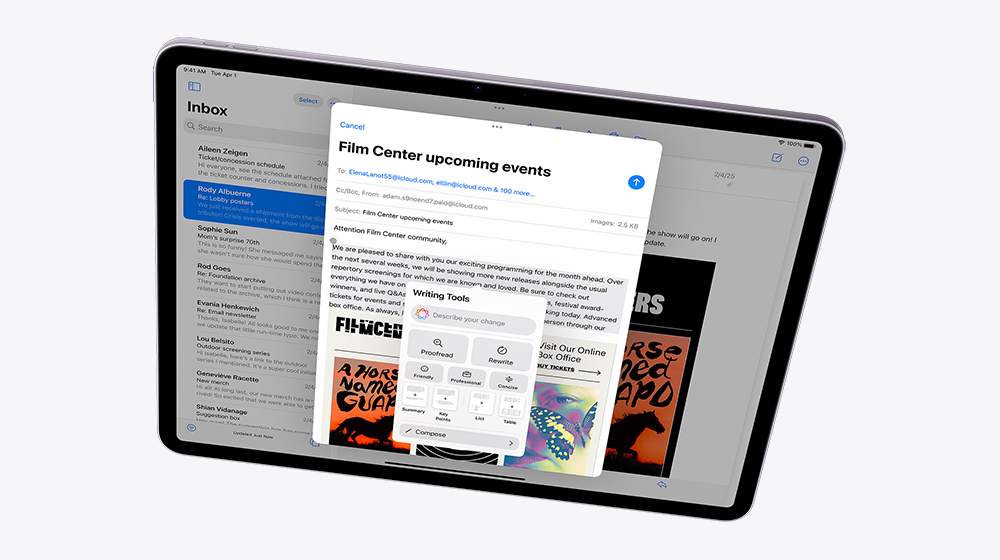
The new generation iPad Air is expected to still have 8GB RAM as the base configuration. This capacity is very critical as AI functions gradually become the core of the system. Whether it is generative tools, image processing or more advanced system intelligence functions, sufficient memory can ensure smoothness and reduce the risk of being obsolete in the next few years.
Self-developed wireless chip, battery life and connection are the hidden key points
Another easily overlooked highlight of the 2026 iPad Air is the possible introduction of Apple’s self-developed N1 wireless chip, which supports Wi-Fi 7 and Bluetooth 6. If your usage environment has been upgraded to Wi-Fi 7, you will experience faster transmission speeds and more stable connection quality. Even if it is not yet popular, such specifications pave the way for the next few years in advance.
▲Picture source:Apple
The mobile network version may be equipped with a C1X data chip. Although it only supports Sub-6GHz 5G, it will have little impact on the actual use of the tablet. On the contrary, it will help reduce power consumption and improve battery life when connected to 5G.
▲Picture source:Apple
Fast charging is expected to be added to reduce battery anxiety
There are also rumors in the market that with the introduction of fast charging technology in high-end models, this feature may be transferred to iPad Air. This is especially important for 13-inch models, as larger screens often mean higher power consumption. If the charging speed can be effectively increased, the practicality of temporary recharging will be greatly increased, and battery anxiety during long-term use can also be reduced.
Time to market and expected selling price
There is currently no clear news of a price increase. It is widely expected that the 11-inch version will start at NT$19,900, and the 13-inch version will start at NT$26,900. The overall price strategy remains relatively stable. The launch time is highly concentrated in March or April 2026, continuing the past update rhythm of iPad Air.
Conclusion
To sum up, the 2026 iPad Air is not a product designed to surprise the market, but a “durable upgrade” focused on long-term use. It doesn’t have OLED, nor does it have 120Hz, but in exchange it has a stronger performance base, better connectivity, and a longer lifespan.
If you currently have an iPad Air 4 or older, this generation is certainly worth the upgrade. The combination of M4 and Wi-Fi 7 will allow devices to remain smooth and mainstream in the next 4 to 5 years. Even users who are still stuck at 64GB can clearly feel the increased freedom of use after upgrading from 128GB. But if you have an iPad Air from the past one or two generations and are particularly concerned about the screen specifications, then maybe waiting for the next real major revision will be a more suitable choice for you.
Further reading:
Source: KOCPC Chinese