


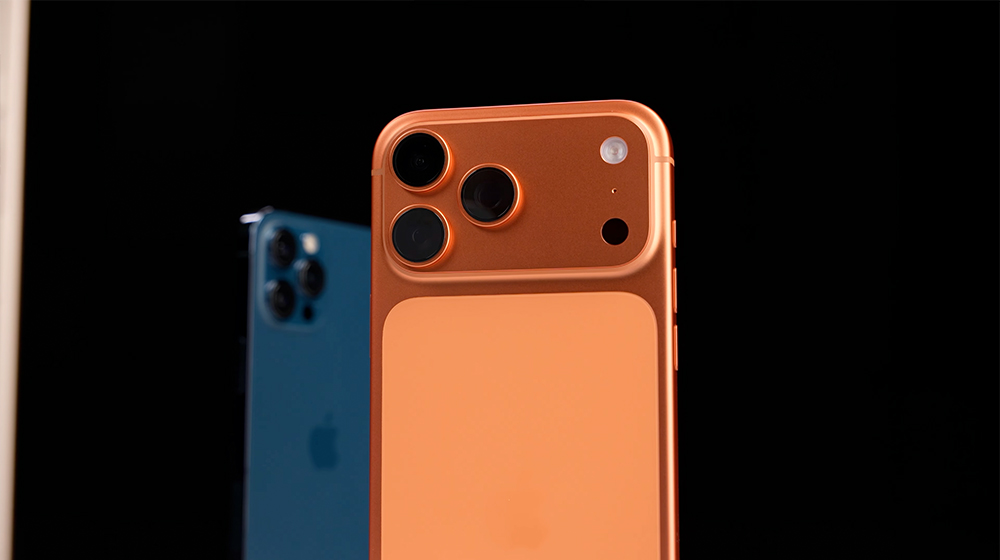
Most people are already used to using it outside 5G Or 4G mobile network, connected to WiFi at home, but which one compares between the two?Power consumption, often only stay at the “feeling” level. YouTube test channel PhoneBuff is used this time iPhone 17 Pro Max Conduct a highly controlled battery life test to simulate the most common daily usage scenarios, from calls, messages, videos, social swiping to video streaming.
During the test, not only the brightness was calibrated, background synchronization was turned off, but even the volume was excluded, just to find the answer closest to the truth. When different network environments encounter high data transmission demands, subtle differences in power changes begin to appear. These differences are probably the reason why you complain that your phone loses power too quickly every day.
▲Picture source:PhoneBuff (YouTube)
Does WiFi or 5G consume more power? iPhone 17 Pro Max actual test results are surprising
As long as content creators have done mobile phone battery life testing, they will probably encounter the same problem, which is that the audience will always ask: “Why not test 5G?” In the past, many experiments chose WiFi. The reason is very simple. The wireless network in the laboratory is more stable and it is easier to control variables. However, PhoneBuff believes that this question is actually reasonable, because modern people spend most of their time surfing the Internet relying on mobile data after leaving home.
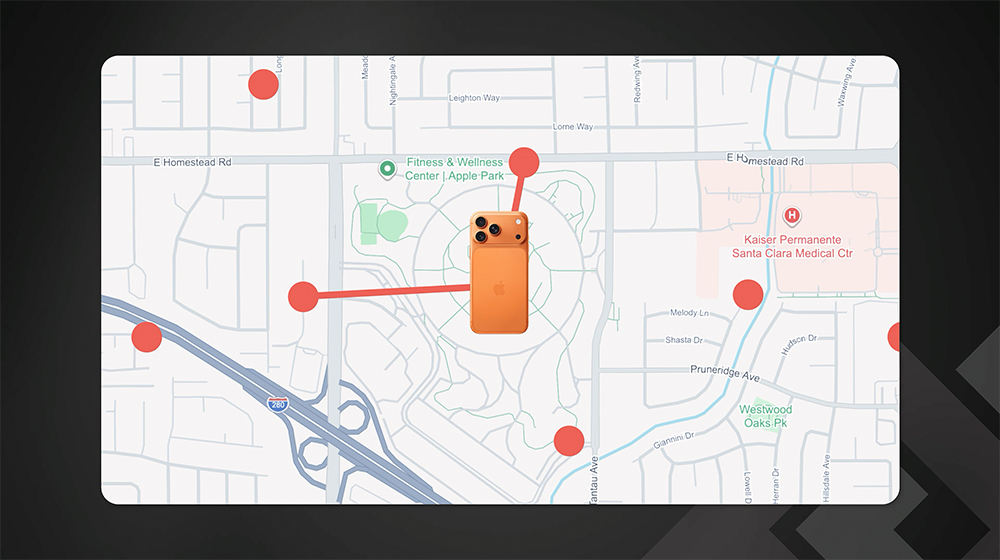
From a technical perspective, 5G does theoretically consume more power. The WiFi router is usually not far from the phone, but the base station may be several kilometers away. The phone needs to be more active in searching for signals, maintaining the connection, and even constantly switching base stations while moving. In addition, mobile networks sometimes activate multiple wireless modules at the same time, which gradually accumulates into a power burden.
The question is not whether it will consume power, but “how much difference”.
▲Picture source:PhoneBuff (YouTube)
Test conditions are more rigorous than you think
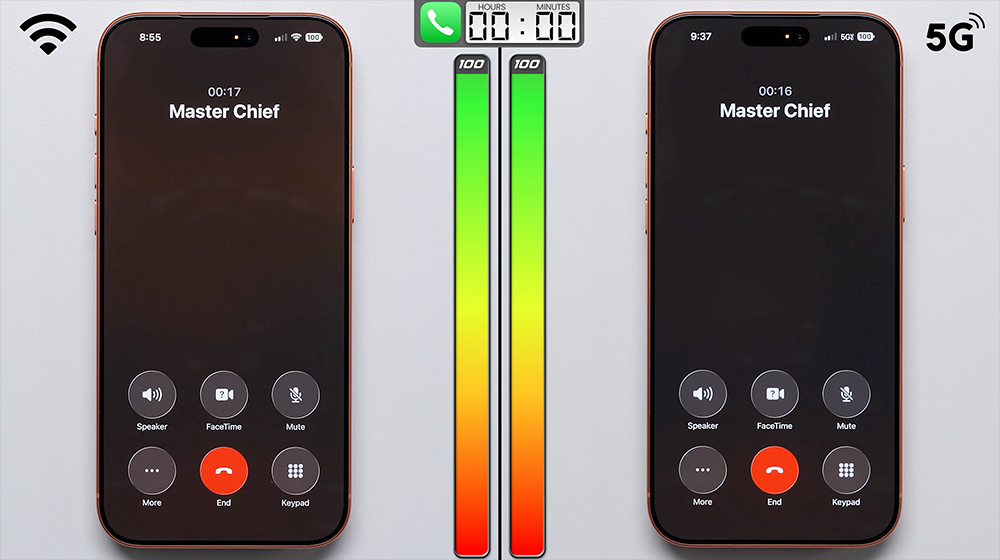
PhoneBuff directly compared two iPhone 17 Pro Max this time. One has WiFi and WiFi calls turned on all the time, and the other relies entirely on 5G. The brightness of the two mobile phones was set to 200 nits, the speakers were turned off, the system was reset, and only the test App was installed. The account was also newly created to avoid background synchronization affecting the results. The advantage of this approach is that it minimizes all factors that may interfere with battery life, making the difference almost only come from the “network”.
▲Picture source:PhoneBuff (YouTube)
There is almost no difference between calls and text messages
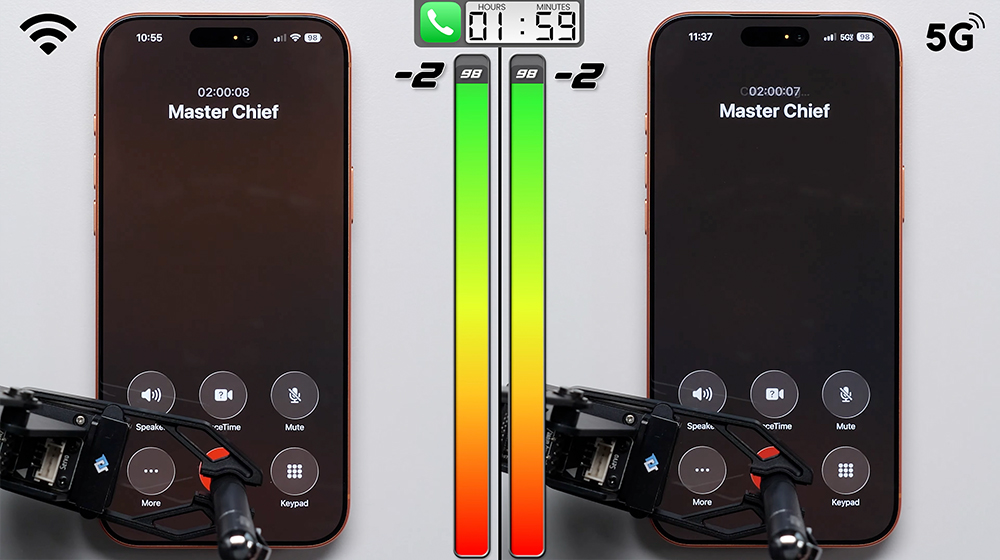
First up is 2 hours of voice calling. The result was unexpected. The battery levels of the two mobile phones were almost exactly the same, with no obvious difference.
▲Picture source:PhoneBuff (YouTube)
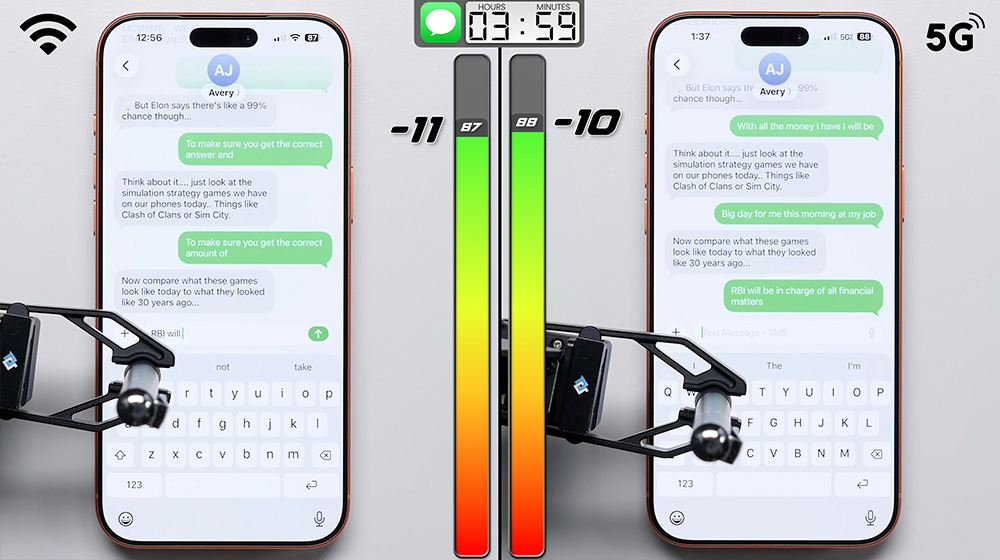
Next, we tested the SMS messaging. Since it was only pure text and the amount of data was extremely low, it was still difficult to tell the difference after 2 hours. Even the 5G one is slightly ahead by 1 percentage point, but that’s more likely just a margin of error. This also illustrates one thing. If your mobile phone is used for basic communication, you don’t have to worry too much about using 5G.
▲Picture source:PhoneBuff (YouTube)
High data transfer begins to widen the gap
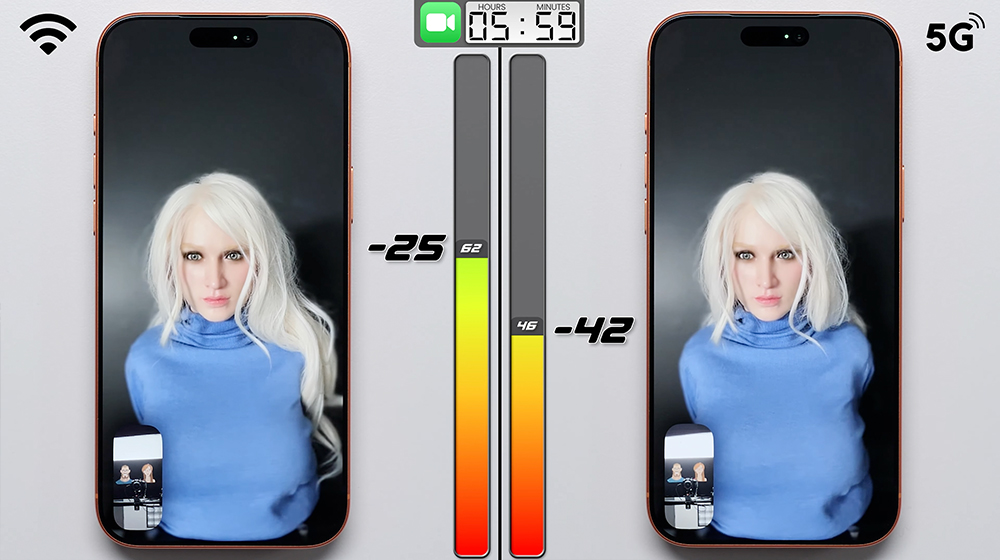
The real twist comes with FaceTime video calls. This type of application involves uploading and downloading audio and video data at the same time, which places an extremely high load on the network. After 2 hours of testing, the WiFi iPhone 17 Pro Max had 62% of power left, while the 5G version dropped directly to 46%. This is equivalent to saving 17% by using WiFi alone. This difference can be said to be very noticeable.
▲Picture source:PhoneBuff (YouTube)
The gap between daily mobile phone users is gradually widening
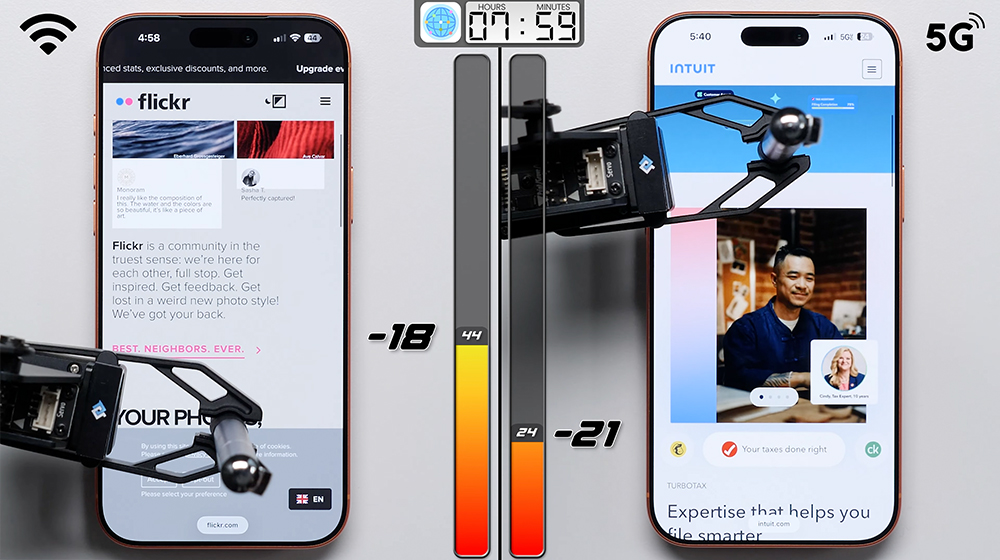
Next is web browsing. This type of scenario mainly involves downloading data, and the upload demand is low, so the gap is not as exaggerated as video, but WiFi still maintains about 4% more.
▲Picture source:PhoneBuff (YouTube)
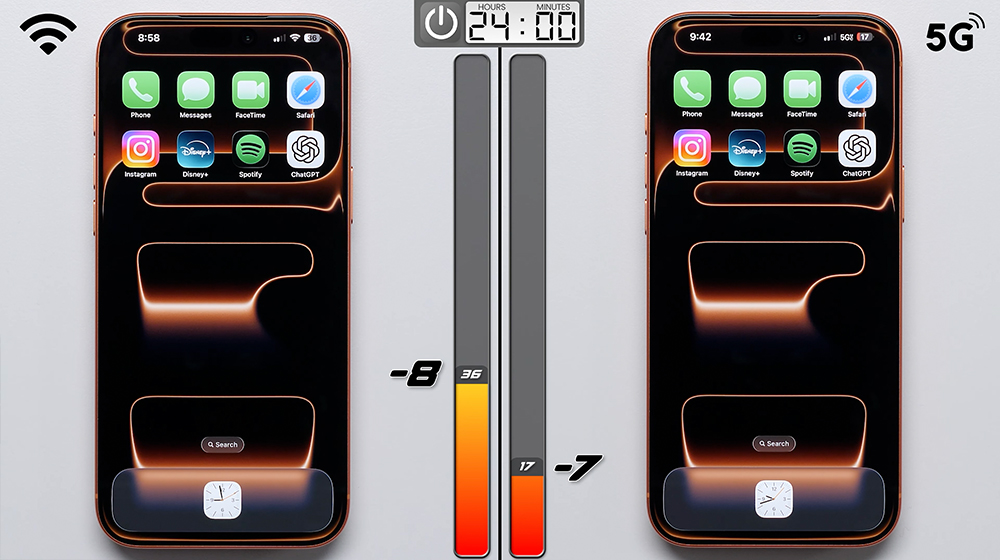
The 16-hour standby test brought it back to a close state again, and the two were almost the same. The reason is not difficult to understand. There is little background activity and natural power consumption is limited.
▲Picture source:PhoneBuff (YouTube)
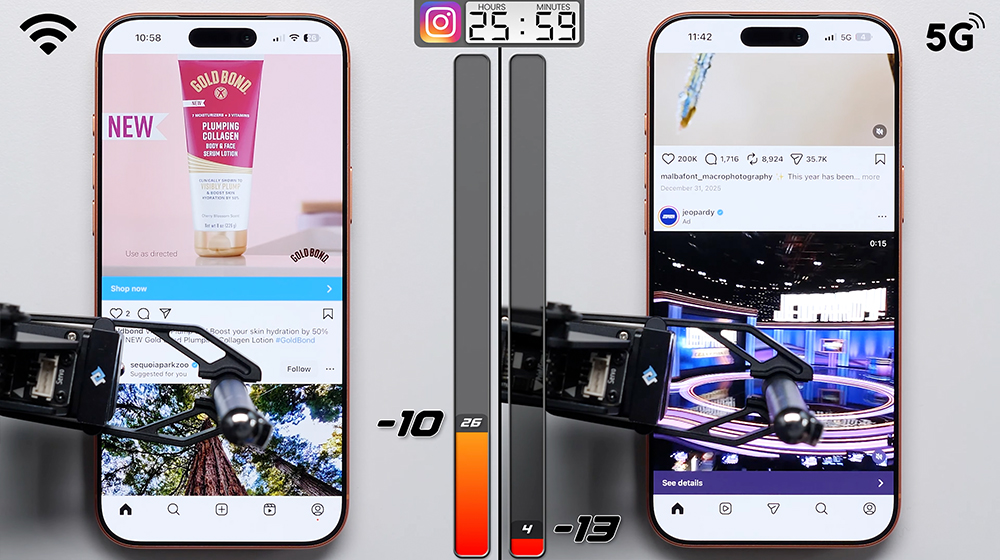
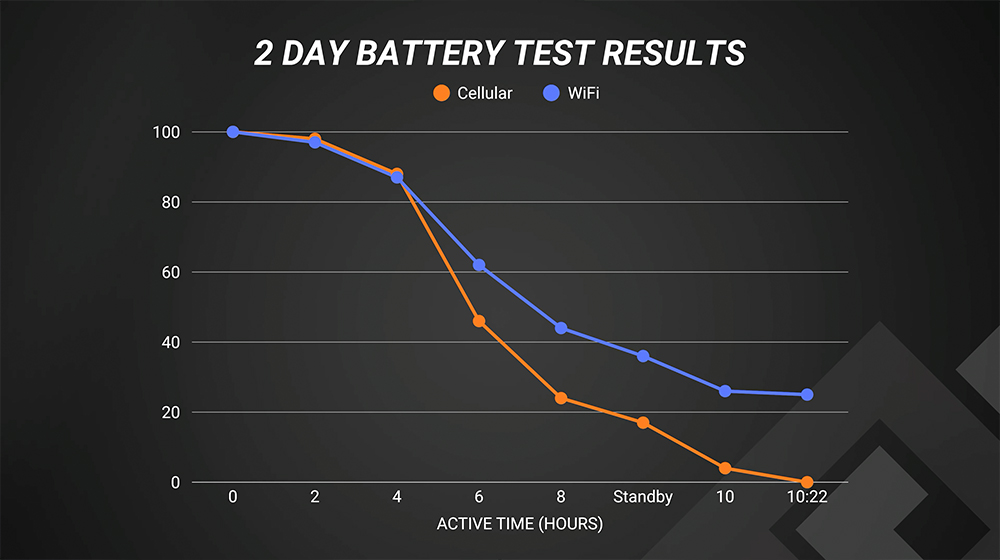
But when the test moved into Instagram swiping, things started to change again. After 2 hours, 5G consumes about 3% more, which may not seem like much, but the cumulative effect is terrible. At this time, the 5G phone only has 4% power left, and the WiFi still has 26%.
▲Picture source:PhoneBuff (YouTube)
Stream videos to determine the winner directly
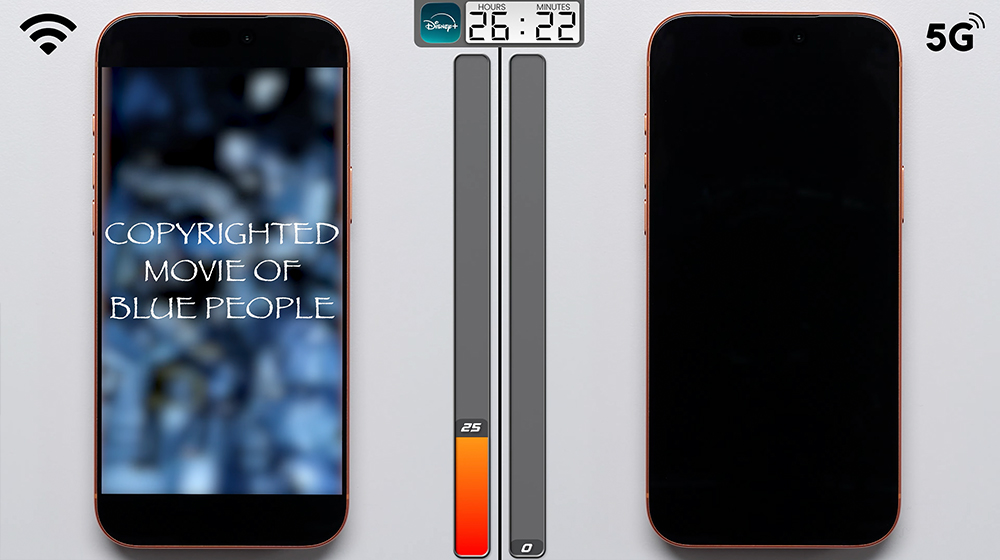
The final Disney+ streaming test was the straw that broke the camel’s back. High-resolution videos require continuous downloading of data, which puts a heavy load on the network and battery. After only 22 minutes of playback, the 5G iPhone 17 Pro Max ran out of battery, while the WiFi version still had 25% battery. Overall, the WiFi-only environment ended up with a massive 25% advantage.
▲Picture source:PhoneBuff (YouTube)
The strength of the signal is also very important.
PhoneBuff also reminds that test results are not universally applicable. The experiment was completed at a fixed location, but in real life, signal strength itself is an important variable. Also using YouTube to play 1080p videos, the battery life can last for 13 hours and 49 minutes in an environment with strong signal. However, when the signal is weak, the battery life is immediately reduced by nearly 1 hour. In other words, the gap between stable 5G and unstable 5G is equally astonishing.
▲Picture source:PhoneBuff (YouTube)
There are more differences between the old and new generations of data chips
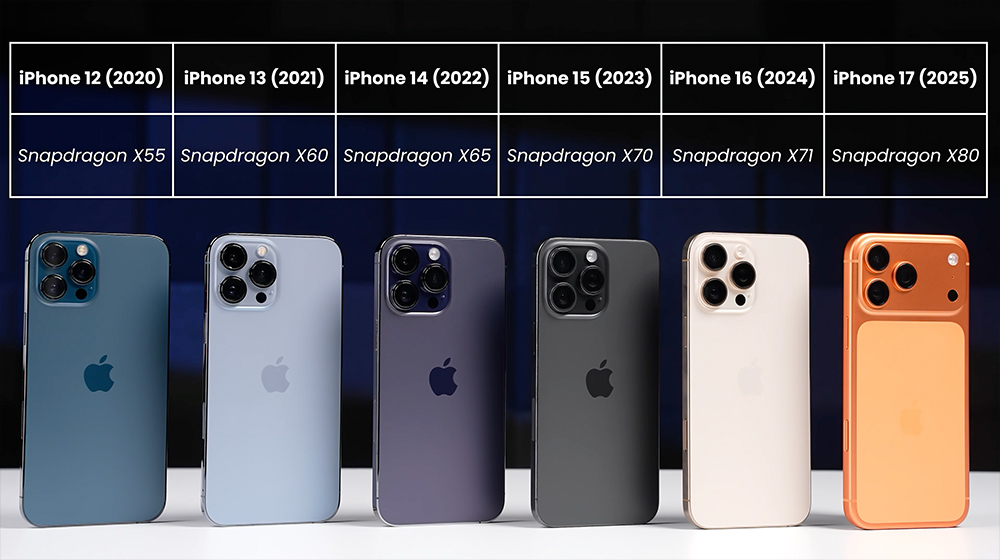
Another observation worth noting is the “mobile phone generation.”
▲Picture source:PhoneBuff (YouTube)
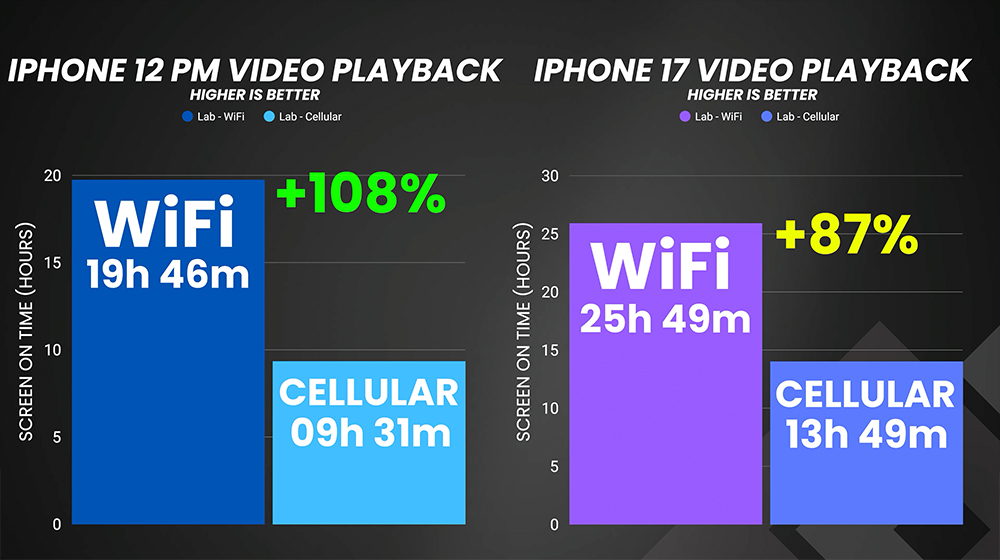
Equipped with newer data chips iPhone 17 series, the battery life improvement brought by WiFi is about 87%. But switching to iPhone 12 Pro Max, it reached 108% under the same conditions. This means that if you are still using an older model, WiFi will be more helpful in extending battery life.
▲Picture source:PhoneBuff (YouTube)
Conclusion
From PhoneBuff’s actual measurements, we can see that the gap between WiFi and 5G is not a single answer, but highly dependent on usage scenarios. The difference is almost unnoticeable for light tasks, but when it comes to video, social or audio and video streaming, high data transmission will gradually make the power-consuming characteristics of 5G emerge.
What’s more, signal quality also affects the results as does phone generation. When signal reception is unstable, the mobile phone will continue to increase power in order to maintain the connection, and the power will naturally drain faster.
For most people, the simplest battery life strategy is actually not that complicated. Prioritizing connections when WiFi is available, especially when watching TV shows or videos for a long time, can often lead to more secure battery performance. As for users who are often on the go, it may be time to re-examine their Internet habits, because it may not be the mobile phone that really steals the battery, but the connection method you choose.
Further reading:
Source: KOCPC Chinese