


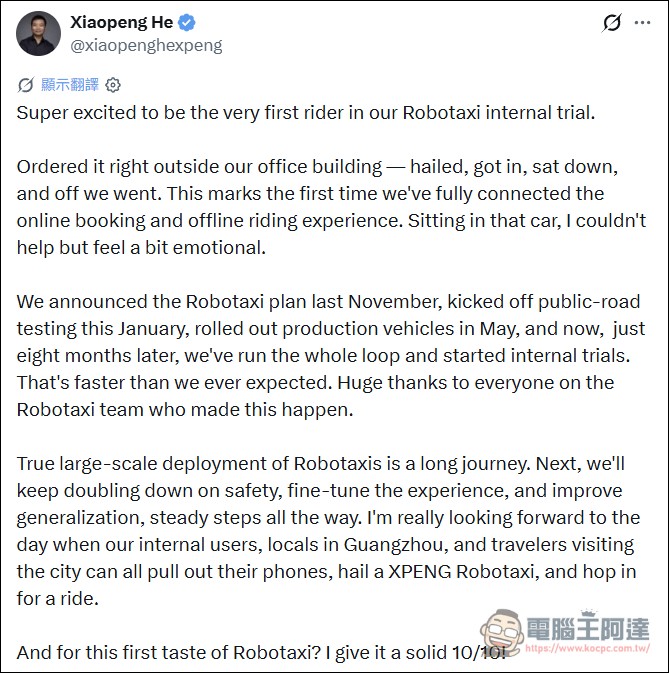
Competition in China’s electric vehicles and smart driving sectors continues to intensify. On the evening of July 9, He Xiaopeng, Chairman and CEO of Chinese EV brand XPeng, posted on X that he had become the first internal passenger of XPeng’s Robotaxi. He placed an order outside the company building, got in, sat down, and departed—the entire process completed, marking XPeng’s first full打通 of online ride-hailing and offline passenger transportation. It had only been 8 months since the Robotaxi plan was announced in November 2025. With the need to simultaneously integrate vehicle manufacturing, autonomous driving software, chips, operating platforms, and regulatory permits, this speed is indeed faster than the outside world expected.
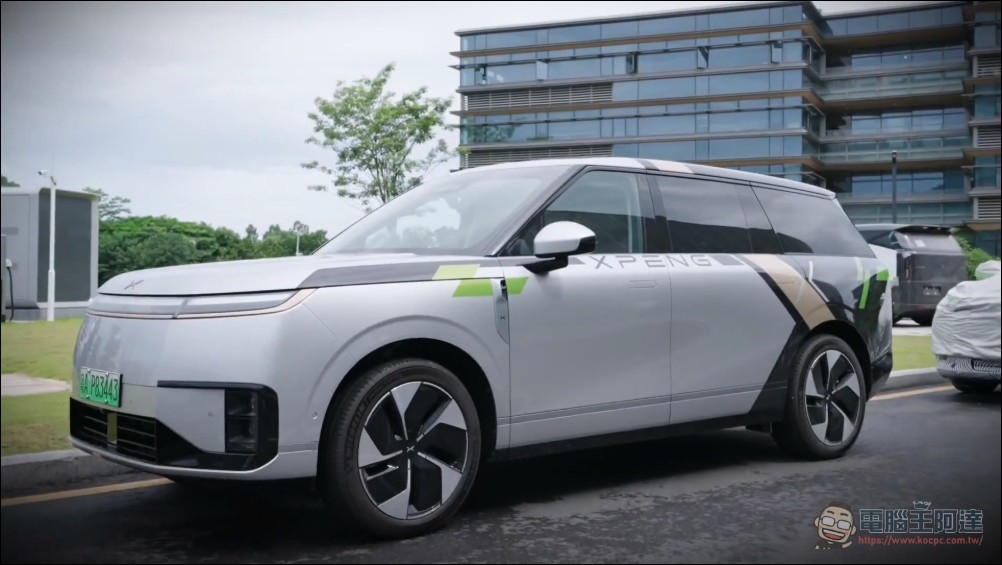
From the plan announcement to internal beta testing, eight months compressed into one car
In his post, He Xiaopeng reflected on this tight timeline: the Robotaxi plan was announced in November 2025, public road testing began in January 2026, mass production vehicles came offline in May, and by July the first internal ride was completed with internal public testing launched. This pace stems from XPeng treating autonomous driving as a “manufacturing problem” rather than simply a “fleet modification issue.” Unlike Waymo’s approach of using lidar plus high-definition maps and repeatedly testing in specific areas, XPeng chose from the start to build on mass-producible pre-installed vehicle models, deploying the same technology simultaneously on cars available to consumers.
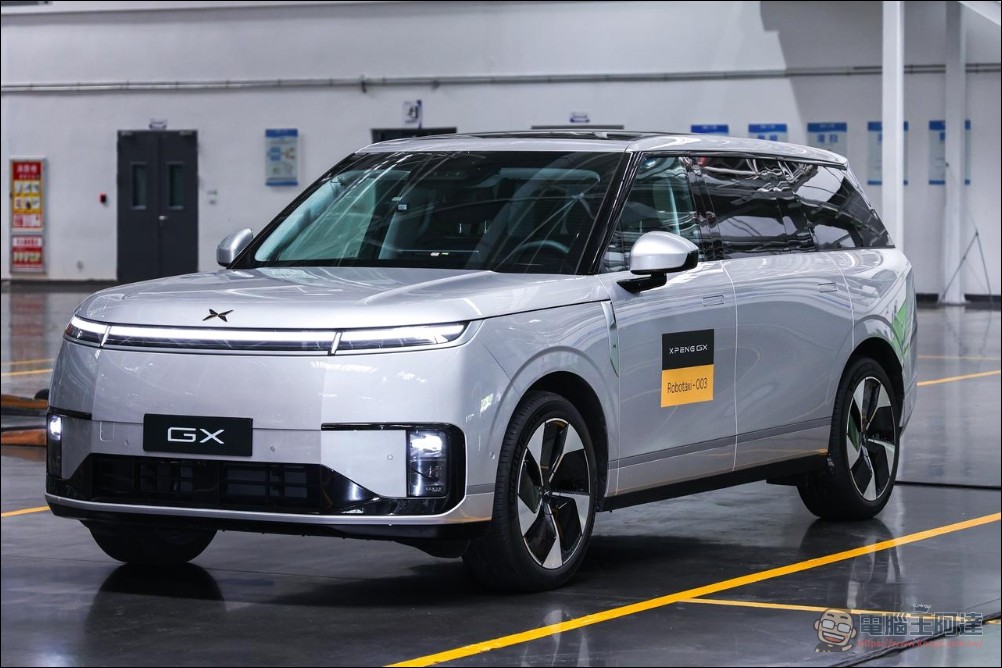
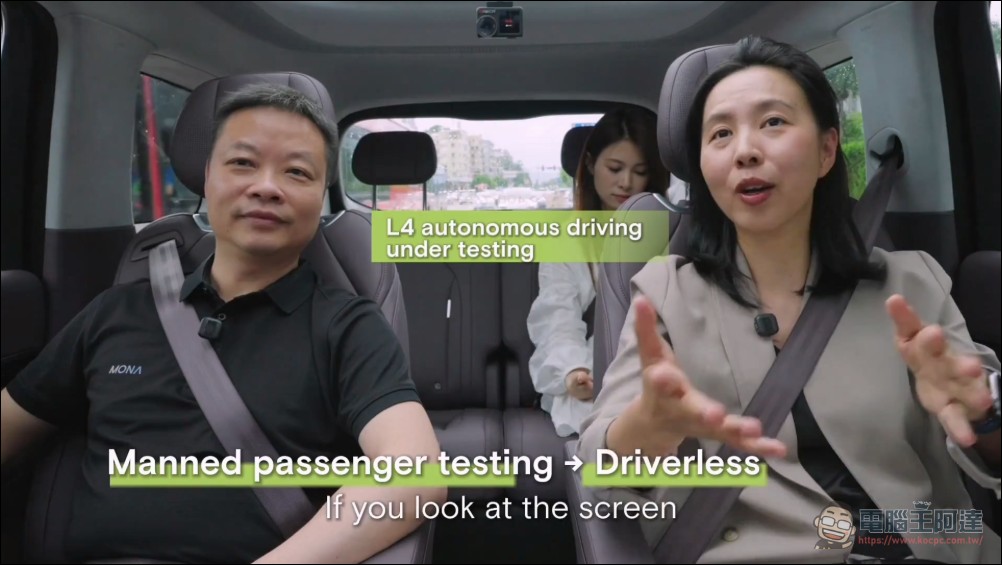
This Robotaxi is built on the flagship SUV Xpeng GX as its base, and is what Xpeng calls “China’s first full-stack self-developed, pre-installed mass-produced” Robotaxi, meeting L4 autonomous driving specifications. Xpeng’s official press release on May 18 also emphasized that this is the first time a Chinese automaker has completed mass production of a Robotaxi through full-stack independent development.
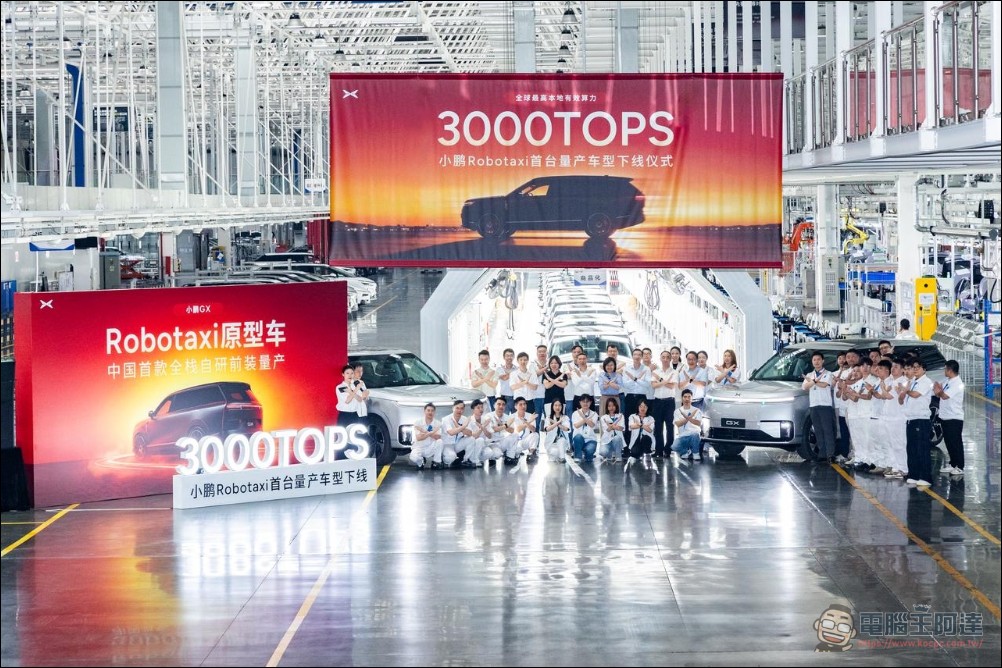
4 Turing Chips, 3000 TOPS, Vision-Only: All the Technical Specs at a Glance
The core technical highlight of XPeng’s Robotaxi lies in its in-vehicle computing power. It features 4 XPeng self-developed Turing AI chips, with the company claiming an effective computing power of 3,000 TOPS—the highest in-vehicle computing configuration among all mass-produced vehicles globally. This chip suite is paired with XPeng’s second-generation VLA (Vision-Language-Action) large model, taking a pure vision approach that relies on neither LiDAR nor high-definition maps.
VLA 2.0 eliminates the language translation step in the traditional “vision-language-action” three-stage architecture, reducing system response latency to under 80 milliseconds while also delivering stronger cross-city generalization capability. This means Xpeng hopes to deploy this system to new cities more quickly, without the need to spend extended periods building high-precision maps and repeatedly testing for each city like some competitors do.
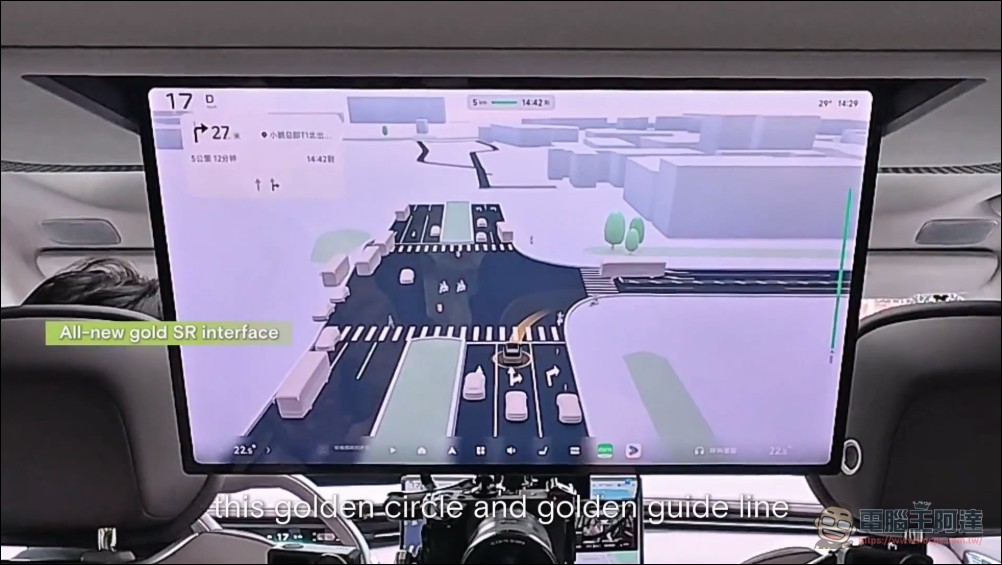
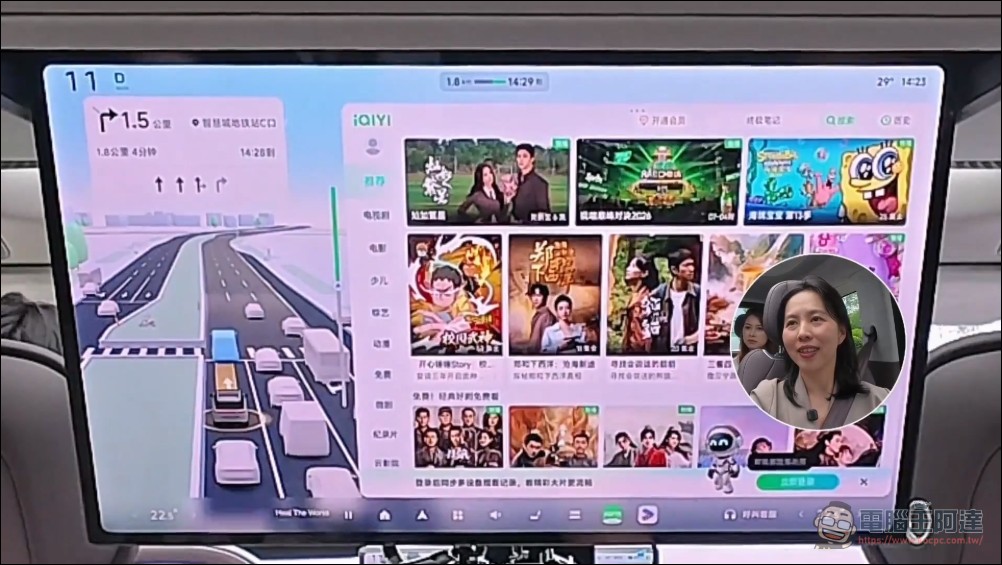
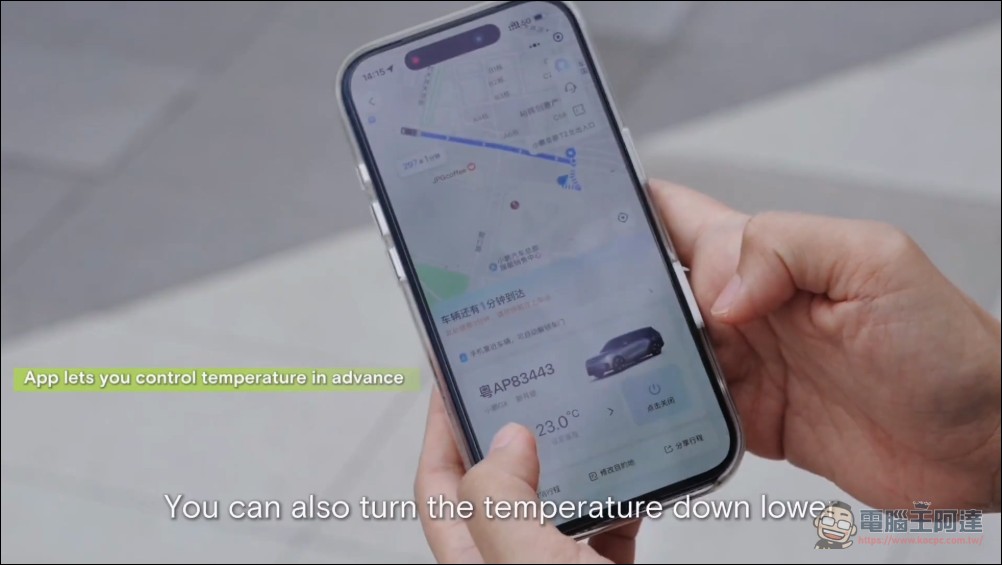
The cabin experience is equally elevated. The interior comes equipped with privacy glass, zero-gravity seats, and rear-seat entertainment screens, allowing passengers to watch shows and listen to music on the go. They can also adjust the air conditioning temperature through the voice assistant “Xiao P.” Xpeng’s goal isn’t just to make cars that drive themselves—it’s to make passengers actually want to spend long periods inside them.
Why did Xpeng choose the OEM-integrated production route?
The most notable difference between XPeng’s Robotaxi and Waymo or Tesla’s Cybercab is that it was designed as “pre-assembled mass production” from the start. This means the same GX model can be sold to regular consumers or converted into Robotaxi operations using the same chassis and production line. This approach offers several practical advantages:
First, reducing per-vehicle manufacturing costs. Mass-produced models share R&D and production expenses, so Robotaxi doesn’t need to open a dedicated production line. Second, maintenance and charging can directly utilize XPeng’s existing service network and charging facilities, reducing the pressure of building exclusive maintenance centers. Third, consumer vehicles and Robotaxi share the same autonomous driving software and hardware, meaning that vehicles sold for daily use are continuously helping Robotaxi accumulate road data.
Additionally, Xpeng established its Robotaxi business unit in March, overseeing product definition, R&D and testing, and full-chain operations. It has also opened its Robotaxi SDK to external parties, allowing platforms like AutoNavi to directly integrate and dispatch vehicles. This “mobility platform + pre-installed mass-produced Robotaxi” cooperation model shows that Xpeng does not intend to build its own ride-hailing app and fleet from scratch, but rather aims to “sell” vehicles and autonomous driving capabilities to existing platforms.
Next step: Pilot operations in H2 2026, with the goal of operating without safety drivers by early 2027
Although the first trial ride was completed successfully, He Xiaopeng still emphasized in his post that large-scale Robotaxi deployment remains a long road ahead, and that the team will continue to focus on safety, experience, and generalization capabilities, “taking it step by step in a solid and steady manner.” According to Xpeng’s official plan, pilot operations will launch in Guangzhou in the second half of 2026 to validate technical feasibility, user acceptance, and the business model; by early 2027, the goal is to achieve fully autonomous daily operations without a safety driver in the vehicle.
Overall, XPeng’s moves reflect that China’s autonomous driving market is at a turning point, shifting from technical validation to large-scale commercialization. With mandatory national standards for L3 and L4 autonomous driving entering the approval stage, regulators are taking a “result-oriented” approach rather than “hardware-stacking” approach to technology pathways, which works relatively in favor of XPeng’s pure vision strategy.
Super excited to be the very first rider in our Robotaxi internal trial.
Ordered it right outside our office building — hailed, got in, sat down, and off we went. This marks the first time we’ve fully connected the online booking and offline riding experience. Sitting in that… pic.twitter.com/jEbuRHNw2p
— Xiaopeng He (@xiaopenghexpeng) July 12, 2026
Summary
XPeng Motors has long been called Tesla’s “die-hard follower” in China. Electric vehicles, autonomous driving (which Tesla once accused them of stealing intellectual property for), Robotaxis, and the humanoid robot Iron… whatever Tesla does, XPeng is involved in. However, in recent years they’ve also forged their own path, with research in flying cars and Physical AI. Additionally, there are many players competing in China’s autonomous taxi market, such as Baidu’s Apollo Go (the one with all those vehicles spotted on roads before), Pony.ai, WeRide, and AutoX, not to mention DiDi… Competition is quite fierce. XPeng is a bit late to enter at this point, but it’s still hard to say who will come out on top in the end. Interestingly, Tesla’s Robotaxi, despite being technologically the most advanced, seems to have no plans to enter China. As for Taiwan, Taipei previously had a fixed-point project, but there’s currently no new progress. China is indeed progressing much faster than Taiwan in this regard, so there may still be a long wait ahead.
Source: KOCPC Chinese