


As the tourist crowds gradually return, the communication pressure on the front lines of convenience stores also emerges. Different languages not only bring difficulties in understanding, but also directly affect shopping experience and service efficiency.JapanFamilyMart has recently quietly introduced a new device in some stores in Tokyo. It looks like a transparent screen, but it can instantly convert conversations into multi-lingual text, allowing store staff and customers to complete communication without changing the way they interact.
In this way, the AI transparent translation screen is not only a technological upgrade, but also a rethinking of the service process. When translators no longer need to lower their heads and swipe their phones, but are naturally integrated into the checkout scene, it is also very curious to see how the entire shopping process will change.
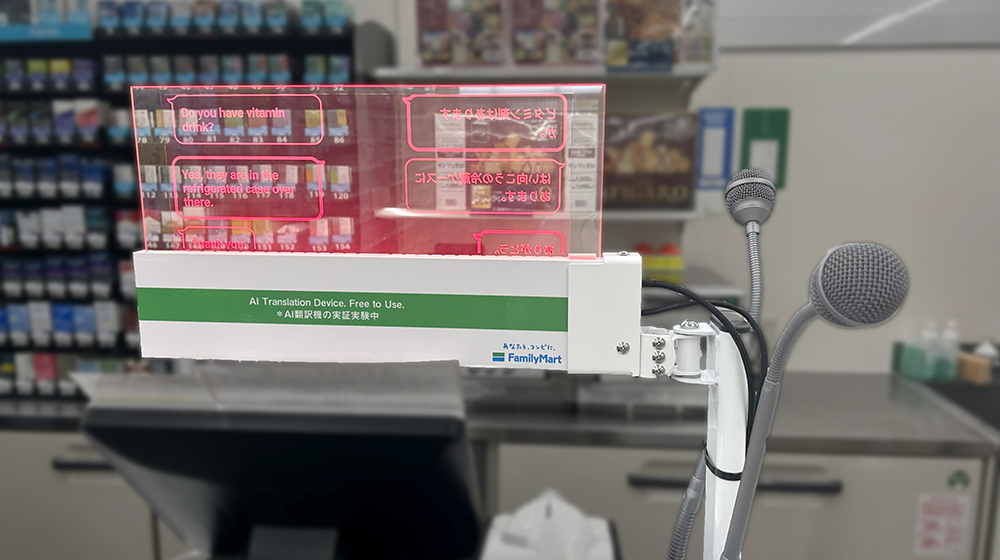
Japanese FamilyMart convenience store introduces AI transparent translation screen! Supports 14 languages, making shopping more accessible for foreign tourists
The Japanese tourism market has been recovering rapidly in the past few years, and the number of foreign tourists continues to rise. Highly used areas such as convenience stores are the first to face the challenge of language communication. For travelers, simply inquiring about products, confirming prices or asking about payment methods may be blocked due to language barriers. For store staff, even if they have basic English skills, they may not be able to cope with the needs of tourists from various countries. Over time, they may easily become stressed and even affect service quality.
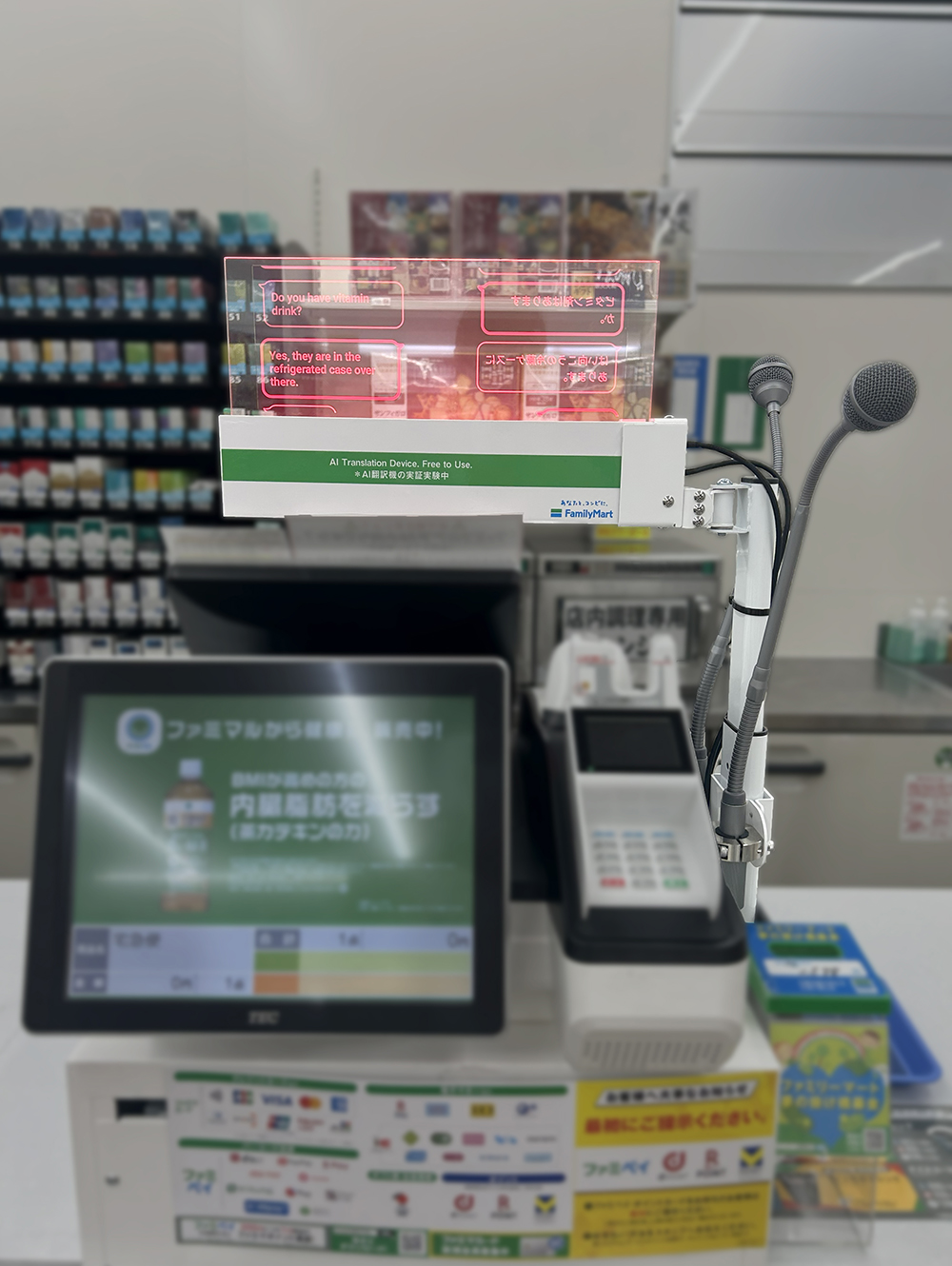
Against this background, the Japanese familyconvenience storeStart trying to use technology to solve problems. From the end of January 2026, a device called a transparent translation screen has been introduced in some stores in Tokyo and actual operational testing has begun. The biggest feature of this device is that it is not a traditional translator, but is integrated directly in front of the cashier counter and becomes part of the store service process.
▲Picture source:FamilyMart
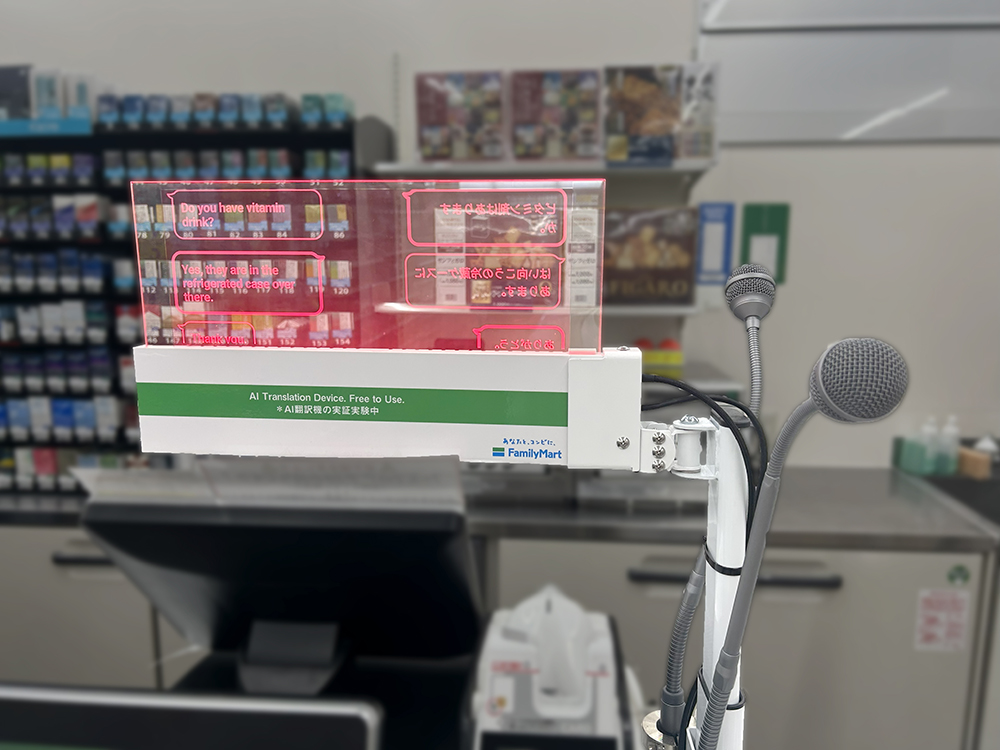
This transparent screen is installed above the counter, and its size can be customized according to the store space. When the store clerk talks to the customer, the system will instantly recognize the voice content and display the translation results in text form on the screen. Because the screen itself is made of transparent material, both parties can still clearly see each other’s expressions and gazes, without having to lower their heads or shift their attention like using mobile phone translation.
This kind of design is actually very critical. In the past, most translation tools needed to be used through mobile phones or tablets, which not only interrupted the process, but also easily made the interaction stiff. The transparent translation screen “invisible” the translation function, making the entire conversation process closer to natural face-to-face communication.
In terms of language support, the system currently covers 14 languages, including common tourist languages such as English, Simplified Chinese and Korean. This means that most tourists visiting Japan can successfully complete basic conversations through this system. For store clerks, there is no need to learn additional languages and they can provide more confident services. For customers, it reduces misunderstandings and waiting time, making the shopping process smoother.
In addition to voice translation, this system also supports text input functions. Through a connected tablet device, store clerks or customers can type directly and have the content displayed on the screen. This function is particularly useful when encountering hearing-impaired customers. It can be used as an instant written conversation tool to further enhance the inclusiveness of the service.
▲Picture source:FamilyMart
In terms of privacy, FamilyMart also emphasizes that the device will not record or save conversation content, and all translations will be processed immediately and then disappear immediately to avoid concerns about the leakage of personal information. This is a very important design consideration for stores that need to use equipment for a long time.
Not only the hardware equipment has been upgraded, FamilyMart has also simultaneously planned a series of supporting measures. It is expected that the “Service Guide for Visitors to Japan” will be launched in March 2026 to provide reference for store personnel. The content will sort out the proportion of tourists from each country, common needs and consumption habits, and give practical suggestions, such as how to introduce products, how to deal with emergencies, etc.
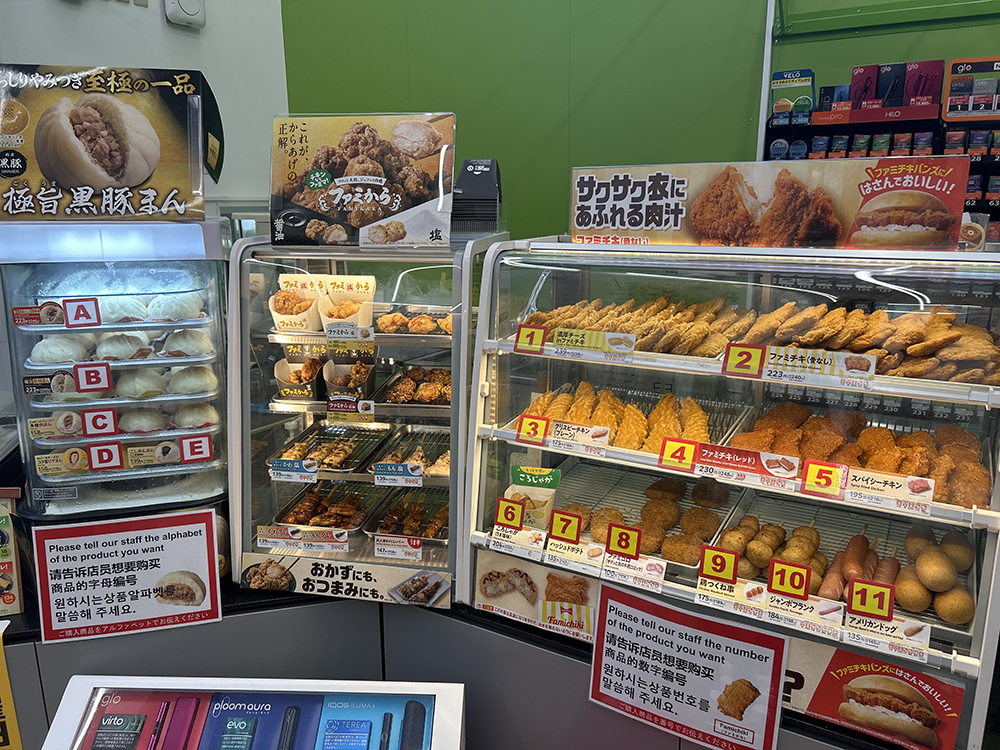
In terms of store presentation, more multi-language designs will also be introduced. For example, numbers and English letters are used to mark product locations, allowing travelers to order or purchase in a simple way. These materials can be printed directly by the store through the internal system, lowering the import threshold and allowing different stores to quickly follow up.
▲Picture source:FamilyMart
In addition, FamilyMart will also analyze the sales data of stores with a high proportion of foreign tourists to find out which products are particularly popular or which display methods are more effective, and then share these successful experiences with other stores. This approach is not just a single point optimization, but also hopes to simultaneously improve the overall service level through the accumulation of data and experience.
Judging from this series of actions, FamilyMart is not simply introducing a technological device, but is trying to re-create a store environment that is more in line with the needs of international tourists. Everything from communication tools, service processes to product presentation are being adjusted.
Further reading:
Source: KOCPC Chinese