


vivo At the latest imaging technology communication meeting, the camera capabilities of vivo X300 Ultra were officially unveiled. This time it is not just a simple upgrade of the number of lenses, but a comprehensive evolution from the sensor size, optical structure to anti-shake technology, and even a shooting position that is close to that of a professional camera. From the main lens to the telephoto lens, each one has brought great breakthroughs. Coupled with the optical adjustment in cooperation with Zeiss, the overall image performance is clearly aimed at higher-end photography needs. If you have certain requirements for mobile phone photography, this time X300 Ultra It may make you rethink “how far your mobile phone can take photos.”
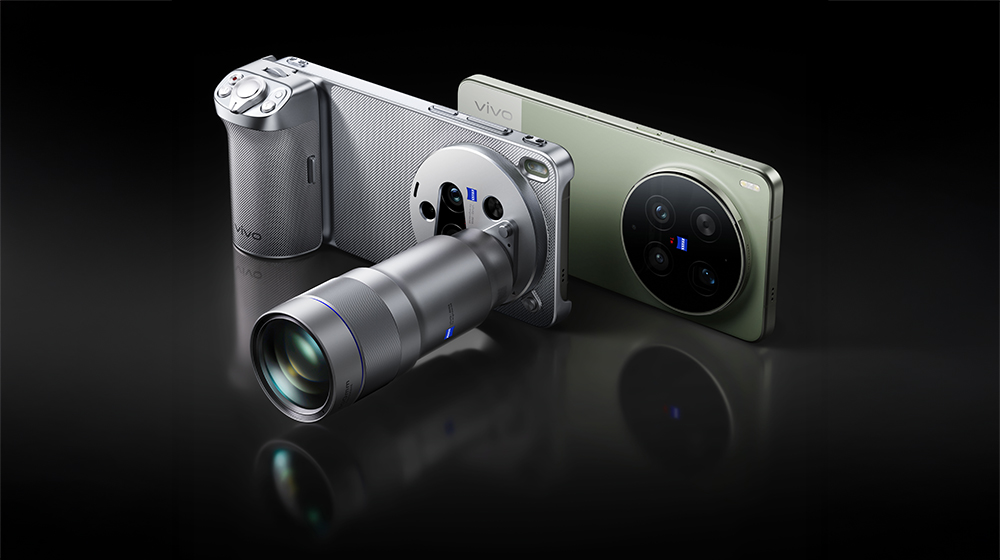
Vivo X300 Ultra mobile phone imaging specifications revealed! 200 million pixel main lens + super telephoto specifications at once
If you have been paying attention to the development of mobile phone photography recently, you should have discovered one thing, that is, major brands no longer just add pixels, but have begun to comprehensively optimize the overall imaging system. Vivo is obviously taking this path with this generation of X300 Ultra, and it is taking it very thoroughly.
This time, vivo directly positioned the X300 Ultra as a combination of “professional V-mono” and “pocket camera”. It sounds a bit exaggerated, but after reading the specifications, it is not difficult to understand their intentions.
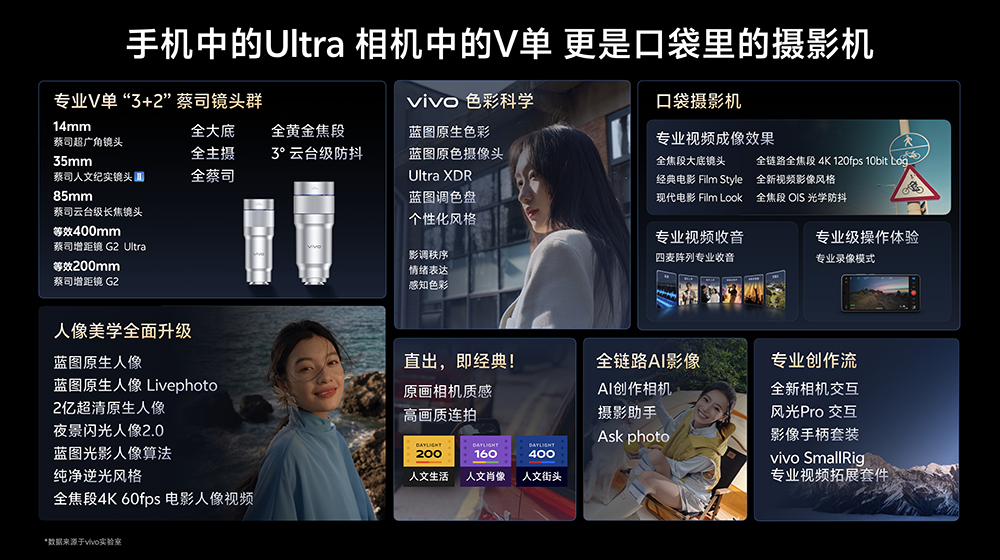
vivo X300 Ultra adopts a so-called “3+2” lens configuration. The core focus is three main lenses paired with two sets of advanced optical systems to make the overall focal range coverage more complete.
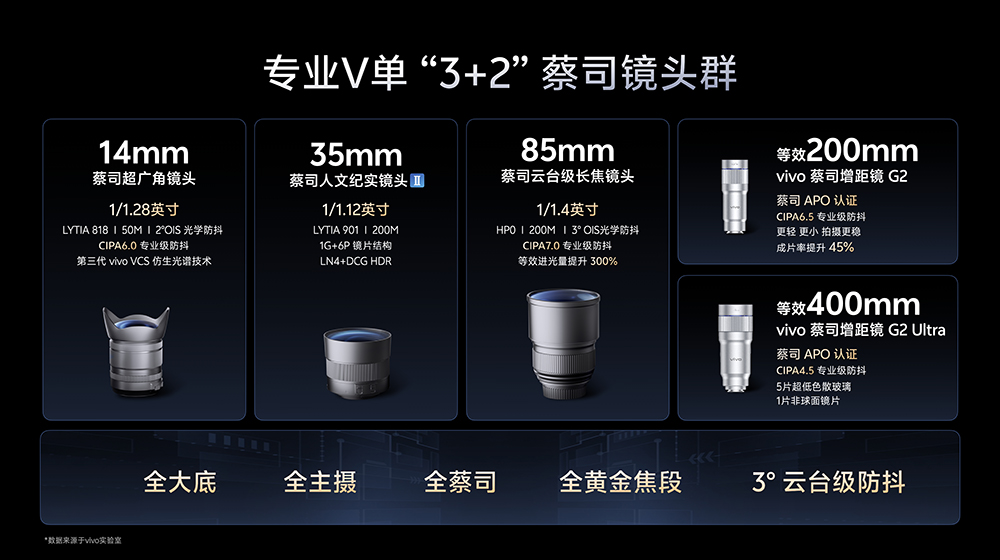
The ultra-wide-angle lens is equipped with a 1/1.28-inch Sony LYTIA 818 sensor. This size is quite large among ultra-wide-angle lenses, which means better performance in low-light environments. Paired with vivo’s third-generation VCS bionic spectrum technology and Zeiss T* coating, it can effectively reduce glare and color cast problems.
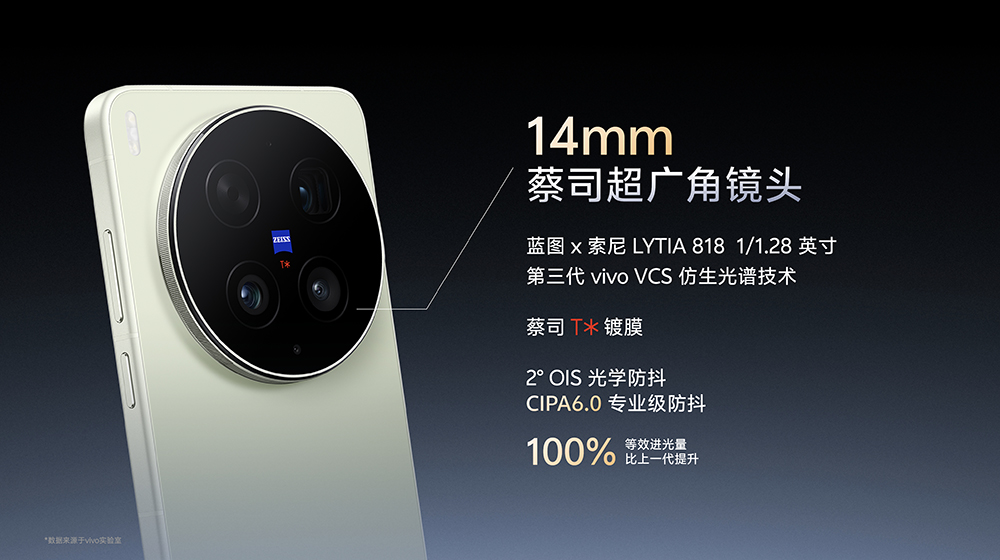
In addition, in terms of anti-shake, this ultra-wide angle also supports CIPA 6.0 level, which will provide better stability during actual shooting, especially when shooting at night or video recording.
World premiere of Sony LYTIA 901 main lens
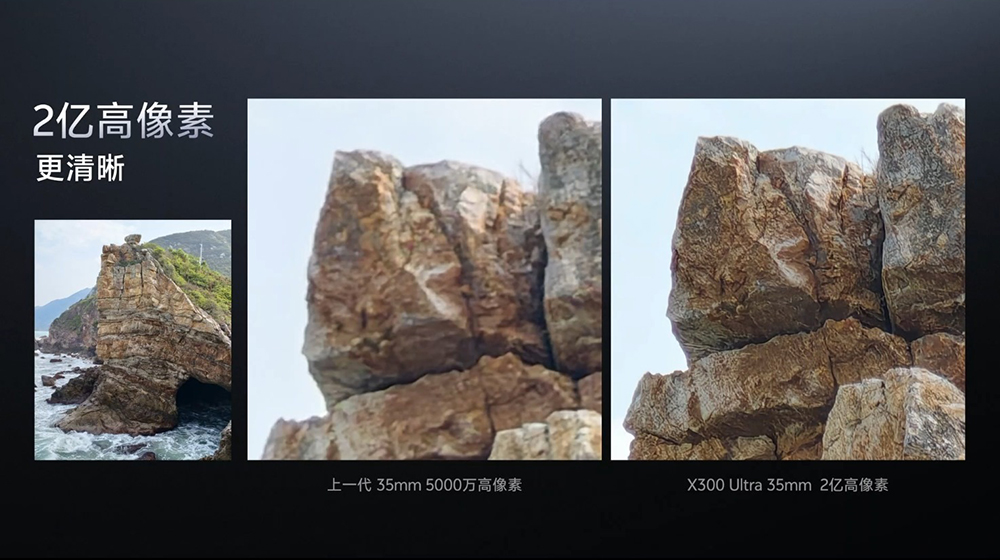
The main lens can be said to be one of the biggest highlights of this X300 Ultra. It directly uses the world’s first Sony LYTIA 901 sensor, with a size of 1/1.12 inches and a 200-megapixel design.
This is not just an improvement in pixels, the key point is that the photosensitivity is also simultaneously enhanced. The single-pixel photosensitive area has been increased by 30%, and the full well capacity has been increased by 32%, which means that more details and dynamic range can be retained when shooting high-contrast scenes or night scenes.
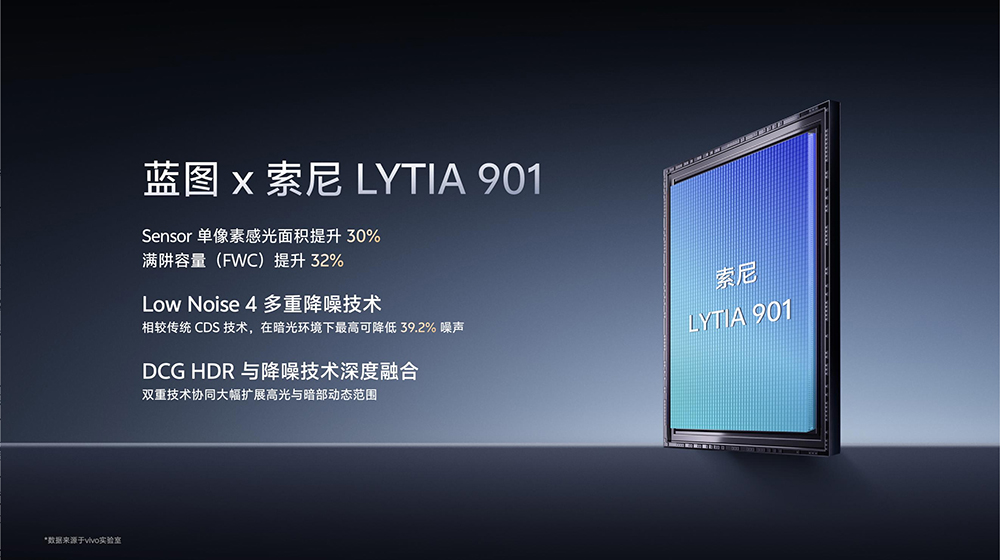
The lens structure adopts a 1G+6P configuration and is equipped with Zeiss T* coating, which can reduce reflectivity by about 20%. Coupled with Low Noise 4 multiple noise reduction and DCG HDR technology, the overall picture purity and tolerance are significantly improved.
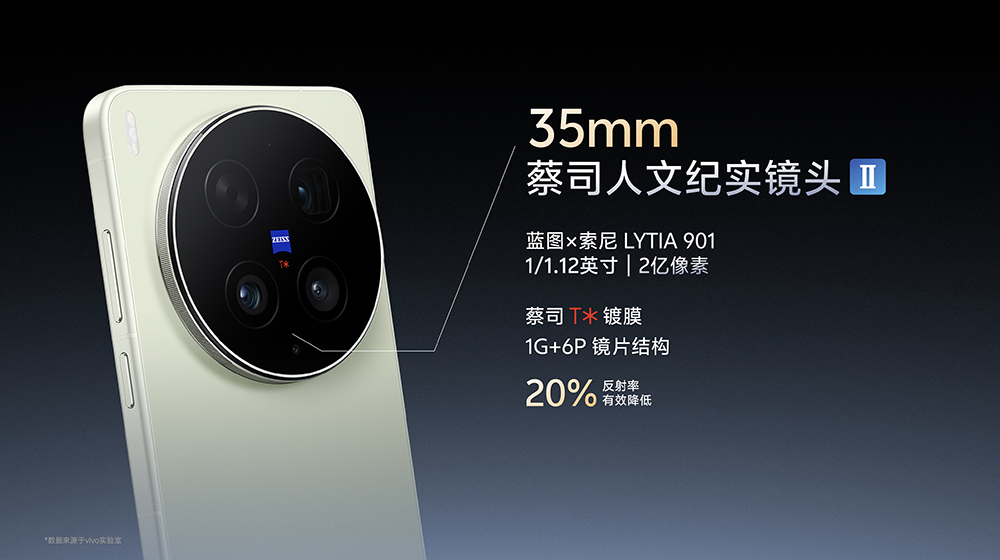
To put it simply, this main lens is not only “high pixels”, but also improves image quality stability and detail preservation.
200 million pixel telephoto, directly raising the telephoto ceiling of mobile phones
If the main lens is the foundation, then the telephoto lens is the most exaggerated aspect of the X300 Ultra. Vivo directly imports Samsung ISOCELL HP0 sensor, which is also 200 million pixels, but the size reaches 1/1.4 inches, which is almost the top configuration among telephoto lenses.
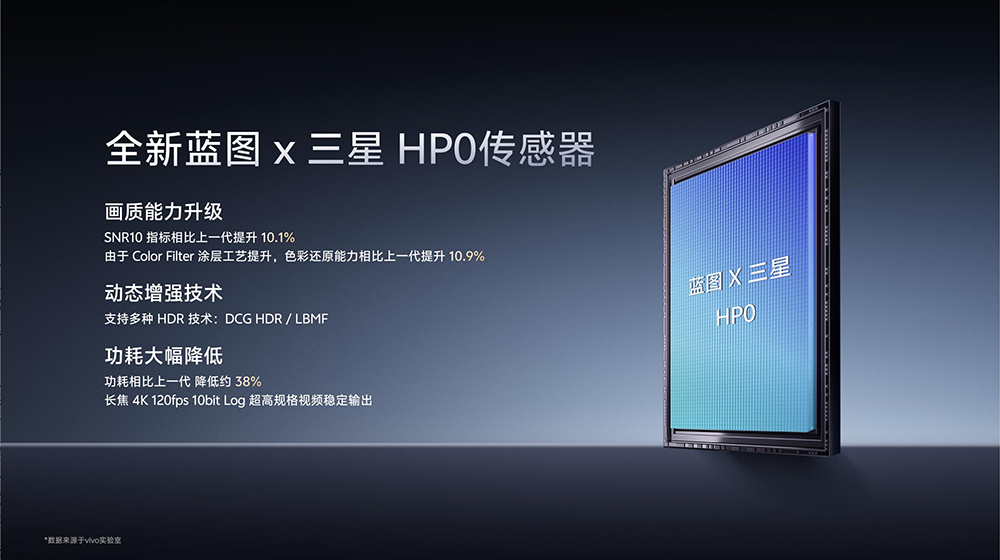
More importantly, it is also equipped with a periscope structure and gimbal-level anti-shake, and reaches CIPA 7.0 level. This means that under high-magnification zoom, image stability can still be maintained at a very high level.
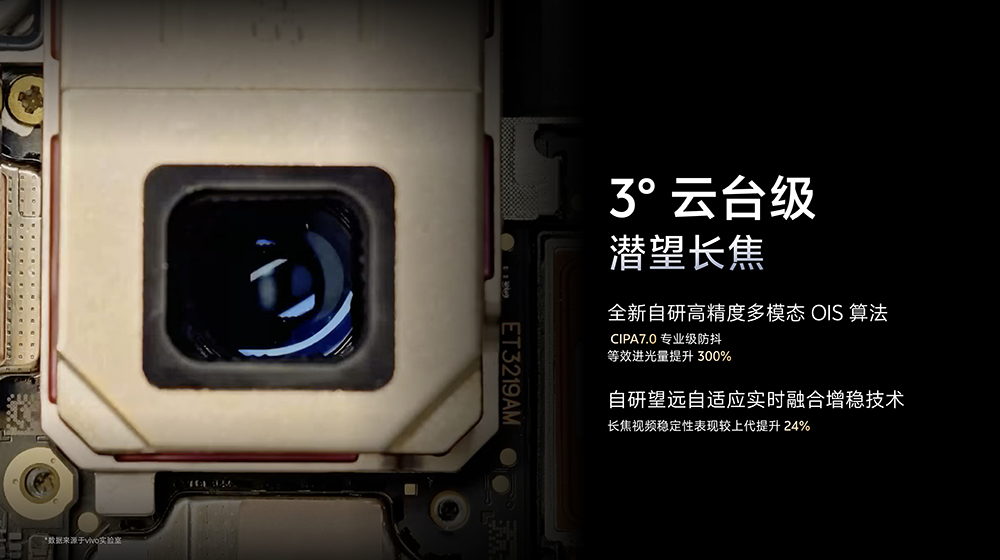
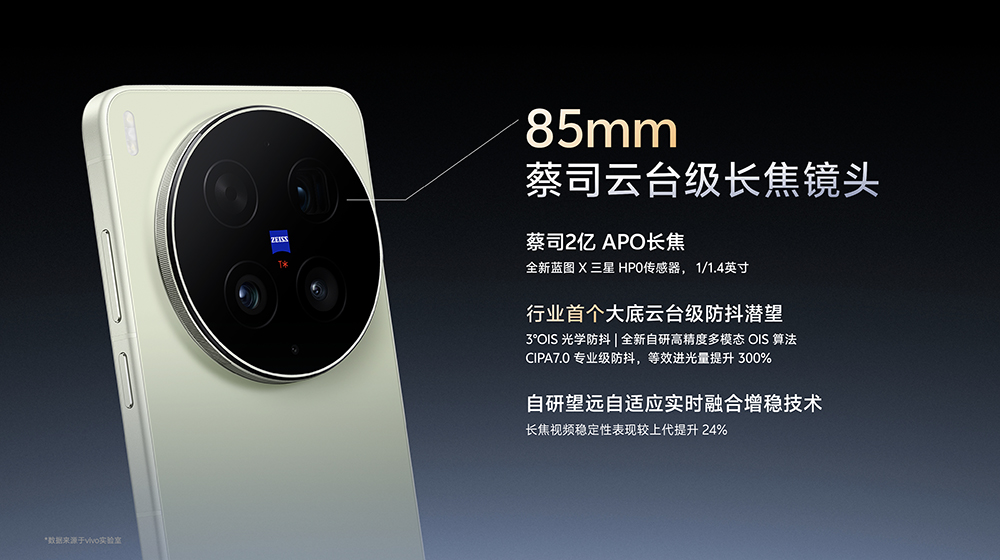
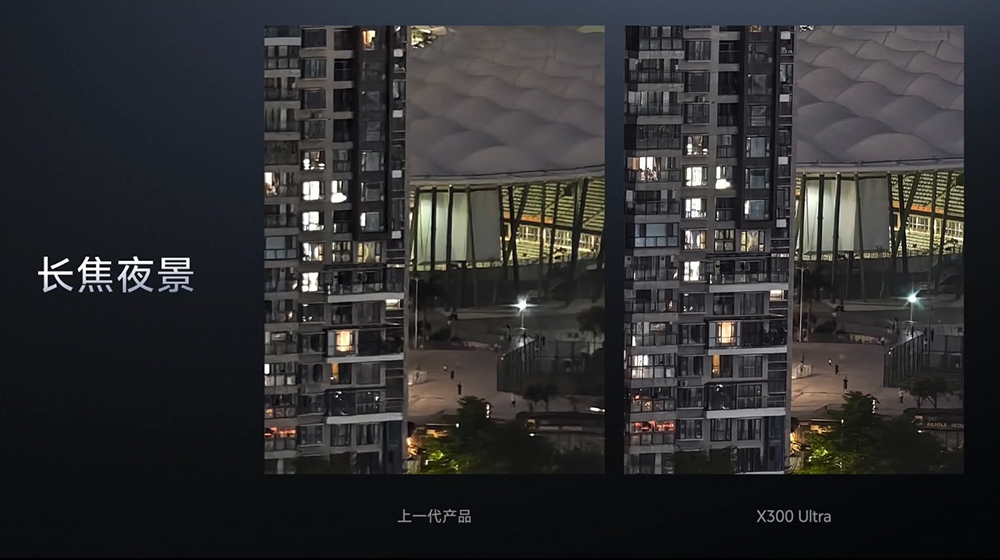
The equivalent amount of light input has increased by 300%. This is also very impressive. In the past, the biggest problem with telephoto lenses was that night shots were easy to blur or had a lot of noise, but this time it is obviously aimed at “usability”.
G2 Teleconverter, directly turns your phone into a telephoto monster
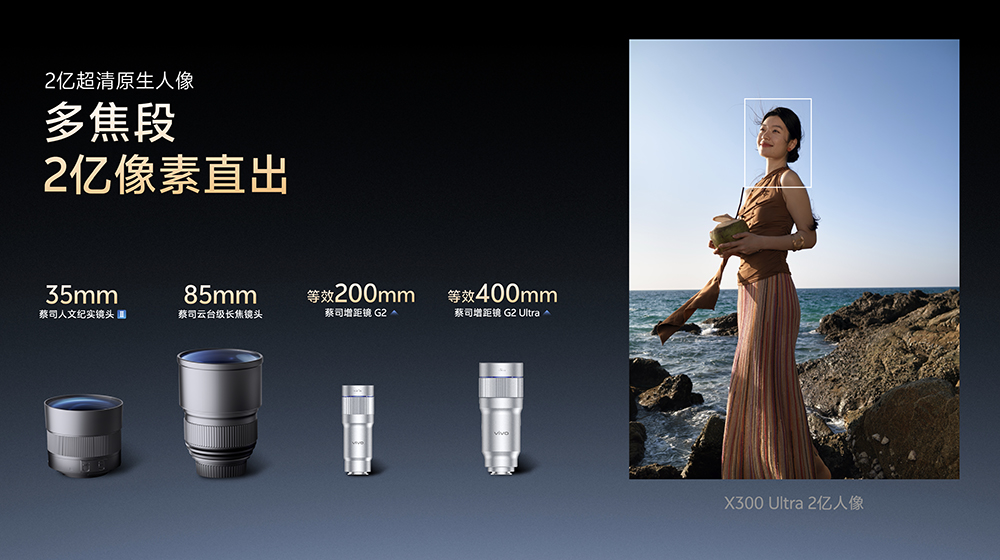
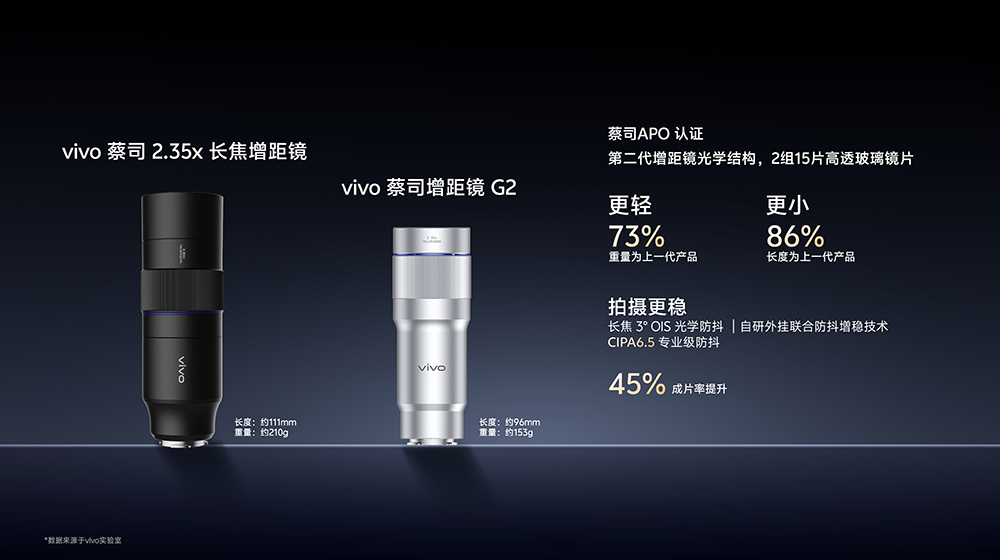
In addition to the original lens configuration, vivo has further launched the G2 Zeiss teleconverter this time, which will further increase the shooting capabilities of mobile phones. The standard version of the G2 teleconverter provides a 200mm focal length, adopts an optical design of 15 elements in 2 groups, and is Zeiss APO certified, making it more precise in dispersion control.
If that’s not enough, there is also the more advanced G2 Ultra teleconverter, which directly extends the focal length to 400mm. The interior contains high-transparency glass, ultra-low dispersion glass and aspherical lenses. This configuration is actually close to professional lens levels.
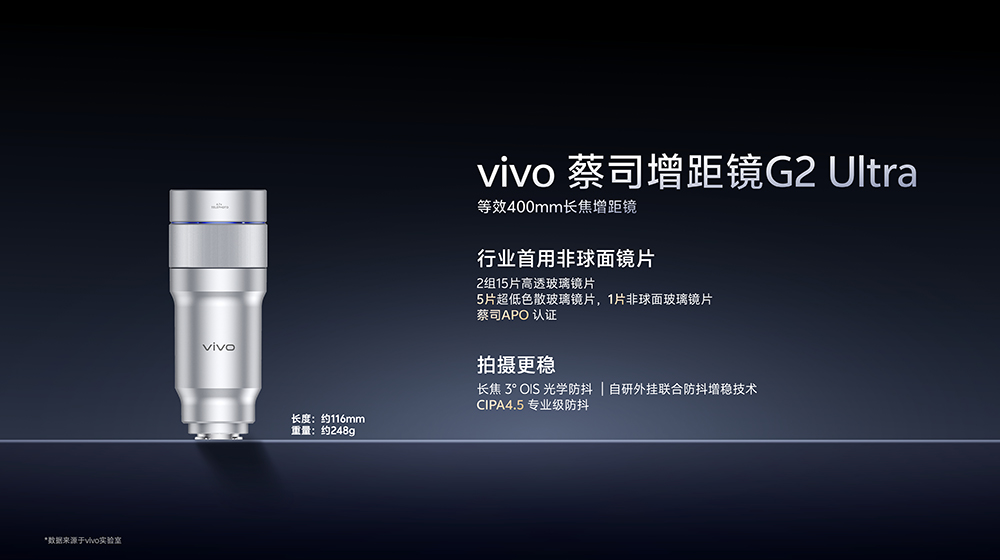
For those who like to take long-range, concert or ecological photography, this extended capability will be very attractive.
Not only does the photography work well, the video recording is at the professional level.
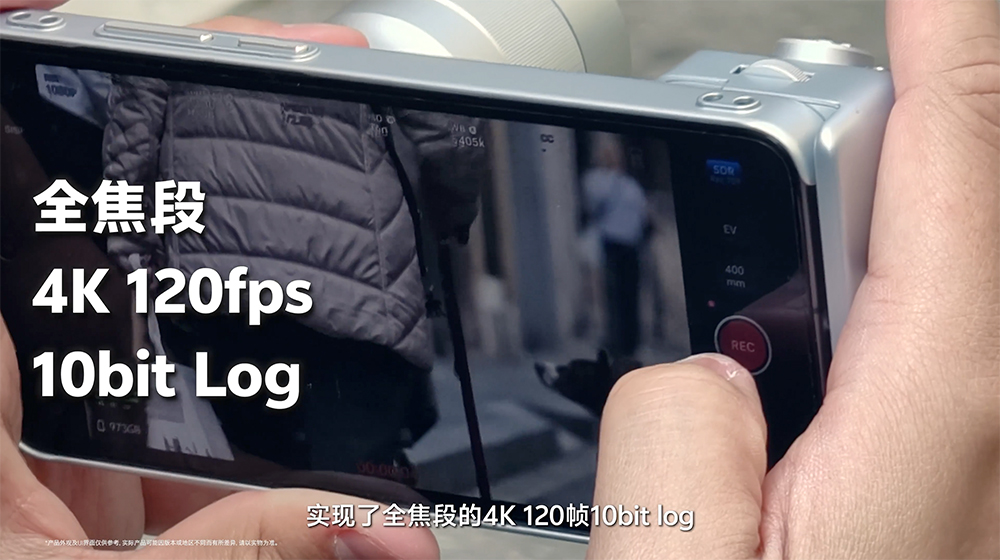
In addition to camera specifications, the X300 Ultra’s video recording capabilities have also been significantly improved to another level, and have even begun to move closer to professional image production. The most critical upgrade this time is to support full-link, full-focus 4K 120fps 10bit Log recording.
This means that whether it is an ultra-wide-angle, main lens or telephoto lens, all can be recorded with the same specifications, and there will no longer be problems with image quality or color inconsistency when switching lenses.
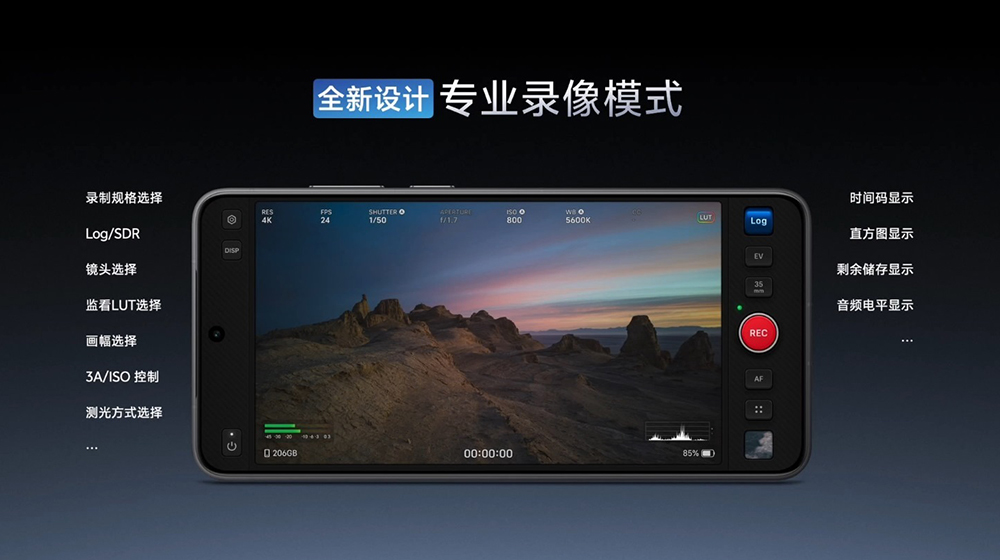
For those who have editing needs, this is actually very important, because during post-production color grading, the Log format can retain more details in bright and dark areas, giving the overall picture more room for adjustment. To put it simply, it is closer to the shooting process used by movie cameras.
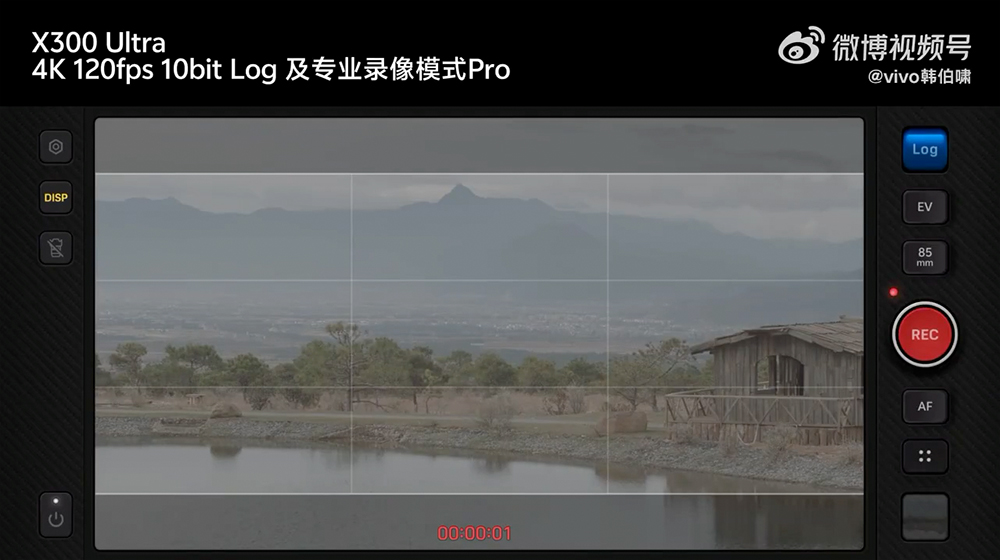
In addition, X300 Ultra also supports 10bit 422 format recording, and is equipped with a spatial editor function, allowing videos to retain higher color information and detailed performance during post-production. This kind of specification almost only appeared on professional photography equipment in the past, but now it is directly extended to mobile phones, which is indeed a big attraction for creators.
Radio has evolved simultaneously, and video recording no longer relies solely on images.
In addition to the picture, sound is also very important for recording, and vivo has also made a lot of upgrades to the radio system this time. X300 Ultra uses a four-microphone array design and a new directional radio algorithm to more accurately capture the main sound sources while reducing environmental noise interference. Whether it is outdoor shooting, interviews or daily recording, the sound can be made cleaner and more focused.
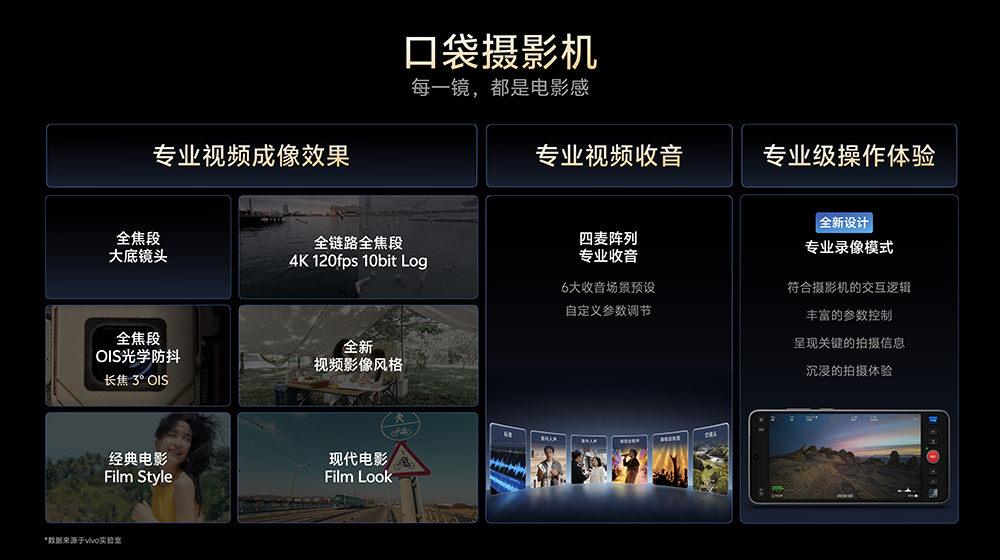
What’s more interesting is that it also has 6 built-in situational radio modes, such as human voice priority, ambient sound enhancement and other different scenarios. When using it, you only need to select the corresponding mode to automatically adjust the sound collection strategy, and you can get good results without connecting an additional microphone.
For people who are used to shooting Vlogs or short videos with their mobile phones, this one-click optimized design is actually very practical and lowers the shooting threshold.
Conclusion
Overall, the image upgrade of vivo X300 Ultra is not a single breakthrough, but the result of a comprehensive stack from the sensor, lens structure to optical accessories. Especially in the configuration of the main lens and telephoto lens, it is obvious that vivo wants to challenge the higher-end photography market.
For ordinary users, such specifications may be a bit excessive, but for serious photographers or image creators, this “close to professional equipment” experience will indeed bring more creative space.
It remains to be seen whether mobile phones can really gradually replace part of the camera market in the future, but the X300 Ultra has obviously taken a big step in this direction.
Further reading:
Source: KOCPC Chinese