


whenaction cameraIt is no longer just used to record sports, but begins to challenge the professional imaging market, and the entire product positioning will become completely different. GoPro The new Mission 1 series launched this time is obviously not just a minor upgrade, but a comprehensive renovation from core specifications to usage scenarios.
Not only did it introduce large-size photosensitive elements that were rarely seen in the past, it also greatly enhanced its video recording specifications and professional post-production capabilities, and even made major breakthroughs in the lens system. These changes not only make people curious about its actual performance, but also give new space for imagination to the entire action camera market.
▲Picture source:GoPro
GoPro Mission 1 series cameras are released, equipped with a 1-inch sensor, not only 8K but also interchangeable lenses!
GoPro officially released its new flagship product line Mission 1 series of sports yesterday (14th) eveningcamera, the direction this time is very clear, which is to break away from the traditional action camera framework and directly attack the higher-end imaging market.
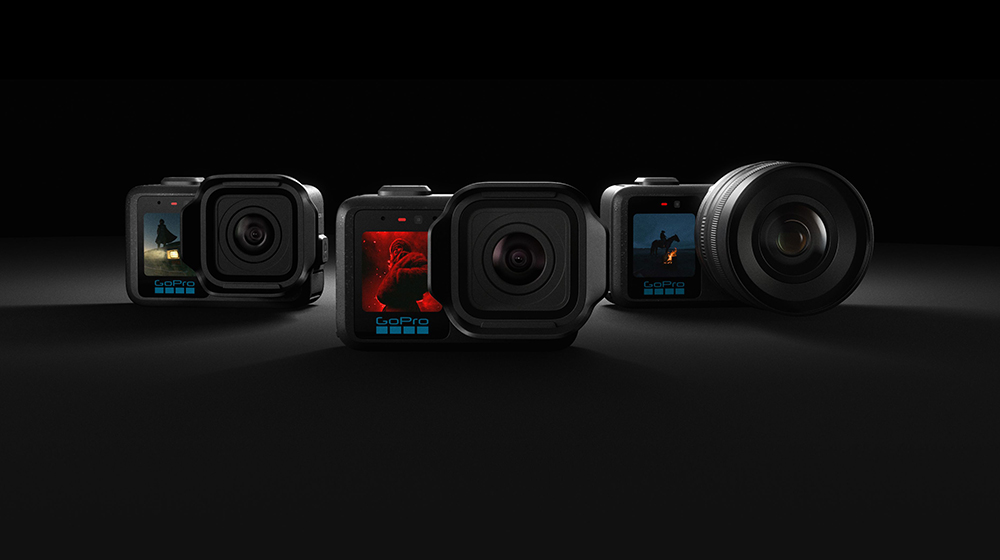
The entire series launches three models at once, including Mission 1, Mission 1 Pro, and the most talked about Mission 1 Pro ILS. The level differences can be seen from the naming, but the three models actually share key upgrades in core hardware.
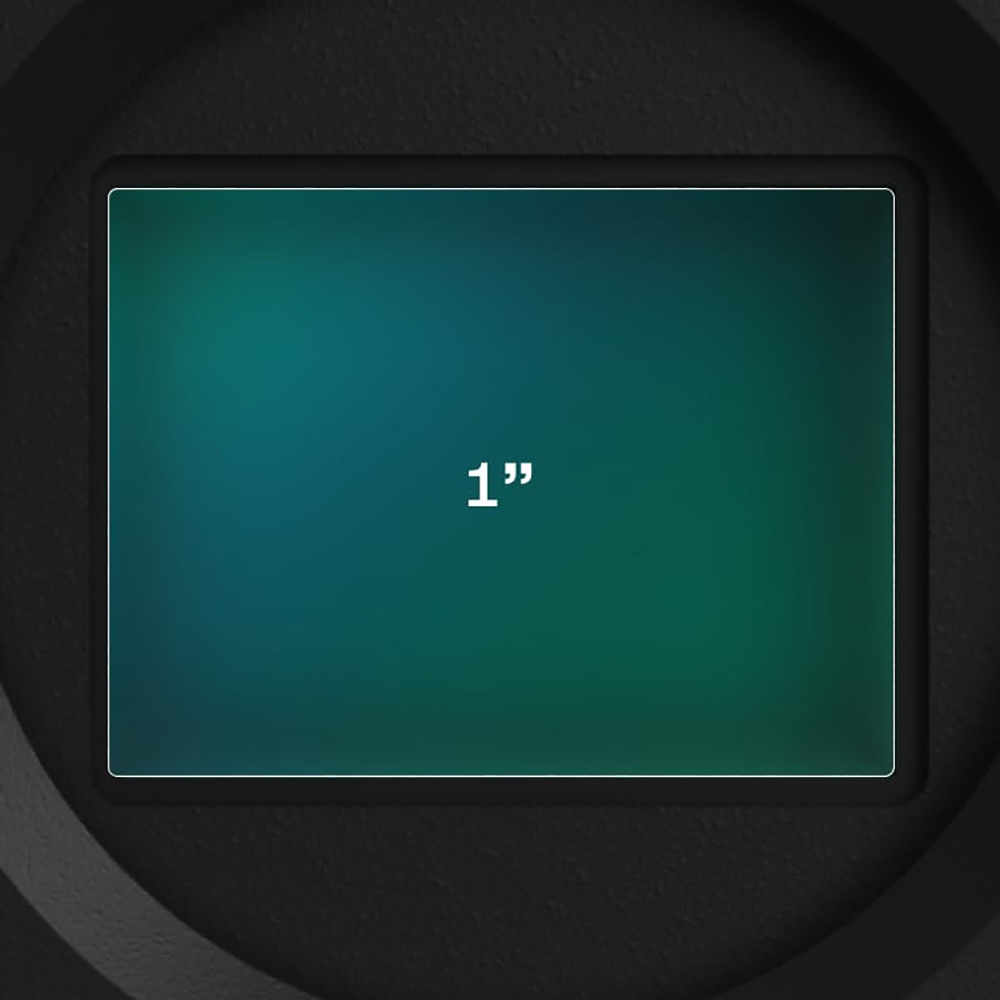
The most critical change is the full introduction of 1-inch, 50-megapixel photosensitive elements, which is a very big shift for GoPro. In the past, most such products emphasized lightness and durability, and their pursuit of the ultimate in image quality was relatively conservative, but this time they directly make up for their weaknesses.

▲Picture source:GoPro
1-inch outsole + GP3 processor: image quality directly upgraded
This new photosensitive element has a pixel size of 1.6μm at full resolution. When switching to 4K mode, through four-pixel integration technology, the equivalent pixel can reach 3.2μm. What does this configuration mean? To put it simply, the amount of light entering is greatly increased, and low-light shooting is no longer the weakness of action cameras.

▲Picture source:GoPro
Official data shows that this imaging system has a maximum dynamic range of 14 stops. Whether it is a high-contrast scene or a night shot, it can retain more details. Dark parts are no longer black, and bright parts are not easily overexposed.
Equipped with the new GP3 processor, using a 5nm process, it not only improves performance, but also improves battery life and heating issues. This chip also integrates AI computing capabilities to optimize image processing, especially in low-light environments.
▲Picture source:GoPro
Full range of video recording specifications: directly challenging professional cameras
In terms of recording capabilities, the Mission 1 series is almost fully equipped this time. The high-end Mission 1 Pro and Pro ILS support 8K 60fps, 4K 240fps, and even 1080p 960fps super slow motion. This level of specifications used to only appear on professional equipment that cost several times more.
The standard version of Mission 1 is slightly more restrained, but still provides 8K 30fps, 4K 120fps, and 1080p 480fps, which is enough for most creators. Another important point is that it supports 10-bit HLG HDR and GP-Log2, which means that the video has more space for post-production and color correction. It is no longer just used directly after shooting, but can enter the professional production process.
▲Picture source:GoPro
The biggest highlight: Mission 1 Pro ILS interchangeable lens design
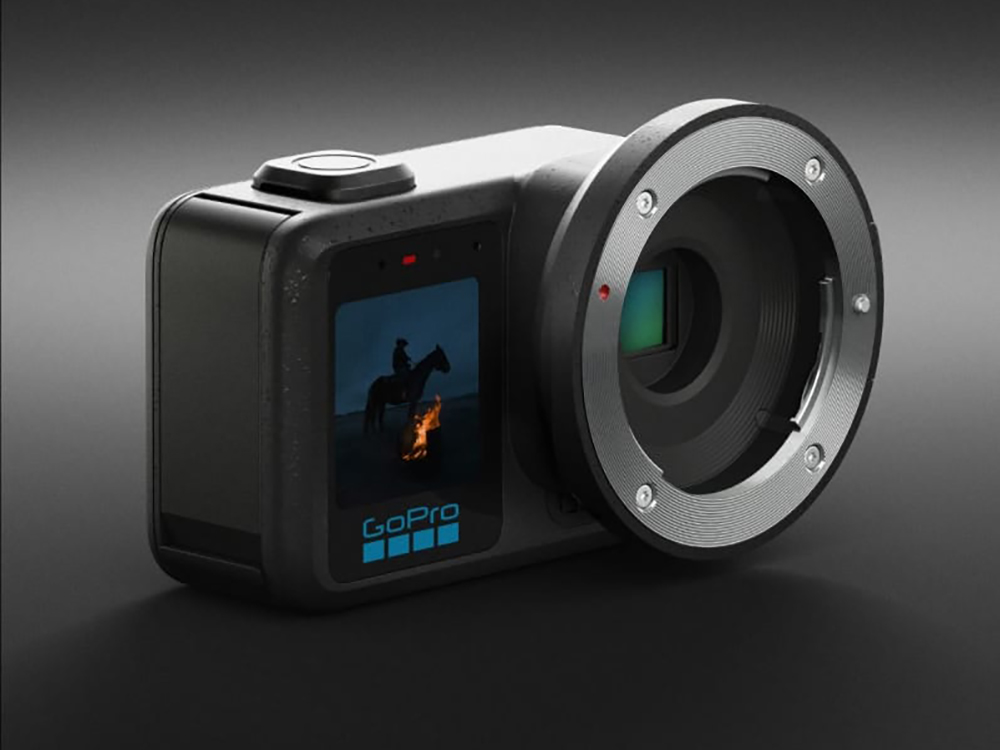
The most surprising thing this time is actually the Mission 1 Pro ILS. It is one of the rare action cameras currently designed with interchangeable lenses and supports Micro Four Thirds system lenses, commonly known as M4/3. This means you can directly use Panasonic or OM System lenses, ranging from wide-angle, telephoto to macro.
Of course, with a large lens installed, this camera is not suitable for hanging directly on a helmet or body, but if it is used as an in-car camera, a racing perspective, or even as a lightweight movie camera, the flexibility will be greatly improved. For image creators, this almost pulls GoPro from a tool device directly into the realm of creative equipment.
▲Picture source:GoPro
Simultaneous upgrade of operating experience: better to use and more intuitive
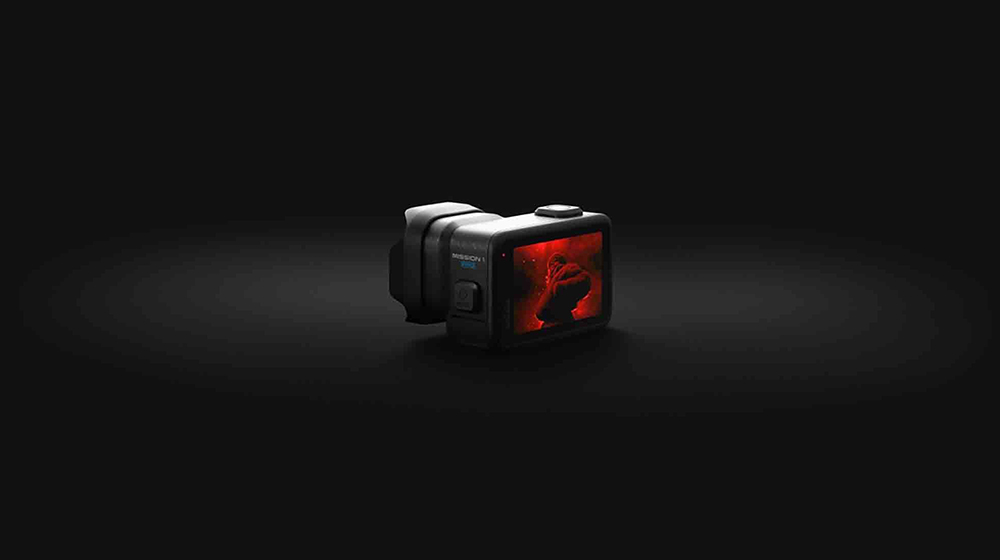
In addition to core specifications, GoPro has also made a lot of optimizations for user experience. For example, the new 159-degree ultra-wide-angle field of view, combined with the redesigned lens structure, can bring a more immersive picture effect.
The back screen is changed to a larger OLED panel, which is 14% higher than the previous generation and has a clearer display. The operation buttons are also deliberately made larger to be more friendly to users wearing gloves, which is very practical for outdoor players.
▲Picture source:GoPro
Overheating and battery life issues: really improved this time
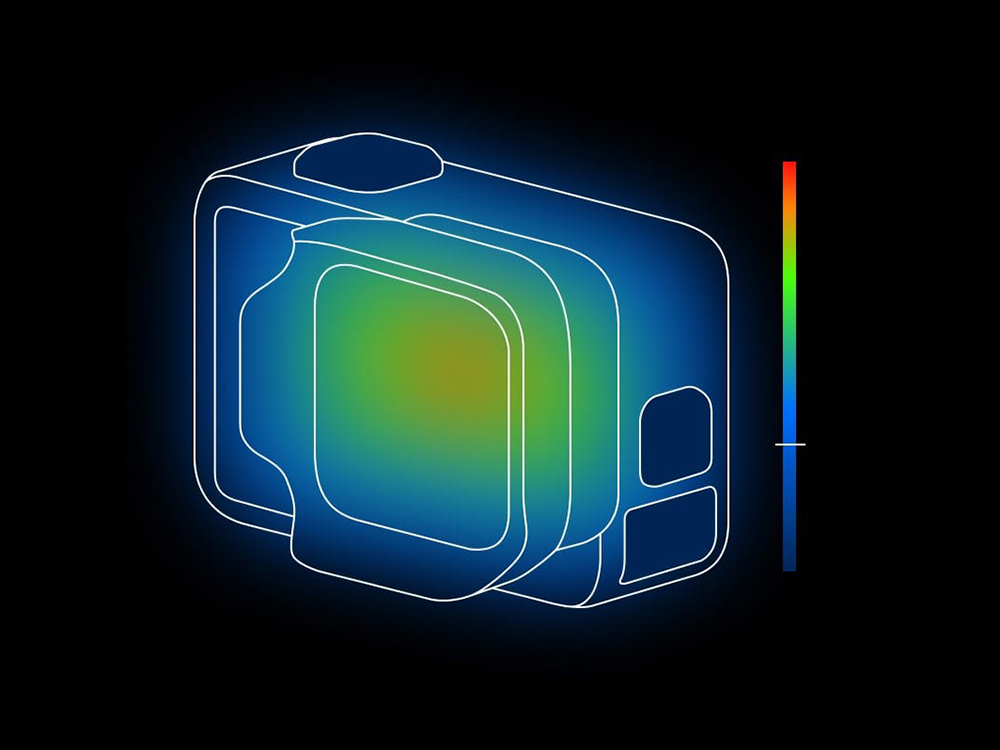
The two most common complaints about GoPro in the past were heat and power. This time, a new Enduro 2 battery is introduced, which can record more than 3 hours in 4K 30fps mode. What’s more critical is the heat dissipation performance.
Officials say that 8K 60fps can last for 37 minutes of recording even in an environment without airflow, and can even reach 74 minutes in an environment with windflow, such as while riding a bicycle. This is a very practical improvement for long-term shooting.
▲Picture source:GoPro
The radio and accessory systems have also been upgraded simultaneously.
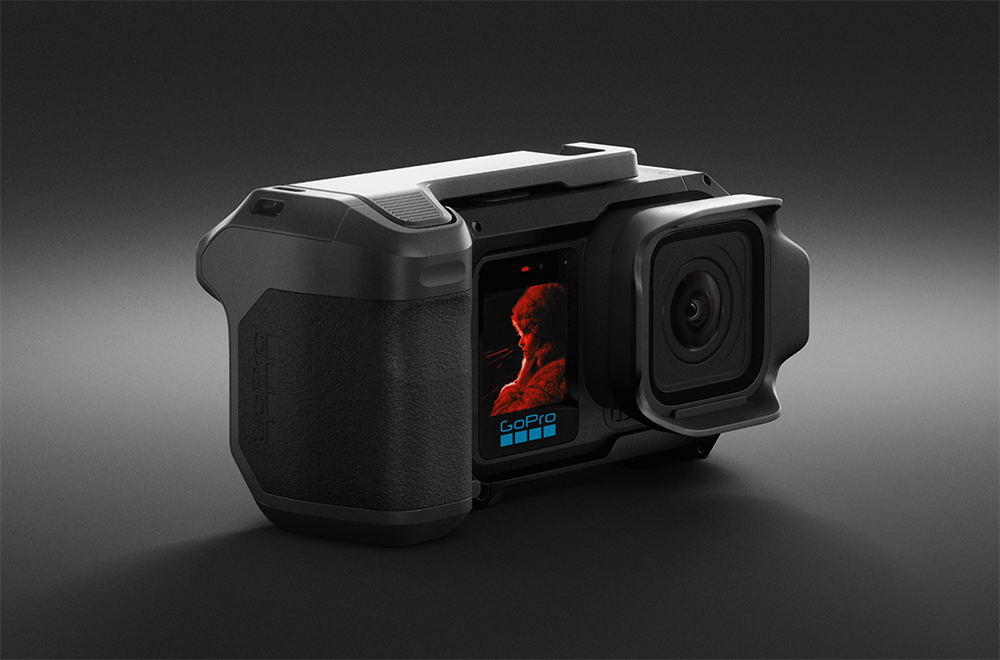
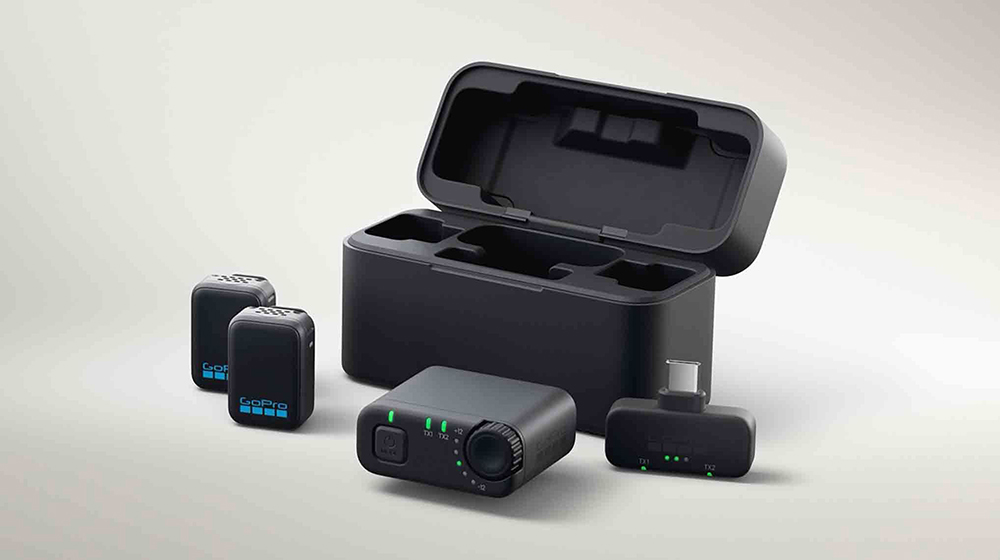
For the audio part, there is a built-in four-microphone system that supports 32-bit floating-point recording, which can avoid the problem of popping sounds. At the same time, a new wireless microphone system is also launched, which supports 150 meters of transmission distance, provides 24-bit/48kHz sound quality, and has a charging box design, making the overall experience closer to professional recording equipment. There are also Media Mods, ND filters, battery grips and other accessories to make the entire system more complete.
▲Picture source:GoPro
Conclusion
The emergence of the Mission 1 series is actually not just a product update, but a redefinition of GoPro’s future direction. Judging from the specifications, it has indeed made up for the weaknesses that have been criticized for a long time in the past, while also trying to enter a more professional market.
The interchangeable-lens Mission 1 Pro ILS, in particular, may not be suitable for everyone, but it opens up a whole new possibility. For creators, this design that combines a lightweight body with a high-degree-of-freedom lens system will indeed make people start to rethink GoPro’s positioning.
Next, let’s look at the actual performance after listing and whether it can really shake up the existing market. But what is certain is that this time GoPro is no longer just the action camera you remember.
Further reading:
Source: KOCPC Chinese