


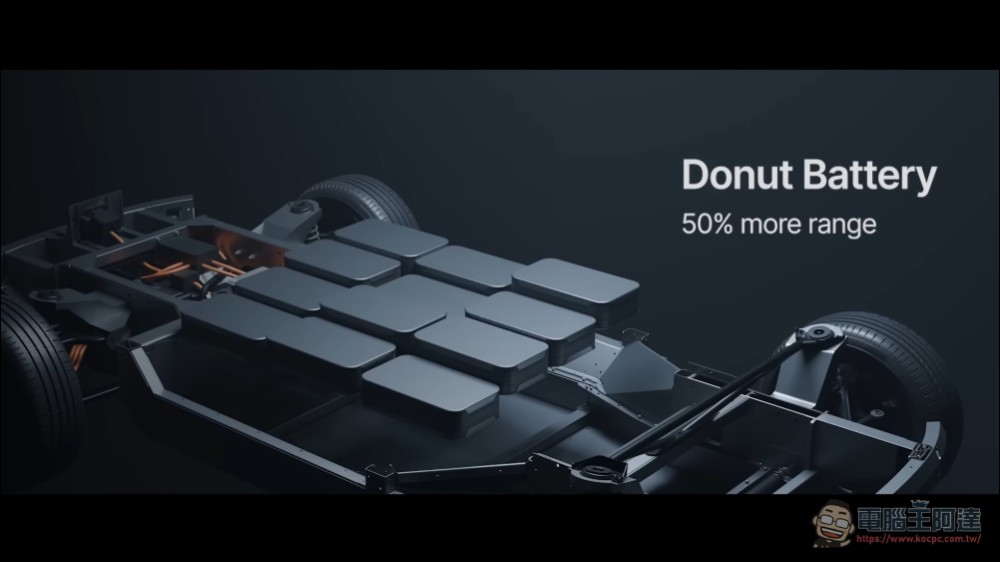
At the 2026 International Consumer Electronics Show (CES 2026), Finnish tech company Donut Lab announced a major development on January 5 that sent shockwaves through the electric vehicle industry: The world’s first mass-producible all-solid-state battery, the “Donut Battery,” has officially debuted and has already been installed in Verge Motorcycles’ 2026 model-year electric motorcycles, with customer deliveries expected to begin in the first quarter of 2026. If the company is not exaggerating, Donut Lab will become the first company in the world to bring all-solid-state battery technology from the laboratory to the market, ahead of international automotive giants such as Tesla, Toyota, and Volkswagen.
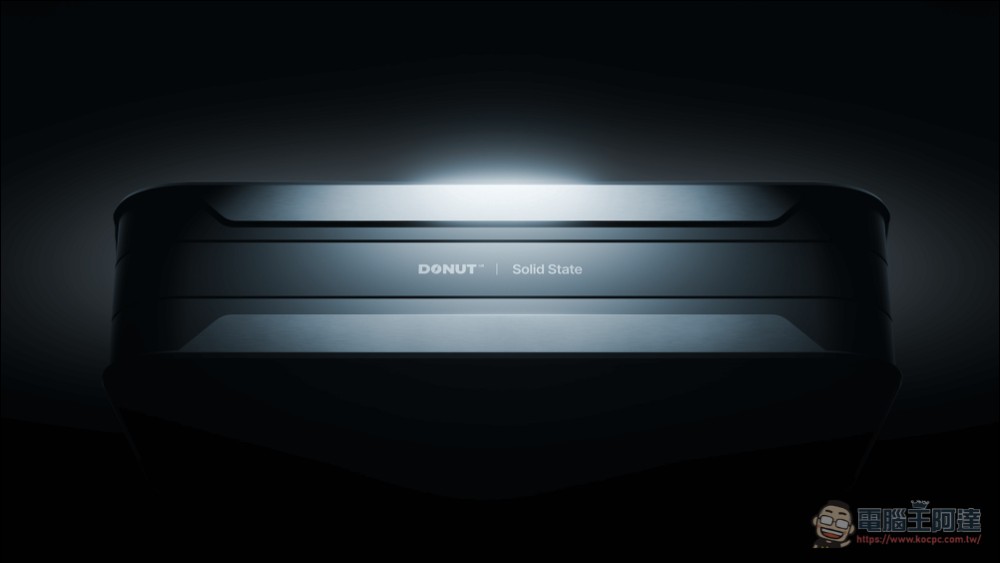
Finnish startup Donut Lab unveiled its first commercial all-solid-state battery at CES 2026
All-solid-state battery technology has long been regarded as the “Holy Grail” of the electric vehicle industry. Compared to the lithium-ion batteries currently in widespread use, all-solid-state batteries replace liquid or gel electrolytes with solid electrolytes, which theoretically can achieve higher energy density, faster charging speeds, and superior safety. However, despite years of claims of technological breakthroughs by major automakers and battery manufacturers, the actual mass production timeline has been repeatedly pushed back, making all-solid-state batteries a future technology that is “always five years away.”
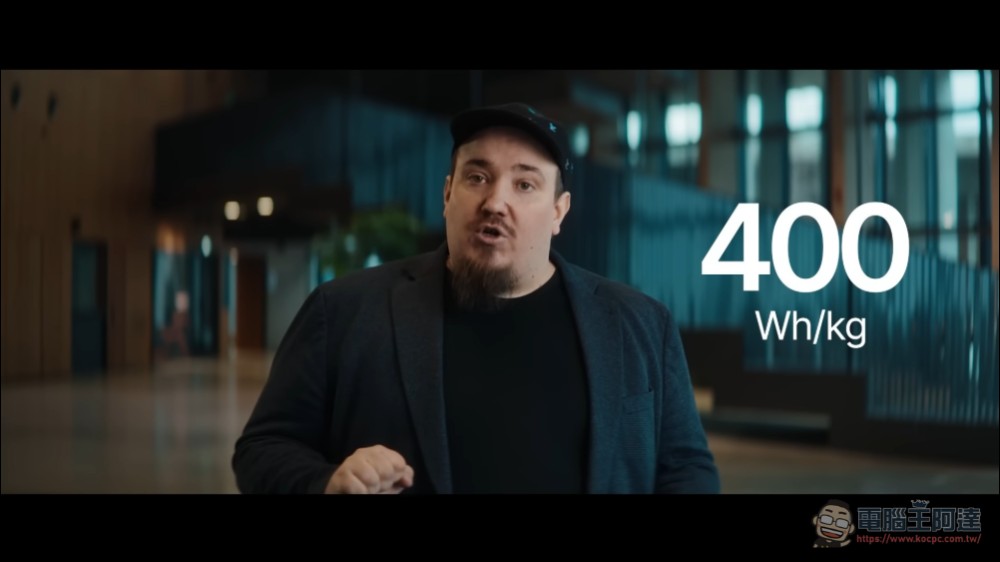
Marko Lehtimäki, CEO of Donut Lab, admitted at the press conference: “Although the advantages of all-solid-state batteries are obvious, whenever the industry is asked when they will be commercially available, the answer is always a timeline that keeps getting pushed back. Donut Lab’s answer to when all-solid-state batteries will be used in OEM mass-produced vehicles is: now—today—not sometime in the future.”
According to information released by Donut Lab, the company deliberately waited until the technology had been fully tested, validated, and actually installed in vehicles before making the announcement. Lehtimäki said, “When we first unveiled the Donut Motor at CES last year, many people didn’t believe it was possible until they saw the technology in action on the road and setting world performance records. Now, the same is true for our all-solid-state Donut Battery. As of today, these batteries are a reality—they’ve been installed in production vehicles and represent the future of electric transportation.”
Breakthrough Performance Specifications: 5-Minute Charge, 600-Kilometer Range
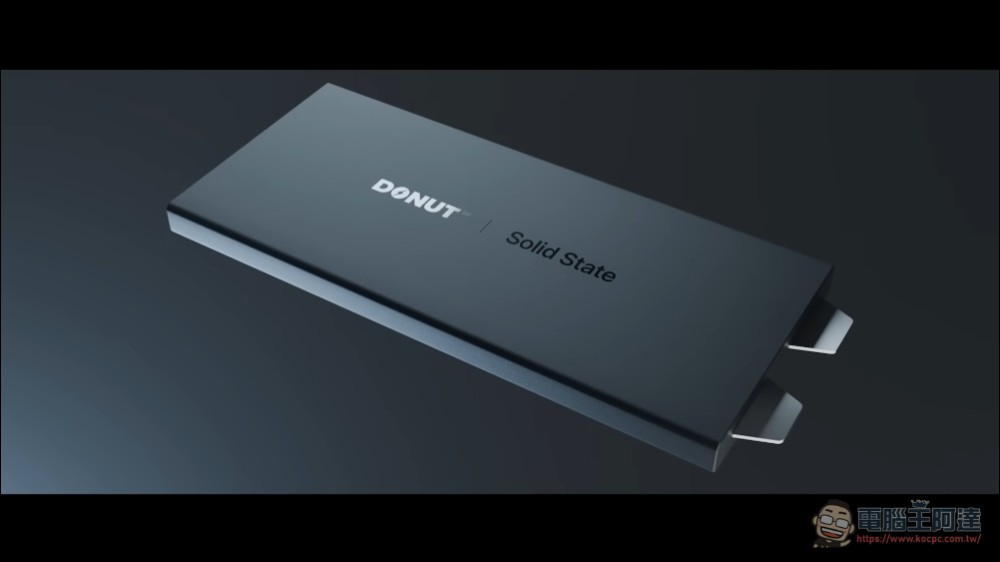
Donut Battery’s technical specifications are indeed impressive. According to official data, this all-solid-state battery has the following key features:
Energy density of 400 Wh/kg: Compared to the 250–300 Wh/kg of current mainstream lithium-ion batteries, the Donut Battery offers an energy density increase of approximately 30–60%. This means it can store more energy for the same weight, or significantly reduce the battery’s weight for the same capacity.
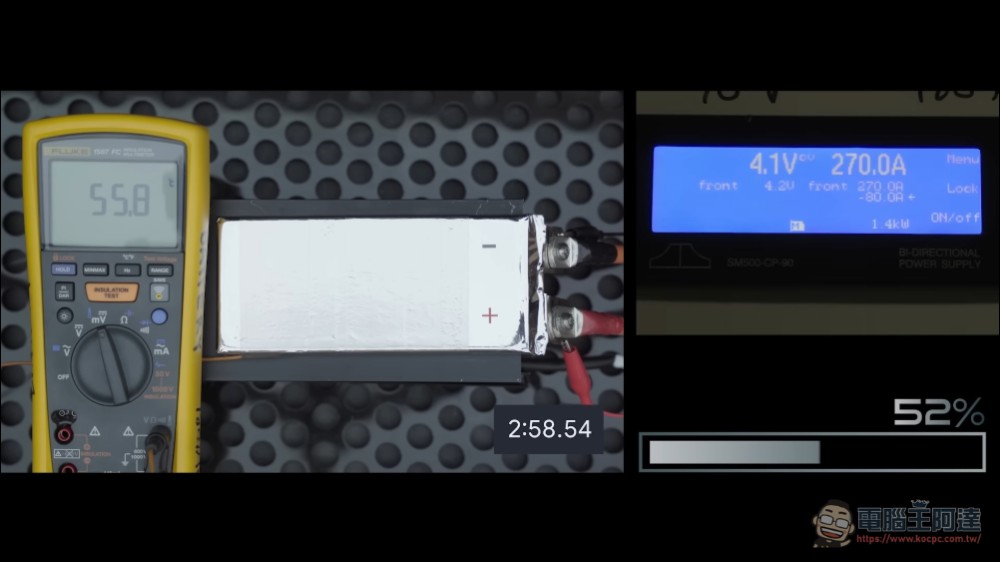
Fully charged in five minutes: This technology represents a revolutionary breakthrough. Traditional lithium-ion batteries are limited by thermal management issues, so fast charging is typically restricted to 80% to prevent battery life degradation. However, the Donut Battery can be fully charged to 100% in five minutes—a charging speed comparable to the time it takes to fill up a gas tank at a gas station.
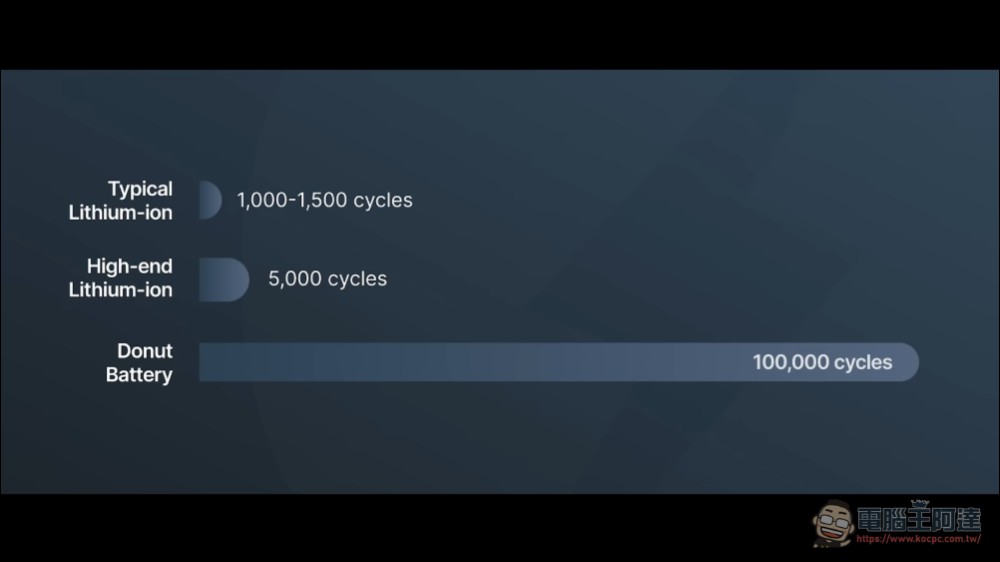
Designed for a service life of up to 100,000 charge-discharge cycles: Compared to the cycle life of conventional lithium-ion batteries, which is approximately 1,000–2,000 cycles, the Donut Battery’s cycle life is tens of times longer. Assuming two charges per week, this battery could theoretically last nearly a thousand years without significant degradation. Officials emphasize that the battery experiences minimal capacity degradation throughout its entire lifecycle, offering a practical lifespan far exceeding that of existing technologies.
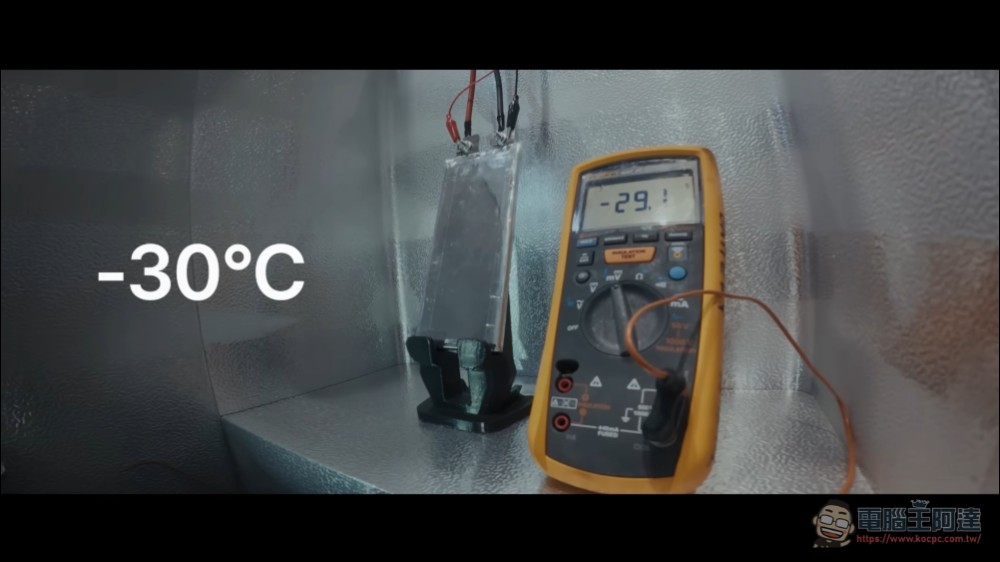
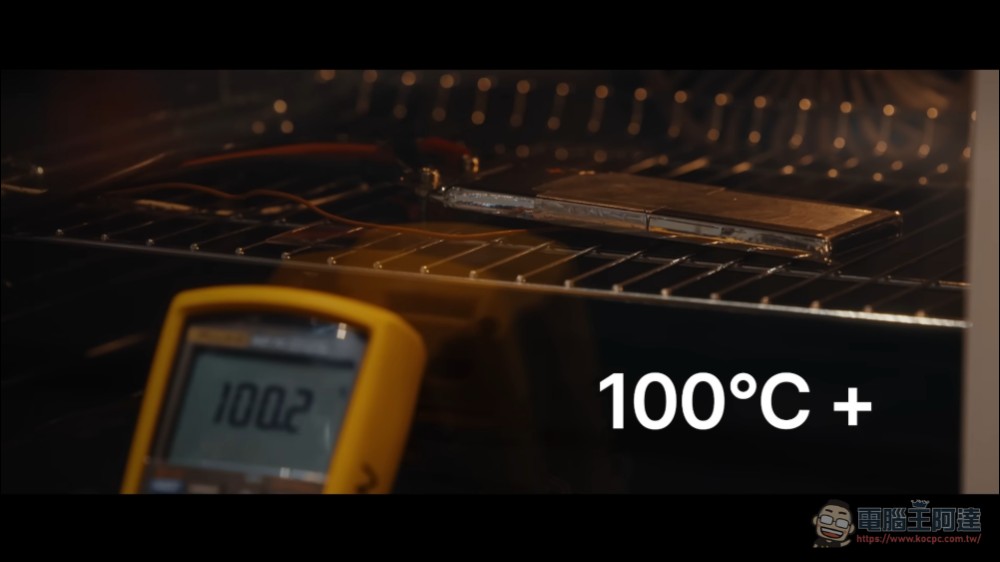
Performance at Extreme Temperatures: Even in extremely cold environments of minus 30 degrees Celsius, the battery retains more than 99% of its capacity; even when heated to temperatures exceeding 100 degrees Celsius, the battery still retains more than 99% of its capacity, with no signs of fire or performance degradation. This temperature adaptability is crucial for electric vehicles used in regions with extreme climates.
Intrinsically Safe Design: Because it uses a solid-state electrolyte, the Donut Battery contains no flammable liquid electrolyte, does not undergo thermal runaway chain reactions, and does not form metal dendrites. These design features fundamentally eliminate the primary causes of battery fires, making it far safer than traditional lithium-ion batteries.
Using a wide variety of materials from around the world: The battery is made entirely from abundant, affordable materials with low geopolitical risk; it does not rely on rare or sensitive elements, and its manufacturing costs are lower than those of lithium-ion batteries. This characteristic not only helps reduce the cost of electric vehicles but also mitigates geopolitical risks in the supply chain.

Design Flexibility: Donut Batteries can be manufactured in custom sizes, voltages, and geometries, enabling structural integration and non-traditional configurations—such as being incorporated into a drone’s airframe or a vehicle’s chassis. This flexibility offers product designers unprecedented freedom.
First Application: Verge TS Pro Electric Motorcycle
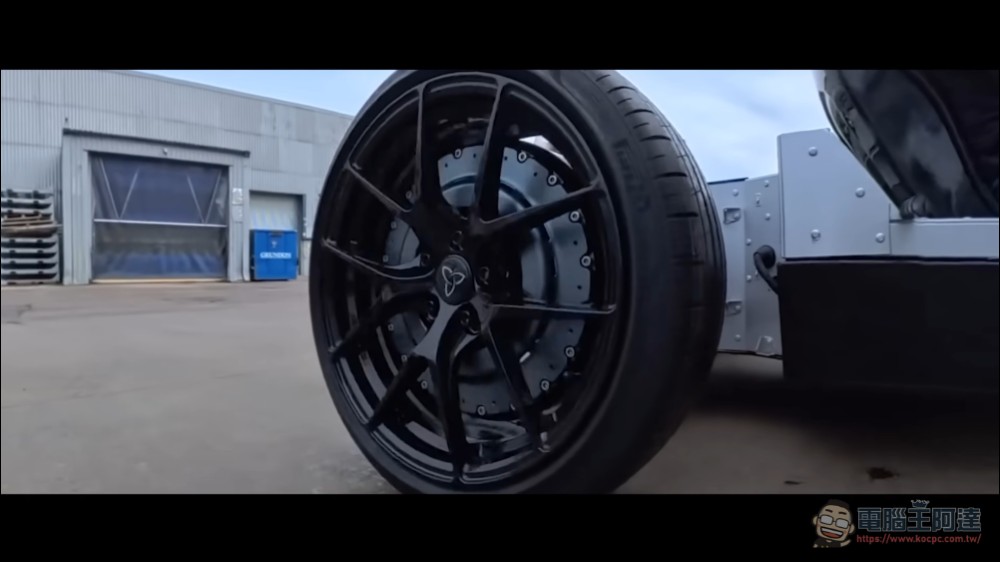
Verge Motorcycles’ TS Pro electric motorcycle has become the world’s first mass-produced vehicle equipped with an all-solid-state battery. Already renowned for its futuristic spoke-less wheel design, the motorcycle has now achieved a major leap in performance thanks to the Donut Battery.

According to the specifications published on Verge Motorcycles’ official website, the TS Pro, equipped with an all-solid-state battery, offers the following performance characteristics:
- Range: The long-range version offers a range of up to 600 kilometers (about 370 miles) on a single charge, which is nearly double that of the previous standard version.
- Fast Charging: Can add 300 kilometers (about 186 miles) of range in 10 minutes, with a maximum charging power of 200 kW
- Powertrain Performance: Delivers 1,000 Newton-meters of torque and accelerates from 0 to 100 kilometers per hour in just 3.5 seconds
- Lightweight: The updated version of the Donut rimless motor is 50% lighter while maintaining the same power output
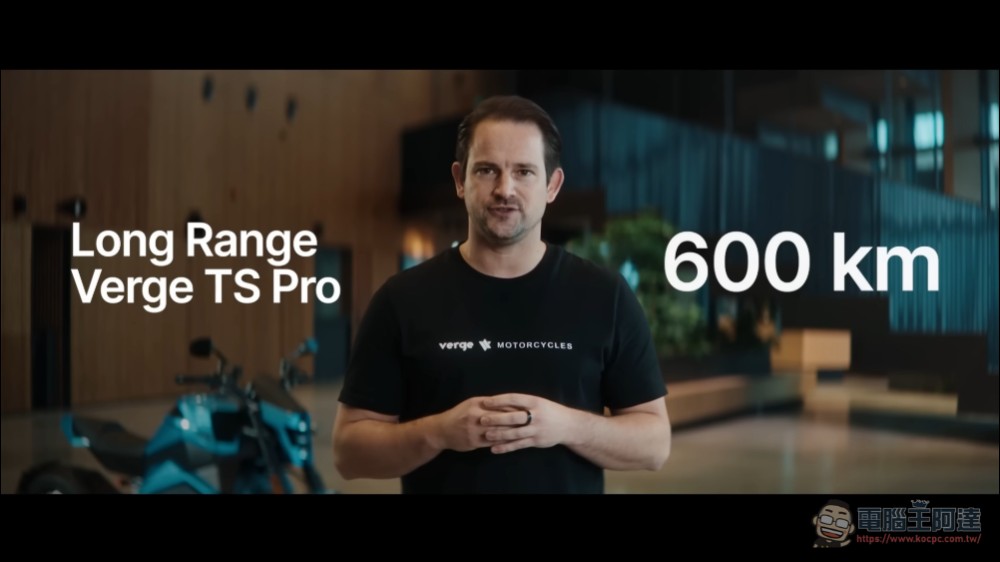
Even more surprising is the price. Despite incorporating advanced all-solid-state technology, the Verge TS Pro is priced at $29,900 (approximately NT$970,000), with the price not rising significantly due to the new technology. Both Donut Lab and Verge Motorcycles emphasize that the manufacturing cost of all-solid-state batteries is actually lower than that of traditional lithium-ion batteries, making the commercialization of this technology more feasible.
Diverse Applications: From Motorcycles to Heavy-Duty Transportation
In addition to Verge Motorcycles, Donut Lab also showcased use cases with multiple partners at CES 2026, demonstrating the broad applicability of Donut Battery technology:

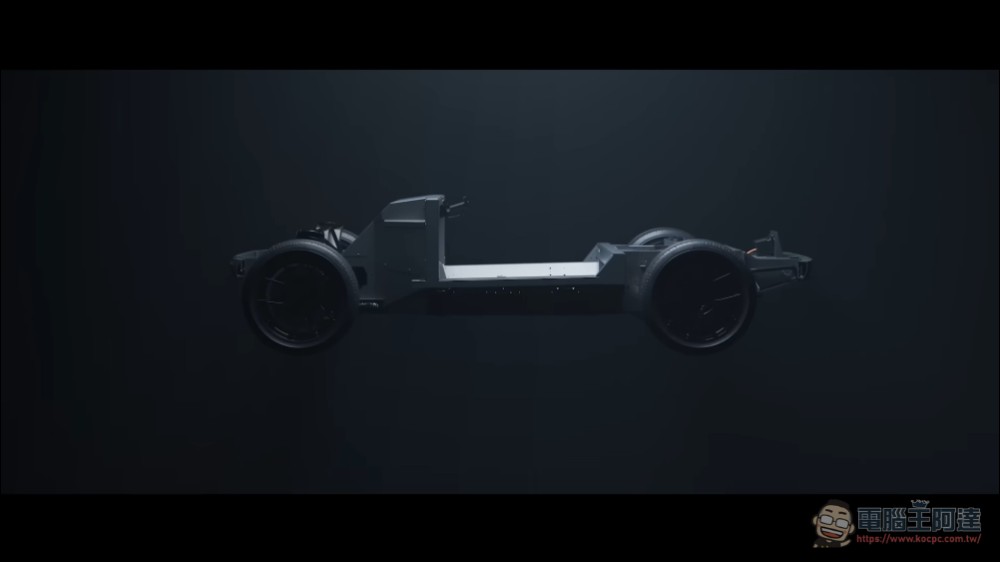
WATT Electric Vehicles Electric Vehicle Platform: WATT has partnered with Donut Lab to develop an ultra-lightweight, modular electric vehicle platform that combines Donut Motor’s motor technology with Donut Battery’s battery technology. The platform features an aluminum alloy skateboard-style chassis architecture that fully integrates the motor, inverter, software, and battery, and its modular design supports a variety of vehicle models. A functional prototype made its debut at CES 2026.
Cova Power Smart Trailer: This is a joint venture between Ahola Group and Donut Lab to produce mass-market smart trailers equipped with Donut hub motors, Donut batteries, and Donut Platform software. These trailers can reduce diesel consumption by up to 54% and total energy consumption by up to 30%, while also improving traction, stability, and safety under demanding conditions.

ESOX Group Defense Applications: Through its partnership with ESOX Group, Donut Battery has been deployed on defense-grade platforms, where safety, reliability, and performance under extreme conditions are non-negotiable requirements. Projects currently under development include four-wheeled tactical off-road vehicles and next-generation unmanned aerial vehicle platforms, demonstrating the battery’s versatility and ruggedness across a wide range of applications.
Ville Piippo, CTO of Donut Lab, said, “We are now ready to bring truly exceptional technology to the electric mobility market: our battery technology can be used in all types of vehicles, from motorcycles and passenger cars to trucks, robots, and even stationary energy storage systems.”

In addition to the transportation sector, Donut Lab also emphasizes that, thanks to the Donut Battery’s uncompromising performance, virtually unlimited cycle life, and lower cost compared to lithium-ion batteries, the technology can also unlock next-generation applications, including data center energy storage, grid balancing, and flexible charging infrastructure.
If you’re interested, you can also watch the video of their presentation, which explains it very clearly:
Industry Implications: A Small Startup Defeats a Major International Company
Donut Lab has successfully brought all-solid-state batteries into mass production, a development that will have a profound impact on the entire electric vehicle industry. Over the past decade, major international automakers such as Toyota, Volkswagen, General Motors, and Ford, as well as specialized battery startups like QuantumScape and Solid Power, have invested heavily in the research and development of all-solid-state battery technology, but the timeline for commercialization has been repeatedly delayed.
As recently as September 2025, QuantumScape and German battery manufacturer PowerCo jointly unveiled a Ducati demonstration motorcycle equipped with an all-solid-state battery, which was viewed at the time as a major milestone for solid-state battery technology. However, the demonstration vehicle is still in the prototype stage and remains some distance from actual mass production. In contrast, Donut Lab—a relatively small Finnish startup—has managed to achieve mass production ahead of the curve, which, to be honest, is quite remarkable (Editor’s Note: Personally, I think it still depends on whether they can actually achieve mass production and delivery in the future—after all, this industry is full of scammers and people who make empty promises.)。

Conclusion: The Critical Moment from Promise to Delivery
The Verge TS Pro is expected to begin shipping to customers in the first quarter of 2026, which will be a pivotal moment for validating Donut Lab’s all-solid-state battery technology. If these motorcycles are successfully delivered and demonstrate outstanding performance in real-world use, Donut Lab will mark a significant milestone in the history of the electric vehicle industry: not only will it prove that all-solid-state battery technology can be commercialized, but it will also demonstrate that a small startup can surpass major international manufacturers in technological innovation—and that the use of solid-state batteries in electric vehicles is no longer “always five years away.” However, whether this is a genuine technological breakthrough or yet another scam, we will likely find out soon enough.
Source: KOCPC Chinese