


Following a surge in memory prices on the global components market driven by OpenAI’s data center expansion plans, many gamers have begun to worry that game consoles might also see a wave of price hikes. However, according to an official statement from Nintendo, the Nintendo Switch 2 does not appear to be affected in the near term, though the company is still closely monitoring market trends.
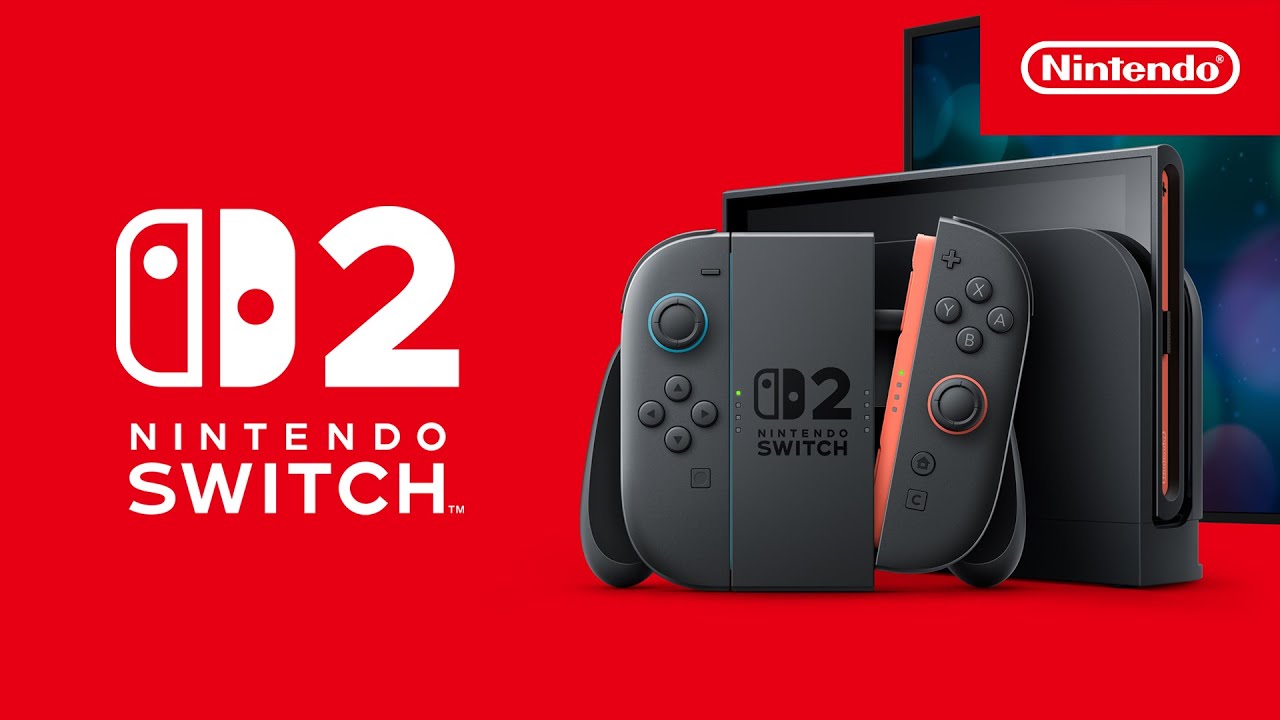
In a recent interview with the Kyoto Shimbun website, Nintendo President Shuntaro Furukawa acknowledged that the current memory market is indeed “quite volatile,” but noted that this will not have a direct impact on Nintendo’s overall earnings for the time being. As a result, the Nintendo Switch 2 console will remain at its current price for now.
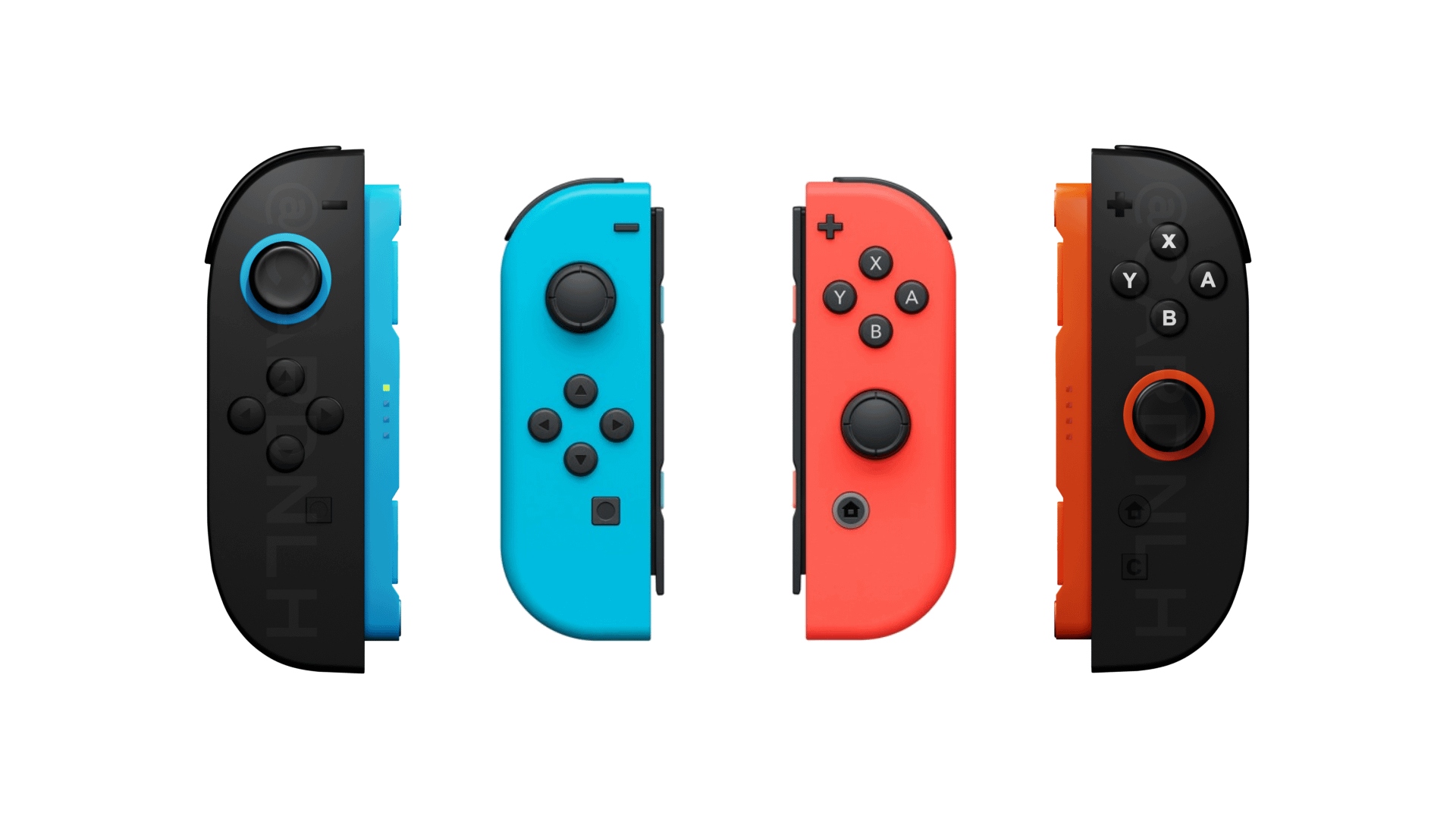
Prior to this, many players were concerned that Nintendo might adjust the price of the Switch 2 in response to rising memory costs; however, thanks to Nintendo’s supply chain strategy, the console appears to have successfully avoided this situation for now.
According to Furukawa’s explanation, Nintendo procures parts and materials for its consoles based on medium- to long-term forecasts; as a result, the company has long maintained sufficient memory inventory to weather the ongoing shortage. However, the executive remained cautious, noting that the situation could still change in the future, and emphasized that, given the current high volatility in the memory market, they will continue to closely monitor market trends.
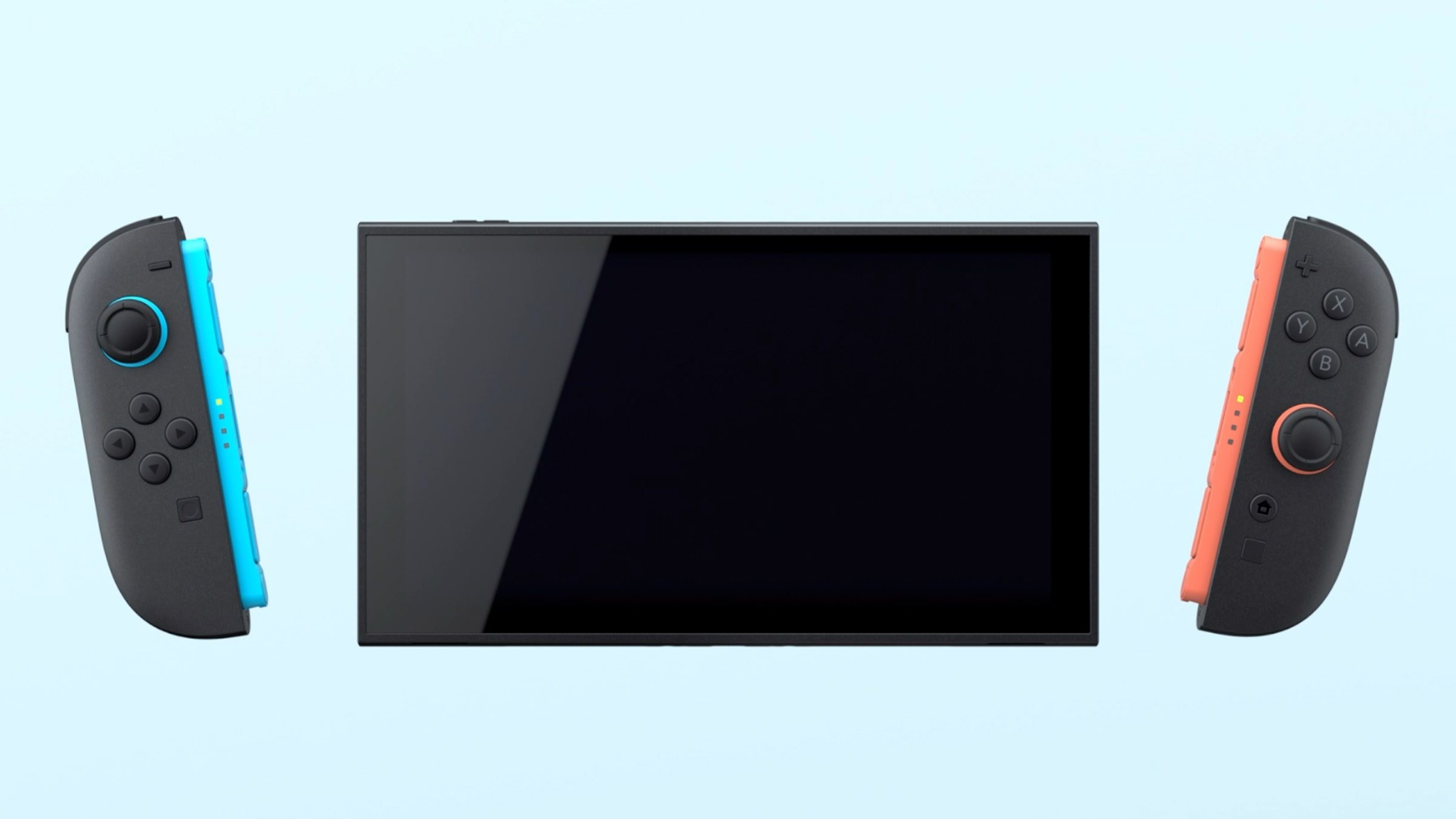
Although he didn’t say so explicitly, if the global memory shortage persists until Nintendo’s current inventory runs out, a price increase for the Nintendo Switch 2 seems inevitable. After all, in the fall of 2025, Nintendo raised the price of the original Switch console, citing “changes in market conditions.”
For consumers who haven’t yet purchased a Switch 2 but intend to do so, the current outlook isn’t particularly optimistic. Even if prices don’t rise in the short term, this memory crisis appears set to continue for some time, increasing the risk that Nintendo’s component inventory will gradually run out.
During its most recent earnings call, Micron Technology stated that it expects the memory supply shortage to persist into 2026 or beyond, as it will take some time for production capacity to catch up with surging demand. If the market remains under such intense pressure for an extended period, Nintendo may be forced to adjust its strategy and raise the price of the Switch 2 to offset higher manufacturing costs, even though the company hopes to avoid such an outcome as much as possible in the short term.
However, it is worth noting that memory-related costs may not be the only factor that could affect the price of the Nintendo Switch 2. According to Furukawa, Nintendo is still assessing how U.S. tariffs will impact costs.
Source: KOCPC Chinese