


Japanese tech giant Sony dropped a bombshell on January 20, announcing that it had signed a memorandum of understanding with Chinese consumer electronics giant TCL Electronics to spin off its “home entertainment business” (including televisions and home audio systems) and establish a joint venture with TCL. The market’s primary focus has been on the equity structure: TCL will hold a 51% stake, while Sony will hold 49%. Going forward, products will continue to be sold globally under the Sony and BRAVIA brands. However, this also means that TCL will assume effective operational control of Sony’s TV and audio businesses moving forward, and the sale of products that were once “Made in Japan” will officially shift to a new model of “brand licensing and technical cooperation”:
Sony Spins Off Its Audio-Visual Business and Forms a New Company with TCL
According to current plans, the newly established joint venture between Sony and TCL will be fully responsible for global operations, including product R&D, design, manufacturing, as well as sales, logistics, and customer service. Although operational control will shift to TCL, future products will continue to bear the “Sony” and “BRAVIA” brand names. The two parties expect to sign a formal agreement by the end of March 2026 and plan to have the new company begin operations in April 2027:
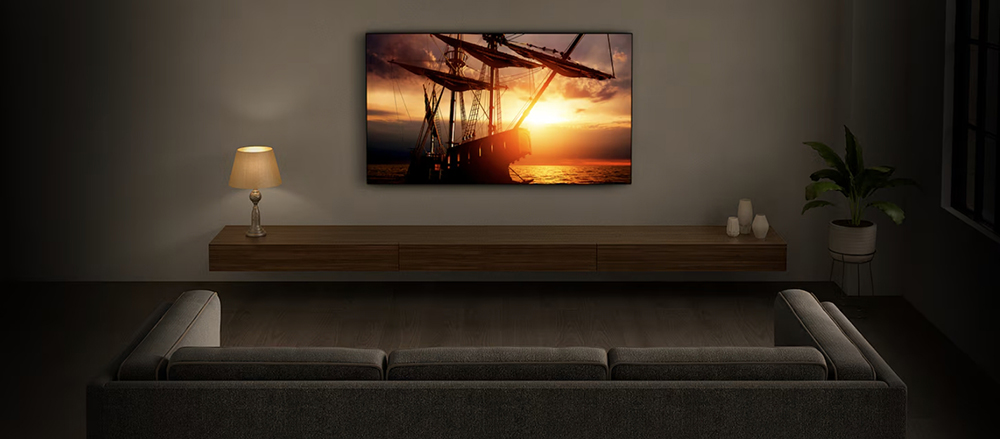
(Image source: Sony’s official website)
This decision actually reflects the harsh realities of the global home appliance market and the Sony Group’s strategic shift. Although Sony has long maintained a strong presence in the high-end TV market, it has been forced to yield to market pressures amid a price squeeze from South Korean and Chinese manufacturers in the TV hardware sector. Therefore, through this joint venture with TCL, Sony is able to shift to an asset-light model, shedding the heavy burden of hardware manufacturing and inventory, and focusing its resources more on high-value-added content and entertainment ecosystems such as gaming, music, film, and semiconductors.
For TCL, this undoubtedly secures its entry into the world’s top-tier high-end market. Combined with its strong panel production capacity and supply chain advantages, the partnership is sure to yield significant synergies.
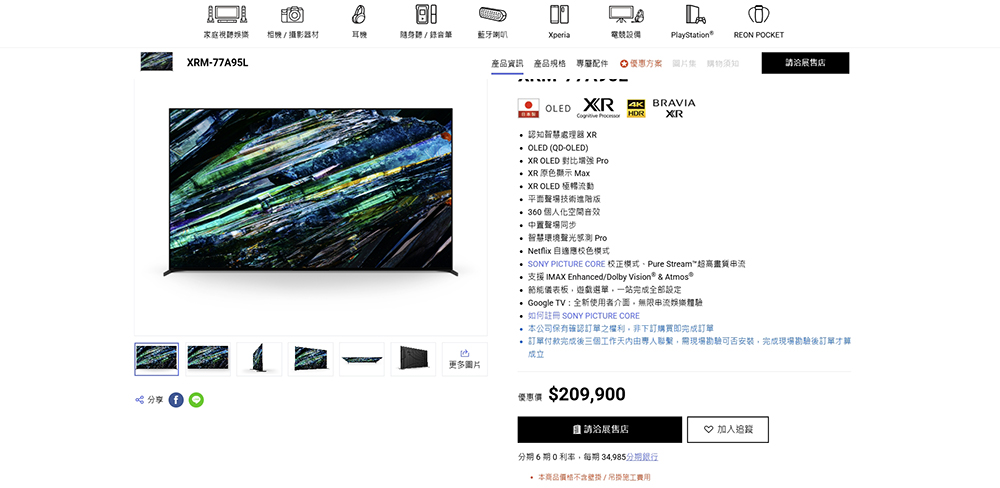
(Image source: Sony’s official website)
Looking back, Toshiba sold its TV business to China’s Hisense, Sharp was acquired by Foxconn, and Panasonic has also outsourced most of its production. Now that Sony has relinquished its leadership role, it marks the complete withdrawal of Japanese brands from the consumer electronics hardware manufacturing sector. For consumers and die-hard Sony fans, although Sony emphasizes that it will continue to provide exclusive video and audio technologies and hopes that future supply chain cost reductions will lead to more affordable products, the market will continue to closely monitor whether quality control standards and after-sales service can be maintained at the same level now that TCL has taken the lead.
As someone who grew up with Sony TVs at home, reading this news really brings back a flood of bittersweet memories—playing the NES on a Sony TV back in the day is one of my fondest memories. But with the announcement of this news, it truly marks the end of the era of Sony TVs with pure Japanese heritage:
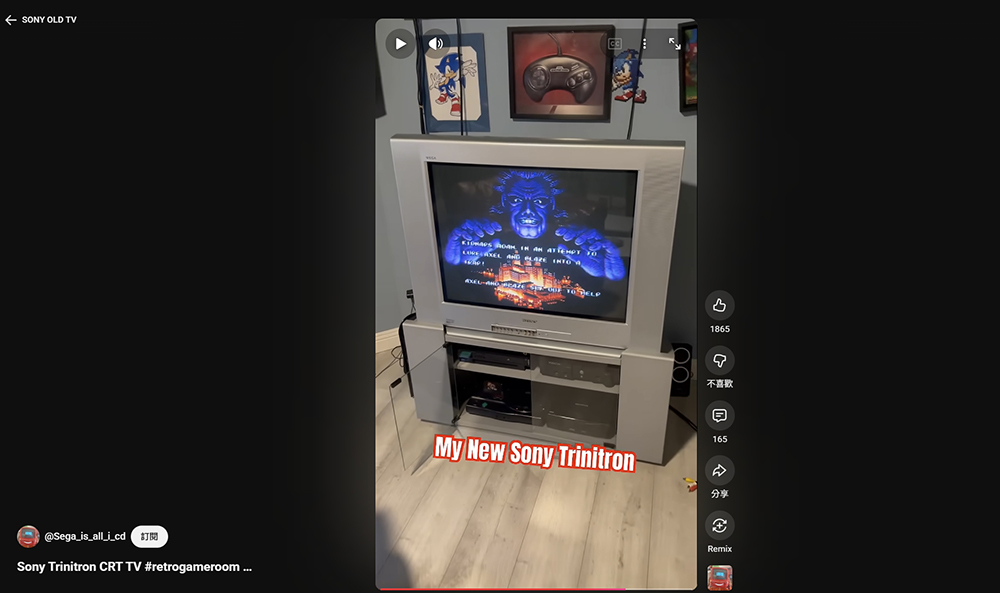
(Image source: YouTube screenshot @Sega_is_all_i_cd)
Source: KOCPC Chinese