


I use all kinds of free apps every day, and I have to say that many of these free tools are truly excellent. There’s a lot of extremely useful software available for both phones and computers that you can download completely free of charge. But “free” doesn’t mean you’re not paying any price at all. This is one of the reasons why I particularly prefer active and well-maintained open-source apps—their trade-offs are usually transparent and straightforward. In contrast, many mainstream “free” apps hide more complex conditions of use. As a user, you often pay in ways you aren’t even aware of—whether it’s your personal data, your attention, your time, or even your ability to freely switch between services. In this article, I’ll break down the three most common “hidden cost” models found in free apps and use specific examples to help you determine which trade-offs you’re willing to accept and which are worth reconsidering.
What’s the Deal with Free Apps? Discover Three Benefits Beyond Money
The main benefit of most free apps is the data they collect.
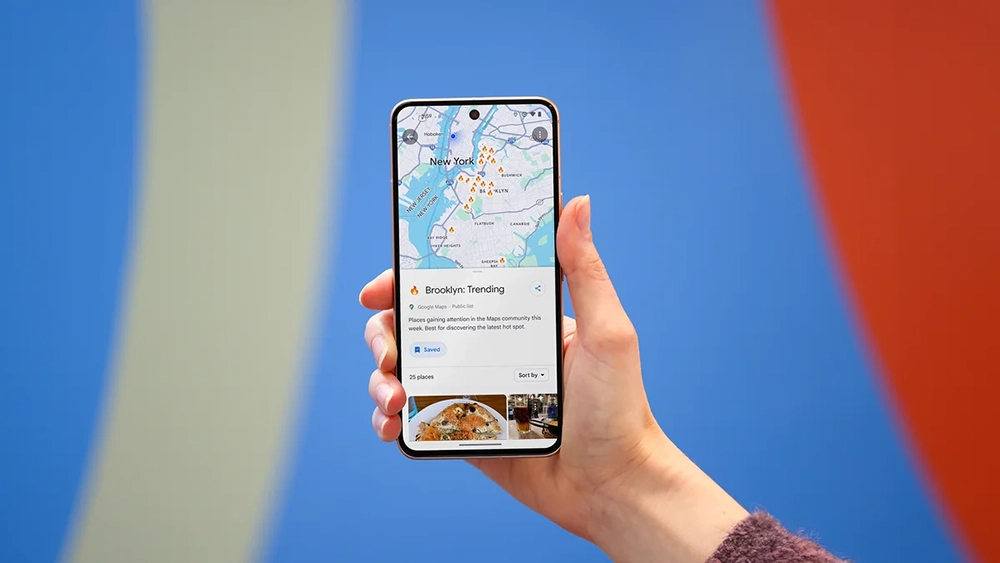
I use Google Maps almost every day—whether I’m commuting in the city, avoiding traffic jams, or taking a long trip—it’s always a staple on my phone. This navigation app excels in its field, relying on stable location data to provide real-time traffic information, smarter route planning, and more accurate estimated arrival times. From a purely user experience perspective, this data truly benefits everyone.
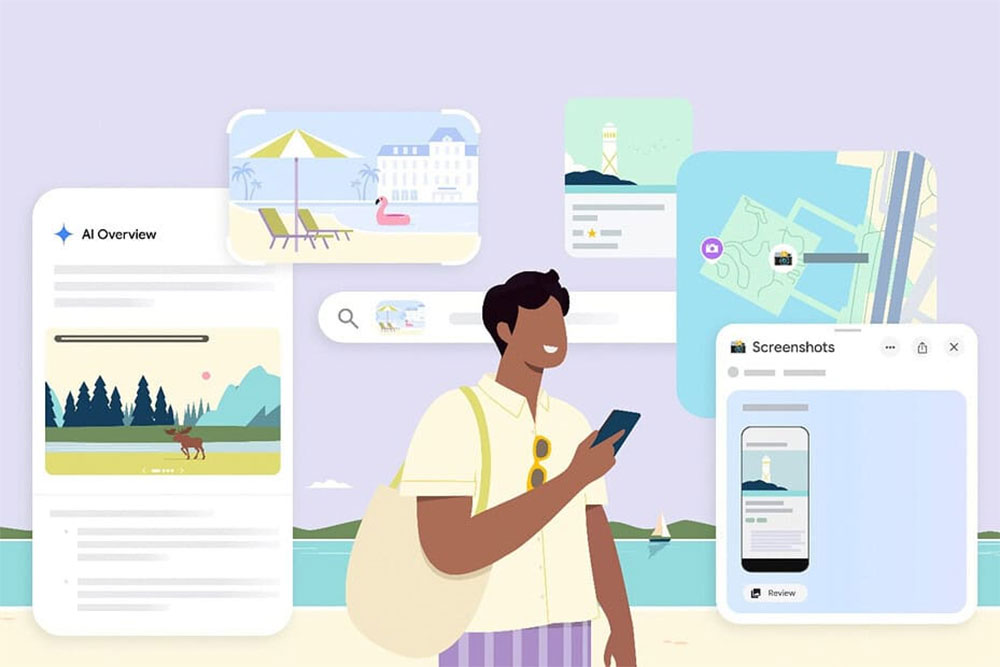
But the trade-off is that Google doesn’t just use this information to help you navigate. It can also track where you’ve been, when you went there, how often you visit, and even observe how your daily routines change over time. This data may be used to improve services, train models, or—if your settings allow it—serve you more targeted ads.
For many people, this is a reasonable price to pay for a useful tool; but for others, the realization that companies can track their movements and timeline is inevitably unsettling. This is the true cost of “free” navigation apps—you’re not paying with money, but with highly personal behavioral data.
And it’s not just map apps. Any app you grant location access to may engage in similar data collection practices. Social media platforms like Facebook, weather apps, retail apps, and even some games can collect your location data—whether in the foreground or background—as long as you’ve given them permission. Sometimes this is done to provide specific features; other times, it happens silently in the background. Location permissions are among the most sensitive and valuable pieces of information you can grant an app, so it’s always crucial to understand exactly who you’re sharing your data with and how they’ll use it.
Attention Is the Real Cost
I use Instagram, too, and like most people, I find it hard to resist its appeal. I’ve definitely had those moments: I just wanted to take a quick look, but thirty minutes later I snapped back to reality, wondering where the time had gone. These apps are free, fun, and offer endless scrolling—and it’s no coincidence that they’re carefully designed to keep your eyes glued to the screen. For these platforms, attention is the core currency, and the entire product experience revolves around how to capture your attention as much as possible.
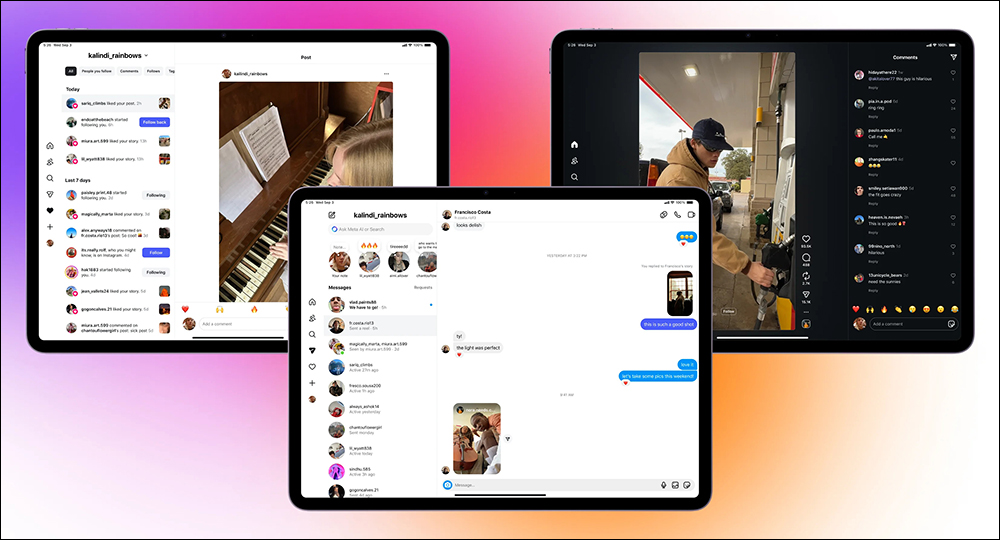
The longer you scroll, the more you view, the more often you tap, and the more frequently you interact, the more valuable you are to the platform. Your attention drives the recommendation algorithms, increases ad exposure, and even influences what content others will see next. In exchange, you get entertainment, social connections, and a stream of content that seems tailor-made for you. For many people, this is a fair trade. But the cost of this trade isn’t money—it’s your time, attention, and mental energy. When you start to realize the time and effort you’re losing while scrolling, you’ll understand that what’s called “free” isn’t really free at all.
Lock-in Is the True Cost of Free Storage
I spent quite a bit of time trying to sort out the mess in my photo library, but in the end, I just ended up paying Apple for iCloud every month. I’ve also shared some tips for reducing storage costs and keeping things organized, but the reality is: once your photos are in there, it’s not so easy to get them out. The same goes for Google Photos. Both services make uploading, organizing, searching, and reviewing photos incredibly easy—and that convenience is certainly tempting. But once your photo library grows so large that “moving” it no longer feels like an option but rather like a massive project you keep putting off, a sense of being locked in creeps up on you.
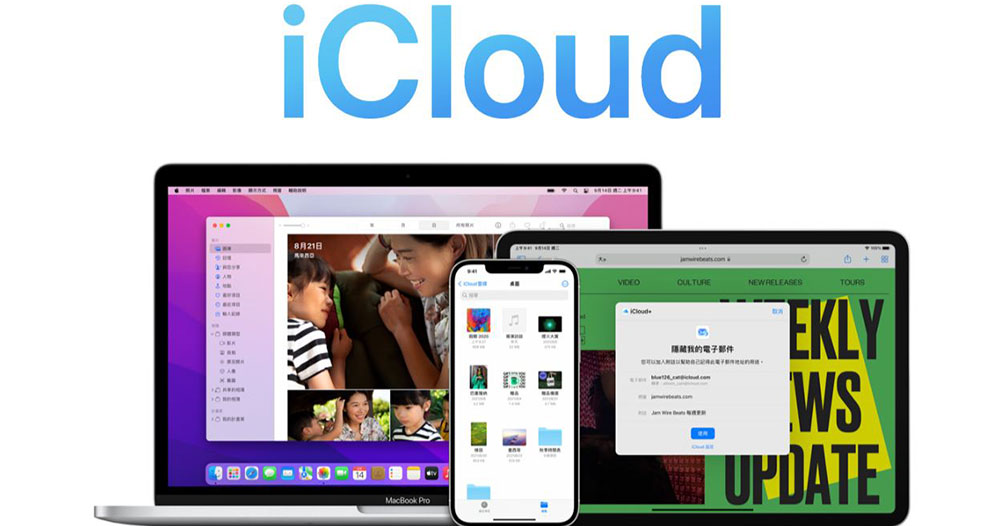
By that point, the pressure to upgrade your storage plan no longer feels like pressure—it’s more like “going with the flow.” When you run out of storage space, can’t sync new photos, or experience backup failures, a paid plan becomes the most hassle-free solution. Technically, you could, of course, export all your photos and find another solution, but anyone who’s done it knows it’s a time-consuming, messy, and exhausting process.
This is a classic example of how a free plan seamlessly transitions to a subscription model. You don’t have to pay, but the cost of leaving—including time, effort, and disruption to your workflow—is often higher than the monthly fee. The real lock-in isn’t because these services are bad; it’s because they’re so good that you’d rather pay than deal with the hassle of leaving.
Free software isn’t the problem in itself, nor is convenience the enemy. What really matters is understanding the trade-offs you’re making and determining whether they’re worth it. Often, they are; sometimes they aren’t—and there’s absolutely no shame in that. The key is to stay clear-headed. When you’re aware of what you’re giving up—whether it’s data, time, flexibility, or future options—you’re no longer a passive user of “free” software; instead, you’re making a conscious decision, which is far more responsible than pretending the costs don’t exist.
Source: KOCPC Chinese