


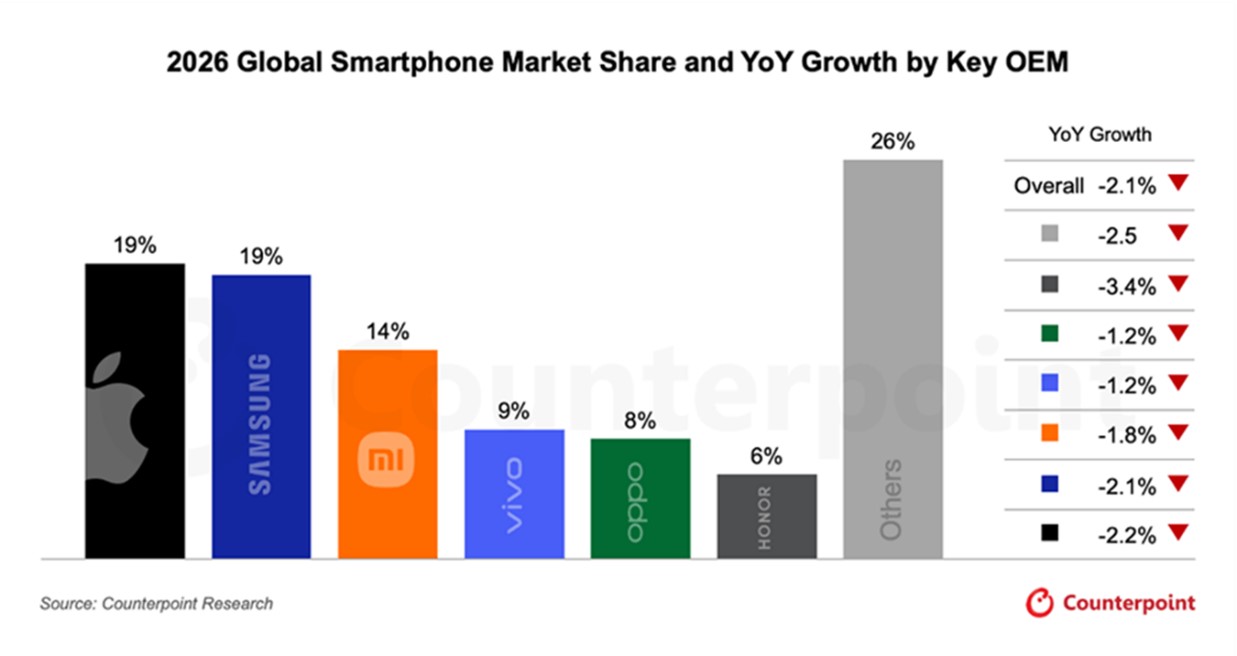
Smartphones have become an essential part of modern digital life. Looking ahead to 2026, the product plans and trends of various smartphone manufacturers are gradually coming to light. Affected by rising memory prices, the 2026 smartphone market is expected to face the severe challenge of “declining volumes and rising prices.” With reports that both Asus and OnePlus are phasing out of the market, industry observers estimate that overall shipments may decline by approximately 2%.
What are the trends in smartphone features and specifications for 2026? Which features do consumers hope will disappear? Here is a summary and explanation:
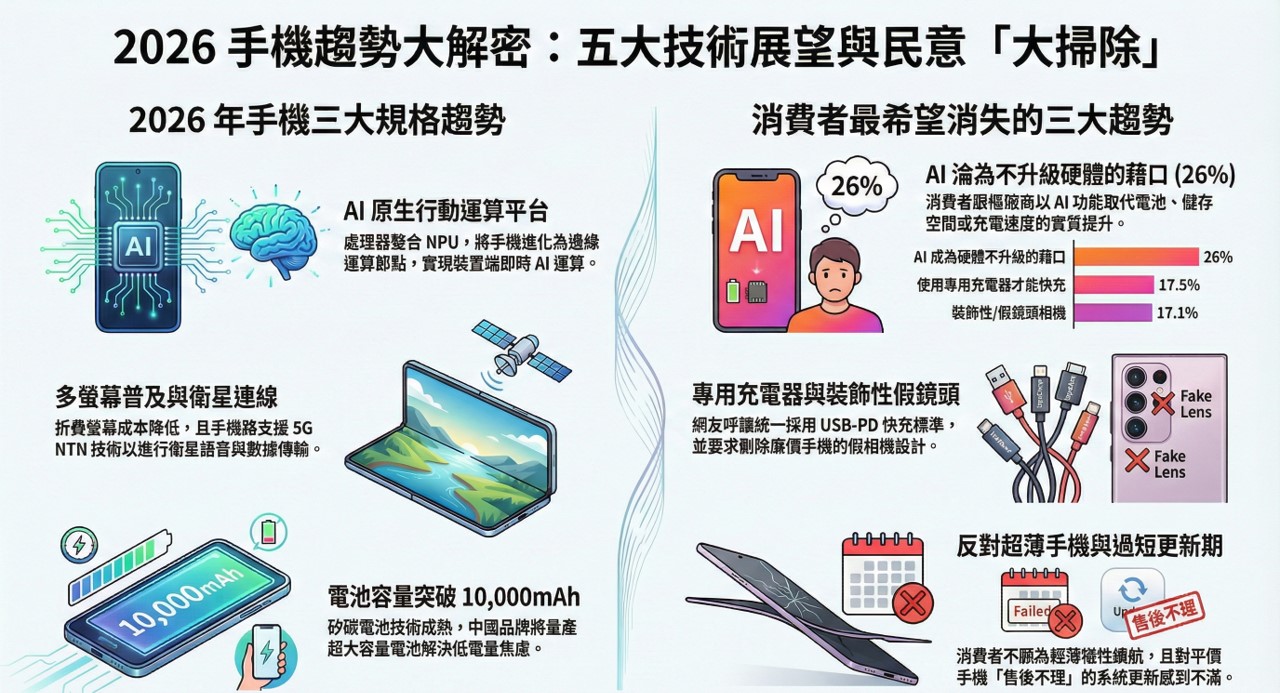
Smartphone features and specifications are constantly evolving, and smartphone manufacturers are going to great lengths to enhance specs without raising prices in order to continue stimulating and boosting sales. However, the recent sudden surge in memory prices has left manufacturers facing the difficult choice of which hardware features to prioritize. Looking ahead to 2026, what new trends in features and specifications can we expect for the next generation of smartphones? Which features might fail to gain traction and be scrapped before launch? Below is a summary video and detailed explanation:
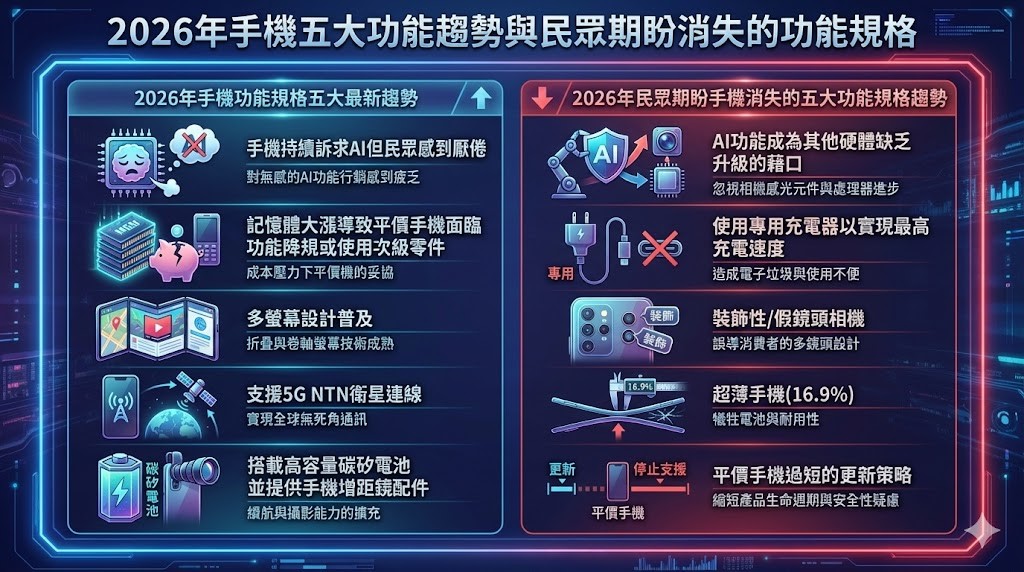
1. What are the trends in smartphone features and specifications for 2026?
A. Continued Calls for Support for Generative AI-Enabled Mobile Phones:
Generative AI capabilities remain a key marketing selling point, but AI-native mobile work platforms—designed “from the ground up for AI”—are facing skepticism.
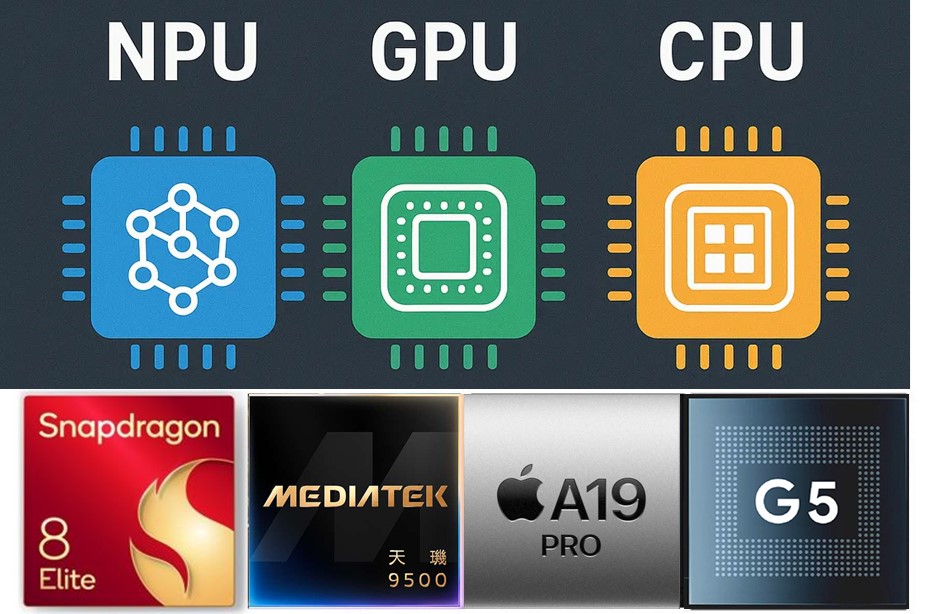
According to DIGITIMES estimates, global shipments of smartphones marketed as supporting AI are expected to grow from 445.8 million units in 2025 to nearly 600 million units. However, due to the sharp rise in memory prices, many entry-level and budget smartphones may face obstacles in using generative AI as a result of memory downgrades. To seize the generative AI business opportunity, smartphone manufacturers hope to move beyond merely playing a supporting role and instead become “AI-native mobile work platforms,” transforming smartphonesEvolving into “edge computing nodes.” High-end smartphone processors now feature system-on-chip (SoC) designs that integrate a Neural Processing Unit (NPU) in addition to traditional CPUs and GPUs. Examples include the Qualcomm Snapdragon 8 Elite Gen 5, MediaTek Dimensity 9400/9500 series, and the iPhone A18 / A18 Pro/A19 Pro processors, and the Google Tensor G5 processor all feature CPU+GPU+NPU configurations, transforming high-end smartphones into computing units “built for AI.” This enables AI computations to be performed in real time on the device itself, eliminating the need to upload data to the cloud for processing. However, many consumers do not seem convinced by the notion of smartphones prioritizing AI for AI’s sake, especially as AI capabilities on cloud platforms continue to grow increasingly powerful. They believe smartphones need not waste additional hardware resources on building “AI-native mobile work platforms.”
B. Memory prices have skyrocketed, driving up the cost of smartphones:
Memory Prices Soar, Cell phone prices are set to riseLeading to a decline in sales,Budget smartphones may have reduced specifications or use lower-quality components。
According to a study by Counterpoint Research, the large-scale expansion of AI infrastructure has led to rising prices for mobile phone memory, resulting in a decline in sales of mid- and low-end Android phones in particular, as DRAM and flash memory account for more than 30% of their cost.
In response to the pressure from soaring memory costs, industry observers expect that some smartphone manufacturers may opt to reduce memory capacity, or perhaps use lower-quality camera modules, displays, or audio components. Recent reports that Asus and OnePlus are scaling back their market presence also indicate that lower-tier smartphone brands will face pressure to exit the market by 2026.
C. The Popularization of Multi-Screen Design:
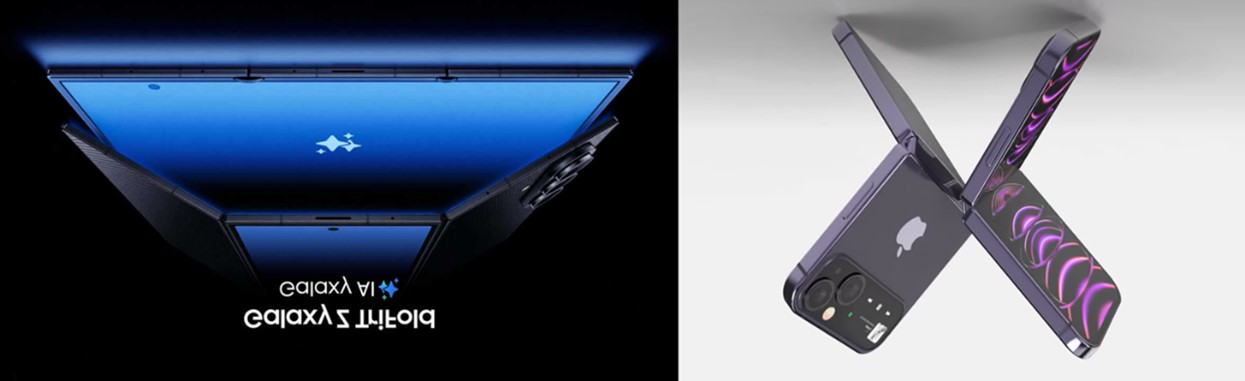
Lower costs for foldable screens and the expected support from the iPhone are driving the widespread adoption of multi-screen designs.
In the past, foldable smartphones were held back by high price barriers and a lack of durability… and other shortcomings that deterred most buyers. However, as manufacturing costs have fallen, brands like OnePlus and Oppo have begun incorporating dual-screen designs into their mid-range product lines, Samsung has introduced more triple-screen models, and Apple is expected to launch a foldable iPhone… and other positive developments, the prices of multi-screen smartphones are expected to drop, allowing consumers to open documents and participate in video conferences simultaneously, or look up information while taking notes.
D. Mobile Phone Support for Satellite Connectivity:
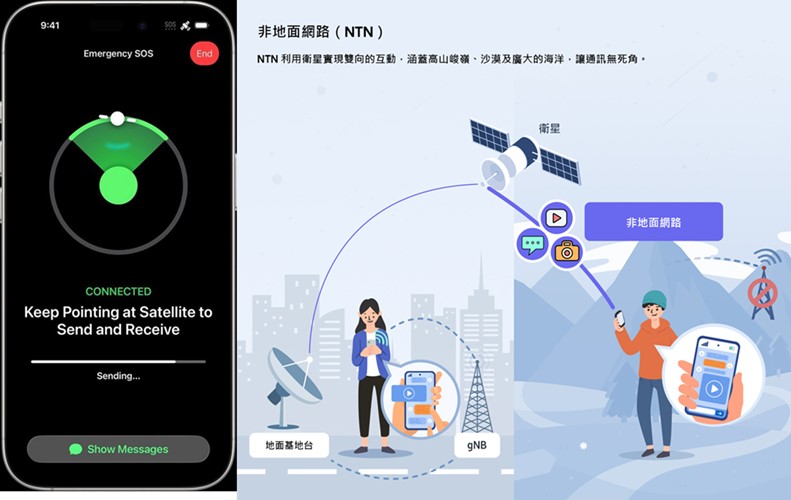
Supports 5G NTN technology, breaking through the limitations of emergency call functions.
As telecom operators partner with Starlink, AST SpaceMobile, and Lynx Global, satellite connectivity is making its way into the consumer market. In addition to supporting satellite SOS emergency services and accessing satellite services provided by telecom operators, smartphones will support 5G Non-Terrestrial Network (NTN) technology, which is expected to enable voice and data transmission, thereby supplementing the coverage gaps left by mobile base stations.
E. Ultra-high-capacity batteries, smartphone tele-lenses, and the disappearance of physical SIM cards:
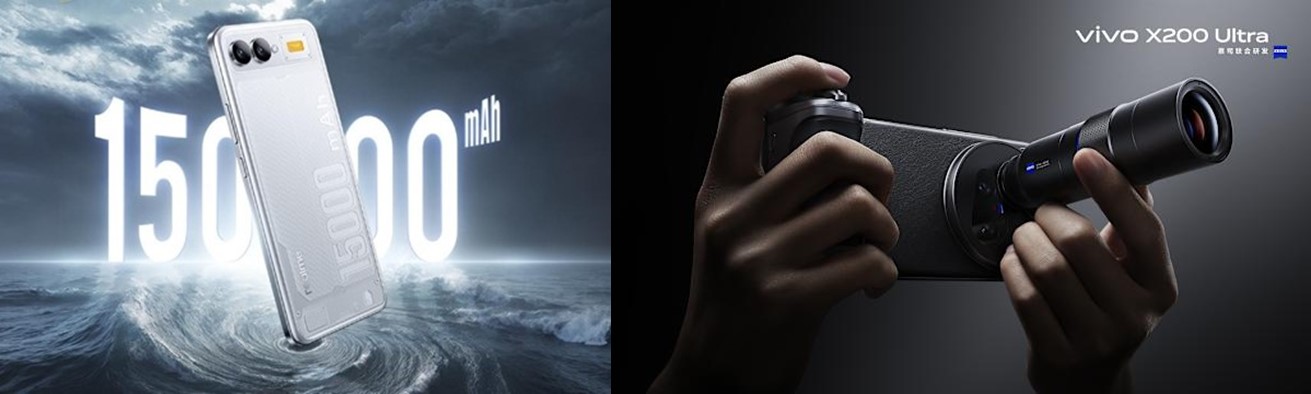
Smartphones equipped with carbon-silicon batteries exceeding 10,000 mAh and offering official telephoto lens accessories are becoming increasingly common.
Since people in modern society generally experience intense anxiety about low cell phone battery levels (Nomophobia), equipping devices with high-capacity “Silicon-Carbon Batteries” has become the mainstream design for budget-priced Chinese smartphones. 7,000 mAhCapacities of 8,000 mAh are no longer uncommon, and starting in 2026, smartphones equipped with 10,000 mAh or even 15,000 mAh batteries will enter mass production. Currently, major manufacturers such as Apple and Samsung are taking a wait-and-see approach toward these silicon-carbon batteries, which have not yet been thoroughly tested for long-term safety. Industry observers expect Samsung to gradually adopt silicon-carbon batteries, thereby accelerating their widespread adoption.
Capitalizing on business opportunities arising from concerts and major sporting events, smartphone brands such as vivo and OPPO have launched official, proprietary telephoto lenses for their flagship models. These upgrades—which replace the cheap, clip-on lenses of the past with “official-grade accessories” that align precisely via dedicated phone cases—have received widespread acclaim. It will be interesting to see if more brands follow suit by releasing proprietary “manufacturer-grade teleconverters” for their flagship phones, thereby accelerating the widespread adoption of this technology.
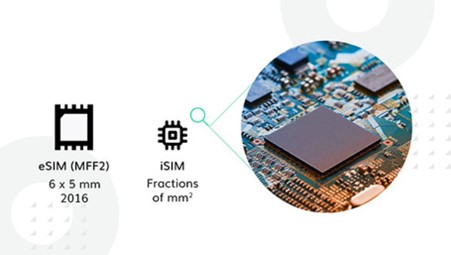
In addition, while Apple and Google Pixel phones continue to drive the adoption of eSIMs, the Android camp is gradually following suit. Not only is eSIM expected to become even more widespread, but integrated SIMs (iSIMs)—which integrate the standalone eSIM IC chip into a system-on-a-chip (SoC)—are likely to become the norm in telecommunications solutions. However, China’s real-name registration requirements for telecommunications services remain the biggest obstacle to the widespread adoption of eSIMs and iSIMs!
2. Mobile Phone Features Consumers Hope Will Disappear by 2026:
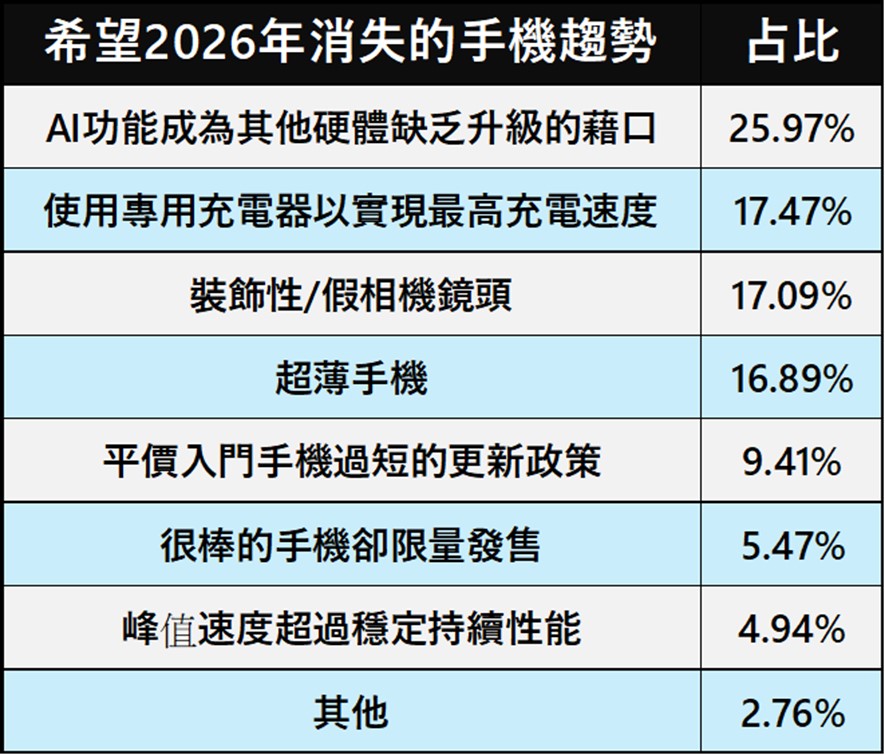
Foreign mediaAndroid AuthorityA poll of 4,500 internet users was recently launched asking, “Which smartphone trends will disappear by 2026?” “AI features have become an excuse for the lack of upgrades to other hardware (26%), “using a dedicated charger to achieve the fastest charging speed (17.5%)” , “decorative/dummy camera lenses (17.1%)”, “ultra-thin phones (16.9%)”, and “too-short update cycles for budget phones (9.4%)” are the top five smartphone trends consumers hope to see eliminated by 2026.
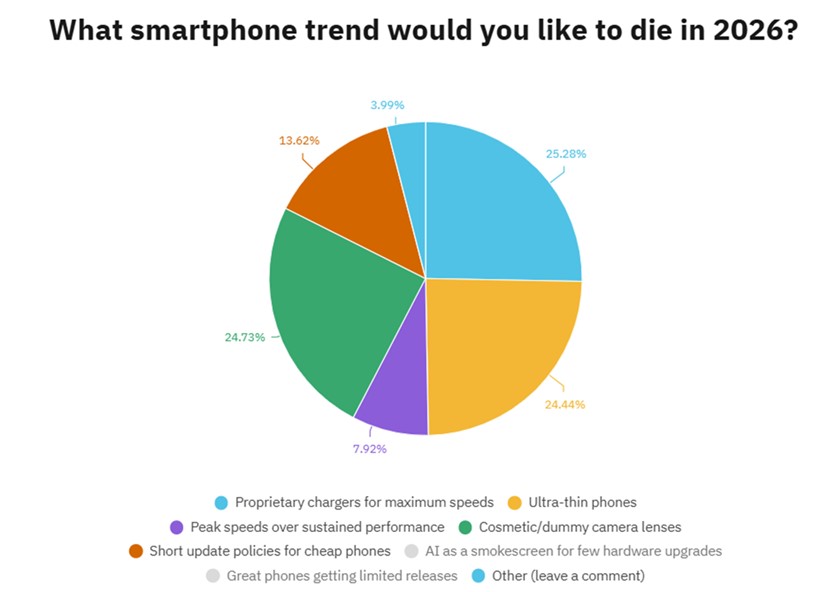
A. AI features have become an excuse for the lack of upgrades in other hardware (25.97%):
In the survey, 26% of readers expressed frustration and disappointment that major smartphone manufacturers have been using AI merely for the sake of AI, reducing artificial intelligence to a mere pretext for replacing hardware upgrades. Some believe that many well-known smartphone brands, such as Samsung, heavily promote the AI features of their Galaxy series while neglecting major hardware upgrades (such as larger battery capacity, faster charging speeds, and more base storage). Since most generative AI can be processed by uploading data to the cloud, some enthusiasts feel it is unnecessary to upgrade processors to CPU+GPU+NPU configurations—positioned as computing units “built for AI”—and are calling for the release of smartphones with fewer AI features or none at all.
B. Use a dedicated charger to achieve the fastest charging speed (17.47%):
In the past, some smartphones (such as OnePlus) required the use of proprietary chargers to achieve the fastest charging speeds, which frustrated 17.5% of readers, who called on manufacturers to adopt the USB-PD PPS (Programmable Power Supply) standard for fast charging.
C. Decorative/Fake-Lens Cameras (17.09%):
In the past, some companies—such as Motorola, Xiaomi, realme, and others—have included decorative or fake camera lenses on their budget phones, which is why 17.1% of readers hope this practice will disappear completely by 2026. Given that smartphone manufacturers are facing the challenge of soaring hardware component costs, it remains to be seen whether the practice of including decorative or fake camera lenses will become more widespread—a development worth watching!
D. Ultra-thin cell phones (16.89%):
Since ultra-thin smartphones require compromises in battery capacity, camera lenses, or SIM card specifications, and given the iPhone Air’s sales failure, 9% of readers have expressed their reluctance to buy ultra-thin smartphones.
E. Too-Short Update Cycle for Affordable Entry-Level Phones (9.41%):
As the lifespan of smartphones increases, many affordable and entry-level Android phones (especially those sold in mainland China) often suffer from “sell-and-forget” practices—meaning they receive no further updates after purchase. The lack of a reasonable update policy not only increases security risks but also prevents users from upgrading features, leaving 9.4% of readers dissatisfied.
F. “Other” (2.76%):
The comments indicate that these readers want to see an end to the trend toward fixed storage, large-screen phones, protruding cameras, and the removal of headphone jacks.
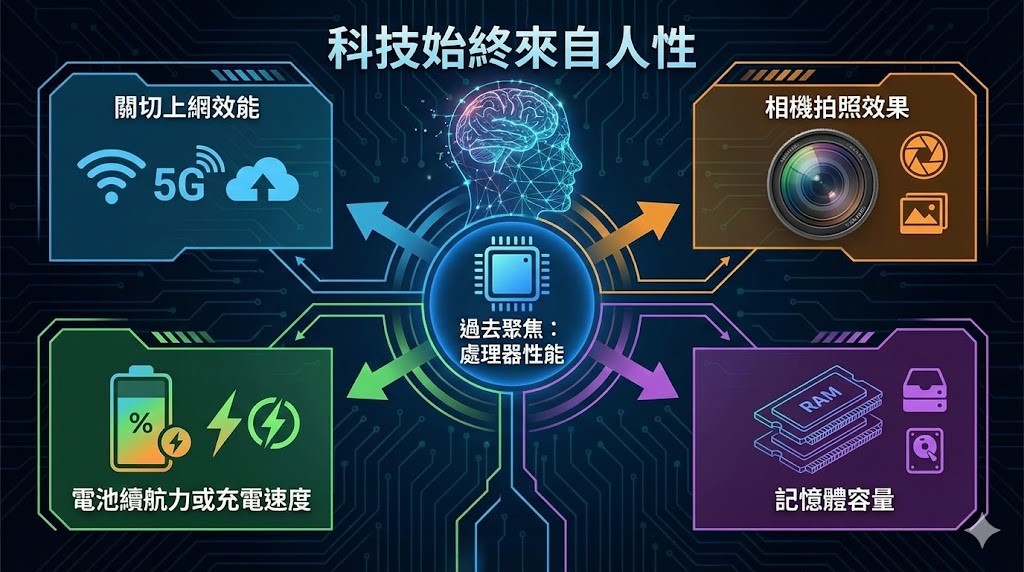
In the past, consumers typically focused on processor performance when evaluating smartphone hardware, but their concerns have gradually expanded to include internet performance, memory capacity, battery life or charging speed, and camera quality. Faced with the enormous business opportunities presented by AI, smartphone manufacturers are eager to get a piece of the pie, but soaring memory costs have driven up the prices of various components,Mobile phone manufacturers are facing the daunting challenge of how to balance hardware features and specifications. With no figure like Steve Jobs—who emerged out of nowhere and wielded such immense influence—in the world today, the decision ultimately comes down to the principle that “technology is always rooted in human nature.”
Source: KOCPC Chinese