


Over the past many years, AirDrop has been a symbolic feature of the Apple ecosystem and one of the important reasons why many iPhone users find it difficult to leave Apple. Although the Android camp has launched “Quick Share” as a corresponding solution, there is always an insurmountable high wall between the two. Until last year, Google and Apple rarely worked together to remove this obstacle, making Pixel 10 the world’s first Android device that can transfer files to and from iPhone through AirDrop, symbolizing a major breakthrough in cross-platform interoperability of mobile devices.
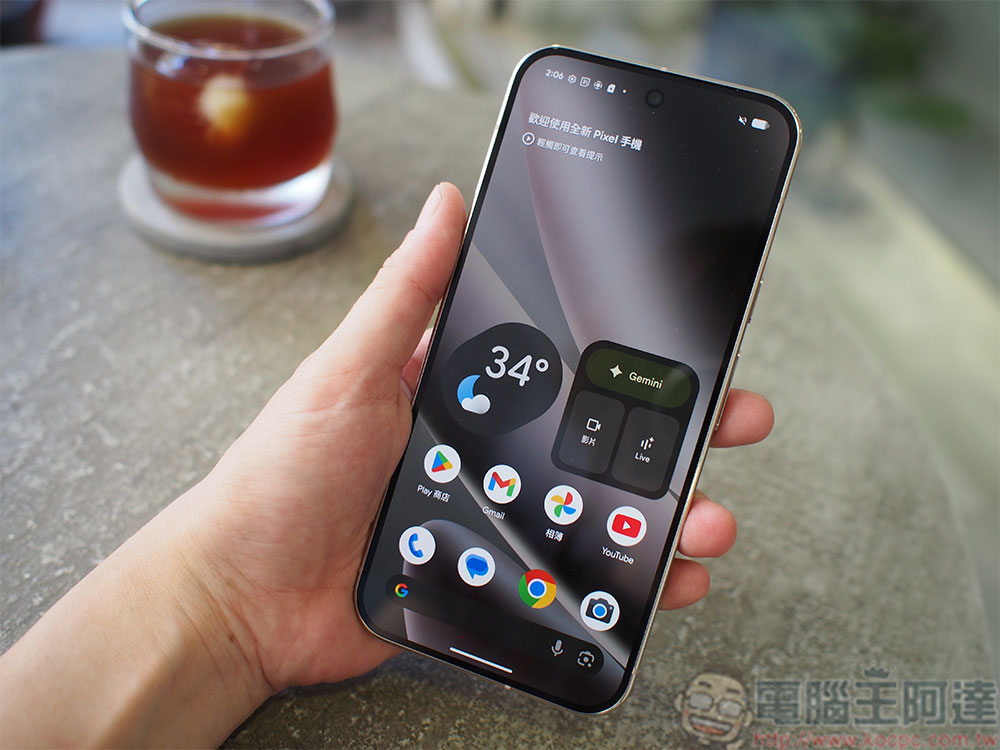
Google confirms AirDrop will be rolled out to all Android devices
However, this groundbreaking collaboration was initially limited to the Pixel 10 series, leaving many Android users both surprised and disappointed. Surprisingly, there is finally true peer-to-peer file transfer between Android and iOS; disappointingly, this feature seems to only belong to the latest Pixel flagship, and other Android devices can only watch from the sidelines.
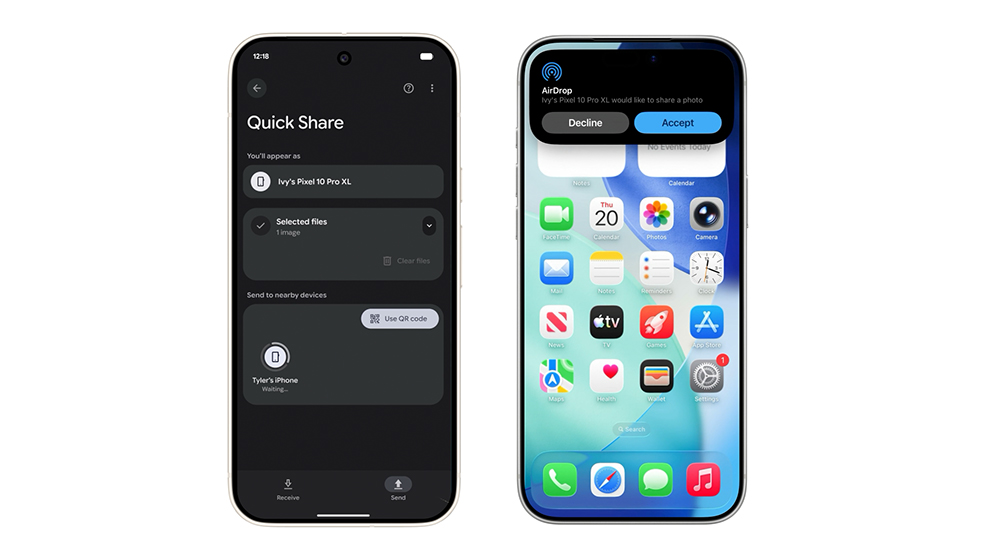
Now, Google has finally given a clear answer: AirDrop interoperability will no longer be an exclusive privilege of Pixel 10, but will soon be fully expanded to a wider range of Android devices. according to Report by Android Authority, in a media briefing, Eric Kay, vice president of Android Engineering, directly confirmed that Google aims to launch updates within this year to allow more Android phones to perform cross-platform file sharing with iPhone, iPad and even MacBook. He said: “We have invested a lot of time and resources to ensure that not just Pixel, but the entire Android ecosystem can smoothly interoperate with iPhone, iPad and MacBook. Now that we have proven that this technology can work, the next step is to work with partners to promote it to more devices. You will see some exciting announcements soon.”
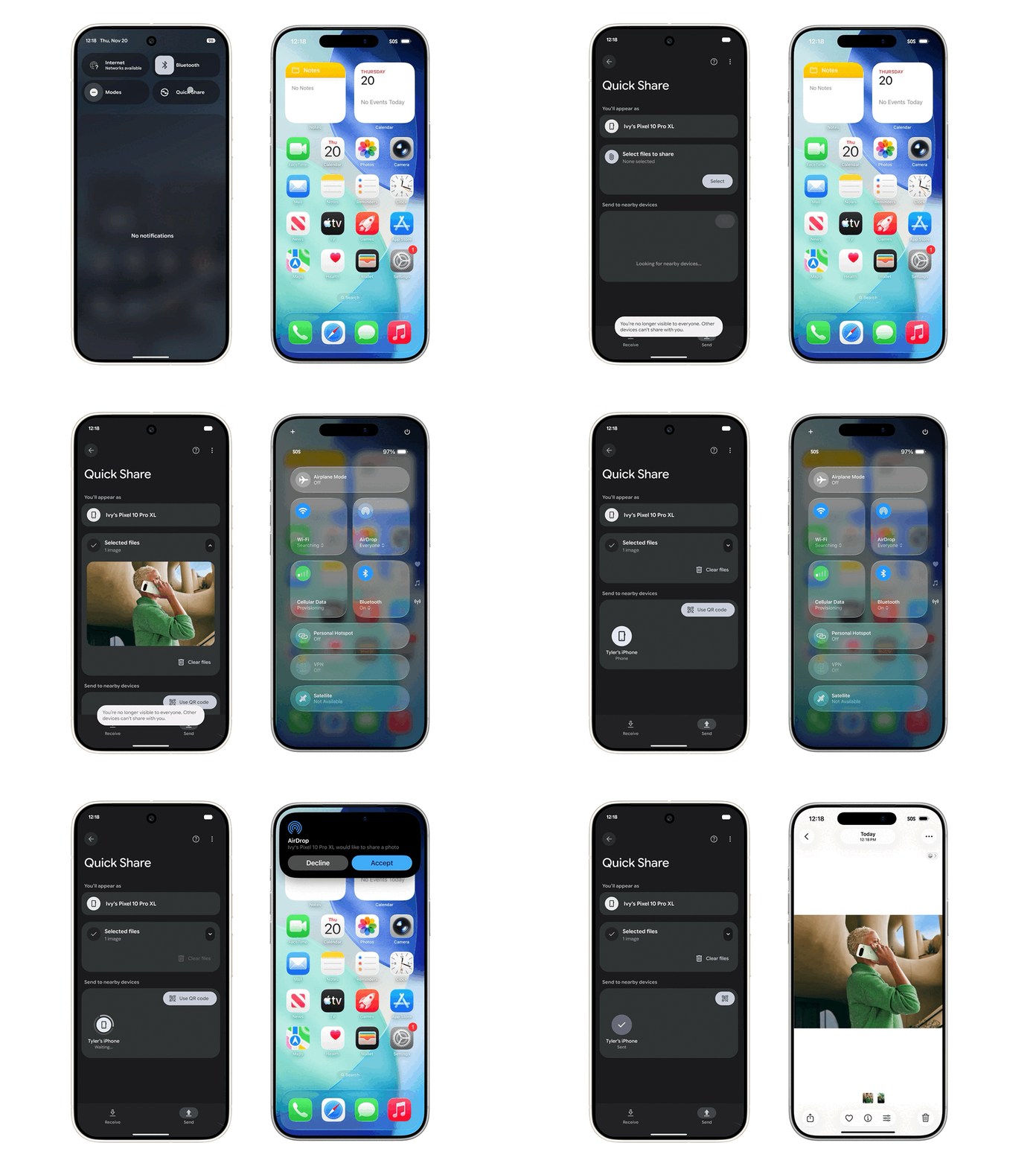
In fact, Google has not tied this feature to the Pixel platform from the beginning. Developers quickly discovered that Google integrated cross-platform interoperability into its own apps and pushed them through the Play Store, rather than hard-coding them at the Pixel-specific system level. This means that Google’s real goal has always been the “full Android ecosystem” rather than a single brand. In addition, hardware manufacturers such as Qualcomm and Nothing have already publicly stated that they are testing and adjusting their own chips and devices to support this cross-platform sharing function. Judging from these signs, Pixel 10’s “exclusivity” is more like a technical verification stage than Google’s final strategy.
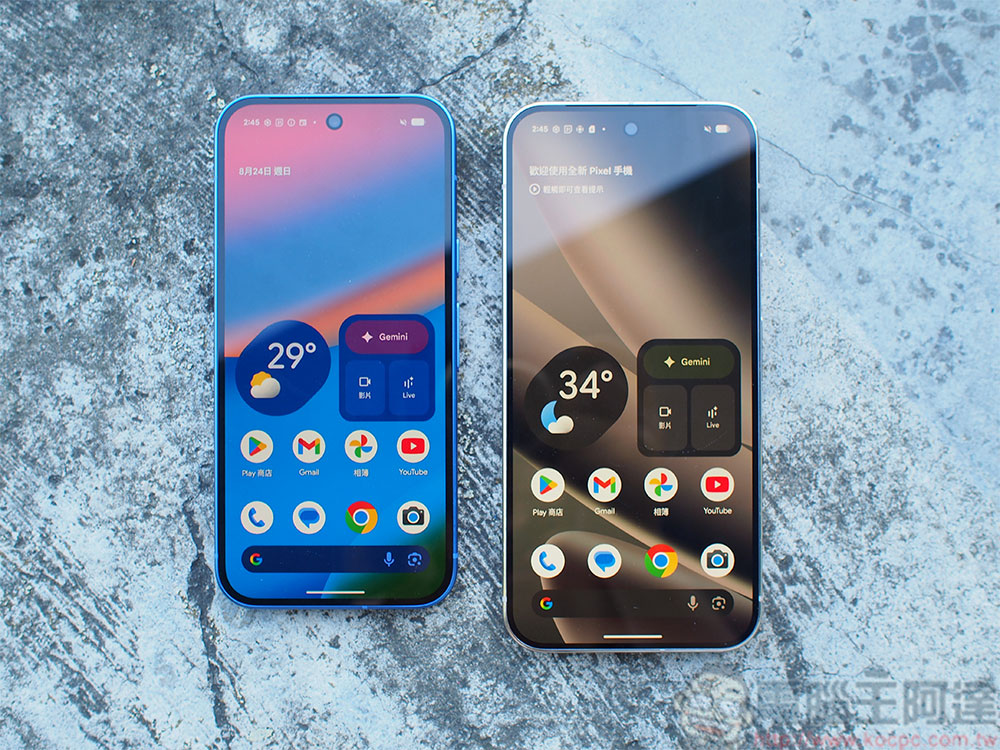
Therefore, the real question is never “will more Android be supported?” but “when will it be supported?” Although Google has not announced the exact launch date, the official has clearly promised that there will be progress “within this year”, and Kay’s “soon” has also rekindled expectations among the entire Android community. If this update is successfully launched, file transfers between Android and iOS will no longer need to rely on third-party apps, cloud services or traditional Bluetooth. For users, this means that the threshold for cross-platform cooperation has been significantly lowered; for the entire industry, this symbolizes a major breakthrough in interoperability between the two camps, and may also pave the way for more cross-platform collaboration in the future. In other words, the cooperation between AirDrop and Quick Share is no longer just a highlight of Pixel, but will become a new standard in the Android ecosystem. When this day comes, the boundaries of the mobile device world will be more blurred than before, and users can finally enjoy a truly free and seamless cross-platform sharing experience.
Source: KOCPC Chinese