


“Toyota Connected North America”, a subsidiary of Toyota Motor Corporation, recently announced that they are developing a system called “Flourite” game engine and will be tightly integrated with Google’s UI framework Flutter, while using the Dart programming language to write game logic and user interface. The hope is that this will maintain high performance on low-end or embedded hardware, and make it easier to perform tasks such as 3D graphics and interactive UI elements on in-car systems.
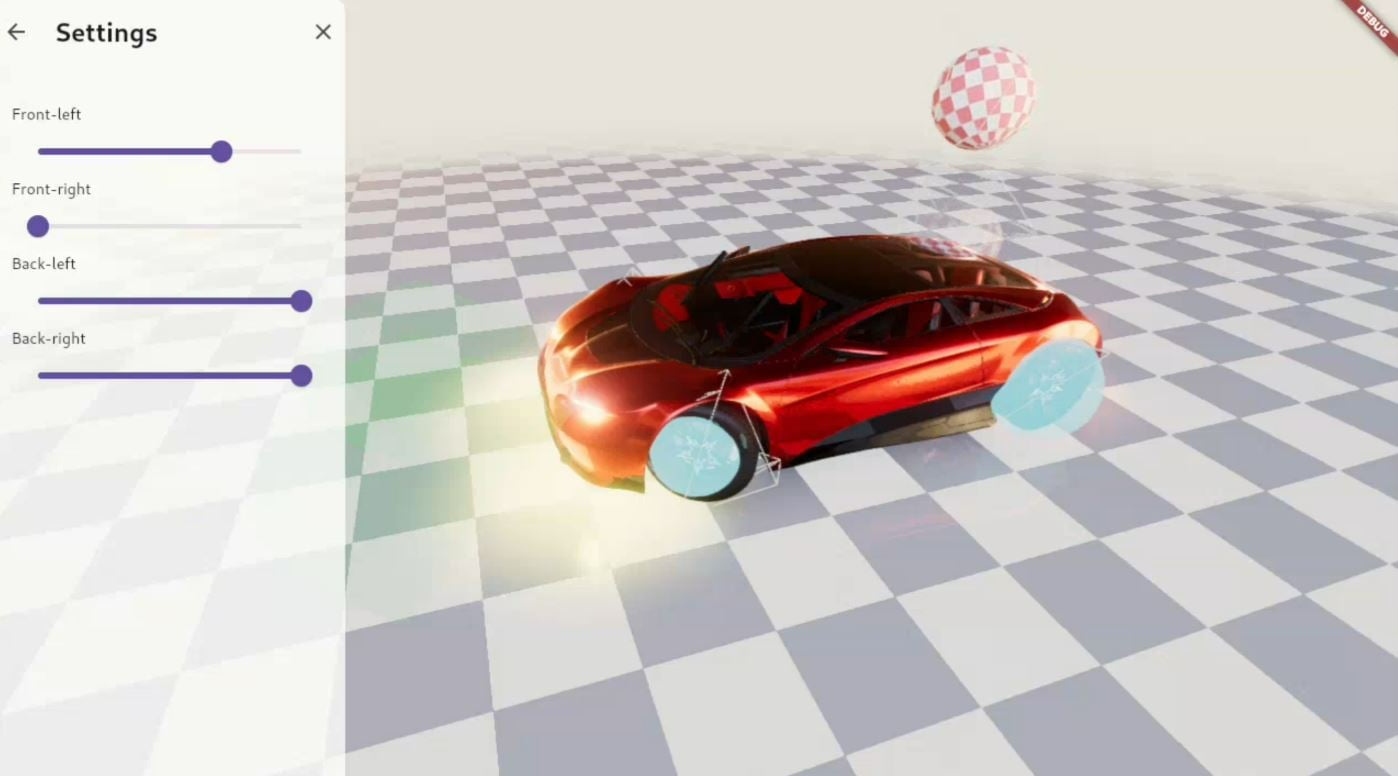
So far, Flourite’s official website has demonstrated the four major functions of this engine. The first is the high-performance “Entity Component System” core written in C++ language, which maximizes performance and provides optimization space for less powerful hardware. At the same time, this core also allows developers to use Dart and higher-level game tools, allowing them to seamlessly transfer their experience and knowledge of other game engines.
The second is “trigger touch zones” defined by the model, which allows digital artists to set “clickable” areas in graphics software tools such as Blender and designate them to trigger specific actions. Developers can greatly simplify the construction of 3D interfaces by simply linking click events to the desired behavior. At the same time, this also allows users to interact with objects and controls in the software in a more intuitive way.
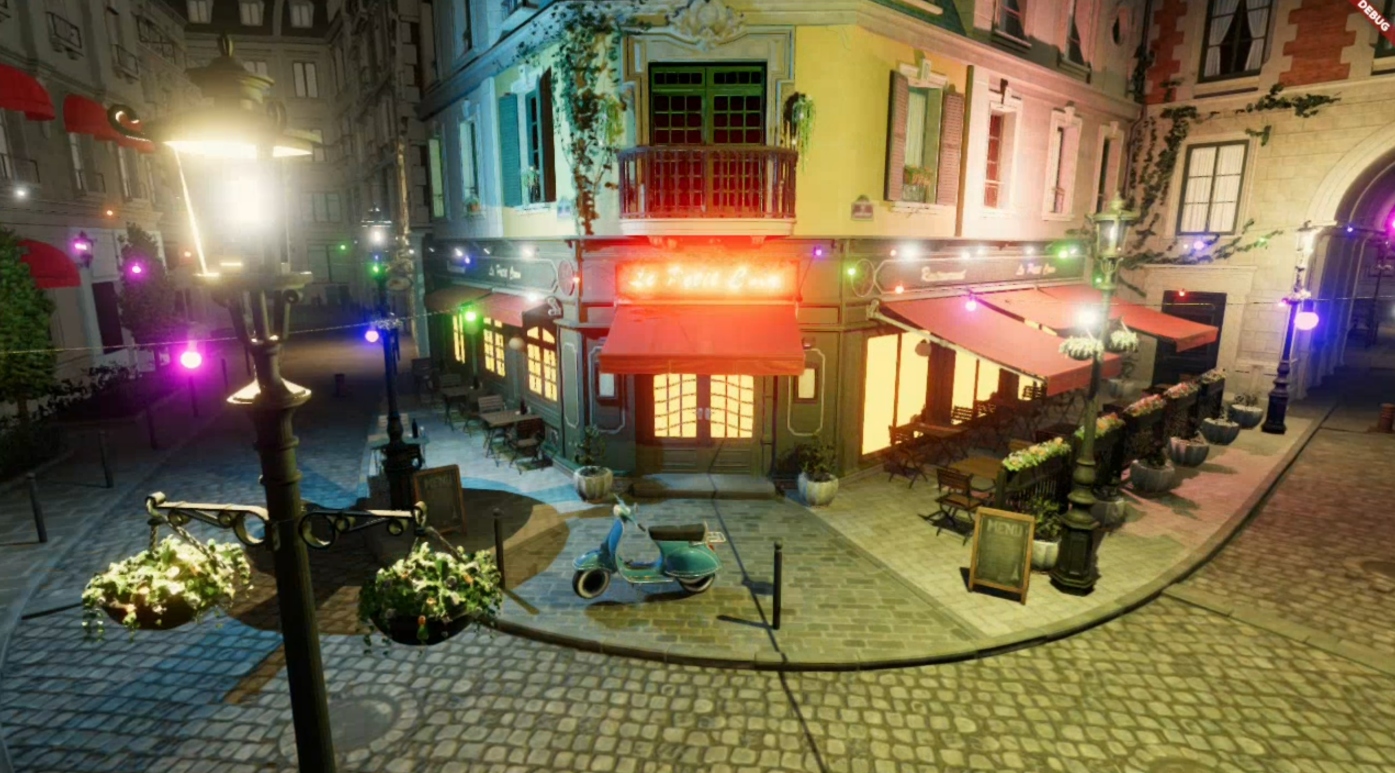
The third focus is the 3D rendering function that is comparable to “console level”. This part adopts Google’s Filament renderer and uses a modern, host-level graphics API to make the overall picture performance more beautiful and detailed.
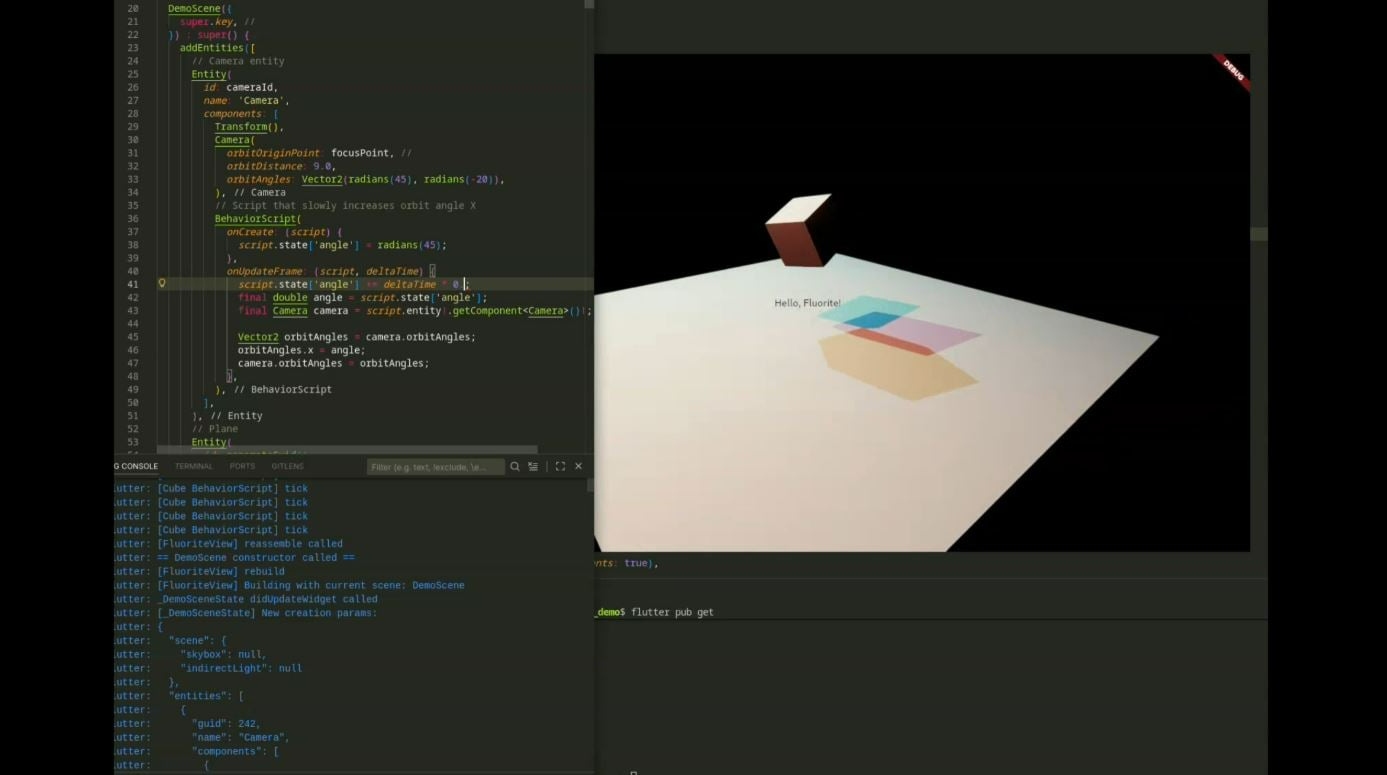
Finally, it supports Flutter’s Hot Reload function, which allows developers to immediately see the results of the changes after updating the program code, without having to restart all the time. This allows the team to confirm modifications and iterations faster, accelerating the game development process.
According to a presentation at the Free and Open Source Software Developers Europe Conference (FOSDEM 2026) in Brussels on February 1, 2026, Toyota Connected North America was evaluating several different options when selecting an engine for a 3D display system for future automotive devices, but after learning that Unity and Unreal After mainstream game engines encountered problems such as “high licensing fees” or “excessive demand for system resources,” Toyota decided to invest in the development of its own game engine. Although Flourite is mainly used to develop Toyota’s in-vehicle 3D display system, as an open source game engine, its development in the field of general game development seems to be promising in the future.
Source: KOCPC Chinese