


According to the well-known Chinese Weibo leaker “Dingjian Digital”Latest news, Apple is preparing for next-generation iPhone 18 Pro Series equipped with Apple C2 The modem chip introduces revolutionary satellite 5G connectivity capabilities. This technological breakthrough will completely change the way smartphones are connected, allowing users to enjoy high-speed Internet services even in the most remote areas. “Fixed Focus Digital”. This whistleblower has a certain reputation in the technology circle. The most famous and accurate prediction is that he successfully predicted that the entry-level iPhone will use “16e” instead of the traditional “SE” naming method. Therefore, the information he broke this time has attracted special attention in the technology circle.
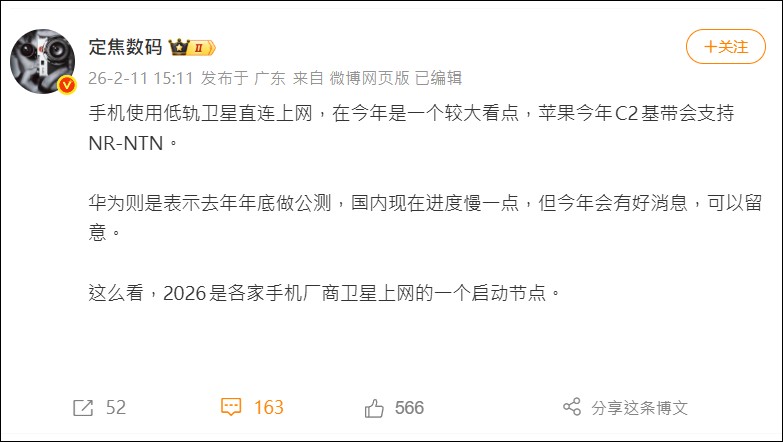
iPhone 18 Pro will usher in the satellite 5G revolution: Apple C2 modem supports NR-NTN technology
C2 Modem: The second generation evolution of Apple’s self-developed chips
Apple continues to make strides away from its reliance on Qualcomm modems. Following the C1 (or C1X) modem equipped with iPhone 16e, the C2 modem, which is expected to be launched with iPhone 18 Pro and iPhone 18 Pro Max in the fall of 2026, will represent a major leap forward in Apple’s self-developed 5G technology.
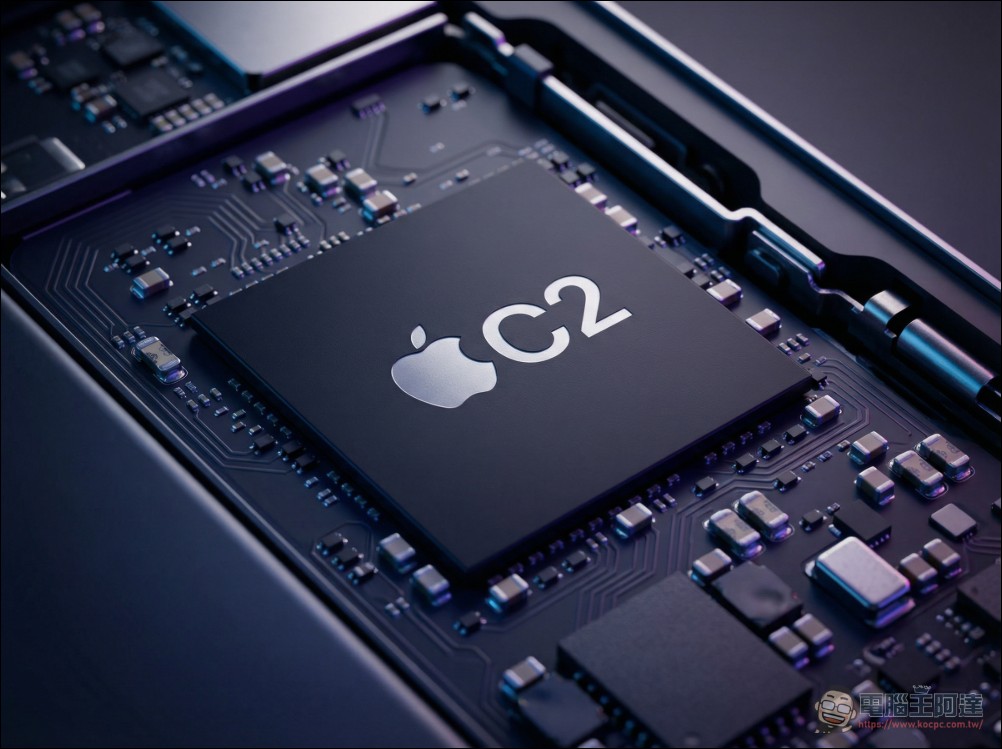
Compared with the C1 modem, which only supports the sub-6GHz frequency band, the C2 modem will support both mmWave (millimeter wave) and sub-6GHz dual frequency bands, which means that users can get the best 5G connection quality whether in high-density urban areas or suburban environments. More importantly, C2 will support the NR-NTN (New Radio Non-Terrestrial Networks) standard for the first time, which is the first time that 5G technology has been integrated into a key specification in the field of satellite communications.
NR-NTN technology: turning satellites into remote base stations
NR-NTN The core concept of the technology is to treat low-orbit satellites (LEO, Low Earth Orbit) as “remote ground base stations.” Traditional satellite communications require dedicated satellite phones or large antenna equipment, while NR-NTN allows ordinary smartphones to connect directly to satellites as naturally as connecting to ordinary mobile phone base stations.
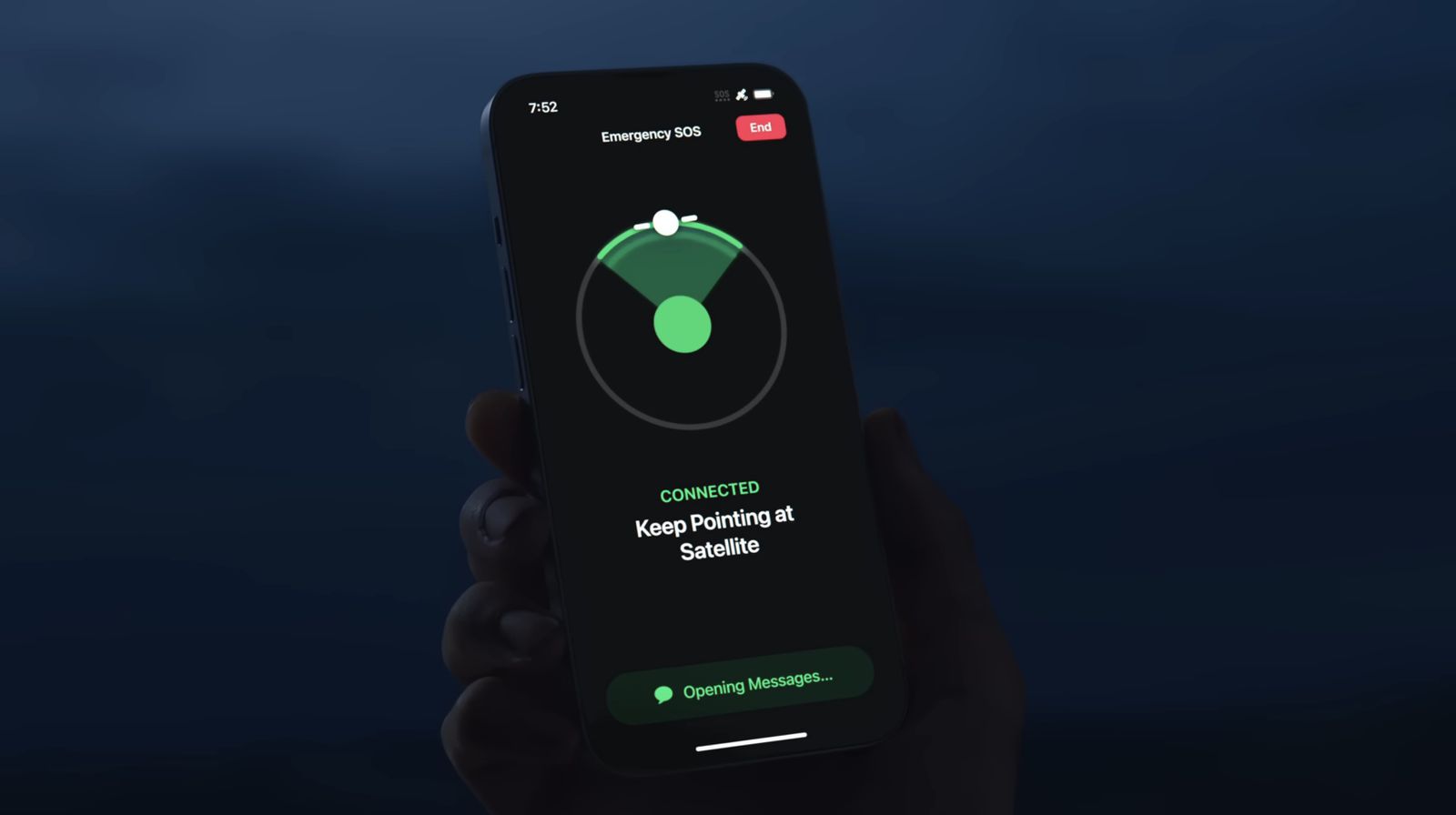
The biggest change brought about by this technology is the subversion of the user experience. The current satellite emergency rescue function requires users to point their iPhone in a specific direction in the sky and keep it still to maintain the signal connection. However, C2 modems that support NR-NTN will allow users to maintain a stable satellite connection without pointing their phones to the sky, even when indoors or with their phones in their pockets.
What’s even more exciting is that NR-NTN is not just an emergency backup solution, but provides real Internet access capabilities. Users will be able to make voice calls, video streaming, and browse the web through satellite connections, enjoying an experience similar to that of terrestrial mobile networks. This means iPhone users can stay connected to the world no matter where they are in mountains, deserts, oceans or any area lacking terrestrial cell coverage.
From Emergency SOS to Full Satellite 5G: Feature Jump Comparison
The Emergency SOS satellite emergency rescue function introduced by Apple since the iPhone 14 series has saved countless lives around the world. However, existing satellite services have obvious limitations in technical specifications, and the NR-NTN support brought by C2 modems will achieve a qualitative leap. The current Emergency SOS service uses low-bandwidth transmission technology, with a transmission rate of only Kbps level. It is mainly used to transmit short text messages and location information. Users must point their phones at the sky in an open area and adjust the angle according to the on-screen instructions to capture satellite signals. This service is designed for emergency situations and is not intended for use as a means of daily communication.
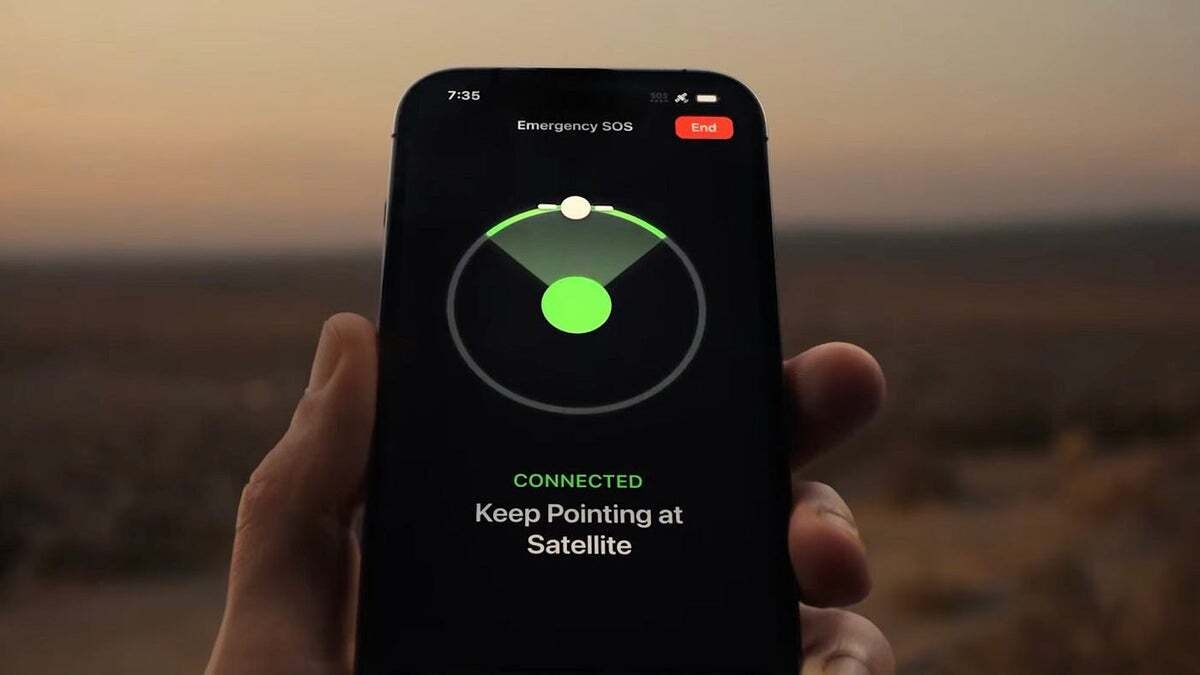
In contrast, the NR-NTN technology supported by the C2 modem will provide a high-speed Internet connection with a transmission rate sufficient to support complete network applications. Users do not need to specifically align the satellite direction, the phone will automatically search and connect to the best satellite signal. This can not only be used for emergency help, but also can be used as a reliable backup for daily communications, and has even become the main way to access the Internet in remote areas. Voice calls and high-definition streaming will no longer be the exclusive domain of terrestrial networks, and satellite connections will truly enter the practical stage.
Satellite communications landscape: Globalstar and SpaceX’s dual-track layout
Apple’s layout in the field of satellite communications has already begun. The company has established an in-depth partnership with Globalstar since 2022 to provide satellite network support for the iPhone’s Emergency SOS function. According to public information, Apple has invested approximately US$1.5 billion in Globalstar, including direct investment and infrastructure construction costs. This huge investment will not only be used to expand Globalstar’s satellite constellation, but also include the upgrade of ground receiving stations and the acquisition of Global Operations satellite service authorization.
However, Apple’s satellite strategy appears to go beyond that. According to industry sources, Apple is working with SpaceX Negotiate and explore the possibility of cooperation. SpaceX Starlink It is currently the world’s largest low-orbit satellite network, with thousands of satellites in operation, and continues to expand rapidly.Cooperate with Japan’s KDDI to launch related satellite data communication services. If Apple can reach a cooperation with SpaceX, it will bring more powerful satellite connection capabilities to the iPhone.
SpaceX has been making frequent moves in the field of satellite communications recently. The company acquired EchoStar’s wireless spectrum resources for $17 billion and has received authorization from the U.S. Federal Communications Commission (FCC) to operate up to 15,000 second-generation satellites. These Gen2 satellites provide a 20-fold increase in throughput compared to the first generation, which will significantly improve the service quality and capacity of satellite networks. For Apple, maintaining its partnership with Globalstar while also building ties with SpaceX is a dual-track insurance strategy. Globalstar provides a mature emergency service foundation, while SpaceX may bring wider high-speed Internet coverage. The final C2 modem design may support multiple satellite networks, allowing iPhone to automatically select the best satellite connection based on the user’s location and service needs.
In 2026, many smartphones will have satellite network capabilities
In addition to Apple, it is rumored that other mobile phone manufacturers and chip suppliers are also actively developing satellite communication technology. Qualcomm has integrated satellite connectivity into its latest Snapdragon processors, and MediaTek has demonstrated a chip solution that supports NR-NTN. With the continued decline in satellite launch costs and the rapid deployment of low-orbit satellite companies such as Starlink, satellite communications are moving from the professional field to the mass consumer market.
For Apple, the launch of the C2 modem is not only an important milestone in technological independence, but also a key opportunity to redefine the connectivity capabilities of smartphones. Today, when 5G terrestrial network coverage has become saturated, satellite communications represent the next blue ocean market. Whoever can take the lead in providing a seamless, high-speed, and easy-to-use satellite Internet experience will be able to occupy a favorable position in the future mobile communications competition.
point of view
Rumors that the Apple C2 modem supports NR-NTN satellite 5G reveal a deep change that the smartphone industry is undergoing. From a strategic perspective, Apple has adopted a cautious and long-term layout in the field of satellite communications. First establish the technical foundation and user awareness with Emergency SOS, and then gradually expand to complete satellite Internet services. This incremental strategy reduces technical risks and buys time for business model exploration.
However, the spread of satellite 5G still faces many challenges. The first is the cost issue. Whether it is satellite launch, ground infrastructure construction, or terminal device chip costs, they are much higher than traditional terrestrial networks. Secondly, there are regulatory obstacles. Countries have complex regulatory restrictions on spectrum allocation and service authorization for satellite communications. Finally, there is the competitive landscape. SpaceX’s Starlink has taken the lead in launching satellite services directly to mobile phones. How Apple finds its positioning in differentiation will be a key issue.
If the C2 modem does indeed support NR-NTN as rumored, Apple will have a unique competitive advantage. Unlike the Android camp, which needs to rely on chip solutions from Qualcomm or MediaTek, Apple can deeply integrate software and hardware to create a complete satellite communication experience from chip to operating system, from services to ecosystem. This vertical integration capability is Apple’s most powerful weapon.
Looking to the future, the integration of satellite communications and terrestrial networks will become an inevitable trend. Users don’t care whether the signal comes from terrestrial base stations or low-orbit satellites. They only care about being able to stay connected anytime and anywhere. C2 modems may be an important step in realizing this vision, turning “networks without blind spots” from a marketing slogan into a reality. Apple’s satellite communications footprint is expanding rapidly as Globalstar’s potential partnership with SpaceX becomes clearer. For consumers, this means that future iPhones will be able to provide reliable network connections in more locations, whether it is outdoor adventures, work in remote areas, or communication needs in emergencies, they will be better protected. (Although the Taiwan government thinks we don’t need Starlink)
In the fall of 2026, when the iPhone 18 Pro officially debuts, we may witness another “iPhone moment” in the smartphone industry. Satellite communication is no longer a niche function, but an everyday tool that everyone can easily use. I believe that many people will be willing to change to a new iPhone for the satellite communication function.
Source: KOCPC Chinese