


Meta is preparing to shut down its standalone Messenger website, which will take effect in April. In fact, Meta had stopped the Windows and macOS versions of the Messenger desktop application a few months ago. This closure of the website can be seen as the final step in its complete withdrawal from the desktop version of Messenger. At that time, users will no longer be able to use Messenger through a separate interface on their computers; if you try to visit Messenger.com, you will be automatically directed to facebook.com/messages, which is the messaging page built into Facebook’s main site. Meta has alerted users of this upcoming change in the form of an announcement on the Messenger website.
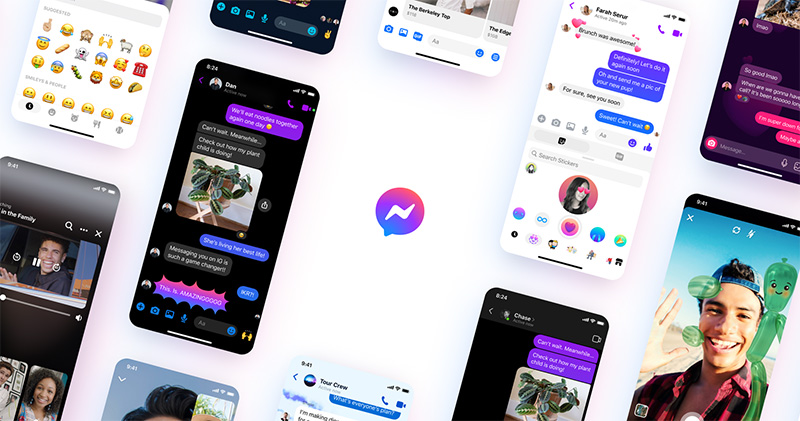
Meta is shutting down its standalone Messenger web version
After the website shuts down, Messenger will only exist as mobile apps for iOS and Android. The conversation content itself will not be affected, and users can still view all chat records on their mobile phones, but the computer will no longer provide a separate entrance. For people who are accustomed to processing information on a desktop or laptop, this is undoubtedly an inconvenient adjustment.
This change is even more impactful for users who don’t have a Facebook account but still use Messenger. For years, Meta allowed users to sign up for Messenger with a phone number without having a Facebook account; however, after the site shut down, those users who wanted to continue using Messenger on their computers had to choose to re-enable their Facebook accounts or switch to the mobile app entirely. From a functional point of view, the messaging interface of Facebook web version is not much different from the Messenger experience, but the prerequisite is that you must have a valid Facebook account, which is obviously not an ideal option for users who do not want to return to the Facebook ecosystem.

As for why Meta made this decision, the official did not give a clear explanation, and only added a short support page to Facebook’s Help Center. It is widely speculated that this is one of Meta’s strategies to continue integrating its services and reducing the number of maintenance platforms. As user habits have completely shifted to mobile devices, the traffic of desktop Messenger has been declining year by year, and the need to maintain an independent website has naturally decreased. However, Messenger.com is essentially just a web wrapper for mobile services, and the maintenance cost should not be so high that it must be shut down. Therefore, some people think that this is more like Meta cleaning up “low-usage products” rather than out of financial pressure.
It is worth noting that while Meta is gradually withdrawing from Messenger on the PC, it continues to enhance the functions of the web version of WhatsApp, including voice calls and video calls, which were originally only available in the app. This shows that Meta may be repositioning its communication products: Messenger is more focused on the Facebook ecosystem, while WhatsApp has become the main communication tool across platforms and devices. If you are used to doing a lot of messaging on your computer, maybe now is the time to consider switching to WhatsApp web. After all, no matter which service you choose, you will still remain in Meta’s product ecosystem.

Overall, the closure of the Messenger site symbolizes Meta’s renewed reining in of its messaging service strategy. For some users, this is a functional regression; but from Meta’s perspective, this may be the inevitable result of simplifying the product line and concentrating resources. Whether Messenger will return in other forms on the computer in the future is still unknown, but what is certain is that Meta is redefining its role as a communication tool, and this adjustment is just one part of it.
Source: KOCPC Chinese