


Before electronic devices became silent pieces of glass, they were a mechanical world full of sound. The high-pitched hiss of the dial-up modem and the scraping of the dot-matrix printer were all familiar background noises of that era. Today, these sounds have almost disappeared from daily life, but “the endangeredDangerous Sound Museum” Let them be preserved.

Miss the old sound of technology? “Museum of Endangered Sounds” lets you look back on the past
The site launched in 2012, and 14 years later it still exists like a sonic herbarium for obsolete technology. Click on any exhibit, and those old objects will seem to be reactivated. The collection ranges from the electronic noise of the 56K modem to the wonderful and healing startup sound of Windows 95. The collection is as varied as a technological history spanning decades.
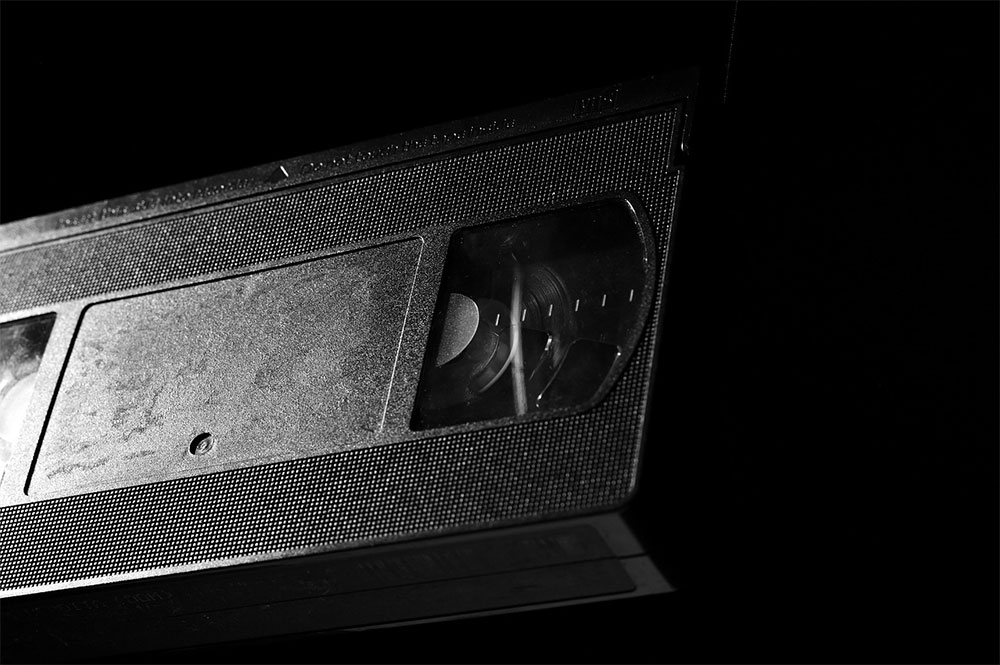
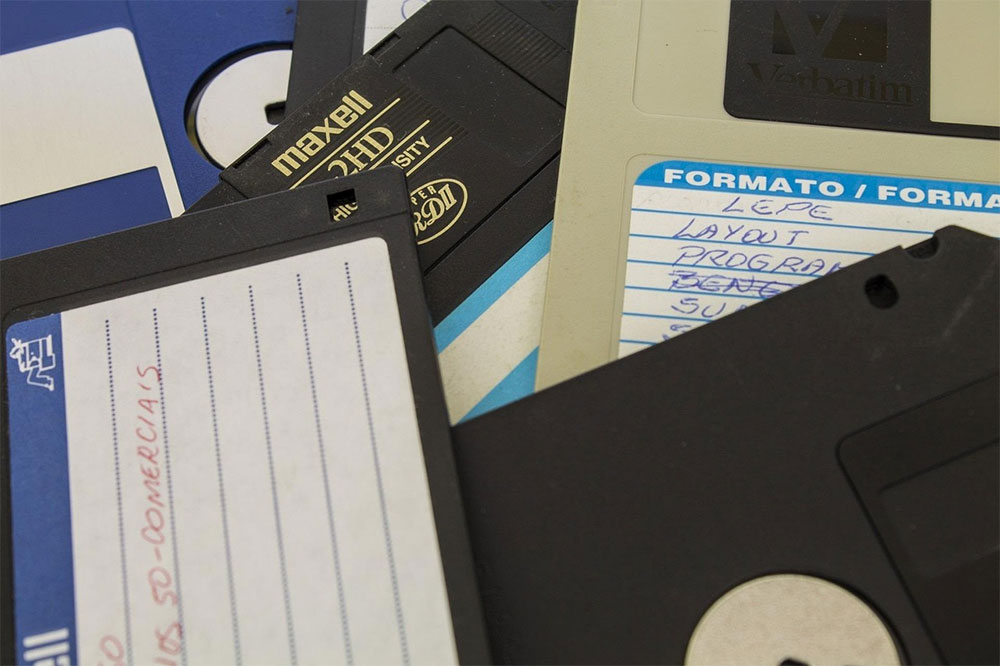
There are also some sounds that belong to mechanical rituals that the younger generation may have never experienced. VHS tapes make regular clicks and buzzes when being read, as if to announce that “the video is about to start.” When saving files to a floppy disk, the strong friction sound always makes people nervous, as if the data will disappear in the next second. These sounds, once daily reminders for technology users, are now history.
The website also provides the function of “playing multiple exhibits at the same time”, turning the originally relaxing nostalgic experience into a chaotic symphony like a collapse of an electronics store. It’s hilariously noisy, but also a reminder that the tech world of the past was actually noisier than we remember.
The Museum of Endangered Sounds claims to be run by Brendan Chilcutt, an eccentric collector who claims to own eight gerbils and is determined to preserve ancient sounds. However, he is also an “internet artifact” himself. Brendan Chilcutt is actually a fictional curator created by three advertising students Phil Hadad, Marybeth Ledesma and Greg Elwood. He was inspired by the fact that the physical buttons of the BlackBerry phone make a unique sound, while the touch screen of the iPhone is completely silent.
This small difference raises a bigger question: What do we lose when technology gradually abandons all moving parts and mechanical interfaces? In the past, electronic devices would tell you what it was doing with a voice: whether the computer was connected to the Internet, whether the tape reading was complete, and you could tell without looking at the screen. Modern devices replace these natural mechanical languages with vibrations or artificial sounds.
The museum originally announced a 10-year sound preservation project, but now the old-school interface and exaggerated copy of the website itself are like part of the exhibits. Like those sounds, they have become relics of early Internet culture. While these old-school websites are still functioning normally, it’s a good idea to listen to the voices that have accompanied the growth of technology. They may be noisy and annoying, but they also remind us that the history of technology is never silent.
Source: KOCPC Chinese