


Apple has found an unusual partner. Bloomberg reporter Mark Gurman, who specializes in breaking Apple news, dropped a bombshell on X on October 6! Apple, which has typically gone it alone with accessories, is teaming up with LG to develop a whole suite of smart home devices, including doorbells, electronic door locks, thermostats, indoor cameras, outdoor cameras, floodlight cameras… and more, aiming straight at Amazon and Google. And the timing is even more exciting: LG’s full lineup is expected to debut on October 13, which is next week.
NEW: Apple – in an unusual partnership with LG – is readying a Doorbell, Deadbolt Lock, Thermostat, Indoor Camera, Outdoor Camera, Floodlight Camera and more to rival Amazon and Google as part of its major smart home reboot. https://t.co/38pmnpaRSr https://t.co/x2jUnksGj9
— Mark Gurman (@markgurman) October 6, 2026
LG-branded, but Apple is pulling the strings behind the scenes.
The most unusual part of this partnership is the division of labor: the two companies develop together and do the engineering design together, but the products carry the LG brand, and LG handles all manufacturing and after-sales. Gurman calls it a second-party supplier model: Apple doesn’t have to swallow the cost and complexity of producing an entire product line itself, while it can still lead the design, tailor features, and keep the whole process low-profile. A similar precedent is the LG UltraFine monitor, which was also a jointly made Mac peripheral. This time, LG has submitted applications to the U.S. FCC and UL certification bodies in recent weeks. The filing lists a string of model names: LG Video Doorbell Wired, LG Floodlight Cam, LG Outdoor Cam Plug-In, LG Indoor Cam Plug-In, LG Smart Deadbolt Lock, LG Smart Thermostat, LG Temperature Sensor. Photos and details have been requested to remain confidential until early next year, and the documents do not mention Apple at all.
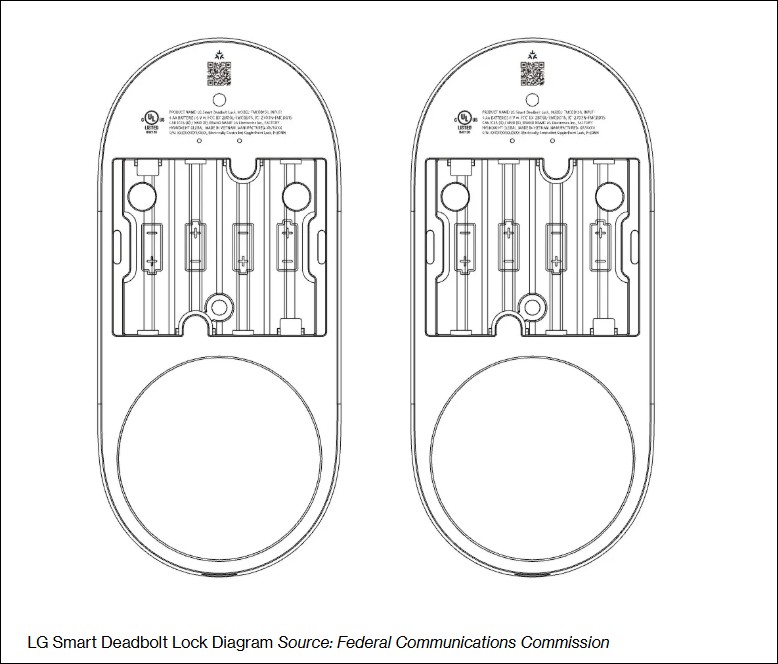
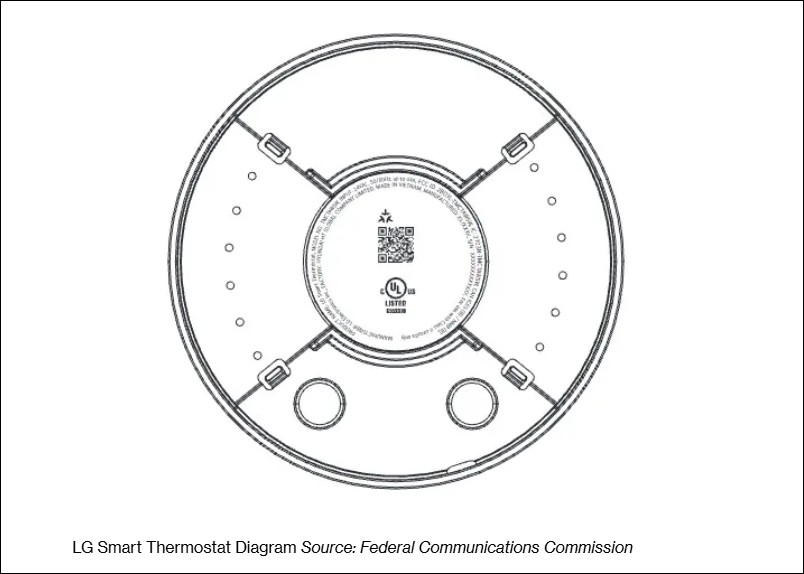
Spec-wise, they also line up with Apple’s ecosystem layout: most devices support Wi-Fi, Bluetooth, Thread, and Matter, while the electronic door lock adds UWB ultra-wideband, enabling features such as automatically opening the door as you approach. In other words, these LG devices are native residents of Apple Home by birth, not rebranded products piggybacking on the name.
What Is LG After: From a Home Appliance Maker to an AI Home Company
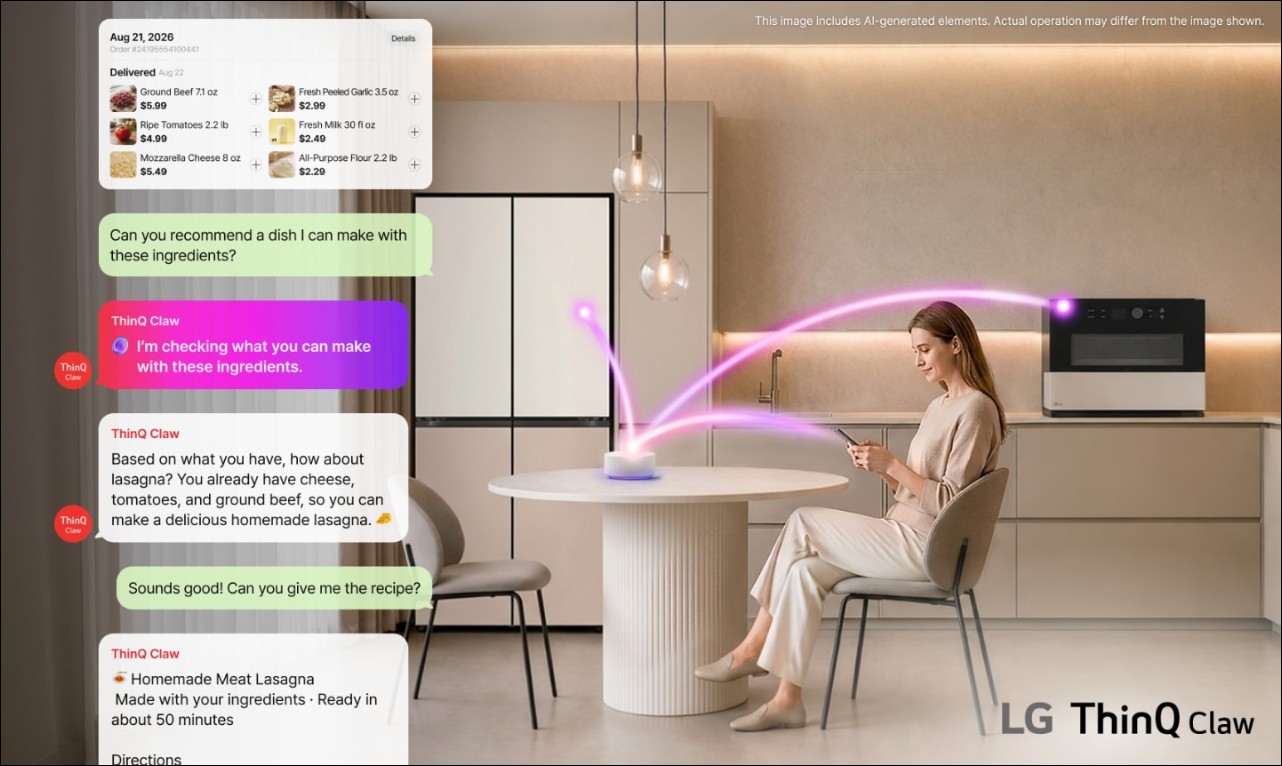
LG’s taking on this order is no coincidence. At IFA 2026 in late August, LG had just announced its new AI Home strategy: the ThinQ Claw chatbot butler (a Openclaw-like AI agent), which uses the acquired Homey platform to connect devices across brands, plus a home energy management system that links solar panels, home batteries, and charging stations to help you save on electricity bills. The direction is clear: transforming from an appliance maker that sells refrigerators and TVs into one that sells an entire AI home. But what LG lacks is exactly the security piece—doorbells, door locks, and cameras. Building it from scratch itself would be too slow; borrowing Apple’s design and ecosystem fills the gap all at once, and it can also piggyback on HomeKit’s privacy reputation to whitewash surveillance concerns. For Apple, it gets a ready-made manufacturing and after-sales system. Both sides get what they need.
HomePad is the real star, while LG is the supporting cast.
LG’s whole ecosystem is just a side dish; the main course is Apple’s own hub device. The rumored HomePad smart home hub is expected to be announced at the same event, alongside a new HomePod mini and Apple TV 4K, with all three launching together. The hub is codenamed J490, with an approximately 6-inch square display. The desktop version has a floating screen and round base in a nod to the iMac G4, while a wall-mounted version is for kitchens and hallways. Siri AI recognizes people to provide personalized information, and Guest Mode automatically hides private content. Recognition relies on voiceprints plus facial recognition, though the facial system is reportedly less accurate than the iPhone’s Face ID.
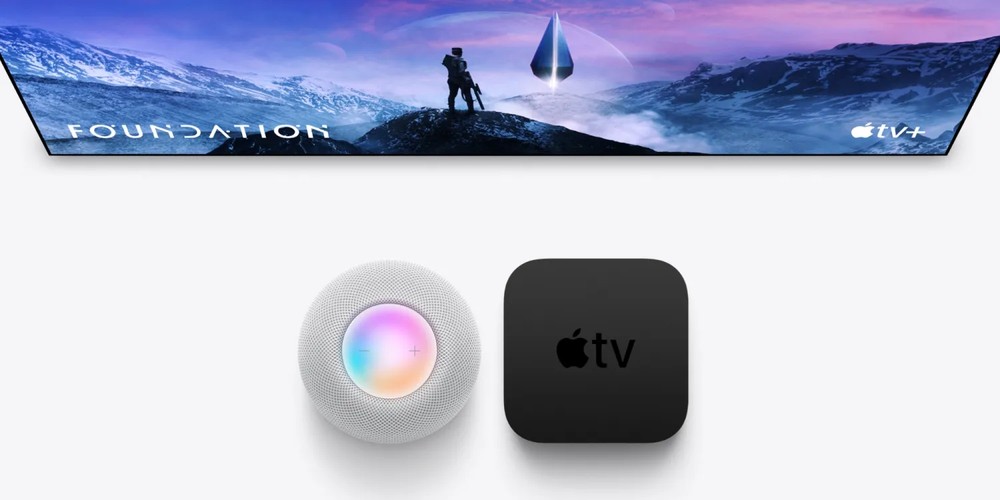
The HomePod mini 2 keeps the same design but switches to an N1 wireless chip with Wi-Fi 7 and Bluetooth 6 support, plus new pink and green color options; the Apple TV 4K gets an A19 chip with 8 to 12GB of RAM and can act as a home hub even when powered off. tvOS 27.2 beta 3 has already spilled the details: Apple Intelligence is coming to Apple TV, and Siri AI is exclusive to the new hardware; iOS 27.2, meanwhile, hides new HomeKit code that lets controls for nearby accessories be brought up directly in the iPhone’s Dynamic Island.
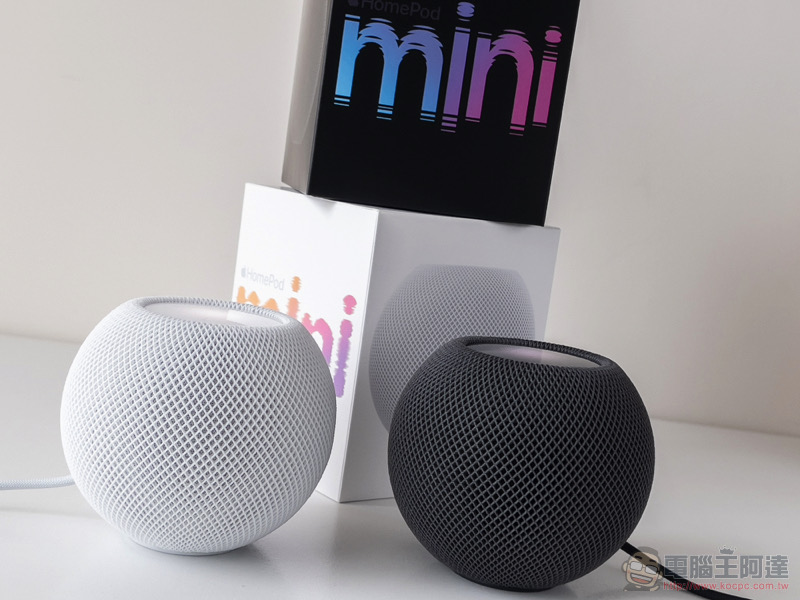
Gurman went further: Apple is laying out its follow-up product line. Next year there will be a HomePod with a 7-inch screen, and a desktop robot with a 9-inch screen is also on the way. But a word of caution: the three Apple-branded models are expected to go on sale soon, while LG’s batch will have to wait at least a few more months, with the earliest estimate being early 2027. By the way, as of press time Apple had not sent invitations. The October 13 date and the launch format both come from Gurman’s report; whether it will be an in-person launch event or a surprise press release could still change.
After twelve years, HomeKit is finally set to redeem itself.
Bloomberg has framed this wave as the official reboot of HomeKit. HomeKit launched in 2014, and for twelve years it has consistently failed to beat Amazon and Google. The market share data is honest: in the 2026 US market, Alexa has 37.1%, Google Home 26.2%, and Apple HomeKit 23.5%, with the UK roughly the same. The good news is that Apple is the fastest-growing of the three, up nearly 10% year over year, and also has the highest consumer satisfaction, quietly building a foundation. The competitor lineup is also very concrete: Amazon has Ring, Google has Nest, and they have long since sold the doorbell-plus-camera-plus-thermostat combo to death. This time, Apple is essentially copying their homework, but using privacy as its differentiator.
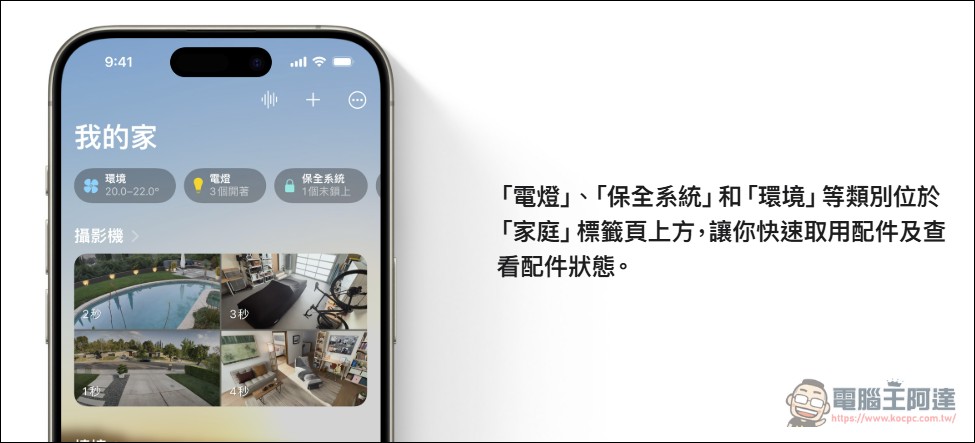
How do you play the privacy card? The answer is written in HomeKit Secure Video. Recordings first perform person, animal, vehicle, and package recognition locally on your Apple TV or HomePod, then are encrypted before going to iCloud. Apple itself can’t open them, the videos don’t count against iCloud storage, and they’re retained for ten days. You just need an iCloud+ plan—no separate camera subscription. The plan size determines how many cameras you can connect: 50GB supports 1, 200GB supports 5, and 2TB or more is unlimited. The AI features added in 2026—dynamic summaries, multi-camera viewing, and natural-language search of recordings—all require at least 2TB. There’s also a new rule in 2026: iPad can no longer be a home hub, and to use HSV you need an Apple TV 4K or HomePod. This also sets up the pitch for the selling points of three new products on October 13.
Ternus’s first move after taking office, with robots still to come
This round is also a new leader’s opening move. John Ternus only took over as Apple CEO on September 1 after coming from the hardware division, and the smart home is seen internally as one of the most promising growth engines. The pure-speaker route for HomePod is a dead end, so bringing him in to light the fire makes perfect sense. Gurman has also pretty much spoiled the follow-up product lineup: a 7-inch-screen HomePod next year, a desktop robot with a 9-inch screen that can swivel, and a privacy-focused room sensor that only analyzes and doesn’t record video. This batch of LG-branded products is just the appetizer; Apple’s own hardware army is still to come. Barring surprises, October 13 is the prologue to this big show.
Source:bloomberg
Source: KOCPC Chinese