


Magnetic USB‑C charging cables (those that require plugging into a magnetic adapter) may seem like the perfect fast charging solution at first glance, especially for devices that don’t support wireless charging, such as laptops. But in fact, these convenient magnetic cords hide huge risks that can destroy expensive equipment. This is why no major technology company has launched a magnetic USB-C cable so far. To be honest, saving those few seconds of plugging and unplugging the cable is not worth taking such a catastrophic risk.
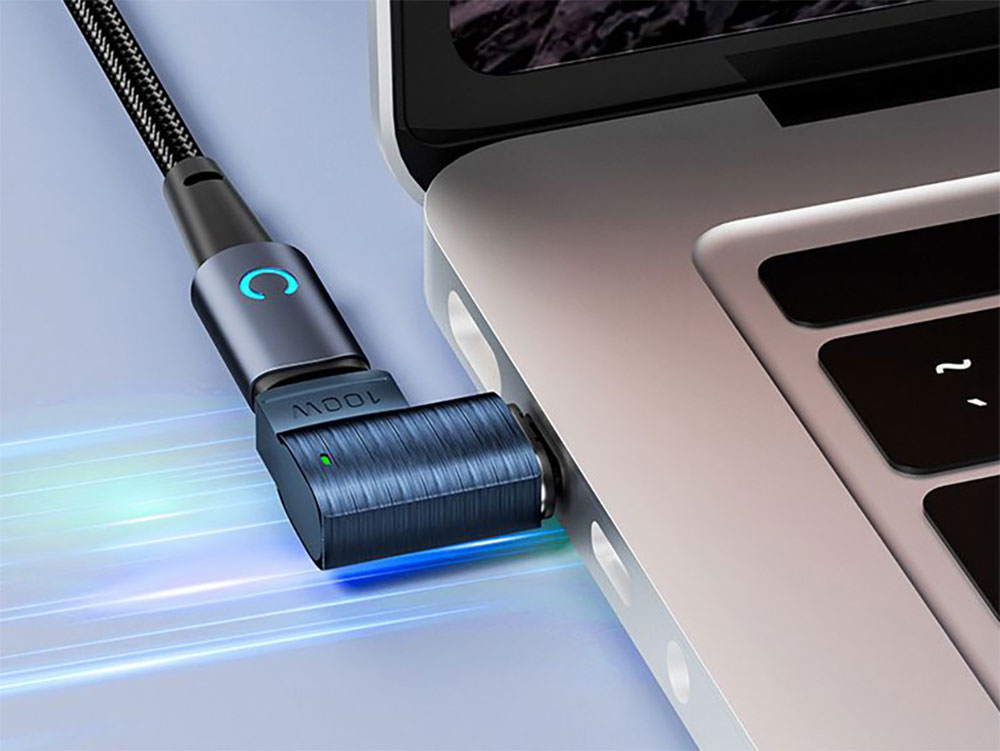
Magnetic USB-C adapters are convenient, but they can damage your device
Let’s be clear first: This is not referring to the kind of wire with a magnetic sheath to prevent tangles, nor is it the official magnetic specification of Apple MagSafe or Microsoft Surface Connect, which use proprietary pin designs to safely transmit power and data. What we are talking about is a third-party magnetic USB‑C cable, the kind that connects to a phone, tablet or any USB‑C device through a magnetic adapter for charging or transferring data. These products are all over Amazon, Kickstarter, and range from no-name brands to crowdfunded brands. Their selling point is simple: magnetic adapter + gold-plated contacts + quick disconnect design = no more tripping over wires, no more pulling your phone or laptop off the table. Coupled with the attractive specifications: 240W PD fast charging, 20Gbps transmission, braided cable, 4K display output… it seems to be a “god-level cable” that the technology giants don’t want you to know about. It even claims to reduce wear and tear on the USB‑C port. However, these promises are completely untenable in the face of reality, because this type of wire itself has serious structural risks.
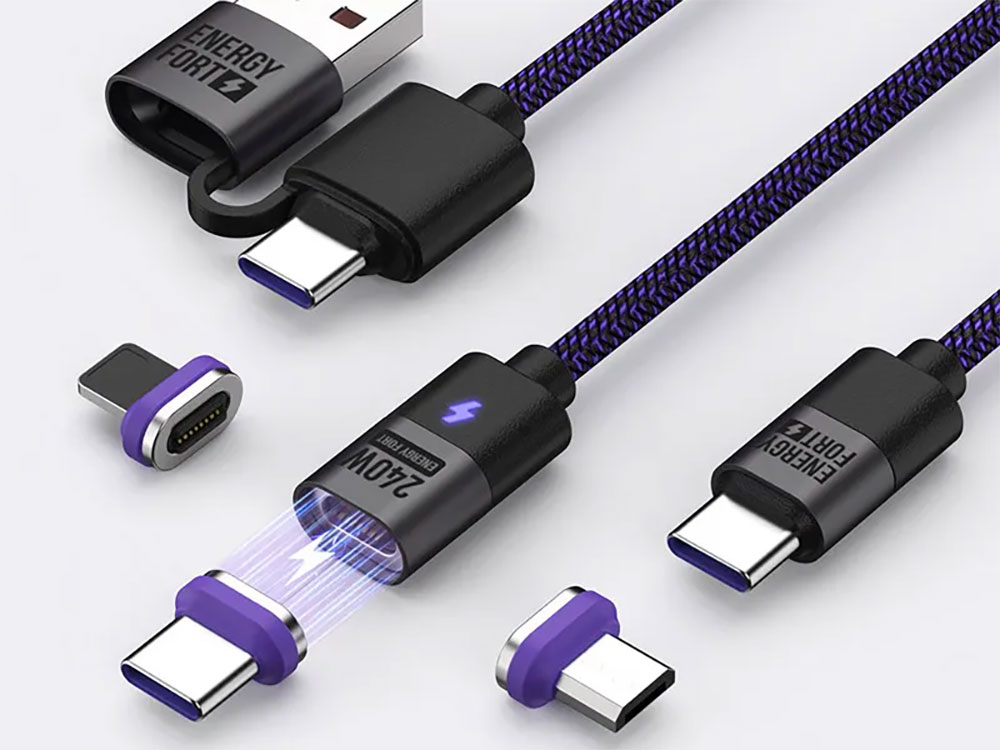
Why do magnetic USB‑C cables damage devices?
USB‑C adopts a reversible pin design, and the magnetic adapter also has multiple sets of pins responsible for power, grounding and data transmission. As long as the wrong pins short-circuit each other at the moment of disconnection, a voltage spike may occur and directly burn the internal components of the device. Someone on Reddit shared their harrowing experience and even found a German official warning against uncertified USB‑C cables, and TEDi recalls magnetic wires due to fire risknews. Even if the equipment is not burned out, magnetic data cables are known to be “unstable”. They may disconnect without warning or be subject to electromagnetic interference. If you are transferring files, it is only a matter of time before the data is damaged.
A warning about magnetic USB type C charging cables
by u/DifficultEstimate7 in ValveIndex
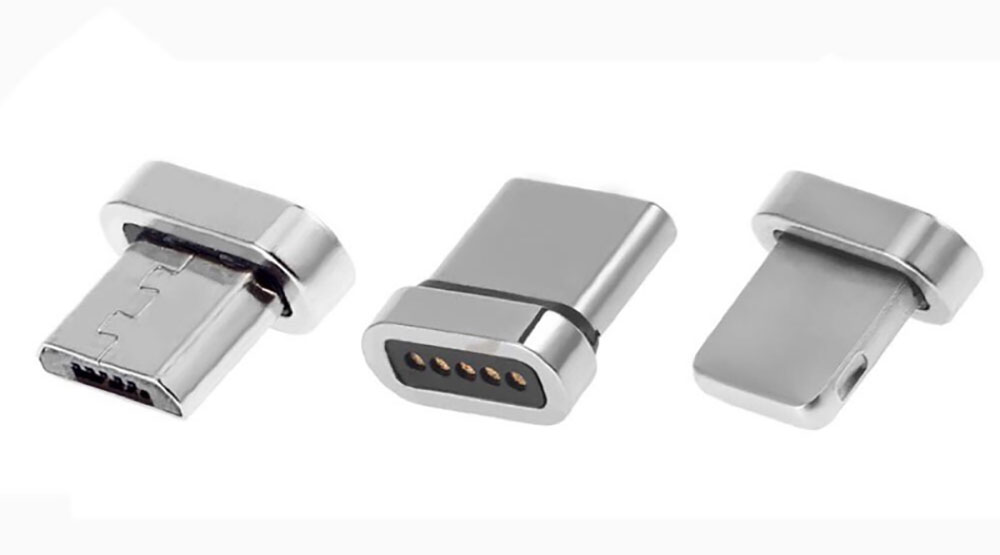
Even worse: the adapters themselves are dangerous, too
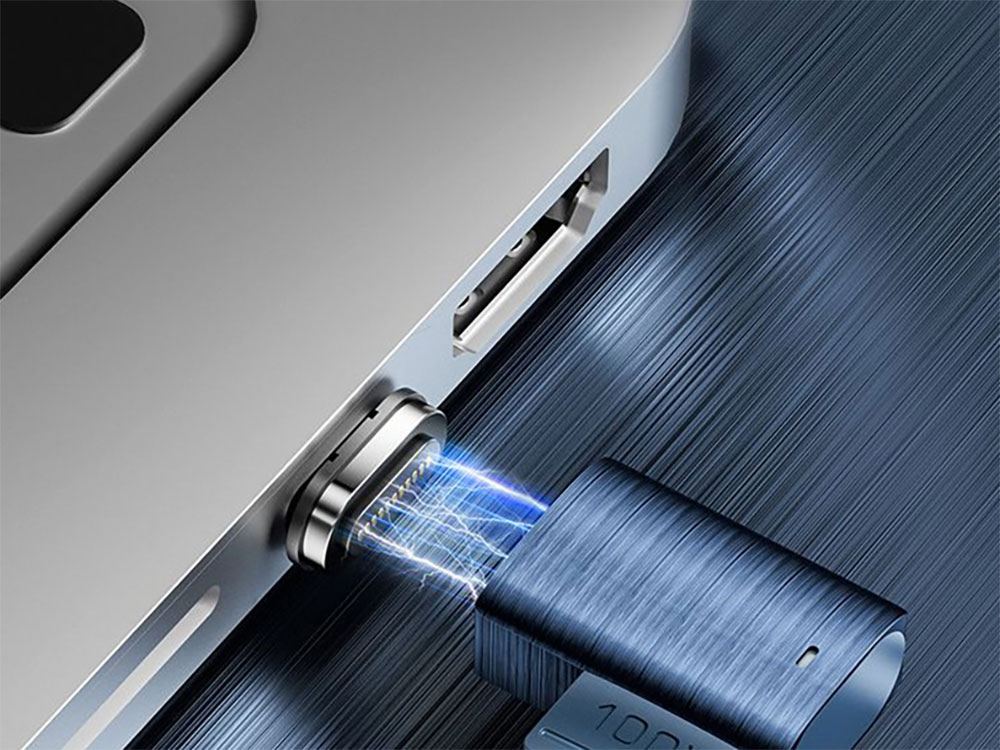
Another selling point of the magnetic cable is that “one cable matches multiple adapters”, which can support USB-C, micro-USB, and Lightning at the same time. But these little adapters that plug into the device are their own source of risk. The reason why the USB‑C port is designed to be recessed is to prevent foreign objects from contacting the pins, while the pins of the magnetic adapter are exposed. These risks are not exaggerated, but are structural flaws of the magnetic USB‑C design itself:
- Strong magnets can attract metal scraps, staples, needles and other items, causing short circuits.
- An electrostatic discharge (such as walking across a carpet and touching an adapter) can destroy a motherboard in an instant.
- The adapter protrudes, and a slight drop can break it and damage the USB‑C port.
- The slight amount of leverage when holding the phone can slowly bend the pins inside the USB‑C port, eventually causing permanent damage.
Want the convenience of magnetic attraction? Wireless charging is the right solution
If you just want the convenience of magnetic charging without the risk of damaging your phone by using a magnetic USB‑C cable, choose a reliable Qi2 magnetic wireless charger or power bank and pair it with a MagSafe protective case to enjoy the convenience of magnetic charging without any danger. Unfortunately, this convenience cannot be applied to laptops or other USB‑C devices. The safest option for these devices is still to use an original or certified USB‑C cable, and the little convenience a magnetic USB‑C cable brings is far from outweighing the huge risks it may pose.
Source: KOCPC Chinese