


After news of the Steam Machine, Steam Frame, and a new generation of Steam Controller came out one after another, fans also began to wonder about Valve’s next hardware plans, and one of the most discussed questions is, of course, when it will launch a successor to its PC handheld Steam Deck. But given the turbulence in the hardware market in recent years, Valve will inevitably become more cautious in its plans in this area.
First launched in February 2022, the Steam Deck is one of Valve’s most successful hardware products in recent years. One of its biggest advantages is that the handheld successfully landed an extremely attractive market position and a very reasonable price-to-performance ratio, and it even sparked a whole new PC handheld boom among other hardware makers. However, with the “memory chaos” triggered by major AI companies still raging on, follow-up plans have become quite tricky.
Before this, Valve had actually already discussed the possibility of launching a successor to Steam Deck. However, at the time, they stressed that if they were really going to release a “Steam Deck 2,” it absolutely could not be just a minor upgrade to the first-generation handheld; it would have to deliver a “meaningful generational upgrade” while also maintaining the original console’s affordable pricing. In today’s hardware market, many more powerful PC handhelds have appeared one after another, proving that the technology to achieve a major upgrade already exists, but these products usually come with significantly higher prices, making achieving this goal increasingly difficult.
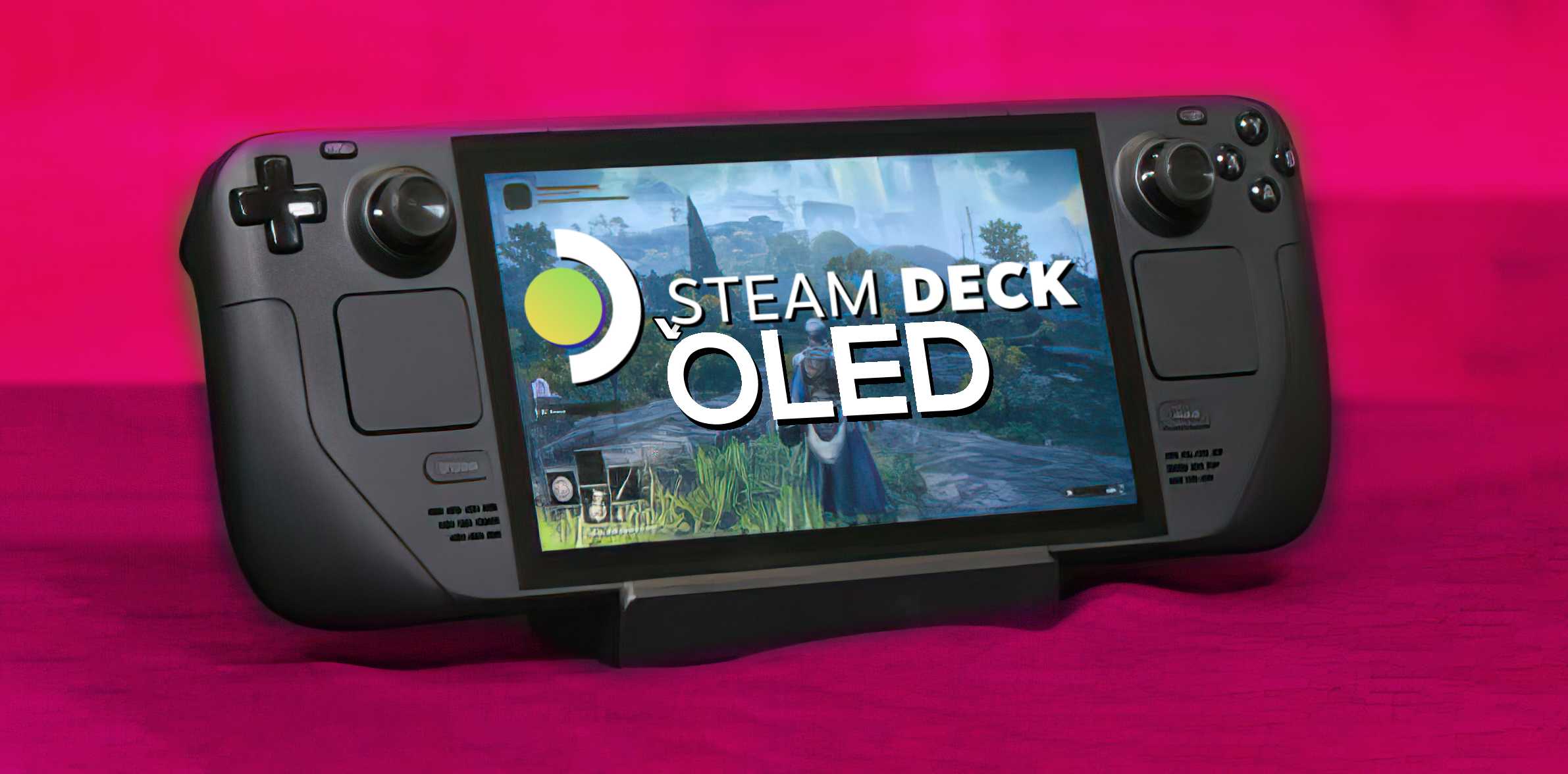
In a recent interview with IGN, Valve hardware designer Pierre-Loup Griffais was asked whether the “memory chaos” had changed their design philosophy for the Steam Deck 2. The developer answered no, saying that Valve still wants the Steam Deck 2 to deliver a significant performance upgrade, while the actual launch timing has indeed been considerably affected by this.
「We have said in the past that when we launch something like a next-generation Steam Deck in the future, we want to deliver a very clear performance improvement, but for now we have to keep watching the overall market trends and think about how and when to realize that kind of product plan. But based on the plans we are currently working on, the user experience, and the hardware we are designing, the goal has basically not changed much,」he said.
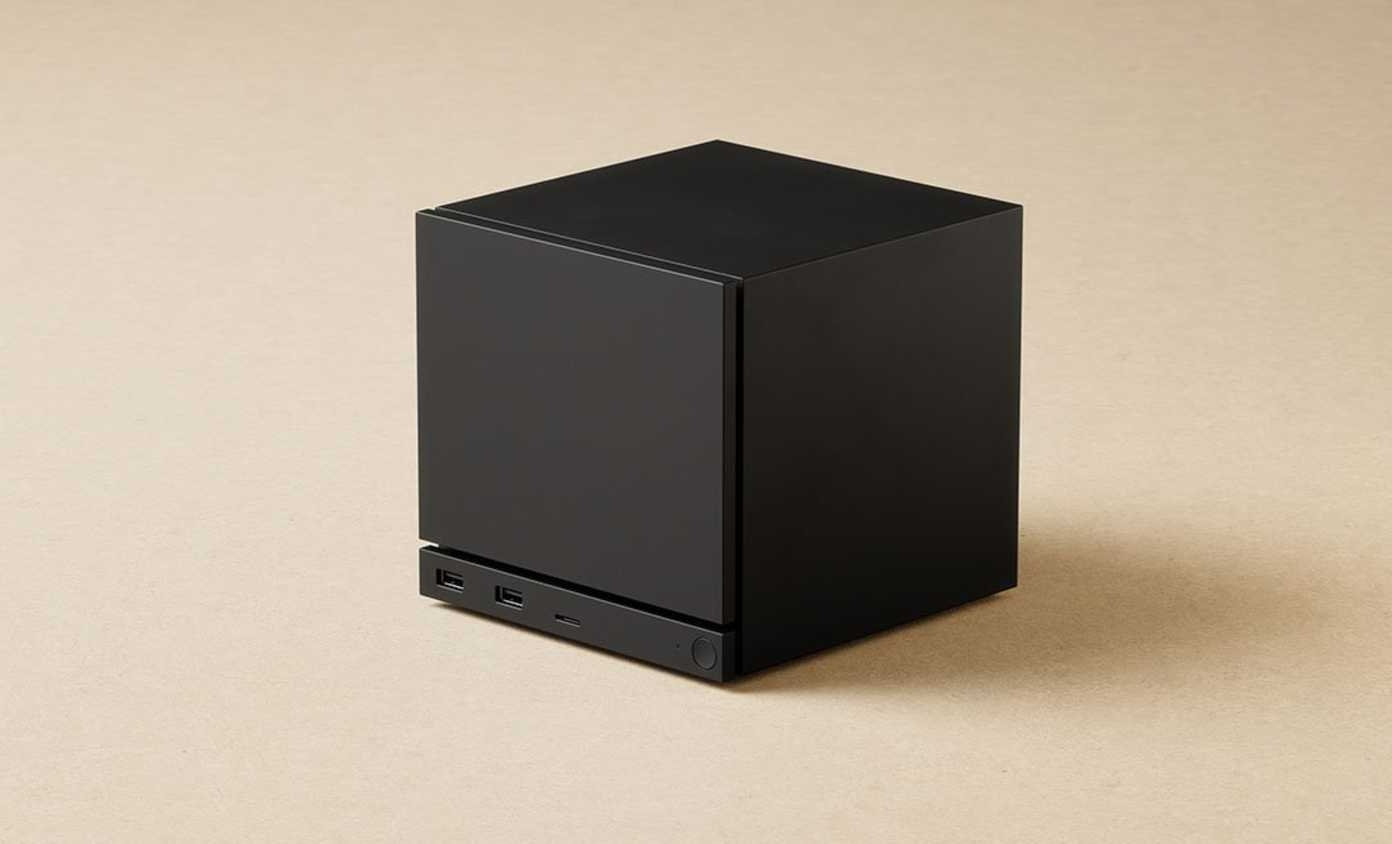
As a result, the still-raging “memory chaos” has left Steam Deck 2 stuck in the same predicament that major hardware products have had to face recently. And beyond this Valve handheld, Sony’s PlayStation 6 is reportedly also deeply affected by the problem. Amid all this, many manufacturers of the latest hardware products, like Valve, hope to achieve significant performance gains in their newest products while at the same time not letting the costs of these technologies spiral out of control.
In addition to the planned new products, this “memory crisis” has also dealt a blow to many products that have already launched, with graphics cards, memory, SSDs, game consoles, and even the original Steam Deck all seeing a wave of price increases. As for Valve’s Steam Machine, launched earlier this year, it may be one of the most tragic victims.
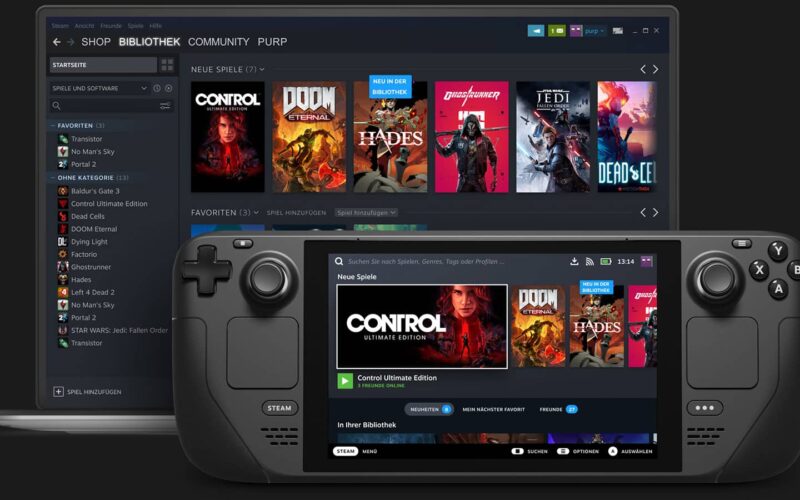
Shortly after this PC console was officially unveiled, global memory prices began to skyrocket due to the large-scale expansion of AI data centers, ultimately forcing Valve, which had already put it into production, to launch it at a price “beyond what players find acceptable,” sparking considerable controversy. As for the still-rumored Steam Deck 2, Valve has more ample time, but one thing is certain: when it finally launches, it will inevitably deliver performance far beyond the original Steam Deck.
Source: KOCPC Chinese