


No matter where you park your car or how many sun-protection measures you take, a vehicle parked outdoors will inevitably become a giant “oven,” especially in direct sunlight. Sometimes we have no choice but to leave our phone in the car for a while, but during the time you’re away, the phone battery may be suffering more damage than you can imagine.
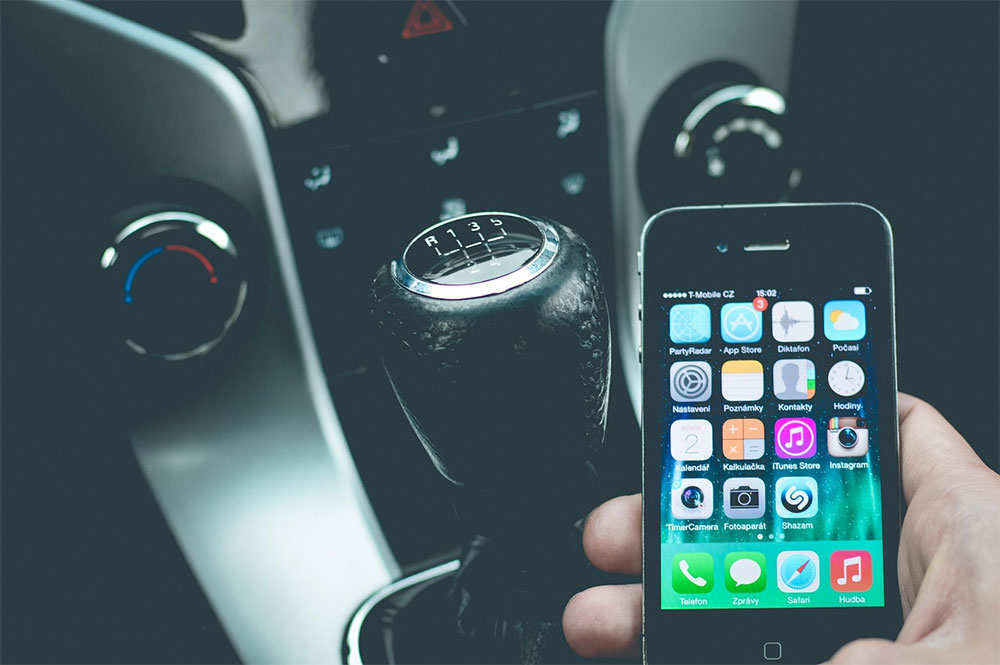
What are the consequences of leaving a phone in a hot car?
Your phone overheats faster than you think.
Many people know that the temperature inside a car is higher than outside, but they often underestimate how quickly and how much it rises. Research shows that in weather of about 29°C, when a car is parked in direct sunlight for just one hour, the interior temperature can rise to about 46°C, and the dashboard surface temperature can even soar to 85°C. Such temperatures are already far beyond the recommended storage range for most smartphones. Take Google Pixel as an example: its official recommended maximum storage ambient temperature is about 45°C, and it specifically reminds users not to leave their phones in a car or place them on a dashboard exposed to direct sunlight.
Even if you put your phone away in the glove compartment or another enclosed space, that doesn’t mean you can completely avoid high temperatures. Although it can reduce direct sunlight exposure, the overall environment inside the car will still keep heating up, and your phone may still be exposed to dangerous temperatures.
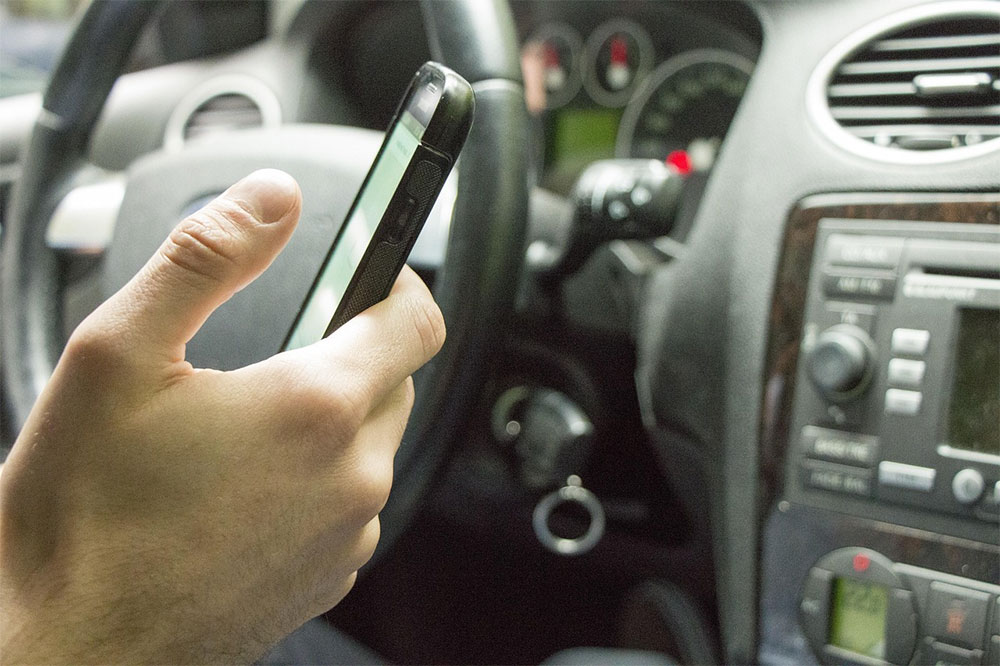
Phones actually protect themselves proactively.
Modern Android phones have multiple built-in temperature sensors that continuously monitor the temperature of the battery and other important components. When a phone is left in a hot car, as the ambient temperature continues to rise, the system begins to activate protective mechanisms. First, it restricts background activities such as app syncing, push notifications, Wi-Fi scanning, location updates, and cellular network activity, while also lowering screen brightness to reduce heat generation. Some models even temporarily disable power-hungry features such as the flashlight or 5G network.
If the phone is charging, the situation can become even more serious. Because charging itself generates heat, when the system detects that the temperature is too high, it usually slows down charging or even stops charging altogether to prevent the battery from undergoing more heat stress. If the temperature continues to rise, the phone will display an overheating warning and enter power-saving mode; if the heat still cannot be reduced, many models will eventually shut down automatically to protect internal components.
Some phones won’t even allow a restart until they have cooled to a safe temperature. So when a phone shuts down due to overheating, don’t rush to repeatedly try turning it back on; the best thing to do is let it cool down naturally.
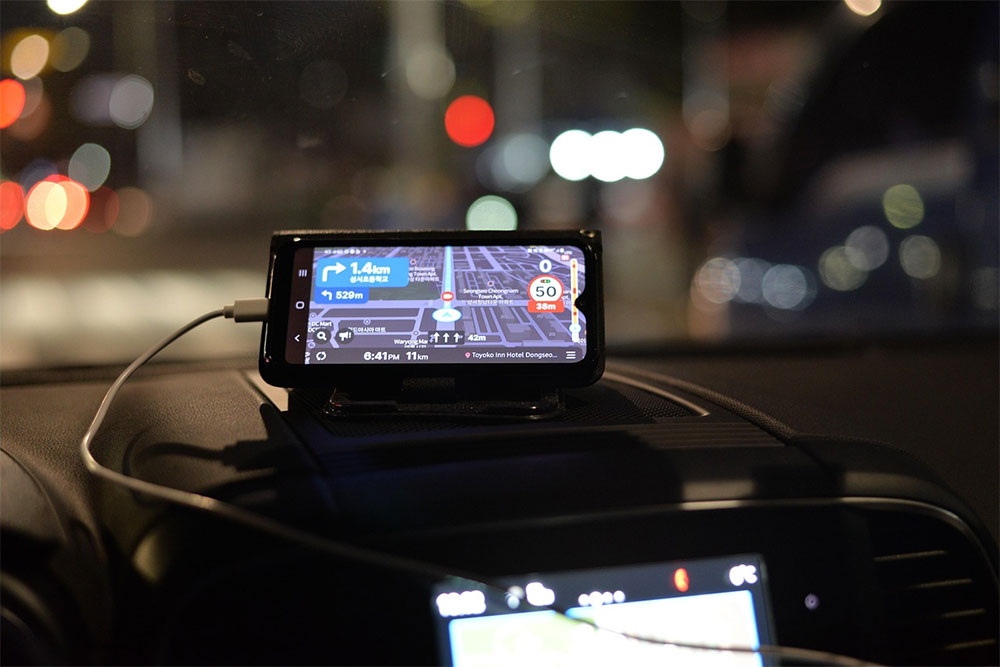
High temperatures can cause permanent damage to the battery.
Once your phone is back to normal operation, you may notice that its battery life seems to have dropped noticeably. This is because high temperatures accelerate the chemical reactions inside lithium-ion batteries, increasing the self-discharge rate and reducing energy conversion efficiency. In addition, extreme temperatures can temporarily affect the system’s estimate of the remaining charge. Some people have found that a phone that originally showed 100% battery, after being left in a hot car for several hours, displayed that the battery was completely drained.
However, abnormal battery level is only a surface phenomenon. What is more concerning is that high temperatures accelerate the aging of lithium-ion batteries, permanently reducing battery capacity and increasing internal resistance. Although all phone batteries gradually degrade with charge and discharge cycles, frequently leaving your phone in a hot car will undoubtedly significantly speed up the aging process. Over time, you may clearly notice that your battery life is not what it used to be.
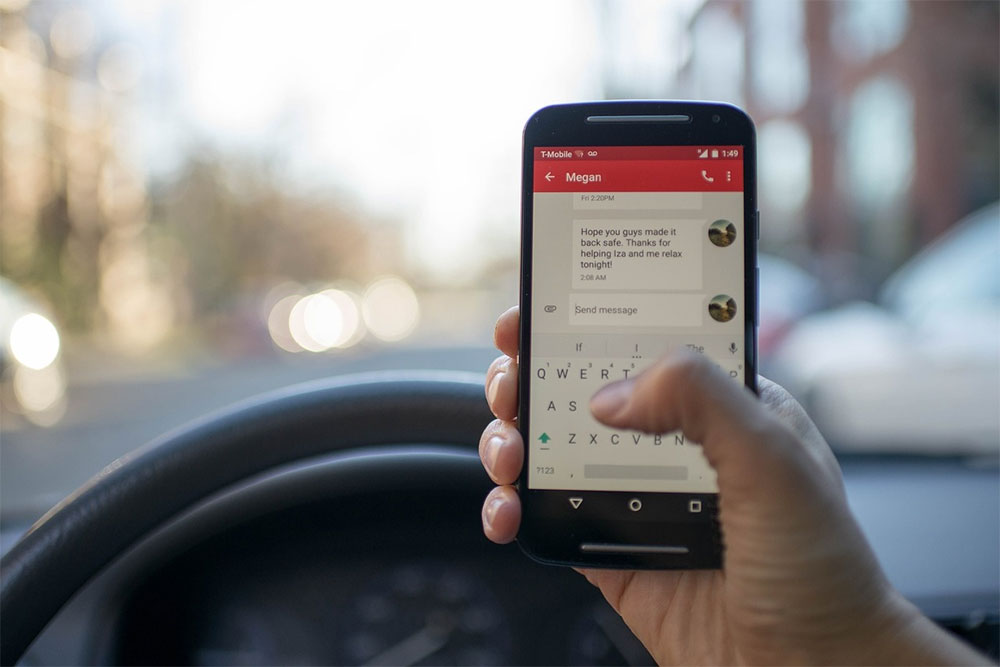
In extreme cases, it may even cause a fire.
Apart from capacity fade, a more serious risk is so-called “thermal runaway.” Thermal runaway is a chain reaction inside the battery that continuously self-heats and, in extreme cases, can lead to smoke, fire, or even an explosion. Although modern smartphones are equipped with multiple layers of safety protection, the chance of thermal runaway occurring is very low, but prolonged exposure to high-temperature environments still increases the risk of battery damage, so it should not be ignored.
How can you reduce the risk of a phone overheating in a car?
Although smartphones have some heat resistance, temperatures inside a parked car on a hot day can still far exceed the safe range. While an insulated bag can slow the rate of heating, it cannot completely prevent heat from accumulating; if you must leave your phone in the car, turning it off completely will help reduce the heat the phone generates itself more than leaving it in standby mode.
In addition, it is recommended to place your phone away from the car windows, such as under the seat, in the center console storage area, or in the trunk—areas less likely to be exposed to direct sunlight—and to leave it there for as short a time as possible. The safest approach is still to take your phone with you when you leave the vehicle; after all, even just a few dozen minutes of sun exposure can cause irreversible damage to battery life.
Source: KOCPC Chinese