


When you fully experience VR for the first time, the new sense of immersion is truly amazing, and can even be said to be a revolutionary breakthrough. However, this type of technology is often accompanied by bulky devices—head-mounted displays, haptic gloves, and various accessories, which somewhat reduce its convenience. In contrast, smart glasses like Meta Ray-Ban show a completely different technical route. They allow users to truly “free their hands” to use powerful AI tools. This experience is hard not to be excited.
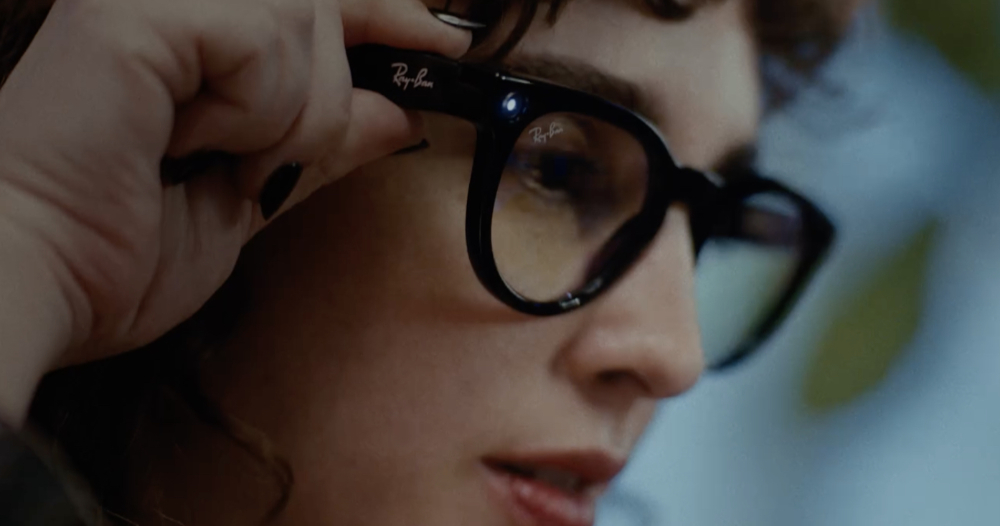
For privacy and security reasons, you should not wear smart glasses in these places
At the same time, security and privacy issues have also emerged. The recording function of smart glasses is secretive and difficult to detect. Regardless of whether it is in use, the risk is always there. Recently, the U.S. Air Force banned the use of this popular new technology because of this feature, which shows that in an environment with high security requirements, they may indeed pose a threat. Of course, this does not mean that smart glasses themselves are a wrong invention. In fact, from the way of information presentation to the integration of functions, they may be one of the most representative innovations in the fields of productivity and entertainment in recent years.
However, the risks of smart glasses do not always come from the user’s malicious intent, and sometimes even occur without the user’s knowledge. Therefore, many places have strictly restricted or even banned its use. This technology is still evolving rapidly, and people’s regulations and responses to it are also constantly adjusting. Below, we’ll take a look at the places, situations, and activities where it’s best to avoid wearing smart glasses.

Gym, gymnasium locker room
Gym and photography have never been an ideal combination, so in such an environment, smart glasses have naturally become the focus of controversy. After all, many people wear regular glasses for long periods of time, and some smart glasses look almost indistinguishable from regular glasses. As smart glasses become more common, everyone you meet is likely using them. Whether Ray-Ban Meta AI glasses are worth buying is a matter of opinion, but this technology is quickly moving towards the mainstream.
It is worth noting that people wearing smart glasses may not have done anything wrong, but just “wearing” them may make people around them feel uneasy, which is completely understandable. The gym should be a space where everyone can exercise freely; conversely, if someone is discovered or suspected of wearing smart glasses, they may suffer unnecessary harassment. These contradictions are the complex realities that smart glasses face in public spaces.
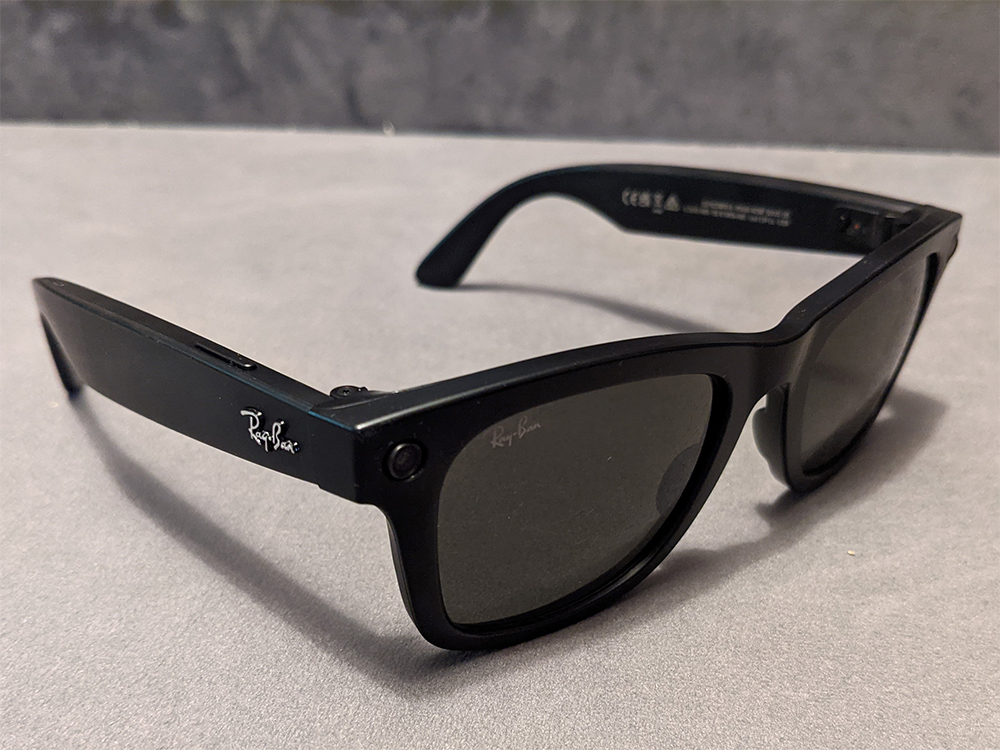
in various examination rooms
As long as there are exams, cheating methods seem to be endless. Traditional handwritten cheat sheets are no longer secret enough. And today, with the popularity of smart glasses, there is no need to rely on this primitive method. Organizers of standardized tests have certainly been aware of emerging threats of this kind and have taken rapid response measures. For invigilators responsible for preventing cheating, although smart glasses are often difficult to distinguish from ordinary glasses in appearance, there are still some identification clues for reference. This also highlights the reality: cheating technology continues to evolve, and anti-cheating measures will continue to follow up, forming a never-ending attack and defense. While some cheating techniques are harder to detect than others, the risks alone are reason enough to ban the use of smart glasses in exams.

Hospital
In medical settings such as hospitals and clinics, patients should expect that their privacy will be fully respected. However, the reality is that hospitals are often busy and chaotic during peak hours, and even then, treatment spaces must be strictly protected to comply with the principle of medical confidentiality. It’s worth noting that this kind of privacy is not one-way: healthcare workers also need to perform their jobs without interference, and the emergence of smart glasses may affect this.
Even if the user does not intentionally record sensitive information, wearing glasses with video recording capabilities may pose significant risks. Patients often wait for a long time in hospitals, especially outpatients, who may stay in public areas such as waiting rooms for long periods of time; but once they enter private diagnosis and treatment spaces, people’s expectations for privacy will naturally increase significantly. Anyone who is filmed or videotaped without consent may feel uncomfortable. This is already the case in public places, but the problem is compounded in medical settings that carry more pressure and sensitive information.
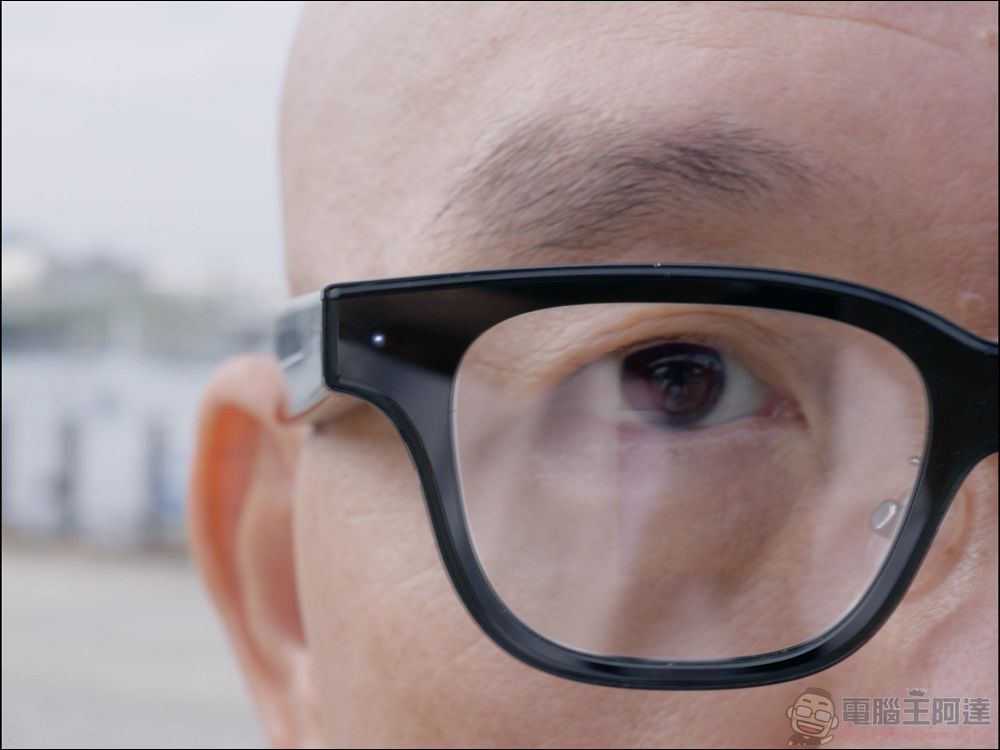
Source: KOCPC Chinese