


WAN (Wide Area Network) and LAN (Local Area Network) may sound like technical jargon, but they are actually the two most common types of computer network architectures. The biggest difference between the two lies in coverage: LAN primarily serves smaller areas, while WAN can span much broader geographic regions.
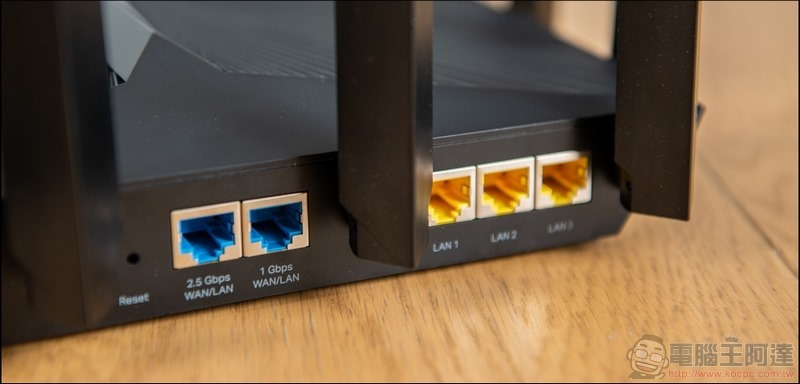
What is the WAN on the back of a router? How is it different from LAN?
What is a WAN (Wide Area Network)?
The main function of a WAN (Wide Area Network) is to connect devices or networks in different locations, enabling them to communicate and share data. Compared to a LAN, a WAN covers a much broader area, spanning cities, countries, or even the entire globe. In fact, the largest example of a WAN is the internet we use every day—a vast network formed by countless interconnected devices and networks that fully demonstrates the immense scale and practical value of wide area networks.
WAN can be implemented through various wired and wireless technologies, such as leased lines, fiber optic networks, and satellite communications. Enterprises often use WAN to connect offices in different cities or countries, enabling employees to collaborate across regions, exchange information, and access shared resources.
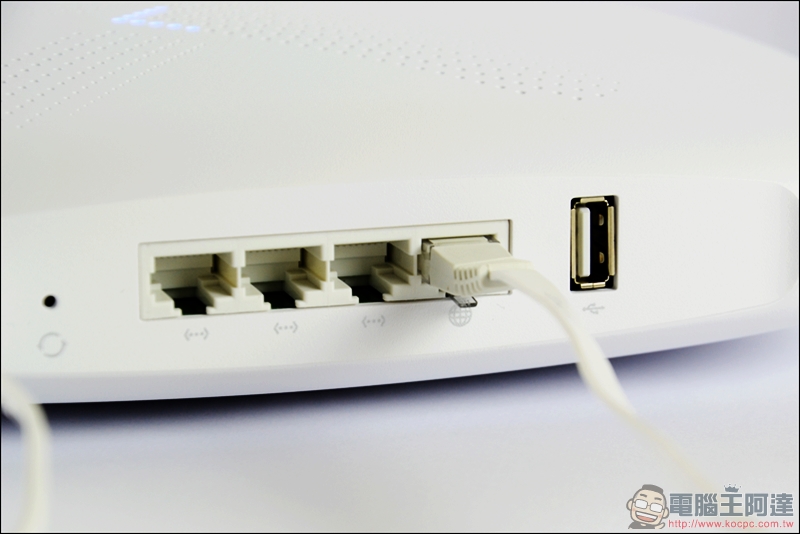
If you’ve ever looked at your home Wi-Fi router, you probably noticed that the back usually has a port labeled “WAN.” This port is responsible for receiving the network signal from your internet service provider (ISP) and connecting the router to the external network, that is, the internet. So when you replace your router with a new one, you must first plug the network cable provided by your ISP into the WAN port; otherwise, even if the Wi-Fi signal is working fine, your devices still won’t be able to access the internet.
What is LAN (Local Area Network)?
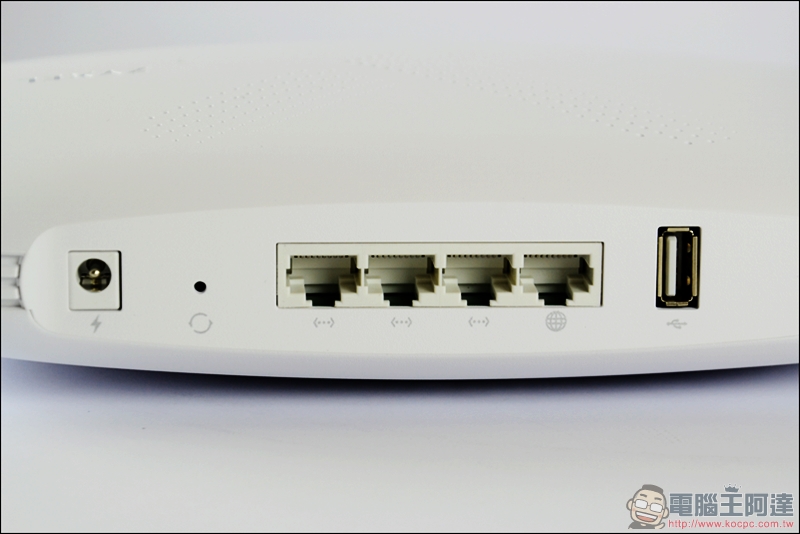
LAN (Local Area Network) is also a network architecture used to connect multiple devices, with the goal of allowing devices to communicate with each other and share data and resources. However, LAN coverage is typically smaller and limited to specific areas, such as homes, offices, schools, or internal enterprise environments. Unlike WAN, which spans vast geographic areas, LAN focuses on device connections within a local area. From a certain perspective, WAN can also be seen as a large network formed by linking multiple LANs, enabling LANs in different regions to interconnect with one another.
Other differences between LAN and WAN
Besides differing in coverage, the two also differ in network architecture.
A typical LAN usually only needs one router as a gateway between the internal network and the external internet. A WAN, on the other hand, covers a broader area and often requires multiple routers, switches, and other network devices to work together to ensure stable connections between different regions.
A home Wi-Fi network is the most common example of a LAN. All devices connected to the same Wi-Fi network, such as phones, computers, tablets, and smart TVs, can exchange data through the router and access the internet. Many Wi-Fi routers also come with multiple LAN ports, making it easy to connect devices like printers and network-attached storage (NAS) to the local network via Ethernet cables. Some smart TVs also have LAN ports, allowing them to connect directly to the router with a wired connection for a more stable network experience.
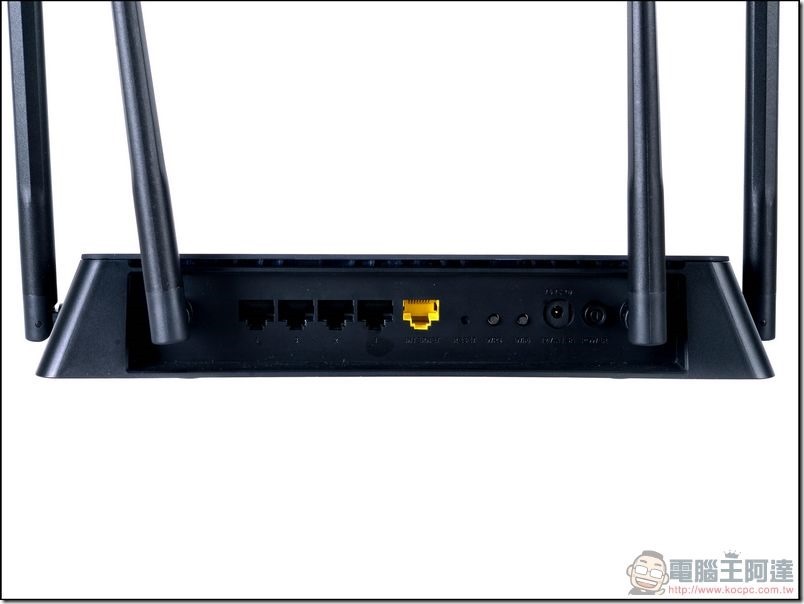
In summary, LAN connects devices within a small area, while WAN links LANs and devices across different regions. Together, they form the foundational architecture of modern network communications.
Source: KOCPC Chinese