


Android system updates have gradually transformed into a series of small but stable improvements, and eye-catching changes are no longer common between versions. However, the Android version is actually more important now than ever before.
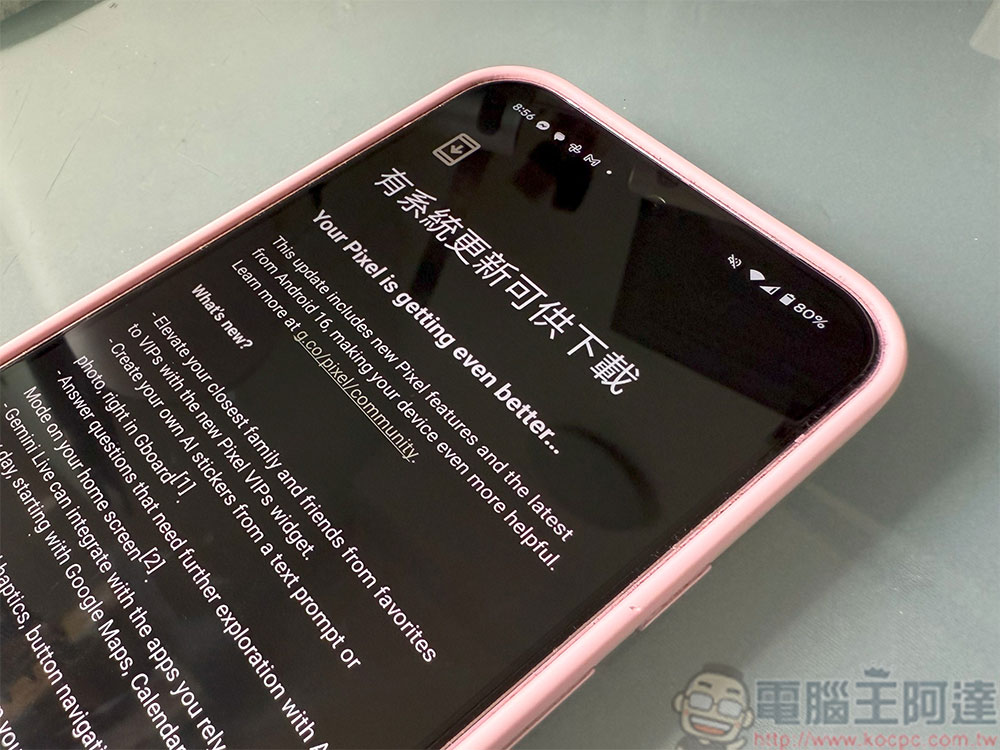
The version of Android on your phone matters more than you think
New version from the past = breaking changes
In the early days of Android, every version update was like opening a gift, with new features and major interface adjustments. The leap from “gingerbread” to “ice cream sandwich” is a classic example. The interface has become simpler, frequently used applications have been moved to the bottom of the screen, Google has introduced a new Roboto font, and the navigation buttons have been redesigned, which almost did not exist in the gingerbread era.
The underlying functions such as gadgets, browser speed, contacts and camera have also been fully upgraded, as if a new operating system has been installed. However, since Google stopped naming versions after desserts, the surprise of the updates has gradually weakened.

The update has become “small steps and fast running”
Although modern Android updates are no longer as flashy as they used to be, their importance has increased. The most obvious example is “privacy and security.” Recent generations of Android versions have given users more granular control over phone functions and app permissions:
- Android 13 requires applications to obtain read permissions for different types of media, and adds a “photo picker” to prevent applications from reading all photos at once.
- Android 14 further provides the option of “Partial Photo/Video Access”.
- Android 15 adds “Privacy Space”, which allows users to hide specific applications with passwords. The concept is similar to the “Lock Album” that has been used for many years.
These updates may not be flashy, but in a world where our phones carry a lot of personal data, their importance is self-evident. Of course, in addition to security, other aspects of the system are also making steady progress, but most of these improvements will not make people exclaim as soon as they unlock the phone.
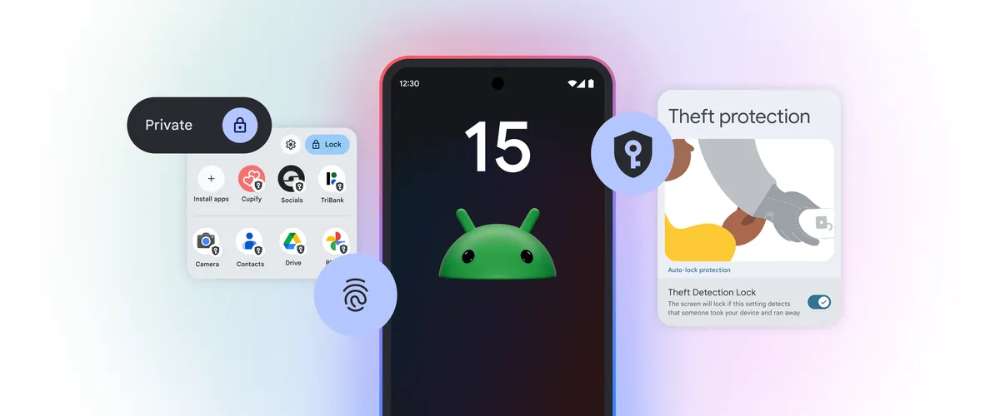
The update has changed from “major changes” to “fine-tuning”, partly due to the maturity of the hardware itself. Moore’s Law no longer applies, and the performance improvements between mobile phone generations are not as obvious as in the past. In addition to occasionally interesting features like the Pixel’s temperature sensor, hardware design no longer has breakthrough ideas every year. Smartphones have been around for nearly 20 years and have evolved from rapid iteration to stability and maturity. This is a natural development.
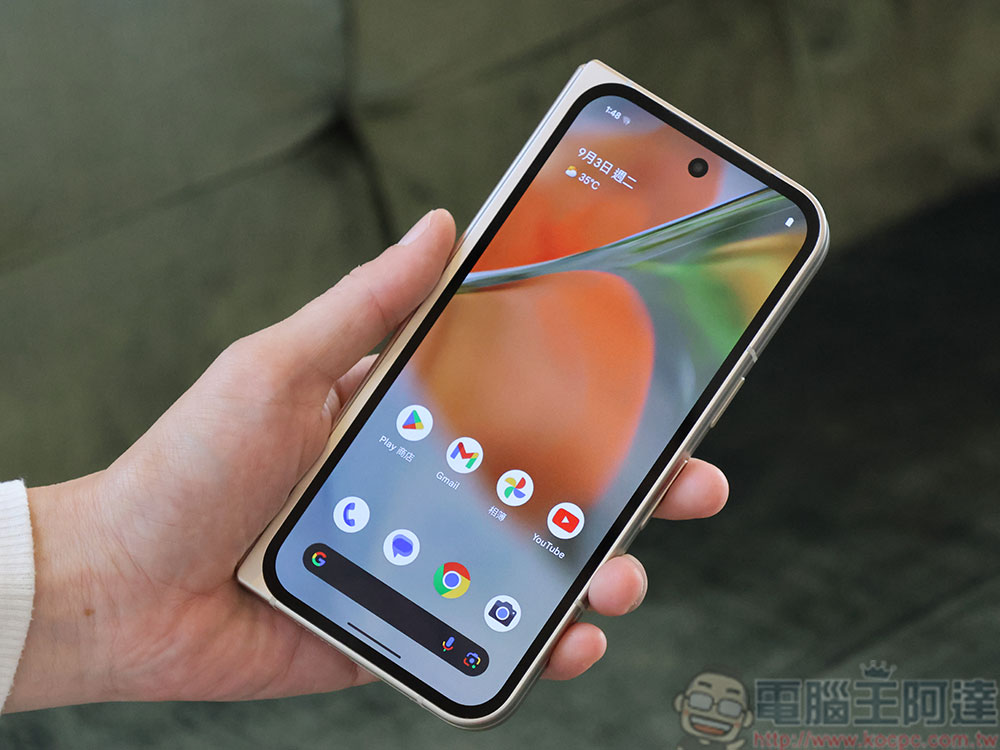
This does not mean that Android itself has nothing new, but that more highlights come from the customized functions of each manufacturer. Therefore, even if the system itself is not updated with much fanfare, each mobile phone can still create differentiation through special functions.
- Google Pixel: AI call screening, Now Playing, in-house camera algorithm, etc.
- Samsung One UI: completely different interface from native Android, Expert RAW, Dex desktop mode, etc.
- Other brands: Almost every brand has its own little ingenuity, such as Motorola’s “cutter-style gesture to turn on the flashlight.”
Mobile phones have changed from “novel toys” to “life infrastructure”
When Android 2.3 (Gingerbread) launched, smartphones were still a novelty. Nowadays, they have become a necessity of life: payments, banking, medical care, menus, identity verification… almost everything. In this context, system updates no longer pursue gorgeous appearance innovation, but focus on stability, security and practicality. This may not be a bad thing, after all, we need reliable tools now, not annual surprises.
Source: KOCPC Chinese