


Over the years, the performance of smartphones has advanced by leaps and bounds. Screen resolution has jumped from 480p to 4K, processing performance has increased several times, and camera pixels have exceeded 20 million. The appearance of mobile phones has also become thinner and more fashionable. However, some people still think that “thickness” is a problem, but in fact, this problem no longer exists.
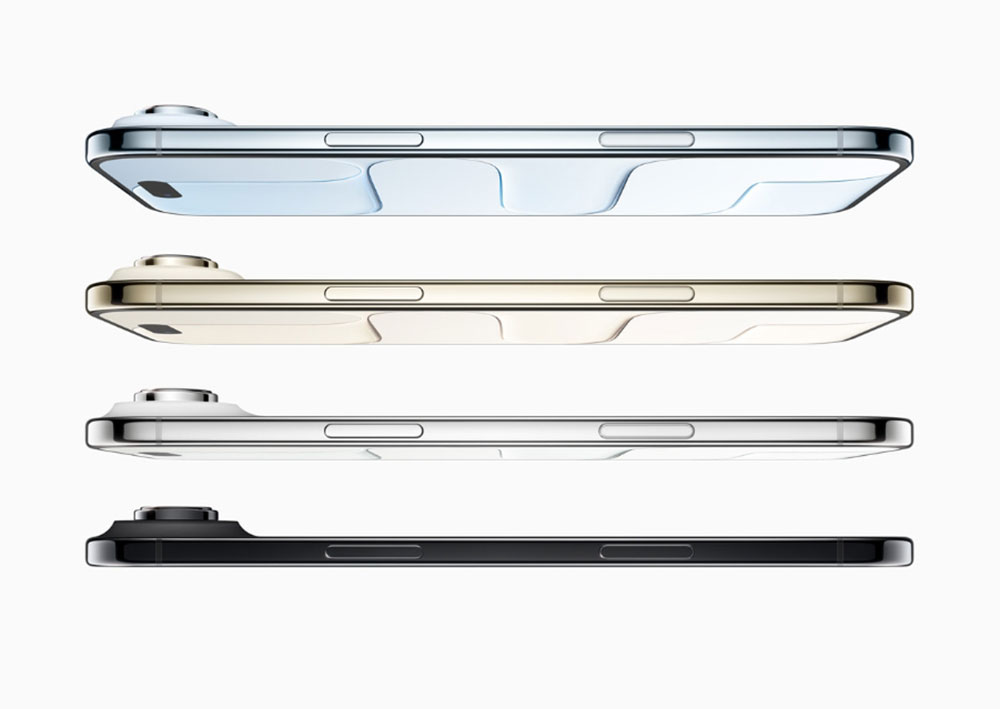
Is the thickness of mobile phone important? In fact, consumers don’t care that much
When it comes to the physical size of a phone, we talk about it in a very different way than other technological advancements. Everyone will complain that mobile phones are getting bigger and bigger and more and more difficult to operate with one hand, but few people mention how thin mobile phones have become. The reason is simple: Thickness was solved years ago, but the tech industry still pretends it’s a priority for consumers.
we have come a long way
Anyone who’s been using smartphones since the early 2000s knows how incredibly thick phones used to be. Devices such as Motorola DROID and BlackBerry Curve are almost as thick as a deck of playing cards. Even the first-generation iPhone, which is famous for its thinness and lightness, is close to the thickness of an AA battery. After that, the thickness of mobile phones quickly decreased, but it soon reached its limit.
- The Galaxy S shrunk from the original 9.9mm to 7.9mm in three years.
- The original iPhone was 11.6mm, which dropped to 7.6mm on the iPhone 5 five years later.
- The Nexus One had 11.5mm, and six years later the Pixel only has 8.5mm.
In the early 2010s, “thinner” was one of the main themes of mobile phone launches, and obvious differences could be seen every year. For example, iPhone 5 is nearly 2mm thinner than iPhone 4. However, by the 2020s, the difference in thickness between new phones and their predecessors was often minimal, and after a certain point, manufacturers finally realized: phones no longer need to be endlessly thinner.
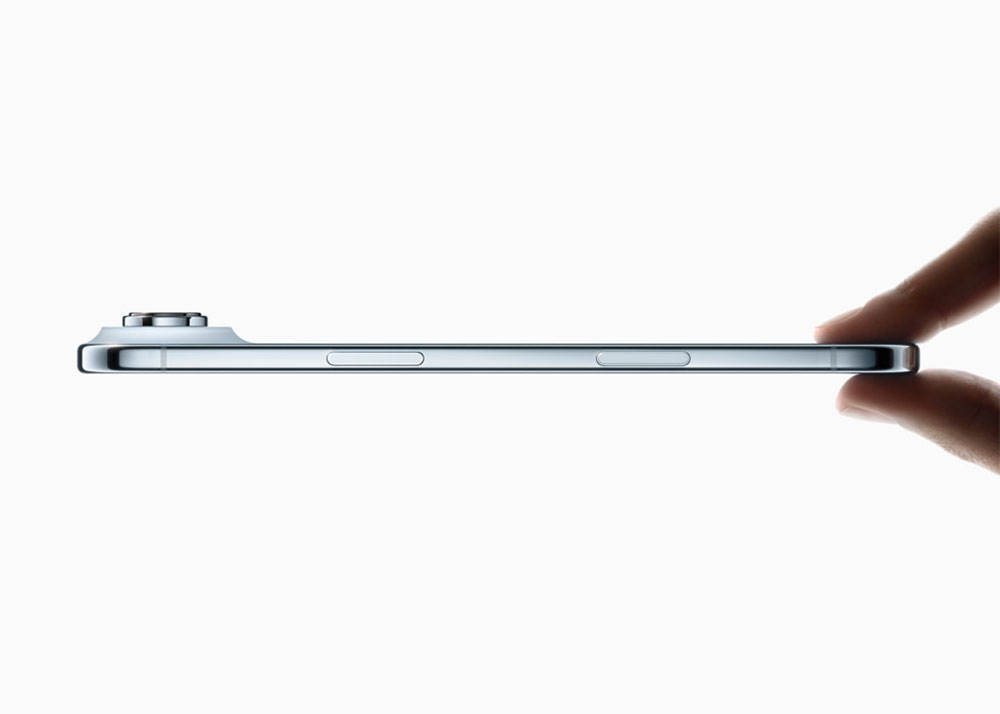
Taking the Galaxy S series as an example, the thickness of the base models over the past decade ranged from 7.2mm to 8.5mm. The thickness difference between the 2016 Galaxy S7 and the 2026 Galaxy S26 is only 0.7mm. The same is true for the iPhone. Although Apple is known for its pursuit of thinness and lightness, the iPhone 17 is actually 0.9mm thicker than the iPhone 7. Google’s Pixel line is even more obvious: the Pixel 10 is just 0.1mm thinner than the original Pixel from 2016.
Ultra-thin phone? no one really cares
For most consumers, the thickness of a mobile phone is not a purchase consideration at all. Personally, I never look at the thickness number on the specification sheet and only compare the height and width. Samsung launched the Galaxy S25 Edge last year, which featured a 5.8mm ultra-thin body (even thicker than the phone in 2016). The result was a dismal sales volume of only one-fifth of the Galaxy S25+, itself already the least popular model in the series. The ultra-thin iPhone 17 Air launched by Apple a few months later also suffered the same fate. Its sales not only lagged behind all iPhone 17 models, but even lost to some iPhone 16. No matter how cool the appearance was, the market still didn’t pay for it.
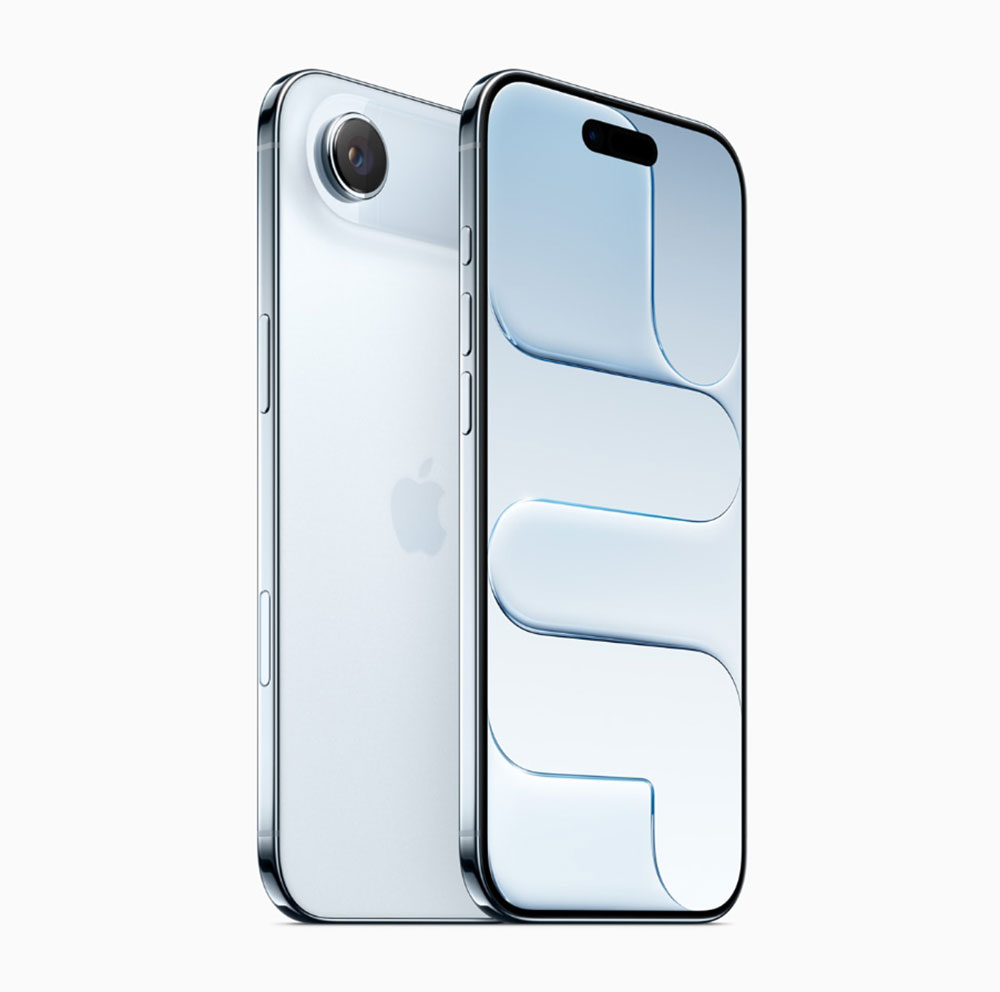
Consumer obsession with phone thickness has long since disappeared. Pixel phones have always been thicker than competing products, but you can hardly find complaints on major well-known forums. The Galaxy S25 is thinner than the iPhone 17, but Apple has surpassed Samsung in global shipments for the first time in 14 years. Thickness has long been no longer one of the main battlegrounds.
Source: KOCPC Chinese