


When Google launched Pixel 10a, everyone immediately compared it with Pixel 9a. After all, the two phones are almost identical in terms of processor, camera sensor and overall design. At first glance, it looks more like a “Pixel 9.5a” than a new Pixel 10a, but honestly, I don’t blame Google for that. Pixel 9a is a very lovable mobile phone. If you want to extend the advantages of the previous generation to the new phone, 9a is definitely a model worth copying. The Pixel 10a is positioned like most smartphones: it’s not for Pixel 9a users to upgrade, but for those who still have older phones and want to experience the latest performance.
Of course, some people will say: “Can’t I save money and have a similar experience by buying Pixel 9a?” This is indeed a reasonable idea, but there are still several reasons why Pixel 10a is more worthy of choice. After using Pixel 10a for about a week, I would like to share my experience with you.
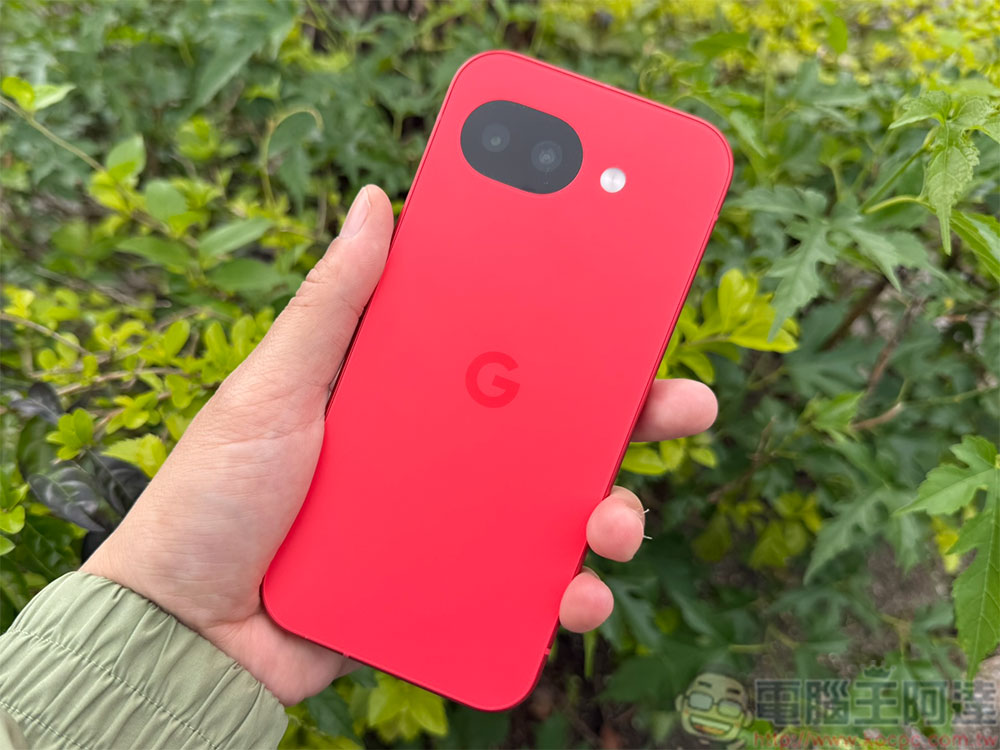
Google Pixel 10a actual test and hands-on play: you can have a better user experience on a limited budget
Pixel 10a’s design and vibrant colors are eye-catching
Although the Pixel 10a is not the thinnest phone in the world, I quite like its weight of only about 184 grams. When comparing the Pixel 9a and Pixel 10a side by side, I can tell that the 10a is significantly lighter. This may not be a key factor in deciding which phone to buy, but it can be seen that Google is placing more emphasis on lightness and compactness in this generation of products. These details may seem small, but don’t underestimate the impact of bright colors on the appeal of a phone. The new berry color of Pixel 10a is so cute. Google still has more ideas than most brands in injecting fun and personality into its products.
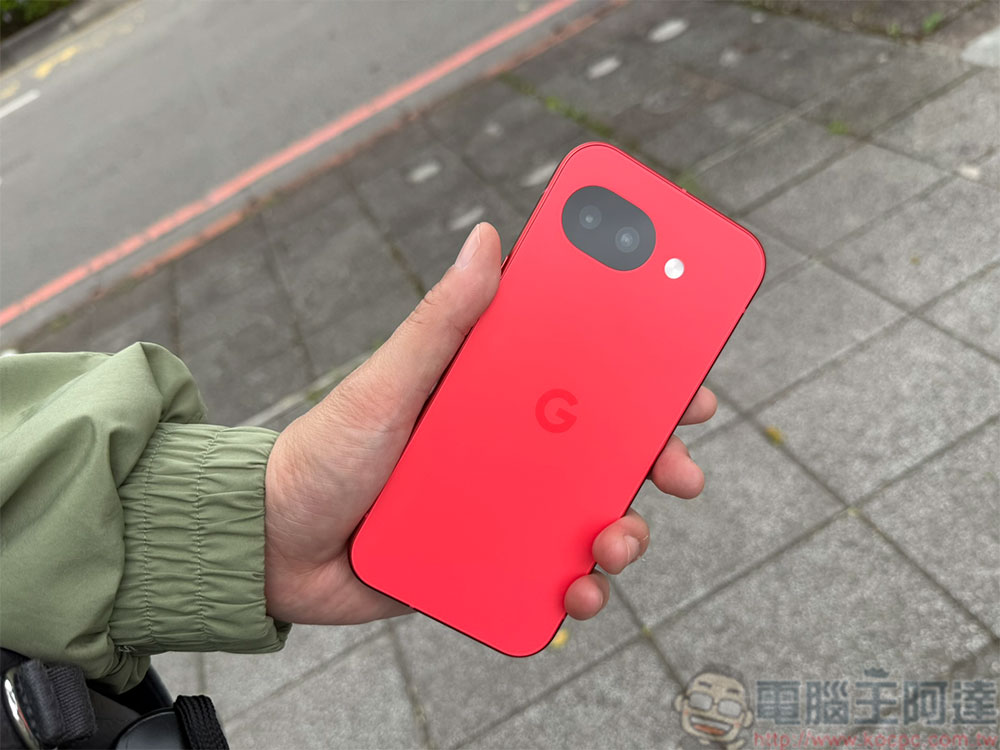
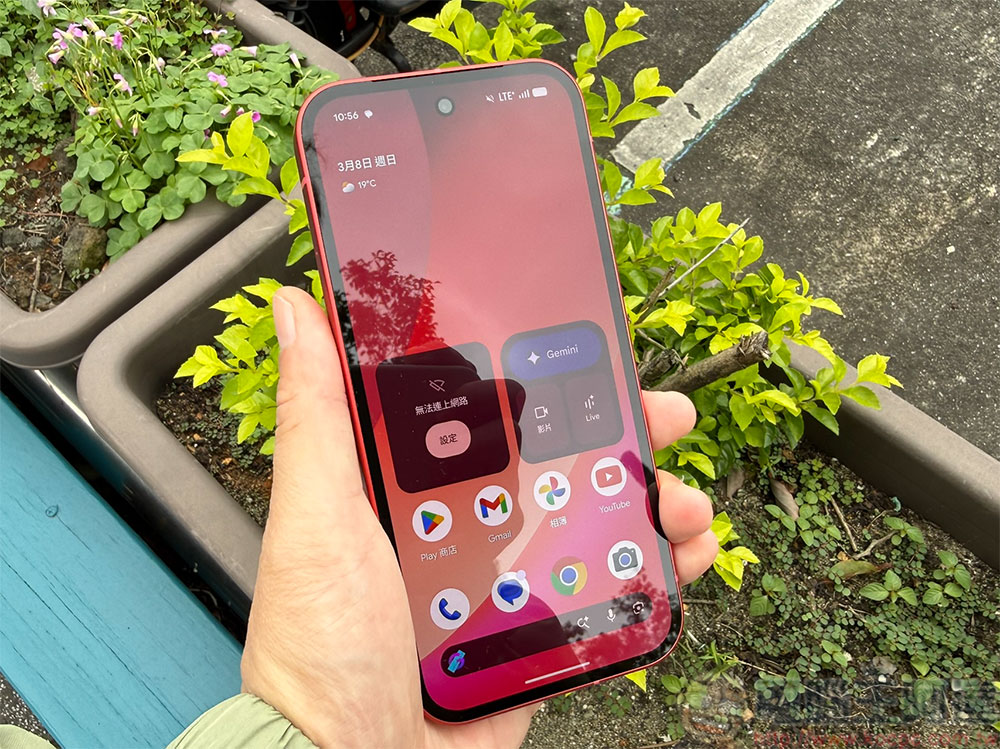
When Google increased the screen size to 6.3 inches last year, I was worried that the Pixel 9a would lose its compact charm. Fortunately, the Pixel 10a still maintains a light feel, making it a pretty good choice for people who no longer want to be weighed down by a thick phone. In terms of screen performance, Pixel 10a also delivered excellent results. Although the Actua panel of the A series is not as top-notch as the Super Actua of the Pixel 10 Pro series, at the price point, it is impossible to be dissatisfied. The brightness is sufficient, outdoor visibility is good, and the color saturation is also very pleasing. Google has narrowed the bezels a bit in 2026, but if you’re sensitive to bezels, it’s still on the more obvious side.
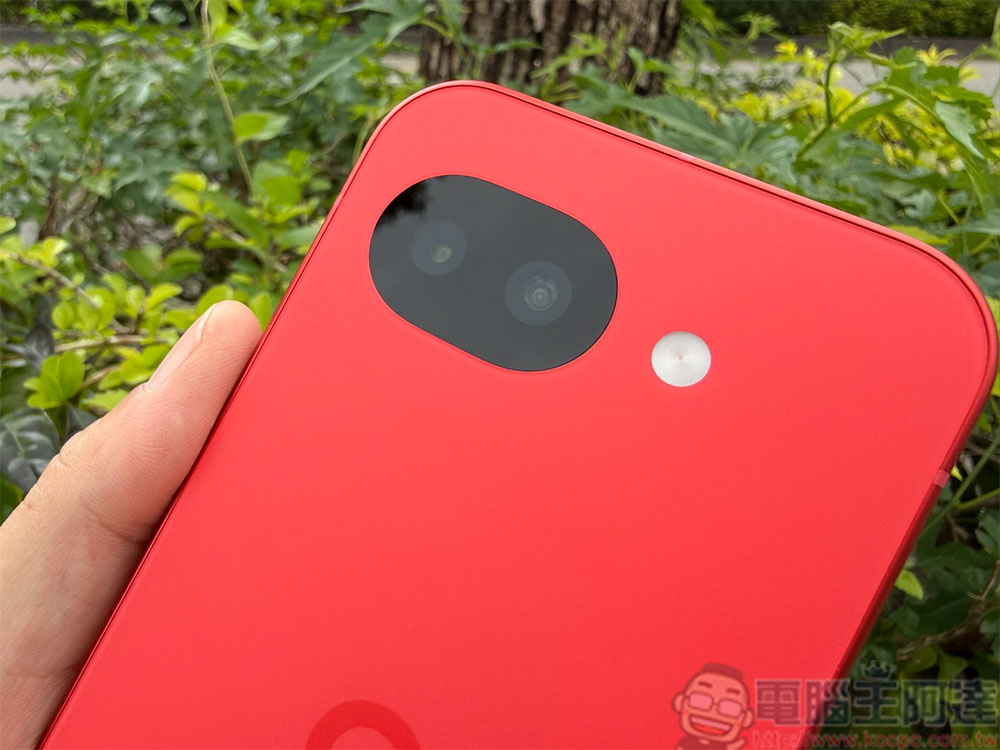
As for the back design, I originally didn’t think the small camera module of the Pixel 9a was a problem, but seeing the completely flat back of the Pixel 10a is still amazing. The camera sensor doesn’t actually need to be significantly raised. I really hope other brands can follow this cleaner design.
Software upgrade
When Google launched Quick Share with AirDrop support last year, the Pixel 9a was left out of the list, and now this feature has finally been added. While the entire process is still a little cumbersome (which is understandable given Apple’s complete lack of involvement), at least it works, which is practical enough.

As for Gemini Live, it’s still one of the features I rely on most. Gemini Live is the most natural way to have free-flowing conversations with Gemini. Whether you want to make a hard choice, learn something new, or brainstorm ideas for a project, you have an “advisor” who can provide advice. You can also interrupt or change the topic mid-conversation. Gemini Live can also have conversations through pictures, files and videos seen on Pixel. Whether you need to provide suggestions for event content based on the venue, or need any assistance, Gemini Live can serve as a personal AI assistant and give valuable suggestions.
Performance and battery life
Both Pixel 10a and Pixel 9a use the same Tensor G4 processor, so performance is basically the same. The Pixel 10a works quite smoothly in games, multitasking is no problem, app switching is fast and responsive, and the overall daily use experience is exactly as expected. In terms of battery life, the Pixel 10a can actually last about a day and a half. Using PCMark’s Work 3.0 mode to conduct a power test, the result was 23 hours and 41 minutes. This probably means that if I didn’t charge it the night before, I would have to recharge it around noon the next day. I’m not a heavy user, at least not doing extremely power-consuming tasks like shooting 4K videos, but I am highly dependent on the Internet and the frequency of mobile phone usage is not low. Under such circumstances, this battery life performance is quite reasonable and even exceeds expectations.

Pixel 10a charges slightly faster. Wired charging power has been increased from 23W to 30W, which is consistent with the charging speed of the Pixel 10 flagship version. In actual use, this can shorten the estimated charging time by approximately 15 minutes. Wireless charging power is only increased from 7.5W to 10W (still not as good as the 15W of the high-end Pixel). Without the Pixel Snap feature found on higher-end Pixel models, actual charging speeds are affected by a number of factors, such as slight misalignment, so this tiny boost isn’t all that reliable. In addition, reverse wireless charging is still not supported.
Wi-Fi speeds remain the same, but Bluetooth has jumped from version 5.3 to version 6.0. This means you can expect a more stable connection with your wearable device, whether it’s a smartwatch or a smart ring. Bluetooth LE audio enhancements will also improve the experience of using wireless earbuds and headphones.
The camera is still good
Pixel 10a uses the same rear dual-lens configuration as the previous generation Pixel 9a, with a 48-megapixel main lens (supporting macro) and a 13-megapixel ultra-wide-angle lens that supports up to 8x zoom. It is worth mentioning that the main camera of Pixel 10a is almost the same as that of Pixel 10 Pro. For less than half the price, you can get almost the same shooting experience and image quality. Interestingly, the Pixel 10a’s front-facing selfie camera has 13 million pixels, which is higher than the Pixel 10’s 10.5 million pixels, but its maximum frame rate for 4K recording is only 30fps, while the Pixel 10 can reach 60fps. Below we can take a look at some actual photos:






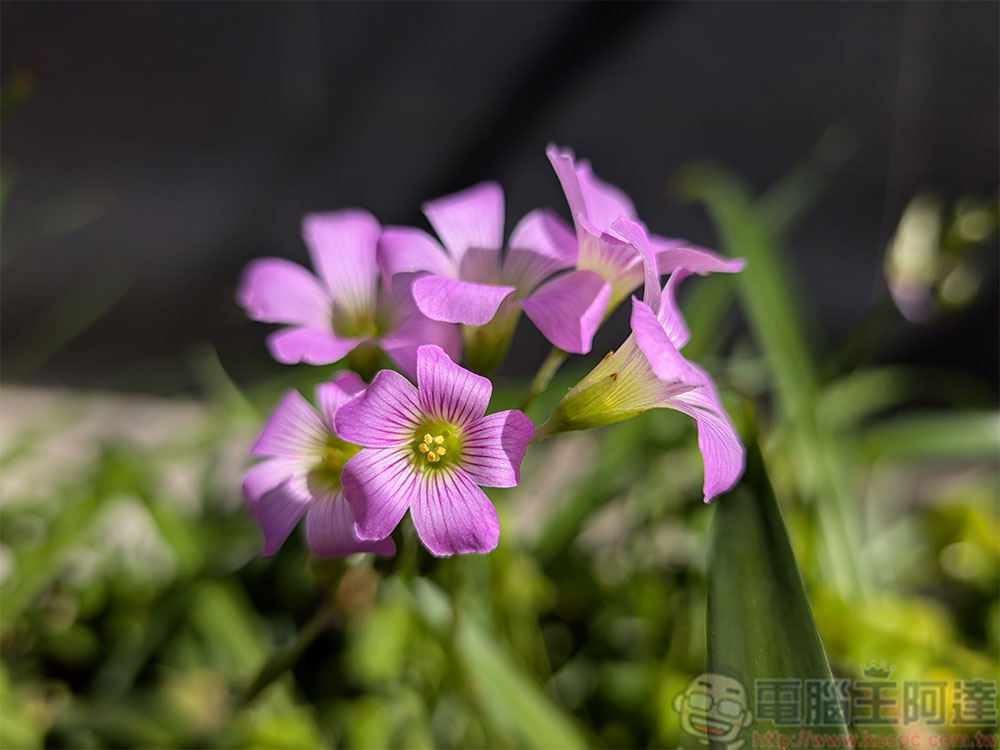
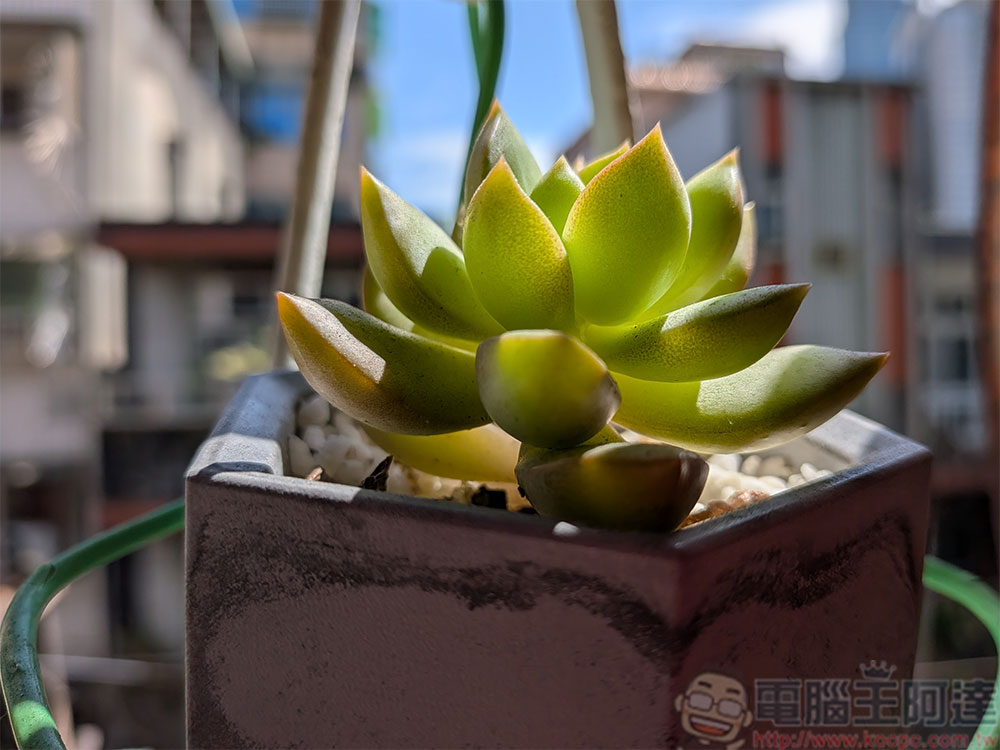






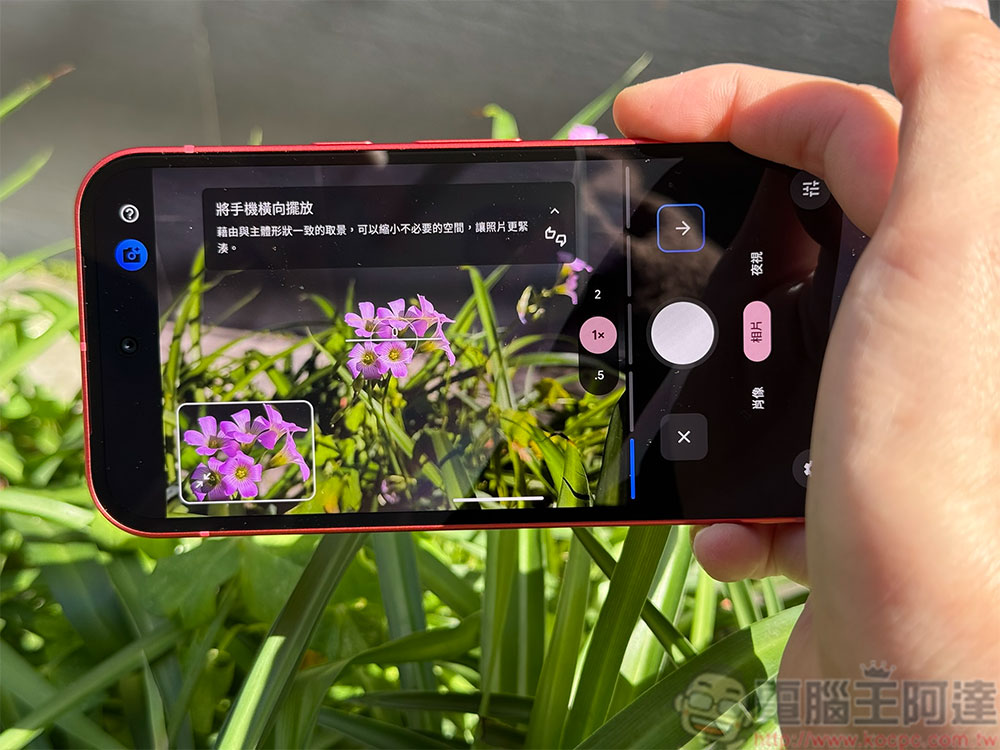
Pixel has always been known for its software experience, and Pixel 10a has continued this tradition and added some necessary upgrades. For example, the Pixel 10 series has a native “photography guidance” function that can provide shooting suggestions to help new users improve their mobile photography and framing techniques.
The “shoot together” and “perfect photo” functions that have been used for several generations can also be enjoyed on Pixel 10a.


Is GooglePixel 10a worth buying?
In many ways, the Pixel 10a feels more like a fully beefed-up version of the Pixel 9a than a completely redesigned new phone. Its most obvious upgrades are 30W fast charging, Corning Gorilla Glass 7, and satellite SOS, making its specifications closer to the overall level of the Pixel 9 series. However, the Pixel 10a is not part of the Pixel 9 series. The lack of a Tensor G5 processor does give it a slight disadvantage on the spec sheet compared to other models in the Pixel 10 series, but to be honest, most users will probably not notice the difference at all in practice.
On the contrary, I think Pixel 10a is more mature and complete than last year’s model in many details, and I will still regard Pixel 10a as a more worthy choice.
Source: KOCPC Chinese