


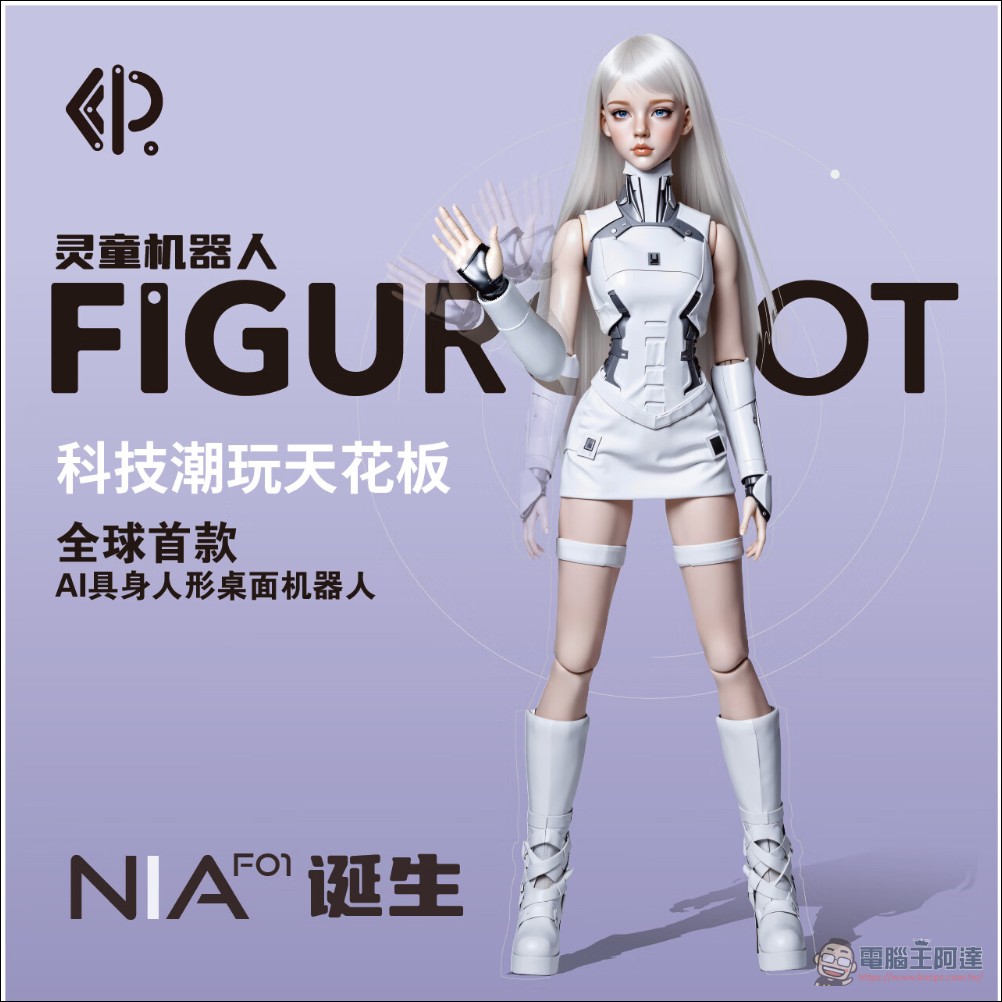
Recently at the China Home Appliances and Consumer Electronics Expo (AWE 2026), a new Chinese robotics company called “Spirit Boy Robot” stunned the audience with a world-first “robot girl group performance”. This robot is different from the current mainstream humanoid robots. It focuses on small size, interactivity and low price. This new startup, founded in 2022, is trying to use AI and robotics technology to redefine the future of desktop companionship.
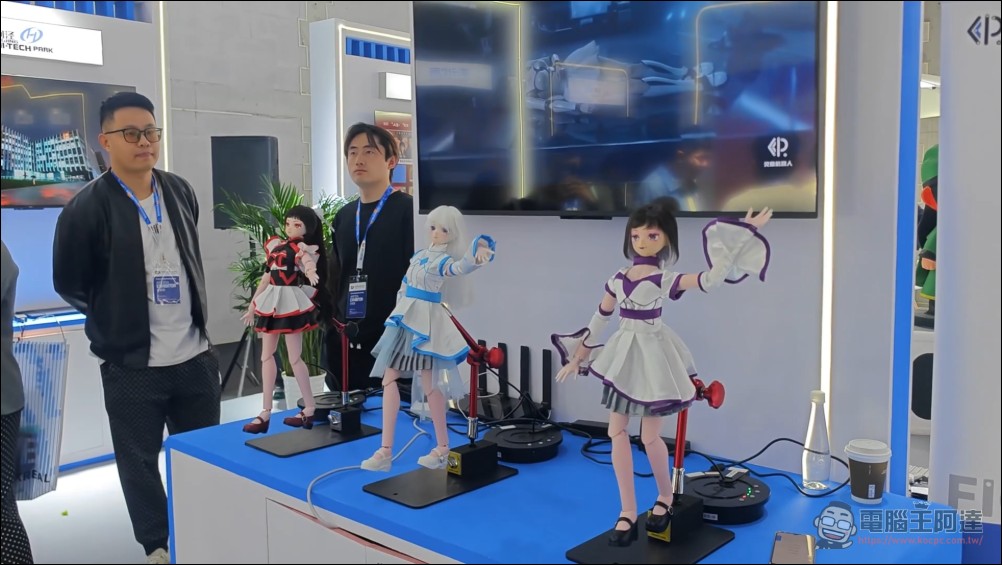
Targeting the otaku market, China’s new startup launches a 1/3 size desktop companion soul robot
On March 13, 2026, the Shanghai New International Expo Center ushered in the annual technology event: China Home Appliances and Consumer Electronics Expo (AWE 2026). This exhibition sets up an innovative technology exhibition area for the first time, focusing on embodied intelligence and robotics technology. On this stage, the performance of the robot girl group brought by Soul Boy Robot became the focus of everyone’s attention. This is the world’s first public performance by a female group composed of robots. On a table of only 60 centimeters, several soul robots performed a live dance performance with flexible movements and synchronized dance movements. These small robots can accurately imitate human body language and display amazing flexibility and coordination.
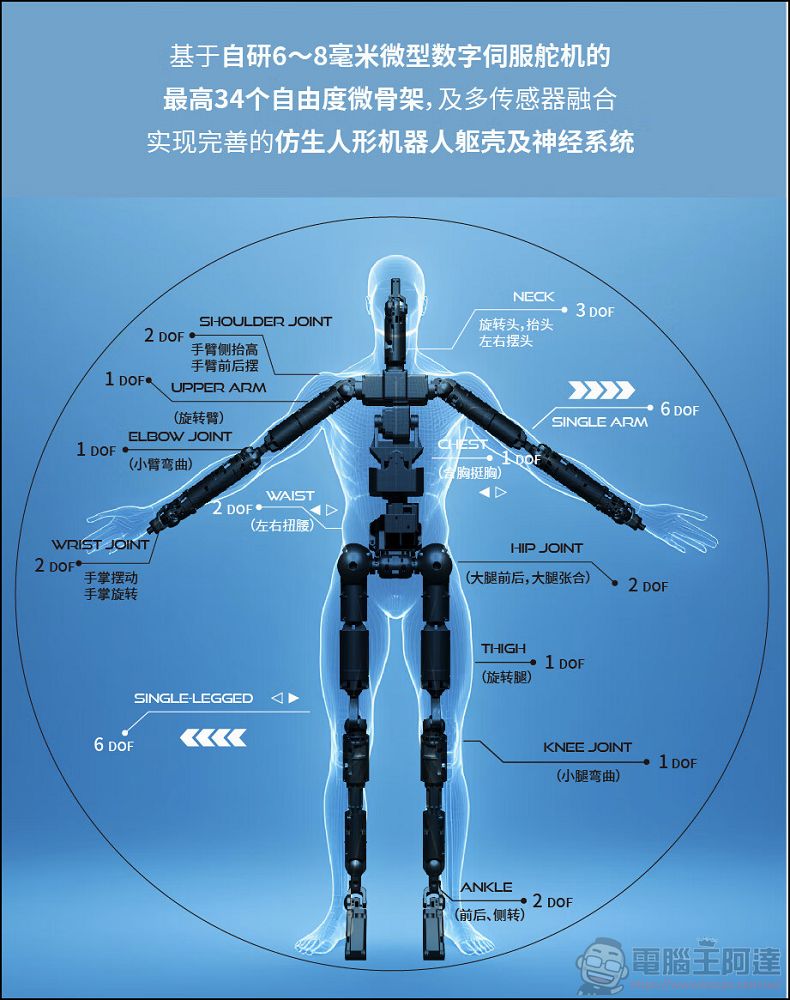
35 degrees of freedom and 6mm servo, technical strength shocked the audience
The reason why the Soul Boy Robot can perform such a wonderful performance is the technological accumulation accumulated by the founder Lu Jie’s team for ten years. Lu Jie’s team originated from “Future Partner Robot” and participated in the research and development of educational robot “Ability Storm”. This team is known as the “Whampoa Military Academy” of service robots in the Chinese industry. The founders of many well-known robot companies such as UBTECH and Qinglang Intelligent came from here. At the hardware level, Lingtong is equipped withSelf-developed 6mm-level micro digital servo servo. “This should be the smallest robot joint in the world,” Lu Jie said when showing off this custom motor with a diameter of only 6 mm. To achieve this breakthrough, the team spent 18 months working with Zhejiang suppliers to modify the magnet arrangement and gearbox structure, ultimately reducing the size of the steering gear by 25%.
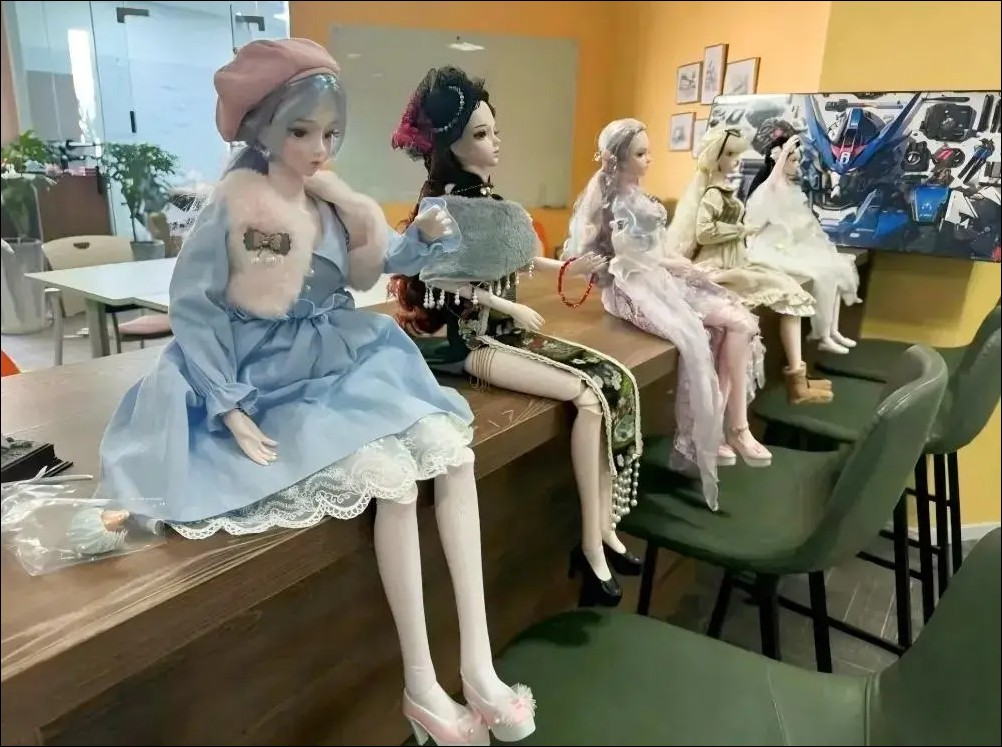
Thanks to this, the soul boy realized34 degrees of freedomjoint control (traditional humanoid robots usually have no more than 30), and achieveUltra-high joint accuracy of 0.01°. This means that the robot can achieve extremely delicate motion control, from subtle arm bends to large limb extensions, all with precision. The product design adopts the three-body BJD (ball jointed doll) doll style, deeply integrating the two-dimensional IP with technological hardware.
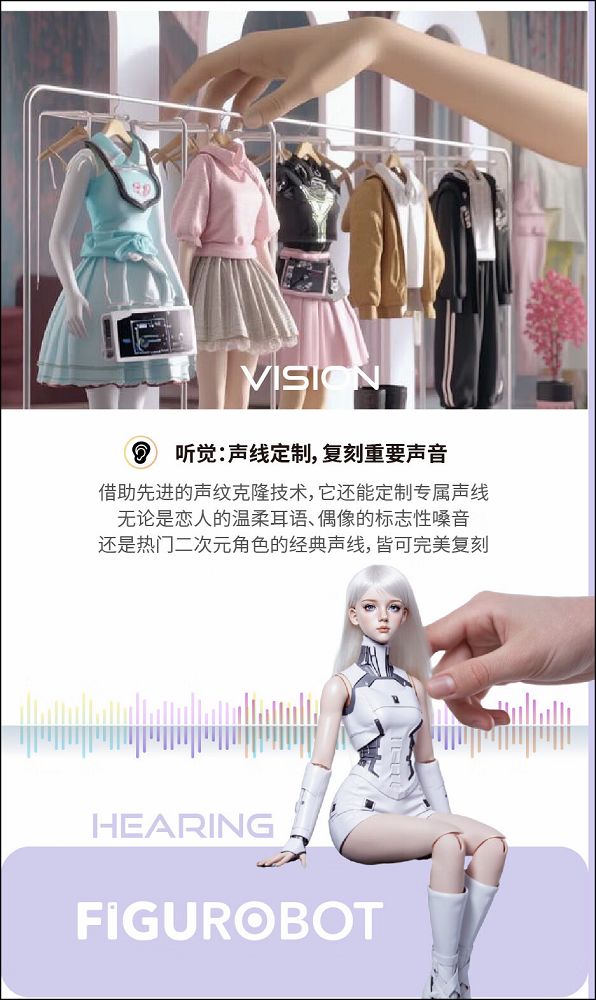
At the level of AI intelligence, Lingtong has built-in“Big Brain” Collaborative Embodied Intelligence Model. This system not only supports multi-modal interaction (voice, vision, touch), but also has emotion recognition capabilities and can respond accordingly based on the user’s tone and expression. Coupled with the modular design and “soul editor”, users can freely shape the robot’s appearance, personality traits, and even exclusive memories just like game character creation.
Second-generation machine Q2 pre-sale: independent standing and walking become a highlight
At the AWE site, Lingtong officially previewed the anticipated second-generation machine information.The second generation of Soul Boy will be officially launched in the second quarter of 2026Open for pre-sale, a significant upgrade compared to the first-generation machine.
The most eye-catching thing is that the second-generation machine has achievedIndependent standing and walking function. This means that robots will no longer be limited to desktops or fixed platforms, greatly expanding application scenarios. At the same time, the second-generation aircraft will be equipped withThe world’s smallest 1/3 size ultra-high degree of freedom bionic face, can present more anthropomorphic and delicate expression changes, and bring users a more intimate emotional interaction experience.
For the Geeker and developer groups, Lingtong will also launchFan version that supports secondary development, the team provides a developer kit that allows developers to call robot hardware functions through APIs and migrate virtual companion applications on mobile phones to physical robots. In addition, Lingtong has also launched an “action mapping” function: users record gestures through their mobile phone cameras, and the robot can imitate them in real time.
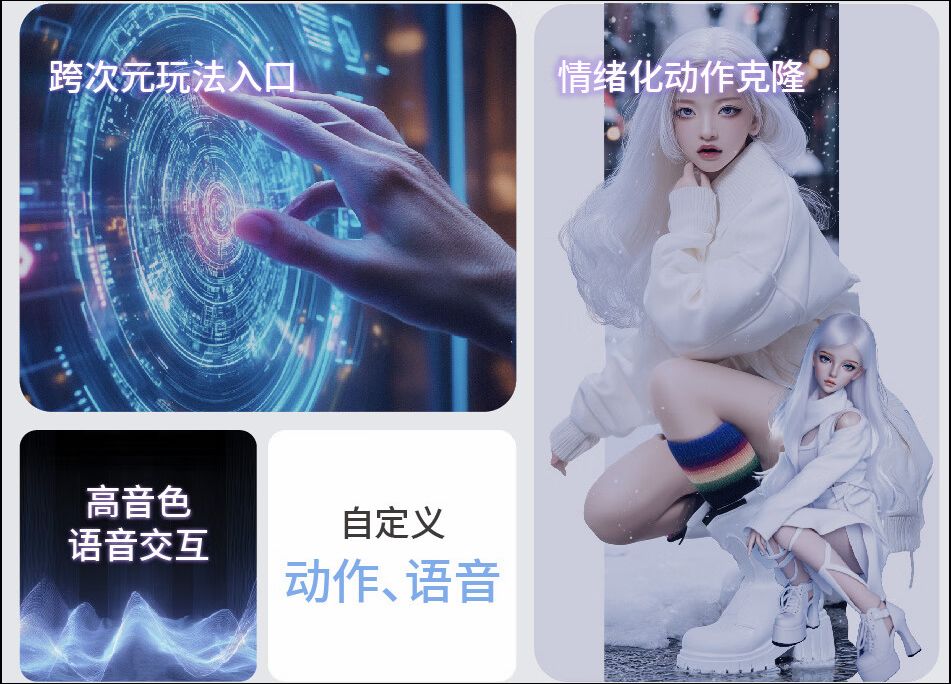
Compared with humanoid robots that emphasize versatility, Lingtong has chosen a more focused route: taking entertainment interaction as the entry point, and at the same time attracting consumers with affordable prices and rich personalized choices. This “small but beautiful” strategy may be a more pragmatic path for robots to truly enter the mass market. Data show that the global AI companion robot market sales will reach US$168 million in 2023, and are expected to reach US$136.54 billion in 2030, with a compound annual growth rate (CAGR) of as high as 196.0%. Lingtong’s goal is to capture 15% of the “emotional technology” share. “70% of future sales may come from co-branded IP,” Lu Jie revealed.
Conclusion
Unlike robots such as Tesla Optimus (25 degrees of freedom, priced at US$20,000, targeting homework and industrial productivity), Lingtong has chosen a differentiated route: catering to the “emotional needs of Generation Z.” The strategy of Soul Boy Robot deserves attention. When Tesla Optimus aimed at factories and Apple focused on smart homes, Lingtong chose the differentiated track of “emotional companionship”.
This approach of “reducing the dimensionality” of industrial-grade technology to consumer-grade, combined with IP co-branding and open ecology, may really open up a blue ocean market. The key is that when the post-95 generation spends a lot of money on virtual idols, when young people living alone chat with Siri all night, in this revolution about companionship, whether Soul Boy can truly capture the “emotional needs” of users will determine the success or failure of its commercialization. (Editor’s note: If it’s really that fierce, I think it will be a hit in the otaku circle)
Source: KOCPC Chinese