


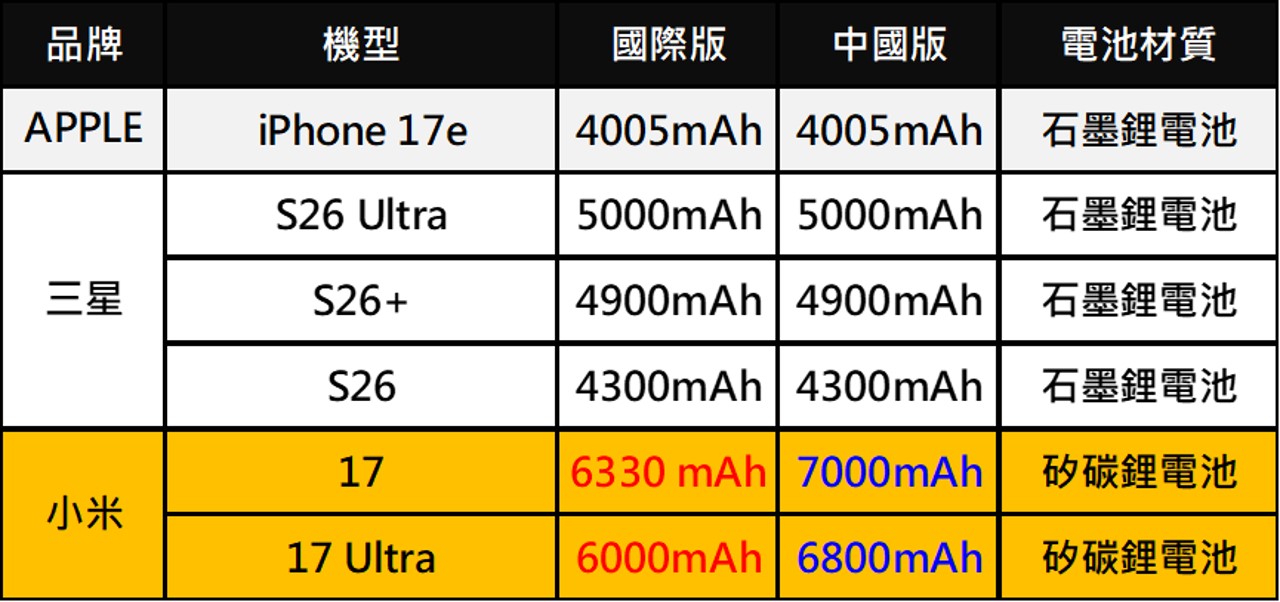
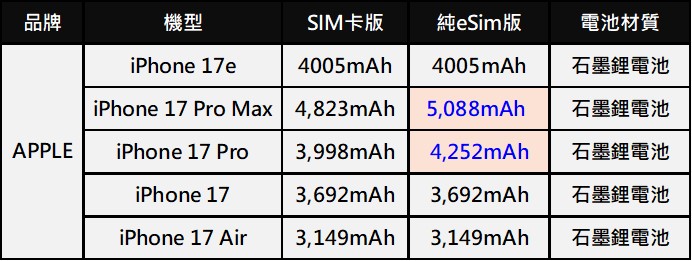
Recently, many mobile phone brands have released flagship mobile phones during MWC2026. Compared with Chinese brand mobile phones that are keen to launch silicon-carbon batteries with capacities of more than 6,000mAh, neither the new Samsung S26 series nor the Apple iPhone 17e use silicon-carbon batteries (Silicon-Carbon Battery). The lithium-ion battery used has a maximum capacity of only 5,088mAh (iPhone 17 Pro Max pure eSim version).
What are the major differences in lithium battery technology for mobile devices? Why don’t Apple and Samsung use ultra-high-capacity silicon-carbon batteries? Here’s an analysis:
As mobile phones become more and more important in daily life, users are increasingly anxious about mobile phone battery life. Improving battery capacity and speeding up charging has become one of the mainstream design directions for smart phones. While Chinese mobile phone brands are rushing to adopt Silicon-Carbon Battery, Apple and Samsung mobile phones are still abandoning it. A summary video and detailed explanation of the reasons for abandonment are as follows:
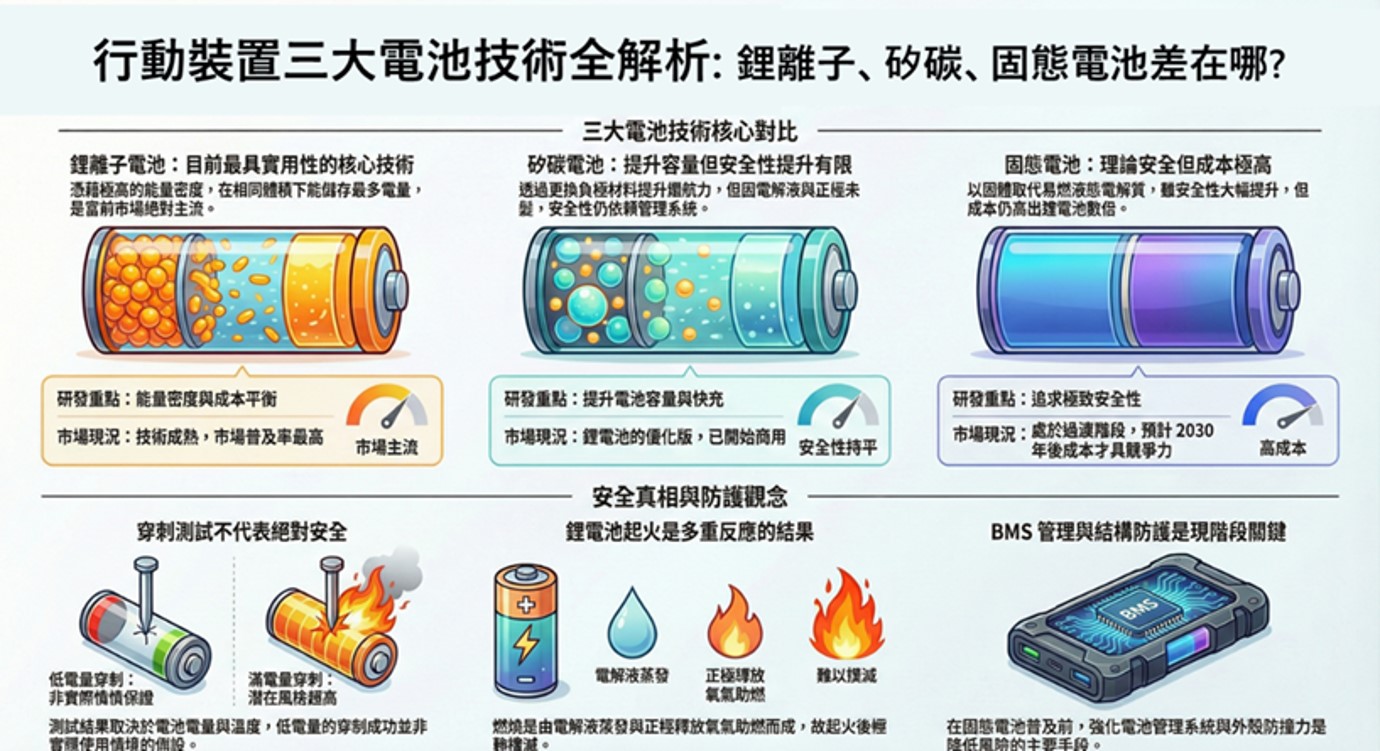
1. What are the differences between the main lithium battery technologies currently used in mobile devices?
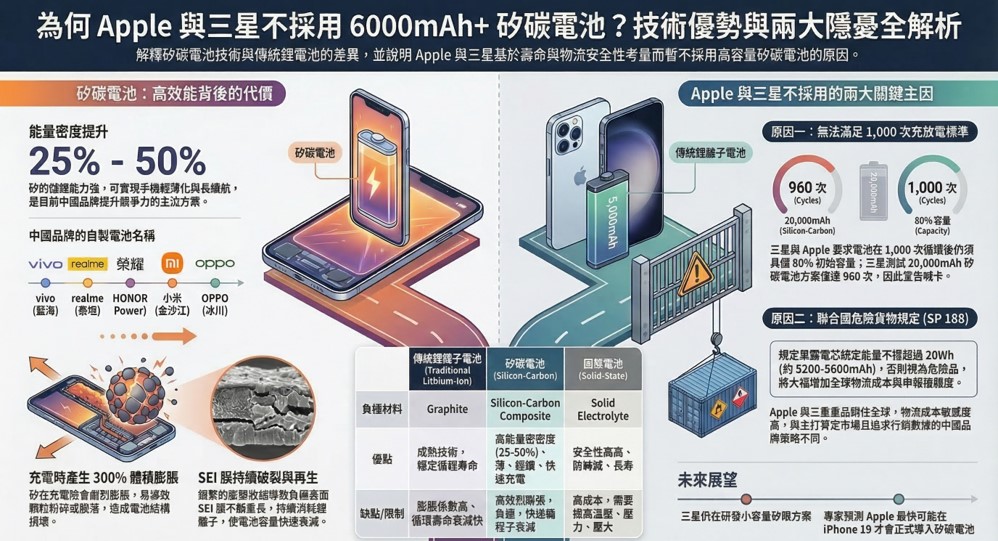
Currently, there are three main lithium technologies used in mobile devices, including traditional lithium-ion batteries and silicon-carbon batteries (Silicon-Carbon Battery) and Solid State Battery. Among them, the main difference between traditional lithium-ion batteries and silicon-carbon batteries is that the negative electrodes of the two batteries each use graphite and silicon-carbon composite materials.
Since the theoretical lithium storage capacity of silicon is more than 10 times that of graphite, silicon-carbon batteries can increase energy density by about 25%-50% compared to lithium-ion batteries, store more power in the same volume, achieve thinner and longer mobile phones, and have fast charging capabilities, so they have become a mainstream solution for improving battery life of Chinese brand mobile phones (such as Honor, Vivo, Xiaomi…). However, the electrolytes of lithium-ion batteries and silicon-carbon batteries are both liquid and cannot resist fire safety concerns caused by external puncture damage or internal short circuits (lithium dendrite puncture).
Solid State Battery is divided into semi-solid or quasi-solid based on the liquid content of the battery. The battery is safer (can prevent puncture and internal short circuit) and has a longer service life. However, the cost is higher and the solid electrolyte requires high temperature or high pressure to operate effectively. It cannot meet the requirements of thinness and small size. Currently, it is mainly used in mobile power sources and has not been adopted by mobile phone manufacturers.
2. Why don’t Apple and Samsung use ultra-high-capacity silicon-carbon batteries?
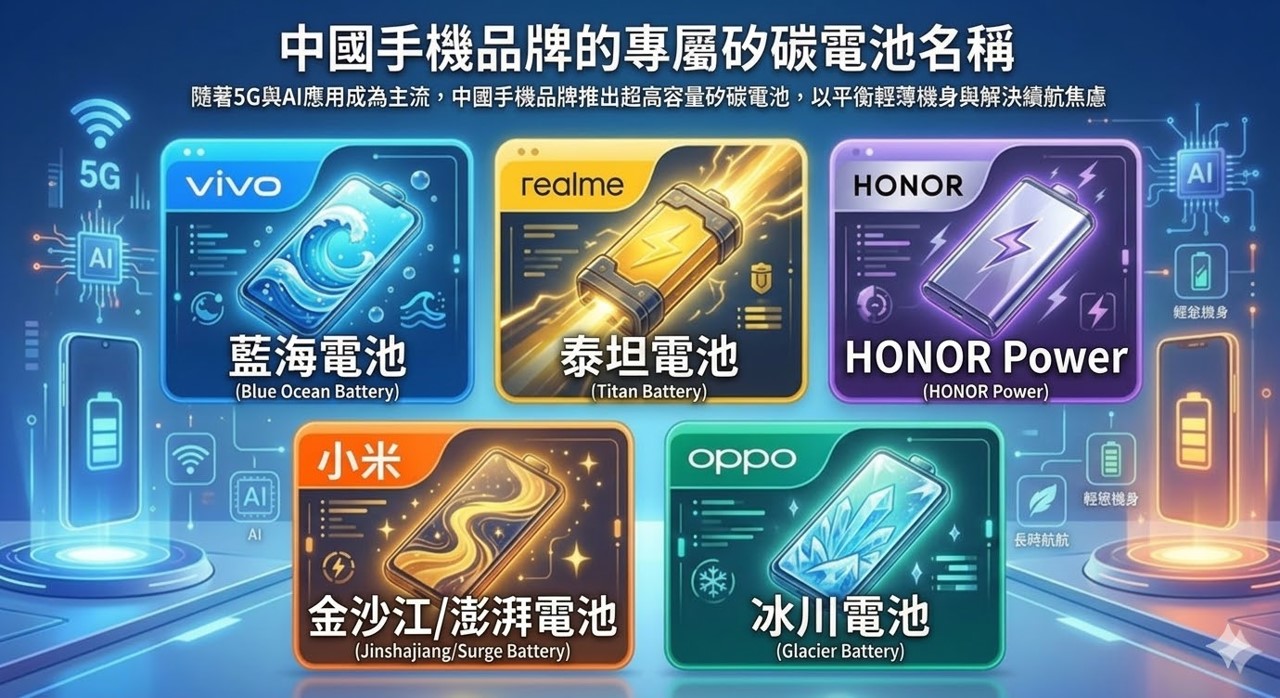
Since the introduction of 5G and AI applications into mobile phones has become mainstream, in order to maintain the thin and light body of mobile phones and effectively solve battery life concerns, Chinese mobile phone brands have vigorously promoted their own ultra-high-capacity silicon-carbon batteries, such as vivo’s “Blue Ocean Battery”, realme’s “Titan Battery”, Honor’s “HONOR Power”, Xiaomi’s “Xiaomi Pengpai/Jinshajiang Battery”, and Oppo’s “Glacier Battery”.
Although there are rumors that Apple will start using silicon-carbon batteries starting from the iPhone 17 series, according to current post-launch information, there is currently no evidence that Apple is not using the currently very popular silicon-carbon batteries. So far, Apple has only used esim to save card slot space to increase battery capacity in the pure eSIM versions of the iPhone 17 Pro and 17 Pro Maxu. Although Samsung is rumored to continue researching silicon-carbon batteries, no models on the market have used silicon-carbon batteries so far.
Why don’t Apple and Samsung use ultra-high-capacity silicon-carbon batteries? There are two main reasons:
A. Concerns that the number of charging cycles of the carbon silicon battery cannot reach 1000 times:
Although the silicon-carbon composite material used in the negative electrode can store more power and charge faster, silicon will produce huge volume expansion (up to 300%) during the charging and discharging process, which can easily cause the silicon particles to crush or fall off, thereby causing damage to the battery structure; frequent expansion and contraction, the solid electrolyte interface (SEI) film on the surface of the negative electrode will continue to rupture and re-grow, which will continue to consume lithium ions, causing the battery capacity to decay quickly. In other words, although carbon silicon batteries have the advantages of high capacity and fast charging, they may age faster than traditional lithium-ion batteries and may lose more capacity (less than 80% health) after 2-3 years of use.。
According to foreign mediawccftechAccording to reports, Samsung SDI has tested a 20,000mAh dual-core silicon carbon battery (main battery capacity is 12,000mAh/thickness 6.3mm; secondary battery capacity is 8,000mAh/thickness 4mm). However, this large-capacity silicon-carbon battery has only passed 960 charging cycles, which does not meet Samsung’s standard of at least 1,000 times, so the plan is blocked. The news that Samsung’s SDI silicon-carbon battery test was terminated coincides with the outside world’s doubts about the service life of silicon-carbon batteries.
Since the Samsung Noet 7 battery spontaneous combustion incident in 2016, Samsung has been quite conservative in mobile phone battery technology. Considering that the average global user life cycle of smartphones is about 3.5 years (42 months), Samsung and APPLE have very firm requirements that the batteries used in their mobile phones must be able to withstand at least 1,000 charge and discharge cycles and retain at least 80% of the initial capacity. Naturally, they have a wait-and-see attitude towards silicon carbon batteries that still have doubts about less than 1,000 charge cycles.
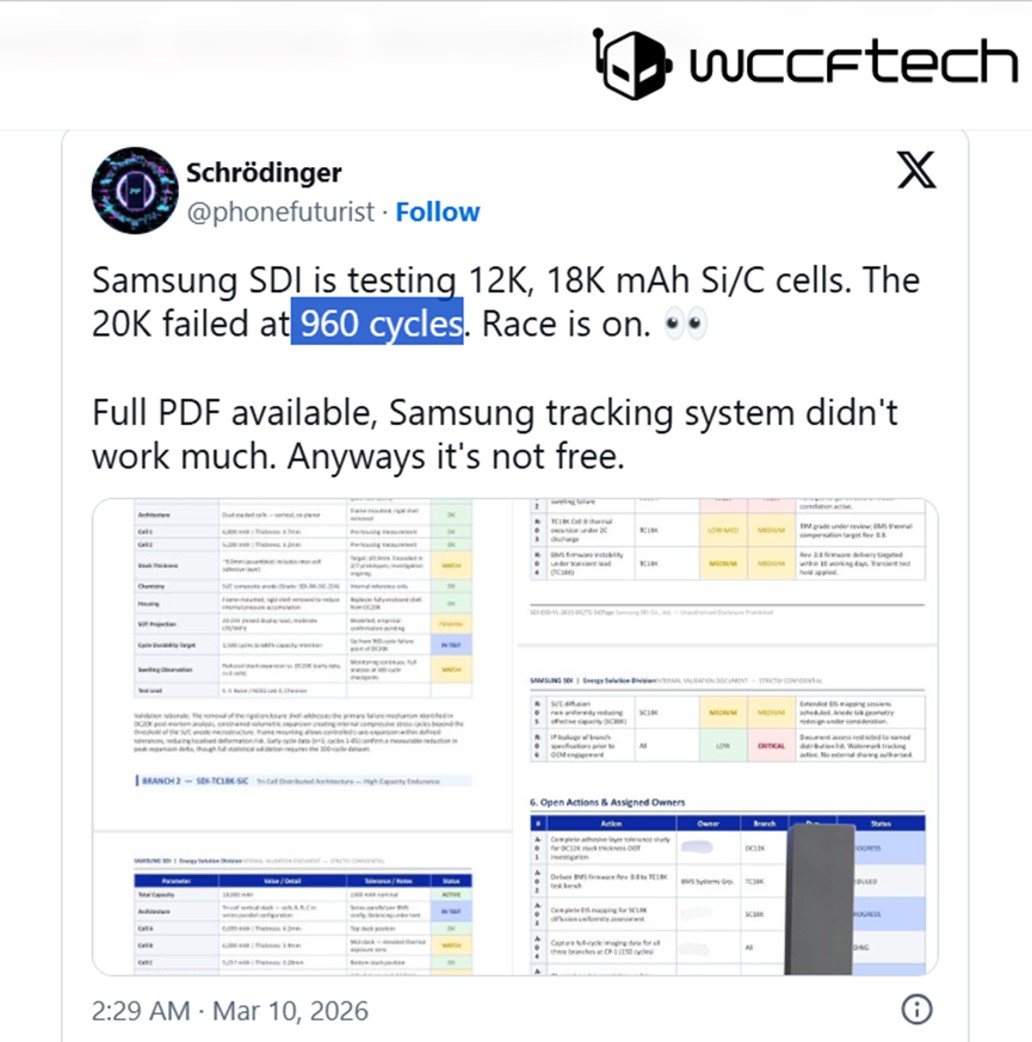
Image source: WCCFtech
B. Single battery exceeding 20Whcorewill be regarded as dangerous goods, hindering global logistics and transportation:
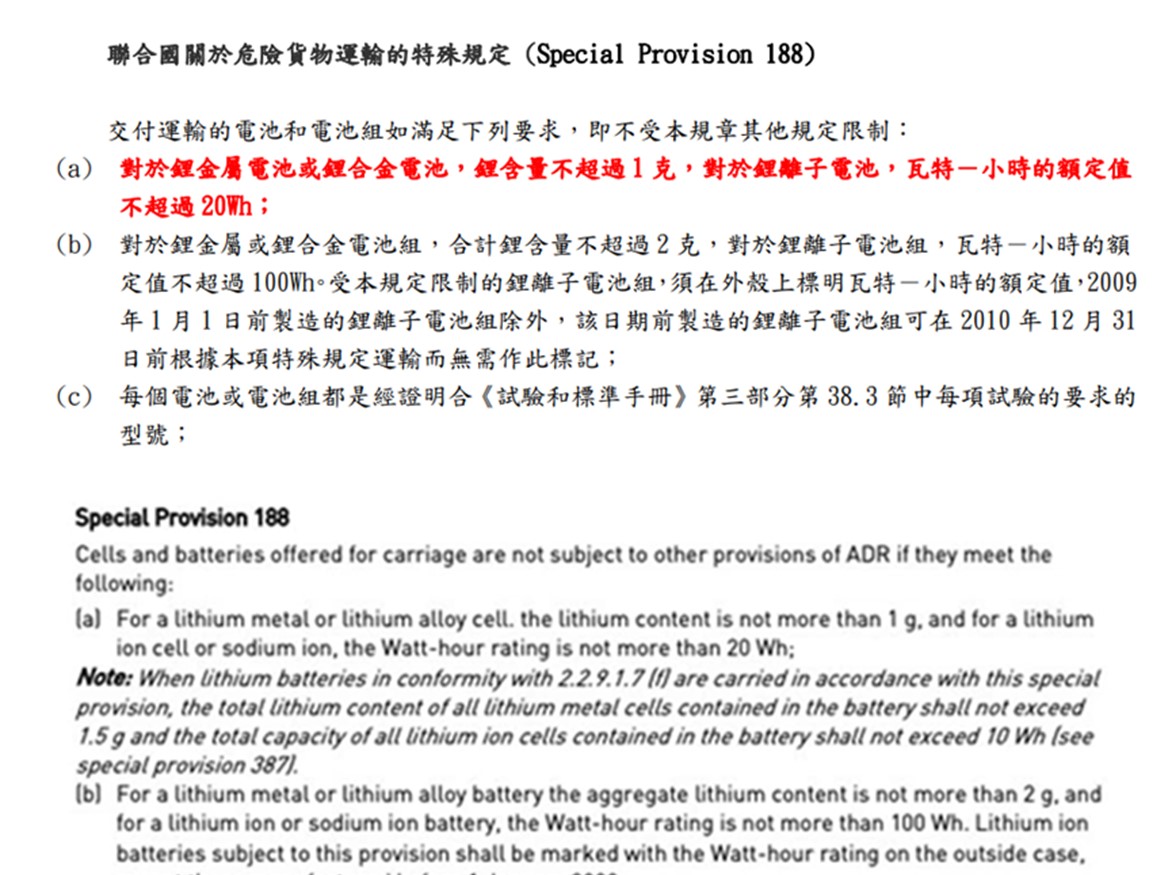
According to the United Nations special regulations on the transportation of dangerous goods (Special Provision 188), lithium-ion battery, the rated energy of a single cell does not exceed 20Wh, and the rated energy of a single battery does not exceed 100Wh, otherwise it is regarded as dangerous goods.
The corresponding battery capacity of 20Wh is 5200mAh to 5600mAh for a single battery cell. If the capacity of a single battery cell exceeds 20Wh, it will be included in the complete dangerous goods transportation management system, followed by more complex declarations, stricter operating requirements, and higher logistics and management costs. For manufacturers that need to distribute products in multiple countries for a long time, it will add a lot of trouble. This will be a big trouble for APPLE and Samsung, which mainly focus on the global market. This is probably one of the main reasons why they are unwilling to use silicon carbon batteries with a single battery cell exceeding 6,000mAh.
However, as Chinese mobile phone brands continue to push for greater battery capacity and faster charging speeds, Samsung and Apple have not completely given up on developing silicon-carbon battery technology. It is reported that they are still studying solutions with smaller capacity. It is still unknown when silicon-carbon battery technology will be used in Samsung mobile phones. As for when APPLE will start using silicon-carbon batteries, experts believe it will be after iPhone 19 at the earliest.
Source: KOCPC Chinese