


In July 2025, a love-murder incident that shocked society occurred in the underground parking lot of a shopping mall in Taipei’s Xinyi District. A 27-year-old woman was attacked and killed by her ex-boyfriend with a sharp weapon, and the cases of terrorist lovers that continue to appear in the news have also gradually increased the public’s discussion of “horror lovers”. Many emotional disputes have even evolved into stalking, harassment or violence. A person from a credit reporting agency recently shared on a social platform that the number of consultation cases involving emotional control and harassment has increased by about 30% to 40% in the past three years. Many of them did not notice the abnormality in the early stages of the relationship, and did not realize the seriousness of the problem until the controlling behavior gradually intensified. He also pointed out in the article that many emotional disputes are often just “excessive concern” in the early stages, but as time goes by, they may evolve into monitoring whereabouts, restricting friendships, and even mental manipulation. Experts remind that the behavior of a horrible lover usually does not burst out suddenly, but gradually affects the other person’s life through control methods.
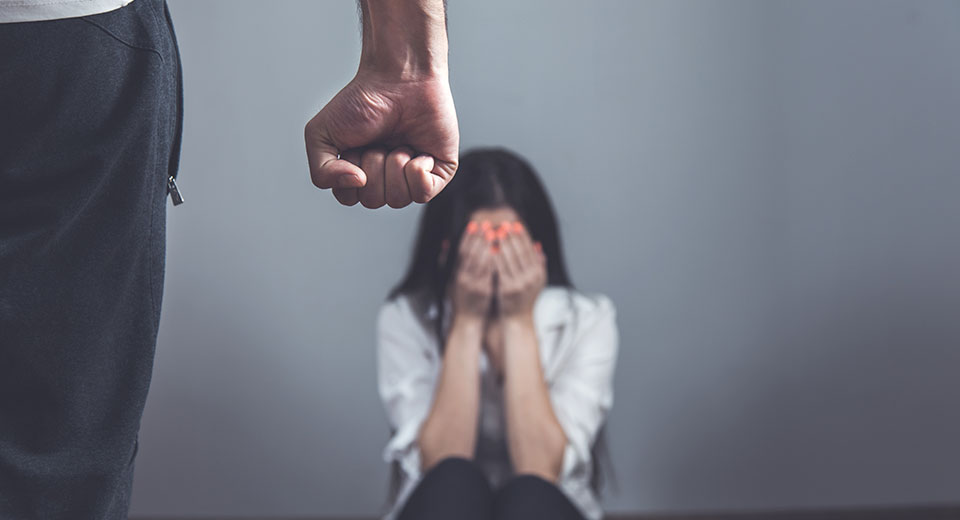
Is there actually a clue to the horror lover? Credit bureaus reveal 5 common control methods
Taiwan Detective AssociationChairman Xie Zhibo said that in the cases related to terrorist lover disputes that he has assisted in handling in recent years, the most common problem is not necessarily violence, but long-term psychological control and monitoring behaviors. “Many victims will initially think that the other party only cares too much, but in fact there are signs of control.” He also pointed out that from the cases contacted by the industry, the common control methods of horrible lovers can be roughly divided into five categories, including excessive control of whereabouts, restriction of social circles, emotional blackmail, digital surveillance and economic control. For example, some people will ask their partners to immediately report their location, or ask for information such as mobile phone location and social account passwords, gradually causing the other person to lose their personal space.Xie ZhiboIt was also mentioned that in some cases of emotional disputes, the victims continue to be harassed or stalked even after the breakup, so it is important to identify controlling behavior early.
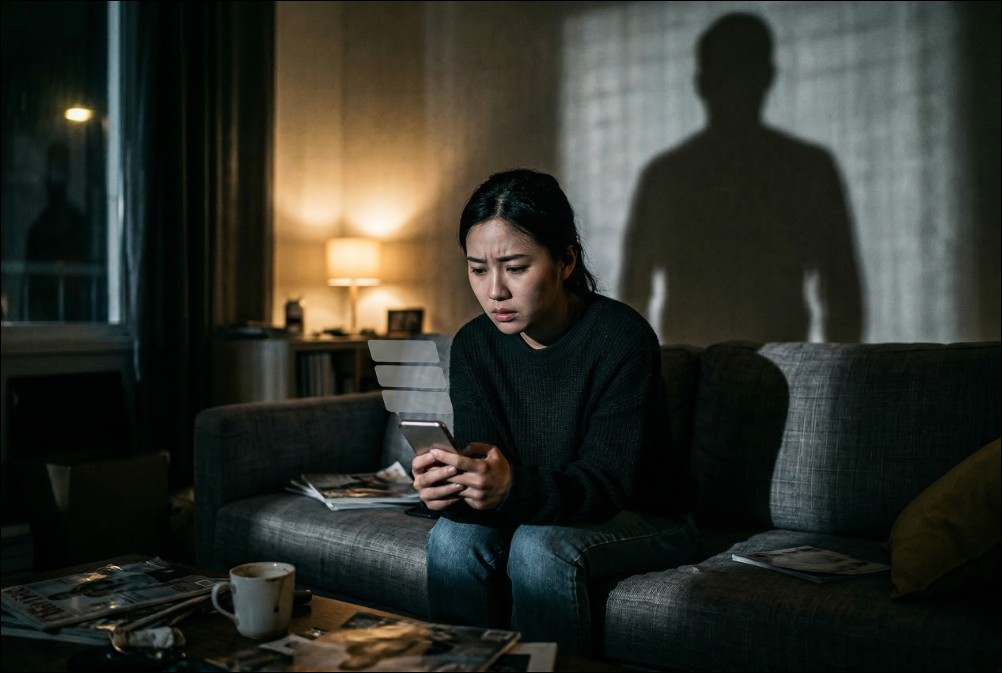
In terms of practical cases, the CEO of Eslite Credit Reference AgencyZhan XiaoyuSaid that a considerable proportion of emotional investigation cases are actually related to terrorist lovers. “We once came into contact with a female help seeker. Her boyfriend was very considerate in the early stages of the relationship, but later gradually asked her to delete her male friend’s contact information and even asked to check her mobile phone communication records.” Zhan Xiaoyu pointed out that this kind of situation is not uncommon in investigative cases, and some people even use social accounts, positioning software, etc. to monitor their partners’ lives for a long time. He said that with the development of technology, digital surveillance has become one of the common methods used by terrorist lovers, such as requiring the installation of location applications, checking social login records, and even finding out about each other’s whereabouts through friends. “If a relationship starts to make people lose their basic freedom of life, they should be alert.”
Another senior detective from Fuxin Credit Information Agency, Xu Shiwei, who has dealt with emotional dispute cases for a long time, pointed out that the control mode of horrible lovers often has “progressive” characteristics. He shared a case he had come across, in which a man continued to appear at his ex-girlfriend’s company and home after breaking up, and even kept trying to get back together through phone calls and messages, leaving the other girlfriend in a long-term state of fear. “Many people will mistakenly think that this is just a relationship dispute, but if stalking or harassment continues, it actually involves legal issues.” Xu Shiwei said that in recent years, the legal regulations on stalking and harassment have gradually become clearer in society, but many people still don’t know how to collect evidence or seek help, thus delaying the processing time.

Experts also point out that the controlling behavior of terrorist lovers often has the characteristics of gradually increasing, from excessive concern and restriction of friends to monitoring whereabouts and even stalking and harassment. Many victims often find it difficult to detect problems in the early stages of the relationship. According to statistics from police units, Taiwan has received more than 2,000 stalking and harassment cases every year in recent years, and a large proportion of them are related to emotional disputes. Therefore, increasing vigilance and asking for help early is an important key to preventing the situation from worsening. Experts suggest that if you find that your partner is over-controlling, emotionally blackmailing, or continuing to harass, you should consult the police, social welfare units, or legal professionals as soon as possible. If necessary, you can also use professional investigation agencies to help collect evidence and clarify the facts. Xie Zhibo, chairman of the Taiwan Professional Detective Association, also called on people not to ignore emotional disputes if there are signs of harassment or threats. “Many cases actually have obvious warning signs in the early stages, but the parties involved choose to tolerate or underestimate the risks.” He said that while ensuring their own safety, seeking assistance from the police, legal advisors or professional investigation agencies can more effectively clarify the situation and protect their own rights and interests. Experts also remind that healthy relationships should be built on respect and trust. If the relationship has shown excessive control or violent tendencies, seeking help early and staying away from risky environments are the keys to ensuring physical and mental safety.
Source: KOCPC Chinese