


Most of today’s smartphones have eliminated the headphone jack, and it has been nearly ten years since then. This incident is indeed regrettable, but if you look at it from another perspective, it actually has its rationality. There is more than one reason behind it. To some extent, saying goodbye to this beloved interface has actually promoted the evolution of mobile phones in a better direction.
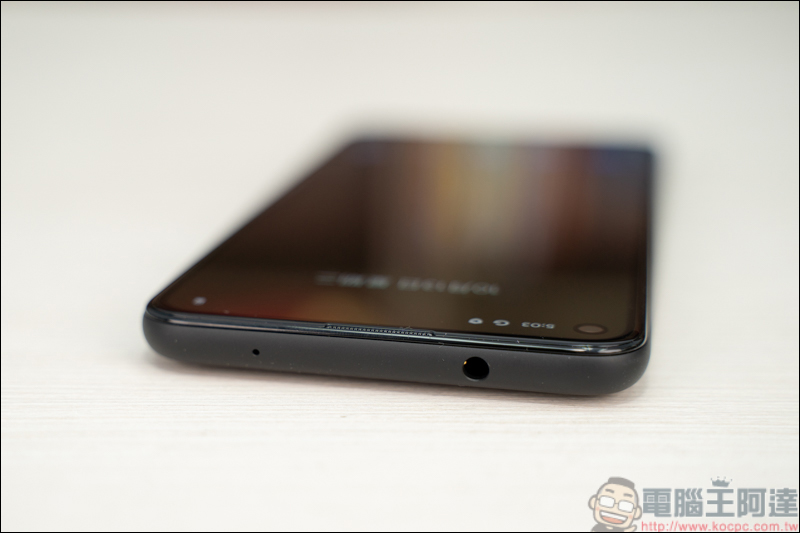
What benefits will we gain from the disappearance of the headphone jack from smartphones in 10 years?
Mobile phones are thinner than ever
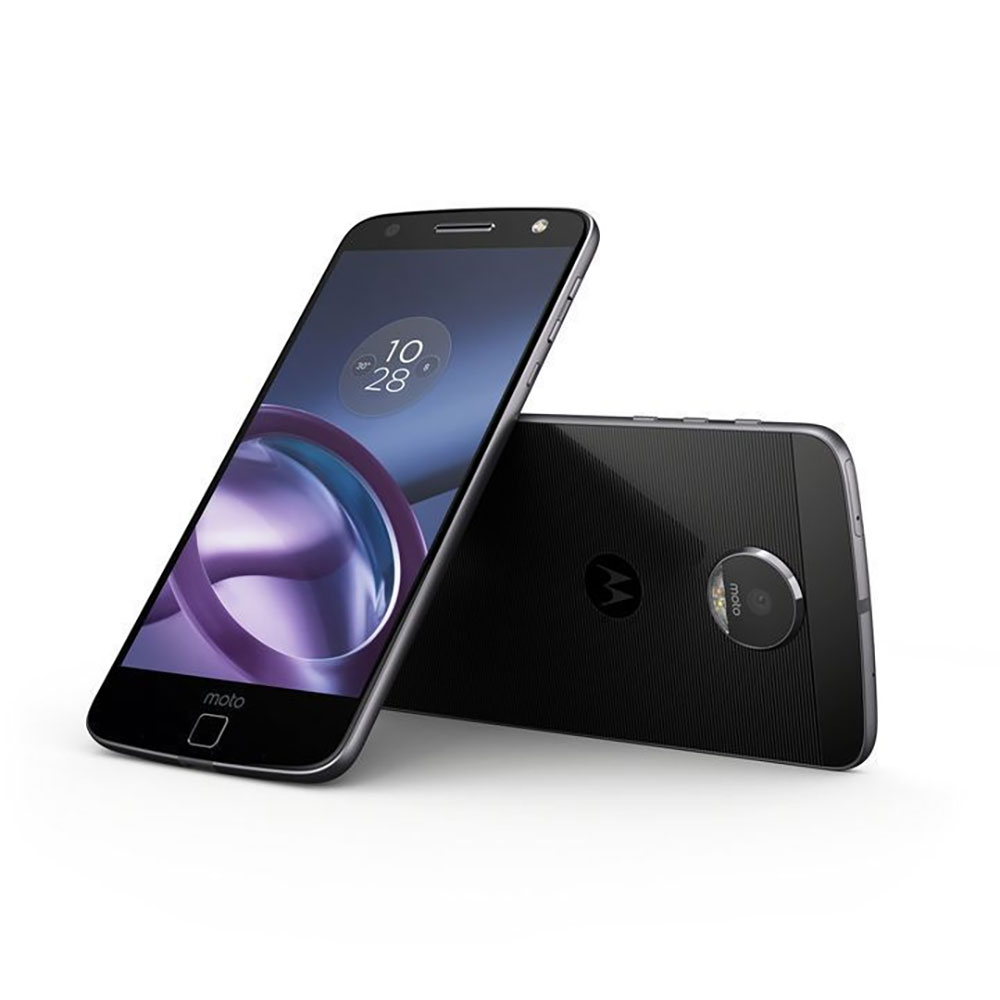
By 2025, iPhone Air and Samsung Galaxy S25 Edge, two mobile phones that focused on “extremely thin”, ended in failure. In pursuit of thinness, they have sacrificed too many functions that users really value. They have fewer cameras, shorter battery life, and higher prices. Ironically, even with huge publicity, they are still not as thin as an Android phone from ten years ago: the Motorola Moto Z. The Moto Z, launched in 2016, is only 5.2 mm thick and is the first Android phone to eliminate the headphone jack, taking this step even earlier than the iPhone. Its specifications are now outdated, but its design philosophy has been completely inherited by the iPhone Air and Galaxy S25 Edge.
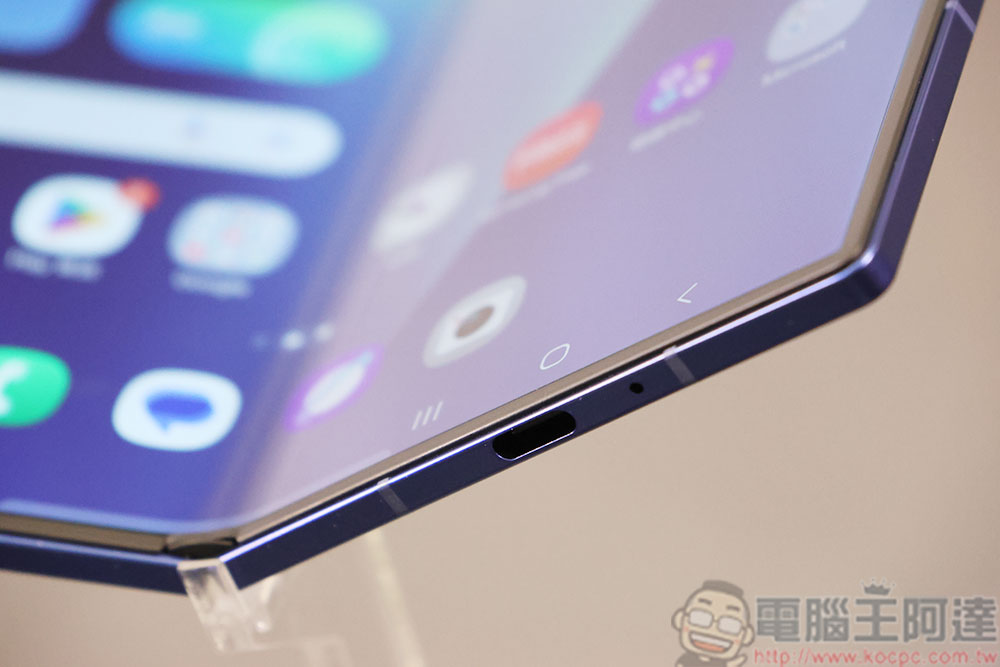
The headphone jack doesn’t look big, but it’s actually taller than the USB‑C interface. This means that as long as the headphone jack is still there, the thinness of the phone will be limited. With the popularity of Bluetooth headsets, this limitation has become more acceptable, and manufacturers can re-add the headphone jack when needed. Although ultra-thin candy bar phones have not yet become mainstream, for foldable phones, thinness is the key. The thickness of Galaxy Z Fold 7 is close to the limit of the USB‑C opening. Many people still find clamshell folding machines too thick and impractical, so they are looking forward to seeing similar progress in slimming down.
I know some people will say: “We don’t care how thin the phone is.” But it is undeniable that eliminating the headphone jack has quietly improved many experiences that we care about every day.
Larger capacity batteries, camera audio equipment
When thinking about the impact of a headphone jack on phone design, it’s not so much how small the jack itself looks, but how much space it actually takes up inside the body. From iFixit’s Galaxy S9+ repair guide, you can clearly see the size of the headphone jack module inside the body.
Compare this image to iFixit’s teardown of the Galaxy S25 Ultra, and you can see how stark the difference is.
There is almost no wasted space inside today’s mobile phones. The volume released after removing the headphone jack has been reallocated to more important components: the larger camera module occupies almost all the space in the upper half, even extending to the top of the fuselage; the multi-speaker design has gradually replaced the single downward sound in the past; and the most impressive thing is that the larger battery finally has a place.
Our phones are more durable
Our phones are with us almost all the time, and they have become increasingly rugged to withstand the mishaps of daily life. Nowadays, dropping your phone into a swimming pool is no longer a disaster. It often still works normally when someone picks it up. Some models can even withstand the water pressure and steam of a shower. If you’re recording a rafting video, the phone will still hold up in a humid environment, and you won’t even need an additional protective case.
Many phones now come with IP68 water and dust resistance, which can even handle the fine sand on the beach. These improvements are all related to “reducing external interfaces”. From a certain perspective, the disappearance of the headphone jack is precisely to allow more mobile phones to survive accidentally falling into the water.
Source: KOCPC Chinese