


Speaking of Xiaomi’s Ultra series, I have always felt that it is not just a mobile phone, but more like a product used by Xiaomi to show the world the “limits of imaging technology” and the “strongest body” muscles. Starting with the 12 Ultra and now, every generation has pushed the boundaries of mobile photography. And this time it was officially released in Taiwan Xiaomi 17 Ultra, is another blockbuster masterpiece after the in-depth cooperation between Xiaomi and Leica. Not only does it directly hit the top in terms of hardware specifications, it also combines the latest Snapdragon 8 Elite processor with the fully evolved Xiaomi HyperOS 3. This time Ada will share with you the actual performance of this new generation of Xiaomi’s imaging flagship as usual.
Xiaomi Xiaomi 17 Ultra Starry Green Unboxing Test
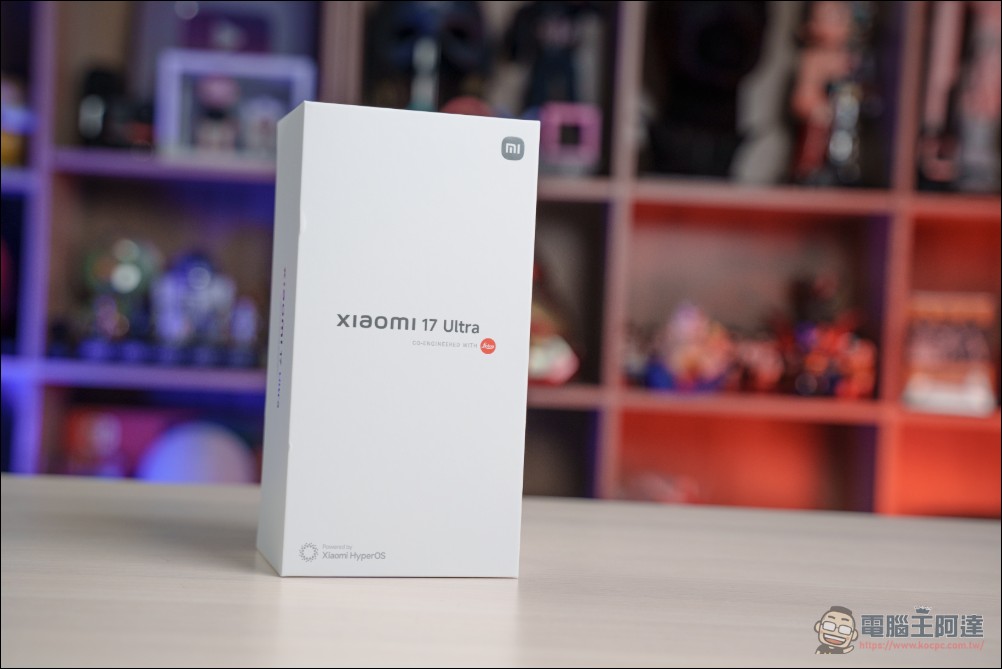
In accordance with international practice, start with unboxing! This time, the packaging of Xiaomi 17 Ultra is different from the previous Leica black with Coca-Cola logo. Instead, it has been changed back to the previous pure white and calm style. The Leica red logo in the lower right corner of Xiaomi 17 Ultra is still quite conspicuous. It seems particularly meaningful to match the in-depth cooperation announced by this MWC.
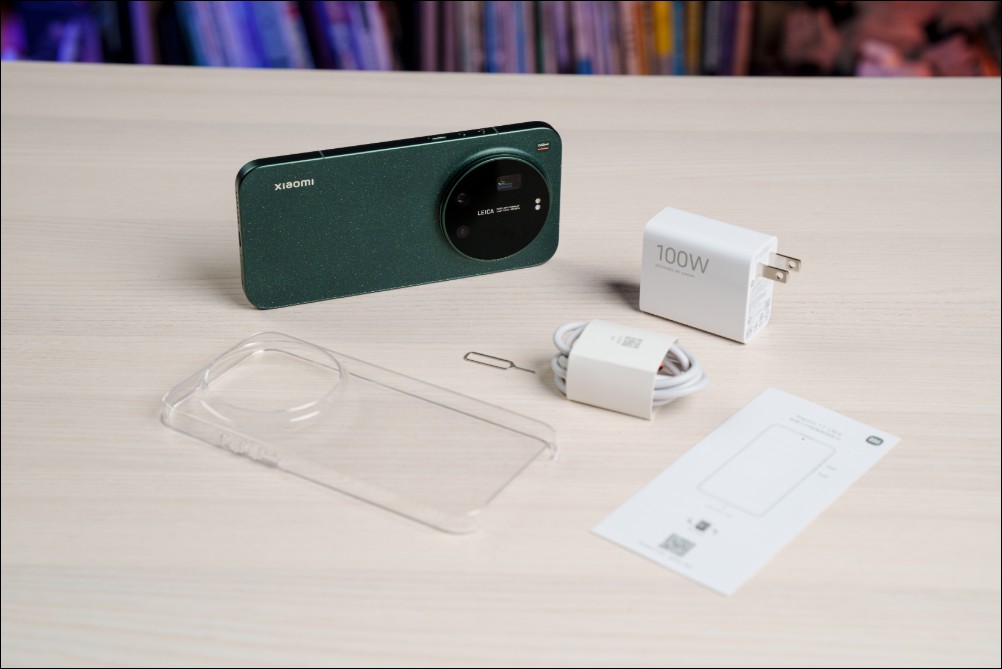
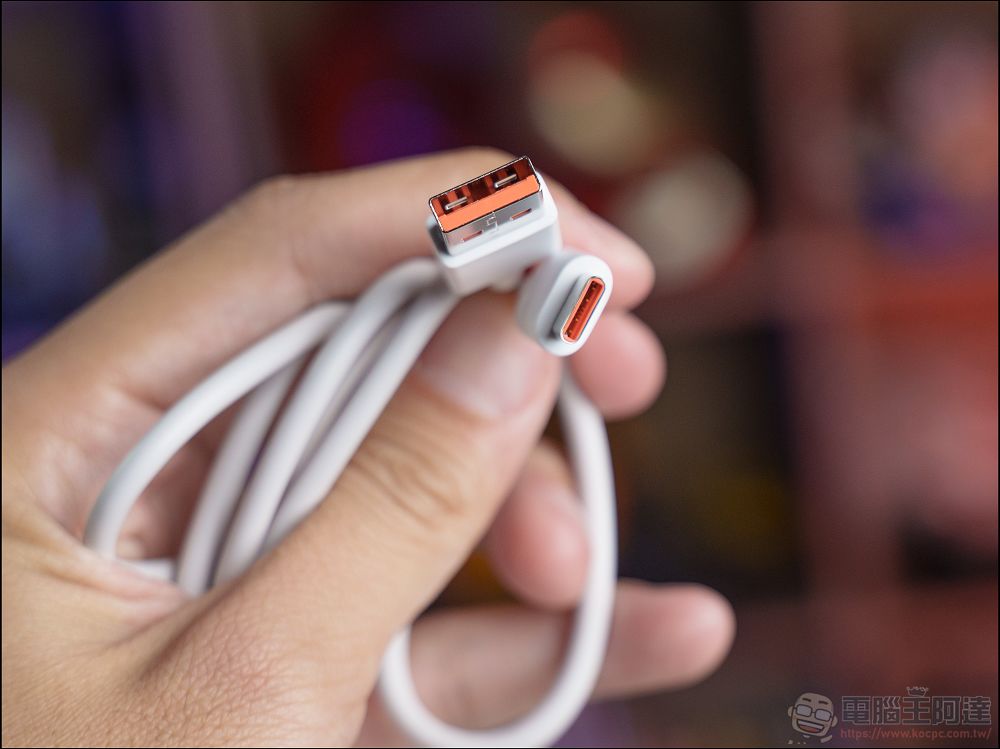
After unboxing, in addition to the phone body, Xiaomi is very generous in accessories: in addition to the manual, ejection pin, and transmission cable, it also comes with a hard transparent protective case with good protection capabilities, and a power supply that supports up to 100W flash charging. This is really a good comment for many manufacturers that do not provide chargers.
Although the transformer supports 100W, the maximum wired charging capacity is 90W (wireless charging has 50W). It should be noted that Xiaomi uses the PPS protocol, not the traditional TYPE-C PD 100W format: 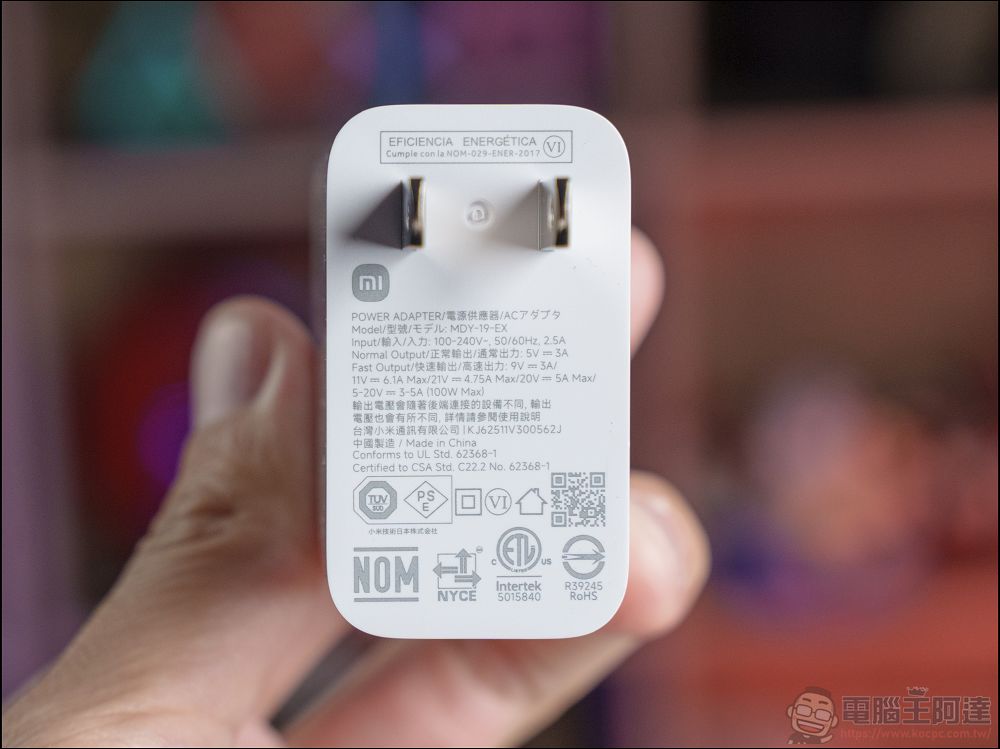
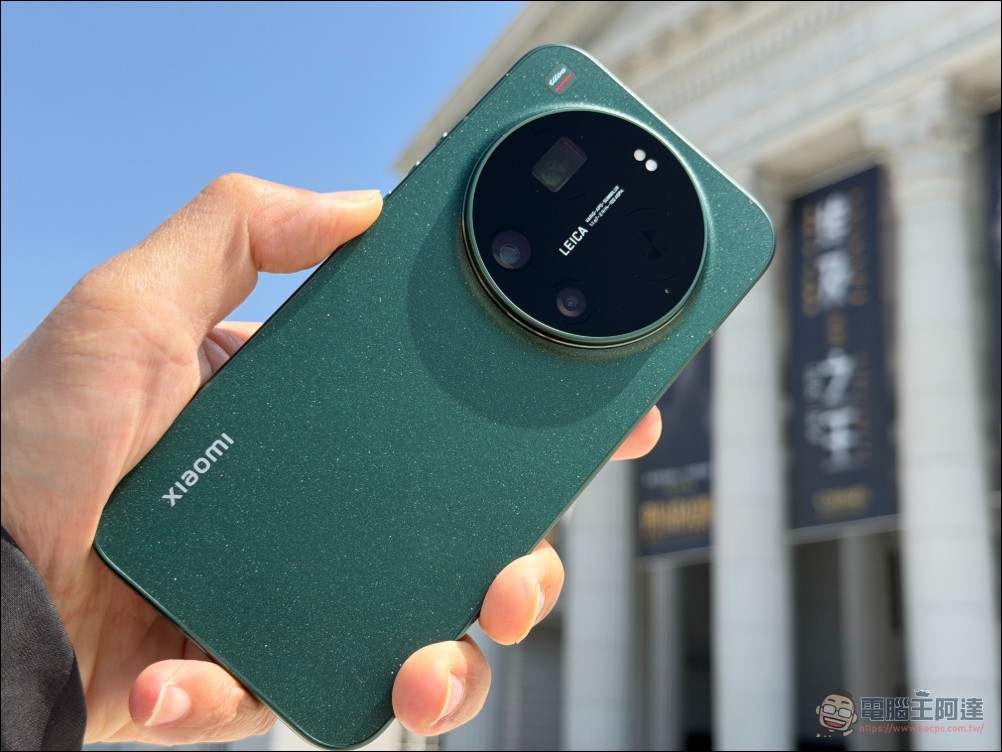
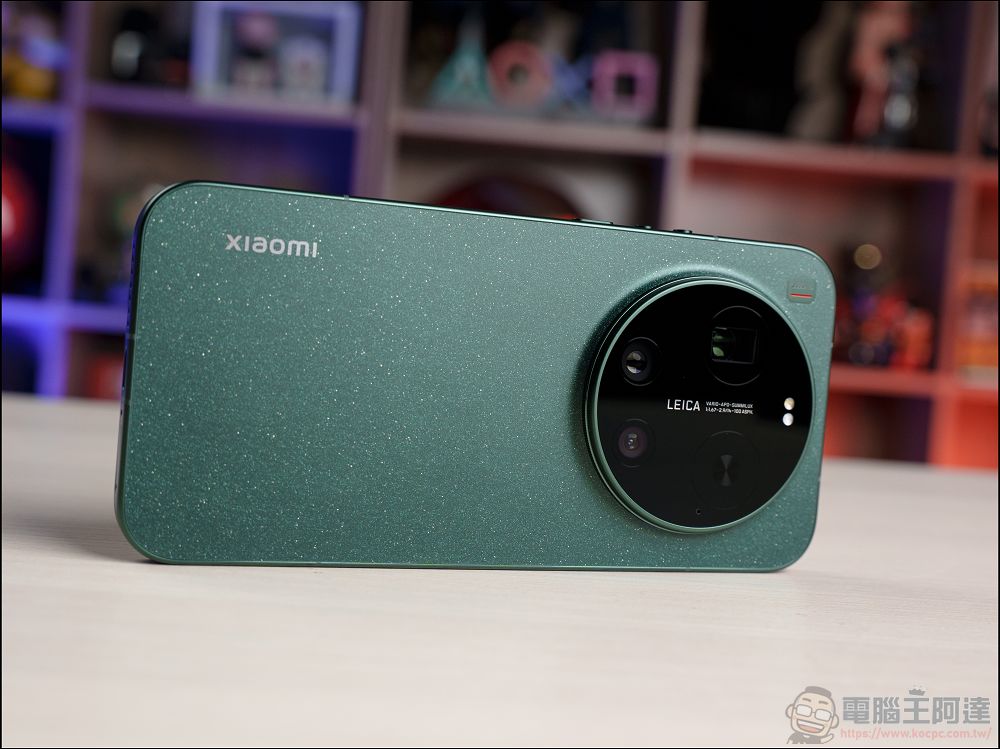
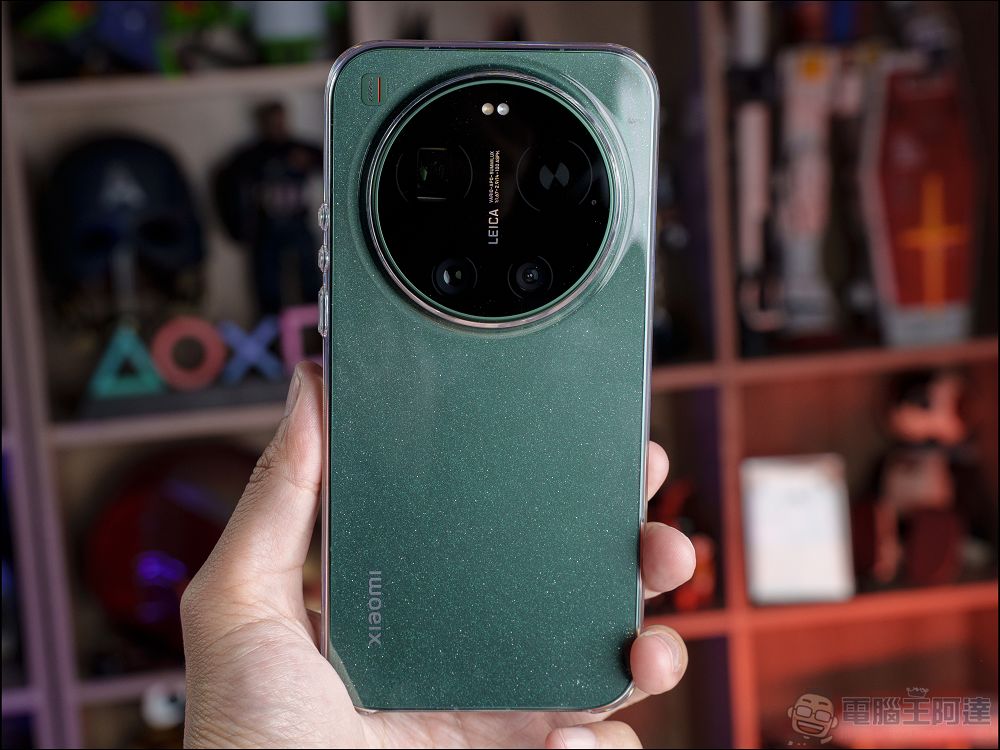
The “starry sky green” version in Ada’s hand has a flat green back cover that feels delicate and warm to the touch. It also shines like starlight under different lights, giving it a low-key yet luxurious feel. The lens part is equipped with a lens jointly developed with Leica. VARIO-APO-SUMMILUX The lens system covers the complete focal length from 14mm to 100mm, which we will discuss in detail later.
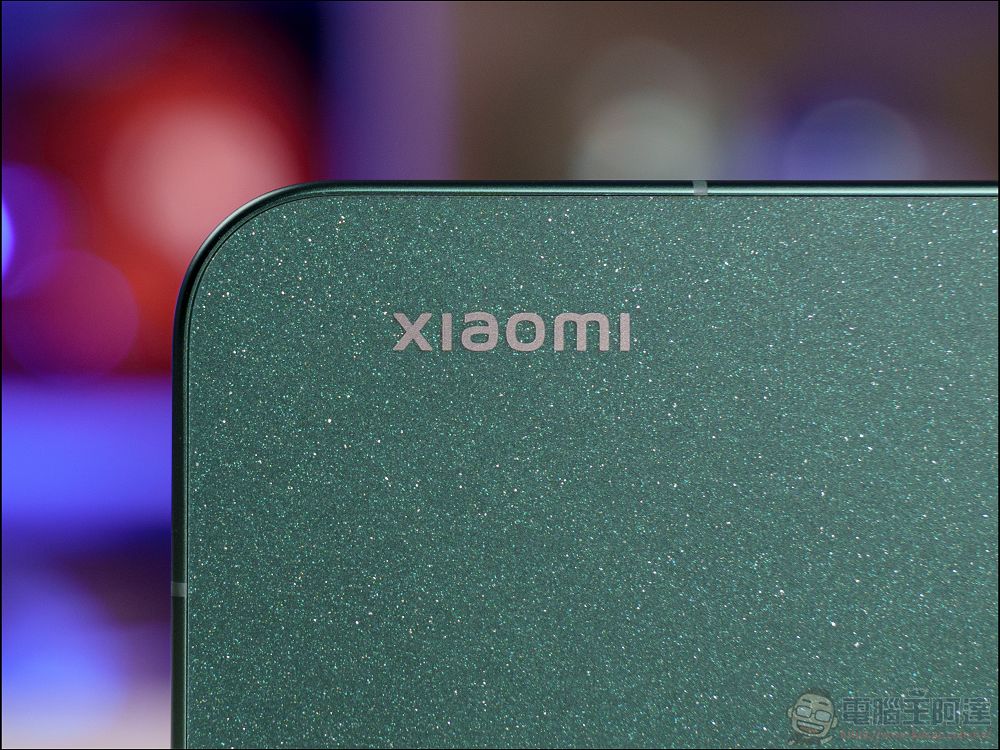
The upper left corner of the back is marked with the Xiaomi LOGO.
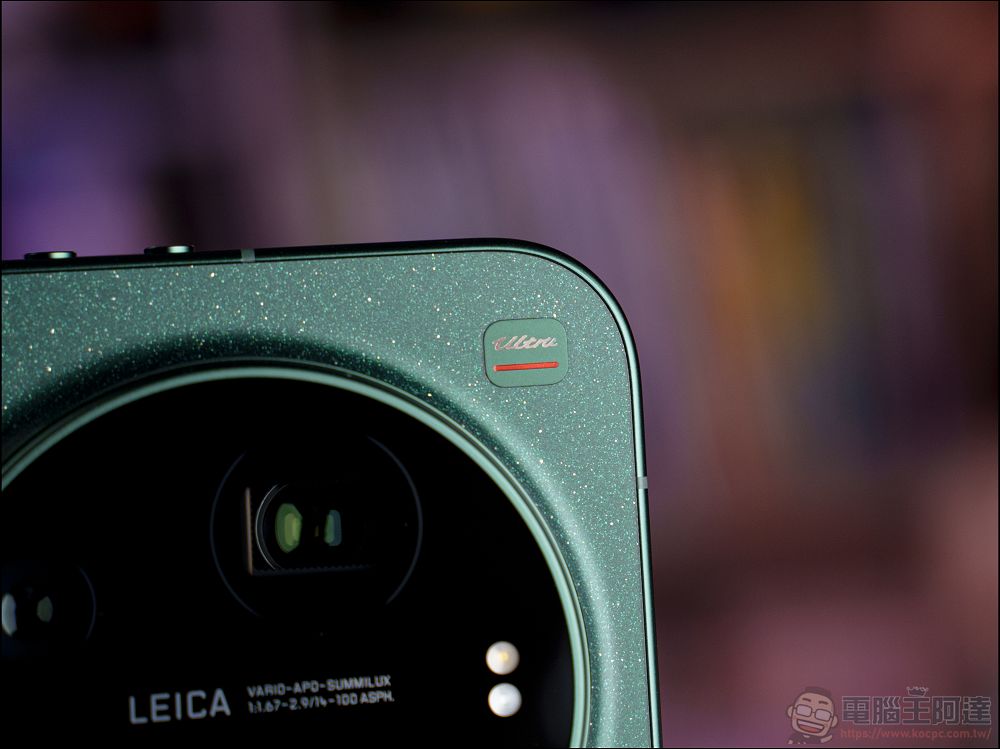
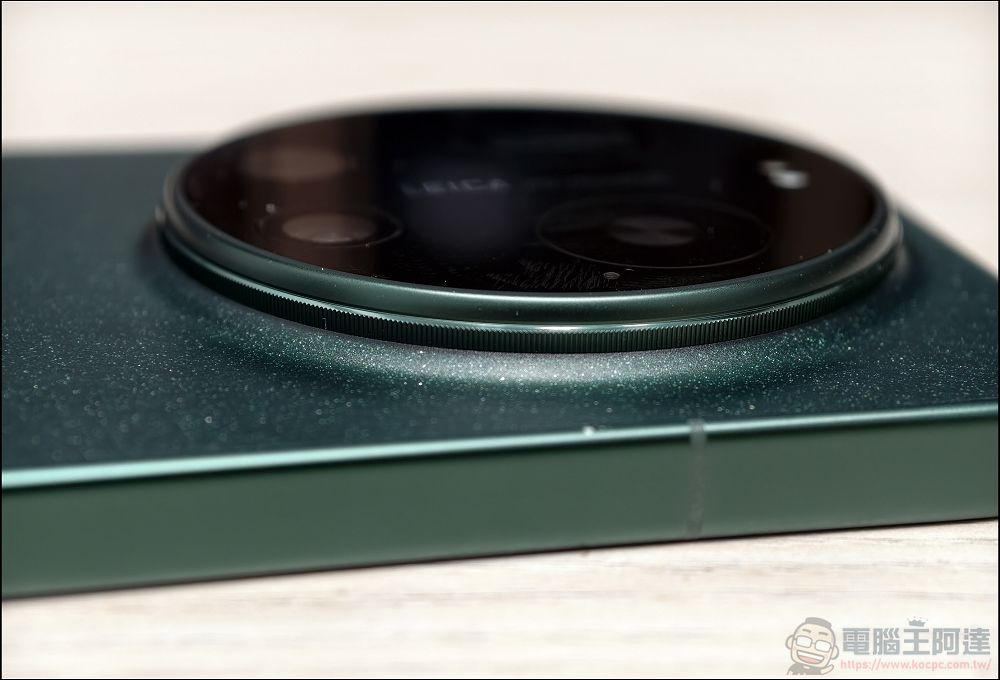
The lens part will definitely be more convex due to the large photosensitive element, but Xiaomi used a golden arc design this time to make the overall look more elegant. The “Ultra” on the upper right that declares the lineage, this font seems to be in the same style as its electric car Su7 Ultra:
Next, take a quick look at the IO and button configuration of the fuselage. The bottom of the fuselage has a SIM card slot, a microphone, a TYPE-C port that supports IP68 waterproof and dustproof, and stereo speakers: 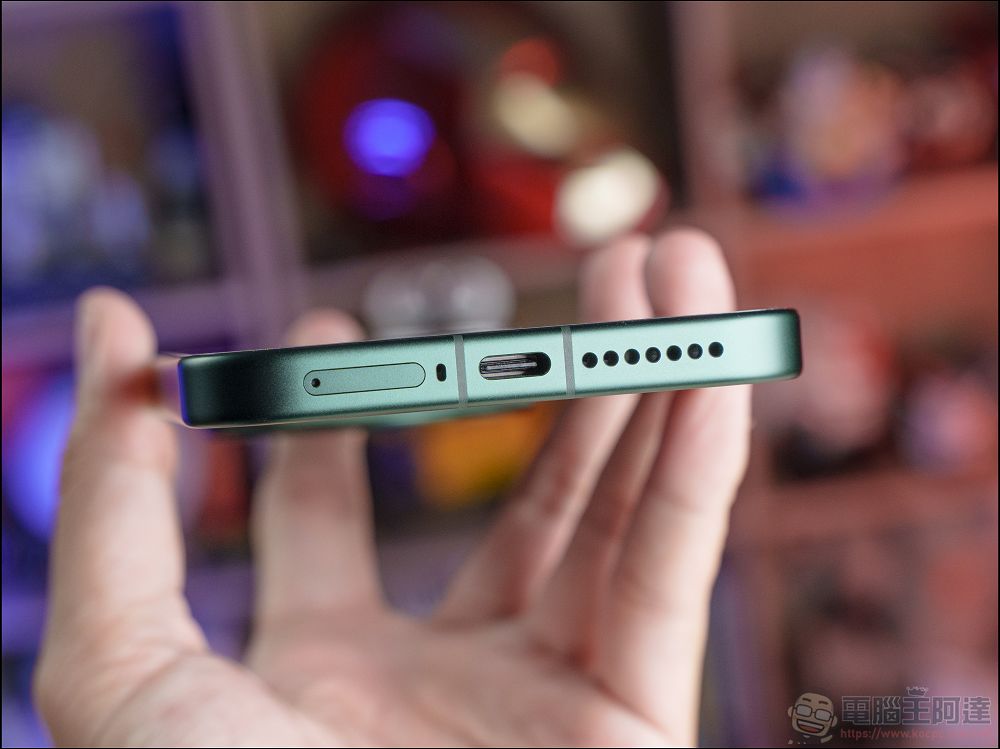
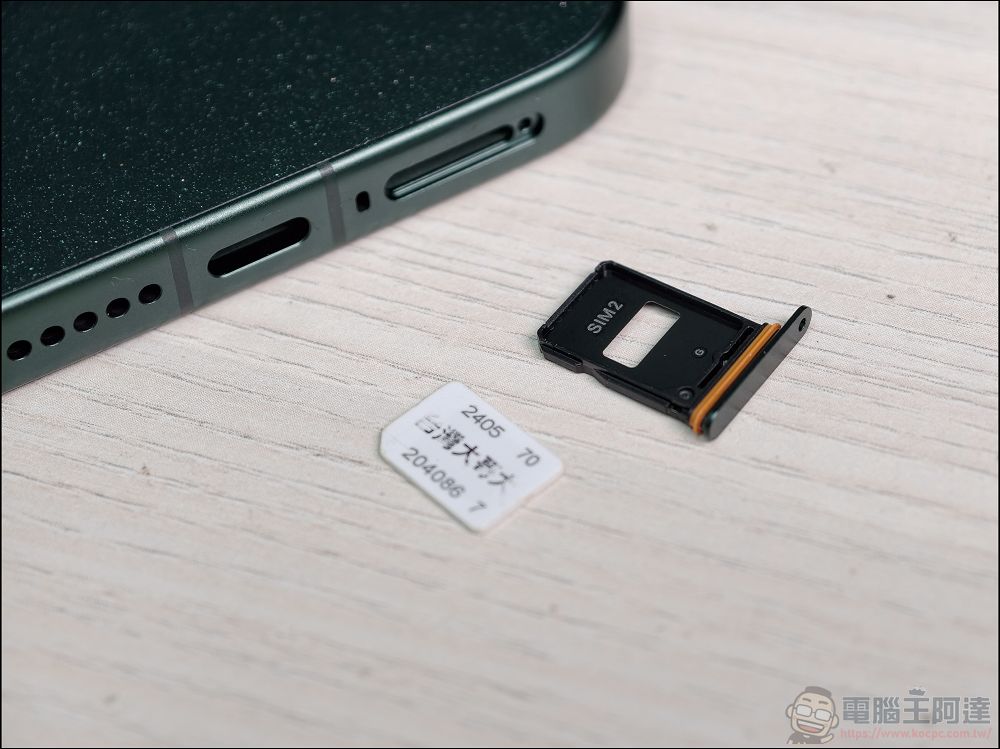
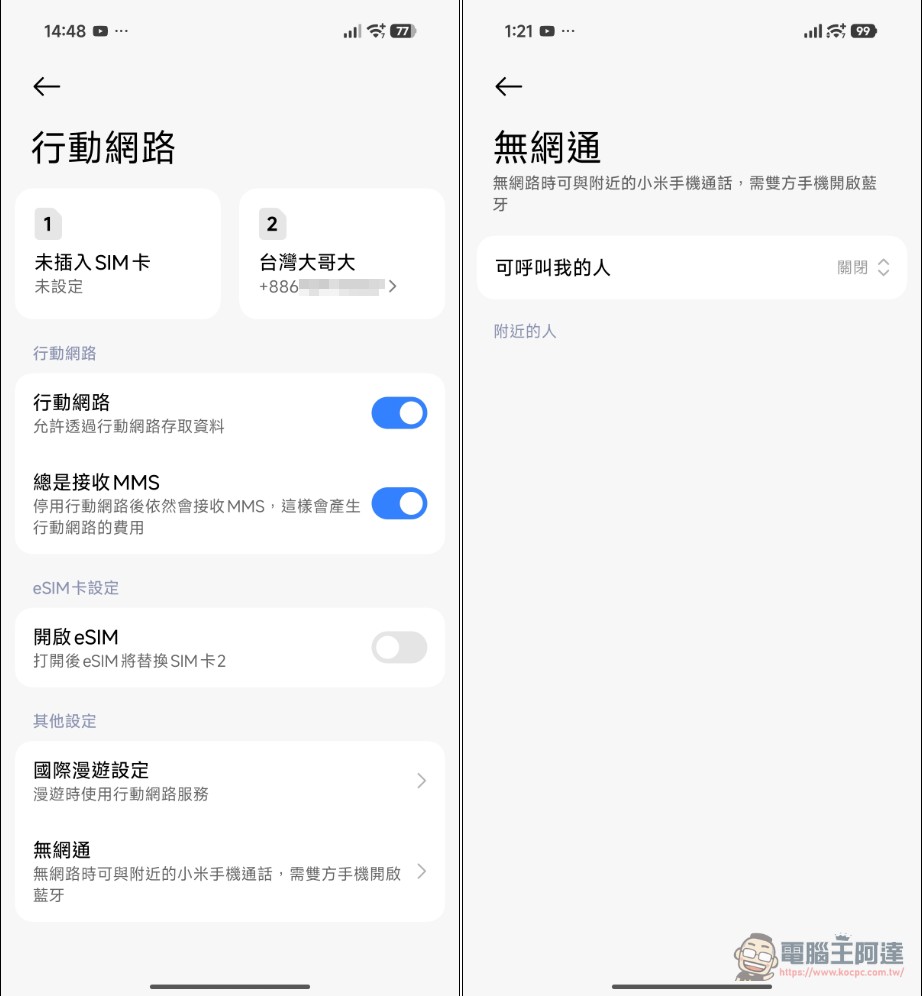
Xiaomi 17 Ultra supports Taiwan’s 5G full-band dual-SIM dual standby, and also supports eSIM (nano SIM + nano SIM or nano SIM + eSIM, eSIM + eSIM), which is very convenient for use abroad. It also supports the “No Netcom” function, which allows you to talk to another Xiaomi phone that supports this function when there is no signal. This should be very useful in scenes where there are many people and the signal is blocked:
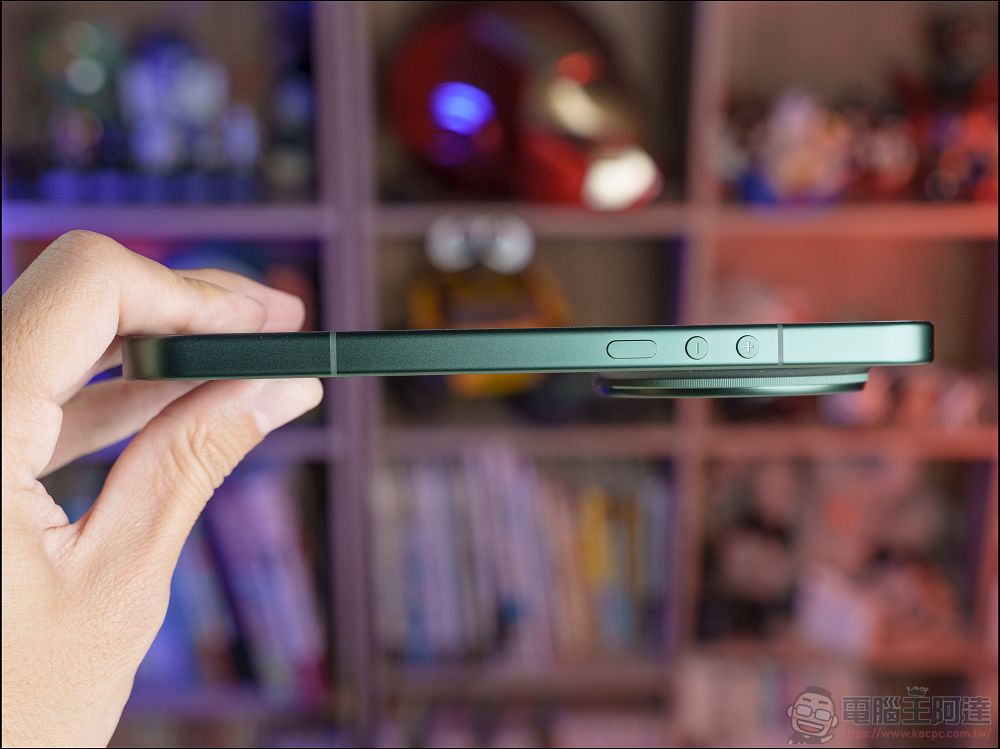
There are volume buttons and power buttons on the right side of the fuselage, but there are no physical buttons on the left side:
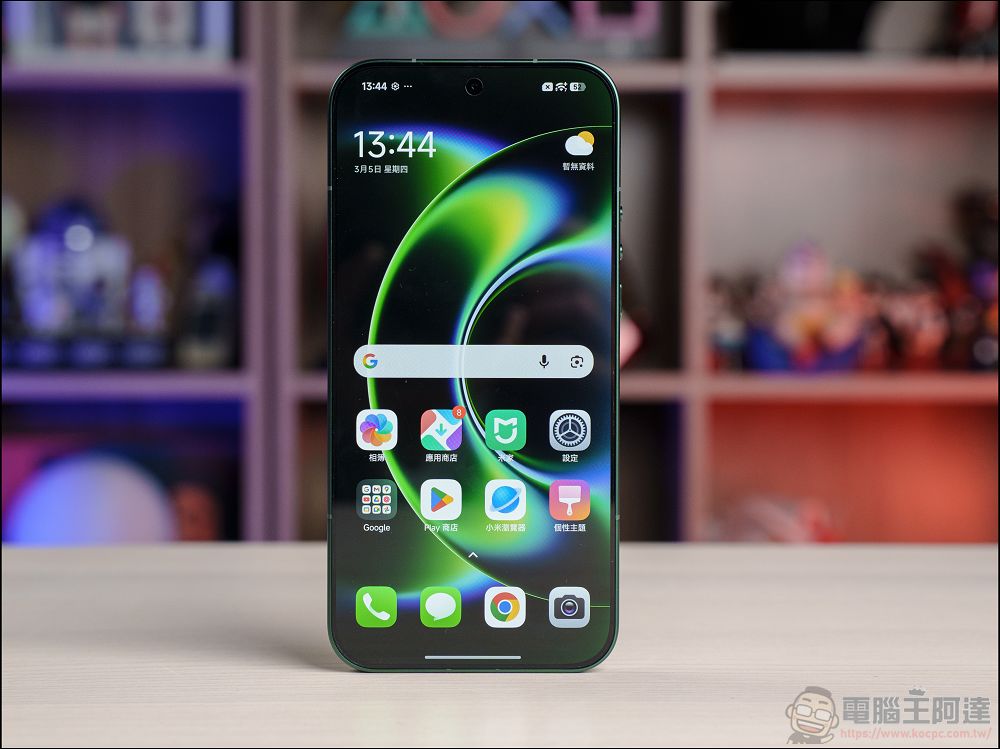
The screen part of Xiaomi 17 Ultra is very interesting this time, equipped with a full-screen 6.9-inch Xiaomi HyperRGB OLED screen, the surface is covered with the latest and superior protective power Xiaomi Dragon Crystal Glass 3.0. The resolution reaches 2608 x 1200, supports 1-120Hz adaptive refresh rate and 12-bit color depth, and the peak brightness is astonishing 3500 nits, even outdoors during the day, the picture is still clear, and it also supports wet hand control.
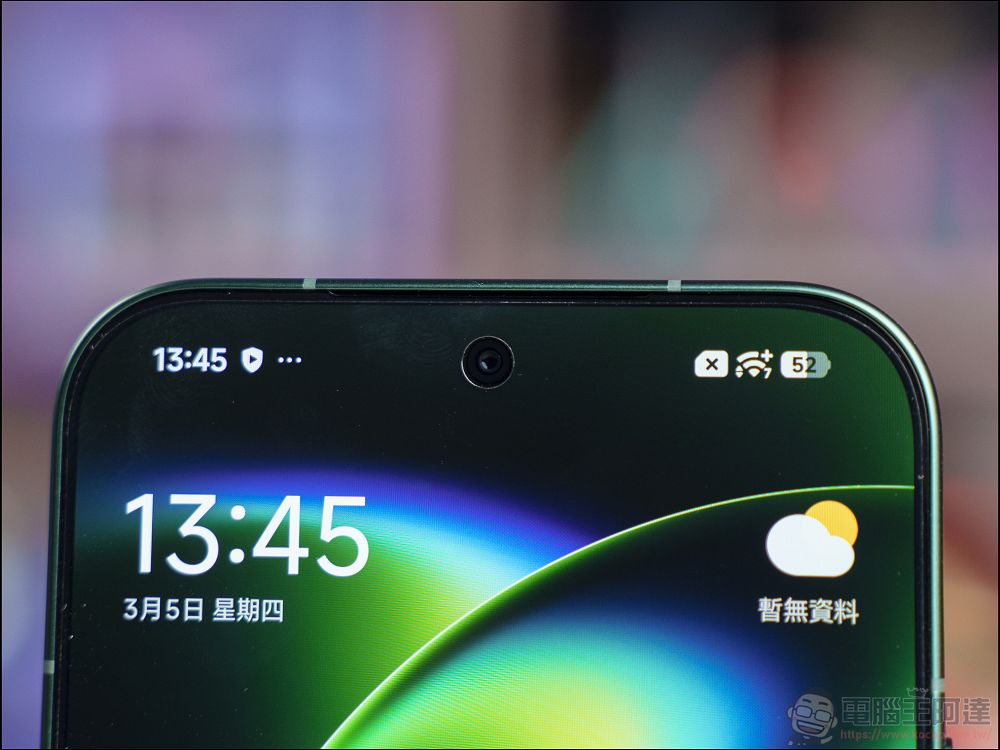
Above the screen is a 50-megapixel f/2.2 front-facing lens equivalent to 21mm. The portrait mode selfie effect is good, and of course there are also functions such as face unlock:
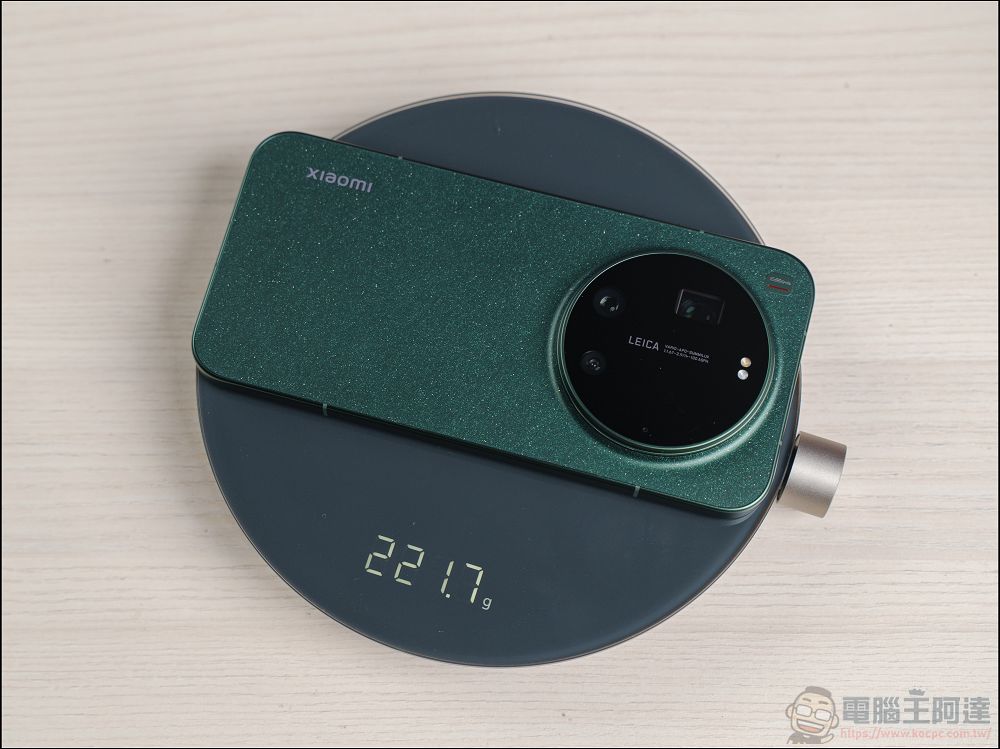
The body weight is about 219g (actual measurement is 211.7 grams), which is a bit heavy, but not heavy among flagship phones.
Although it has a large 6.9-inch screen, it is quite comfortable to hold. Except for the fact that the lens is relatively large, which affects the weight a bit, it does not feel top-heavy overall. (The picture below shows what it looks like with the included mobile phone case installed)
Leica four-lens system: 200 million pixels continuous optical zoom
The imaging department is where the Xiaomi 17 Ultra really shines. This time it is equipped with a system jointly developed with Leica VARIO-APO-SUMMILUX Lens system covering the complete focal range from 14mm to 100mm:
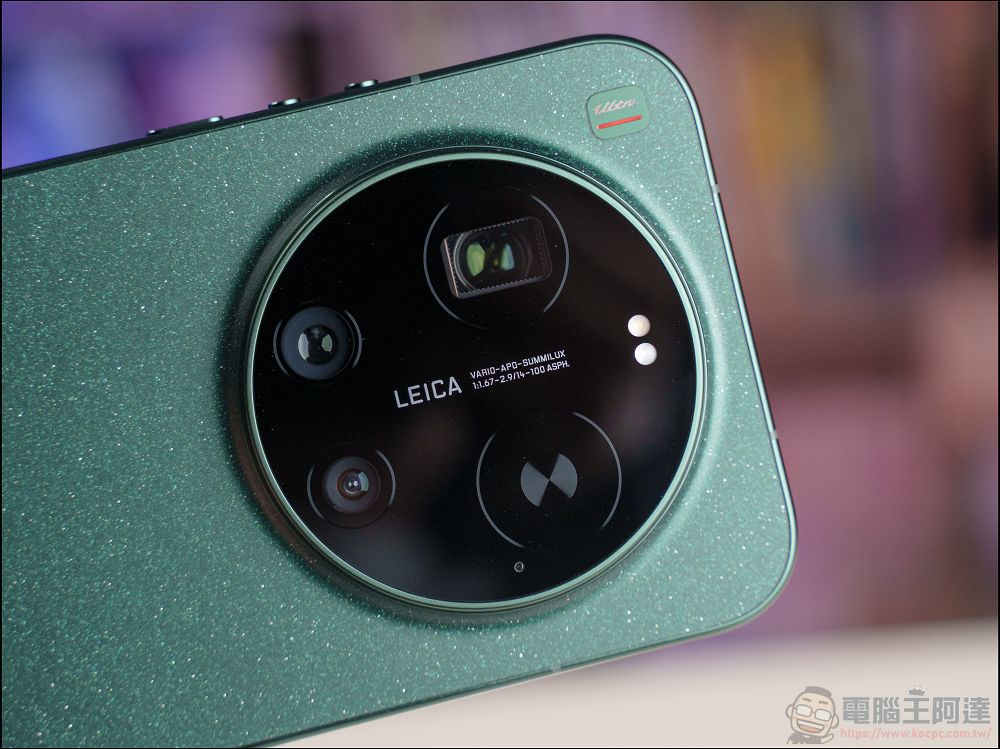
- 23mm main lens: Using 50 million pixels 1-inch outsole “Light and Shadow Hunter 1050L”The sensor has an aperture of f/1.67 and supports OIS.
- 75mm-100mm continuous optical zoom lens: This is the biggest surprise this time, using 200 million pixels Samsung HPE The sensor has a large 1/1.4-inch area and a variable aperture of f/2.39-f/2.96. It supports OIS and can achieve extremely smooth continuous zoom effects.
- 14mm super wide angle: 50-megapixel Samsung JN5 sensor, FOV 115°, supports super macro shooting.
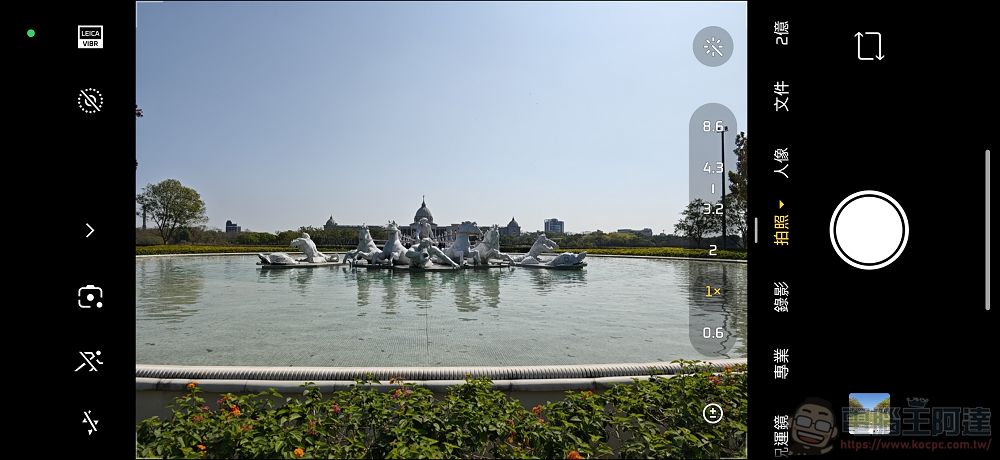
Xiaomi 17 Ultra’s shooting interface covers the entire focal length range from 0.6X 14mm ultra-wide angle to Leica’s 200 million pixel continuous optical zoom of 3.2X~4.3X (75~100mm):
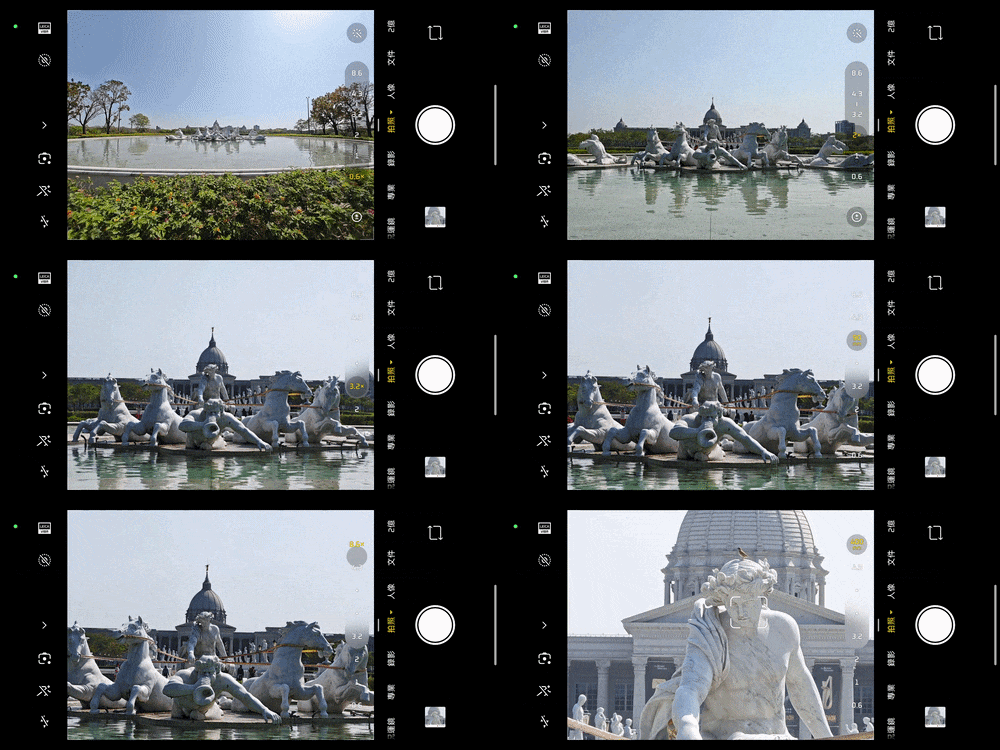
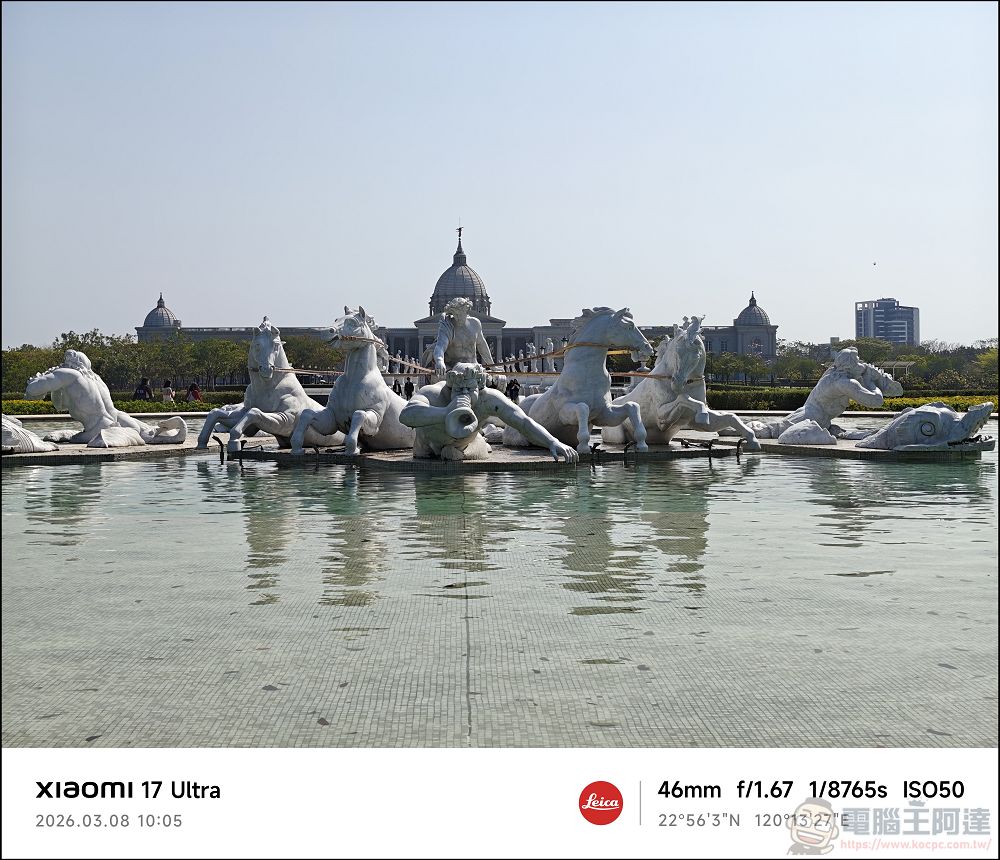
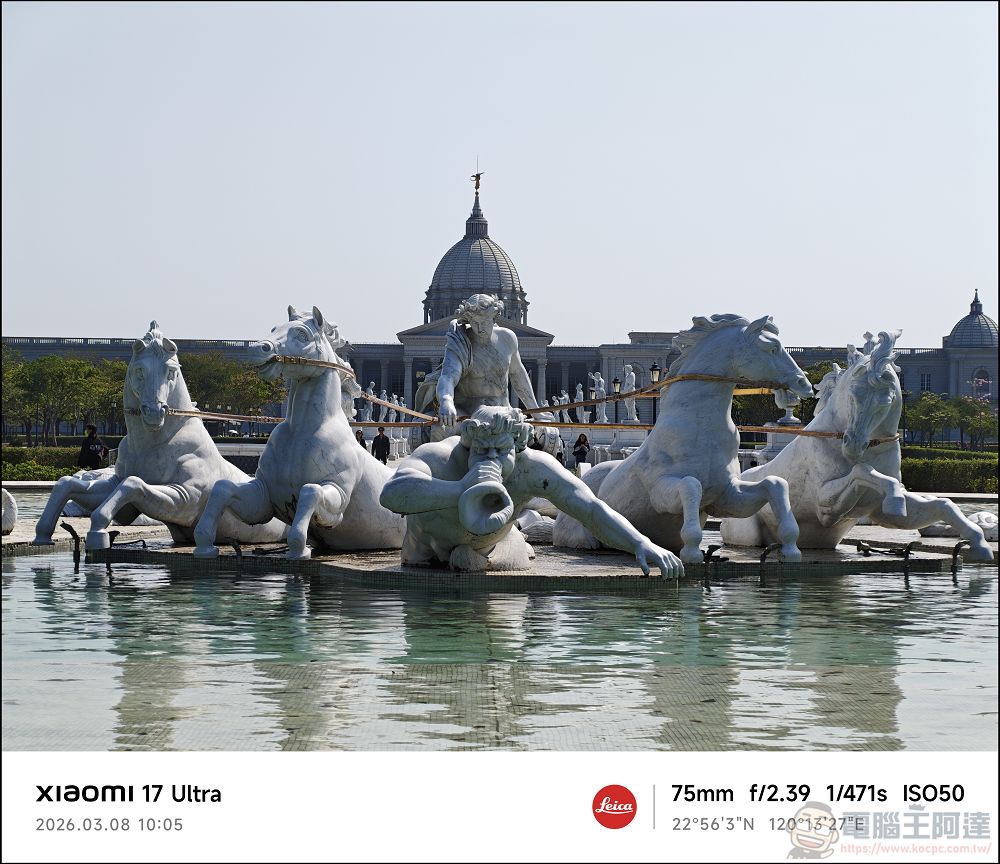
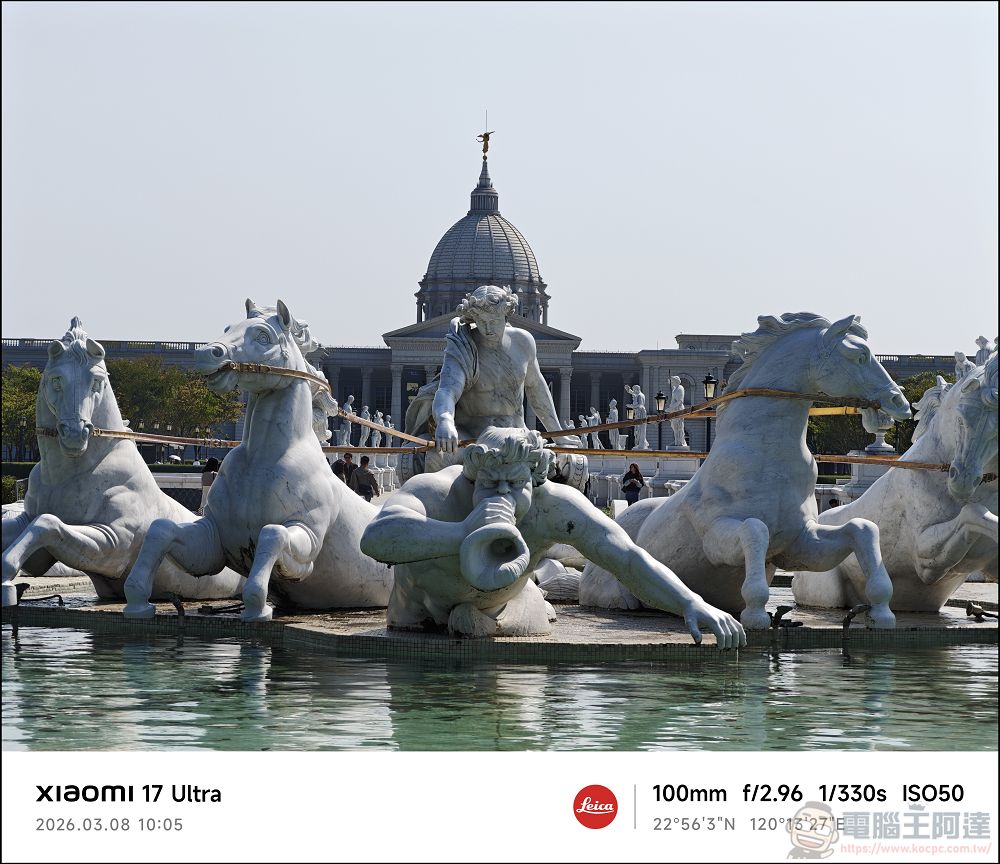
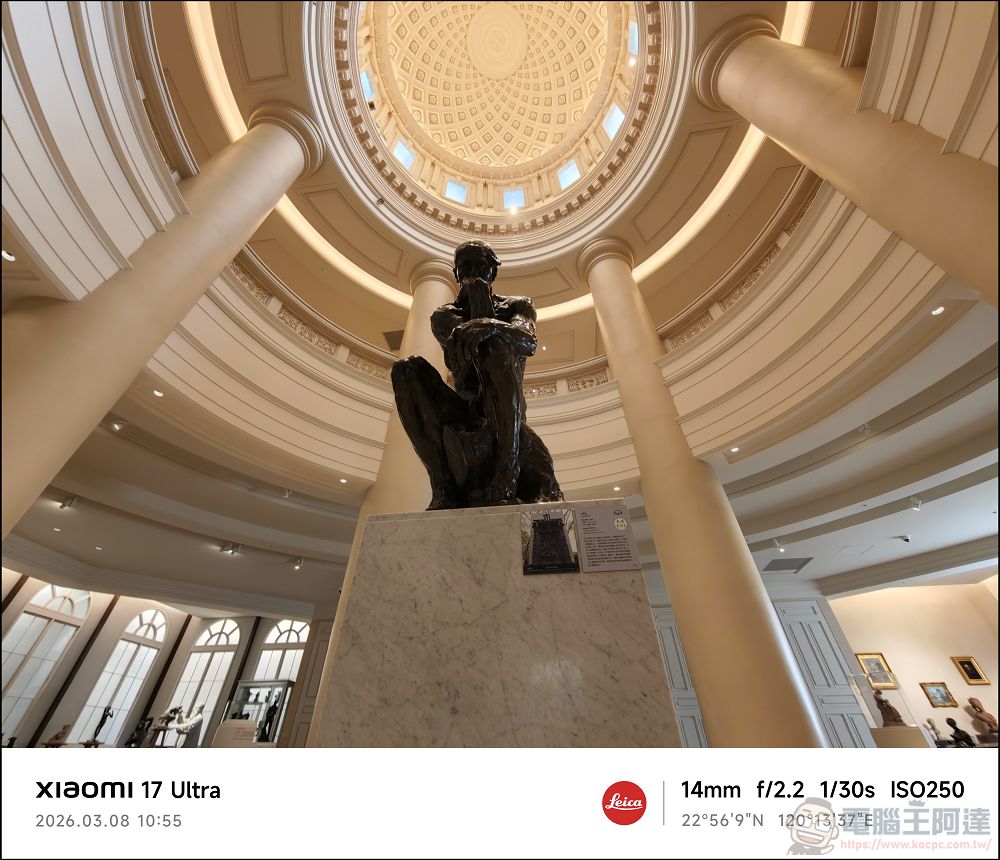
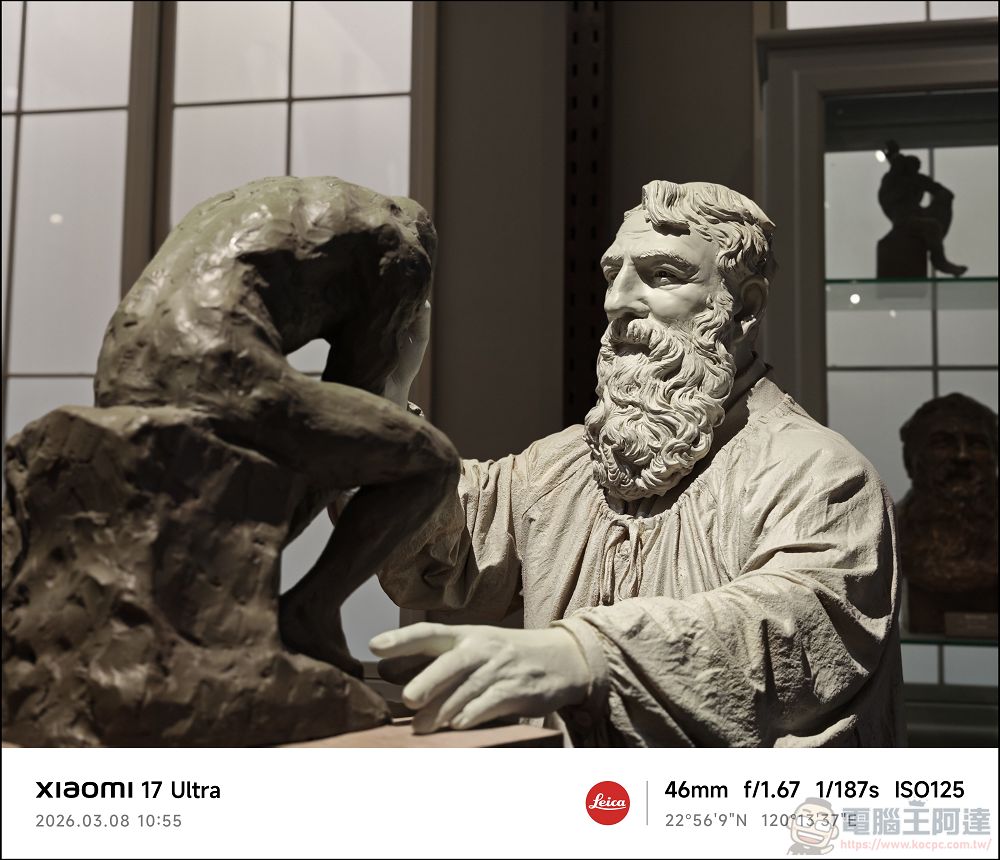
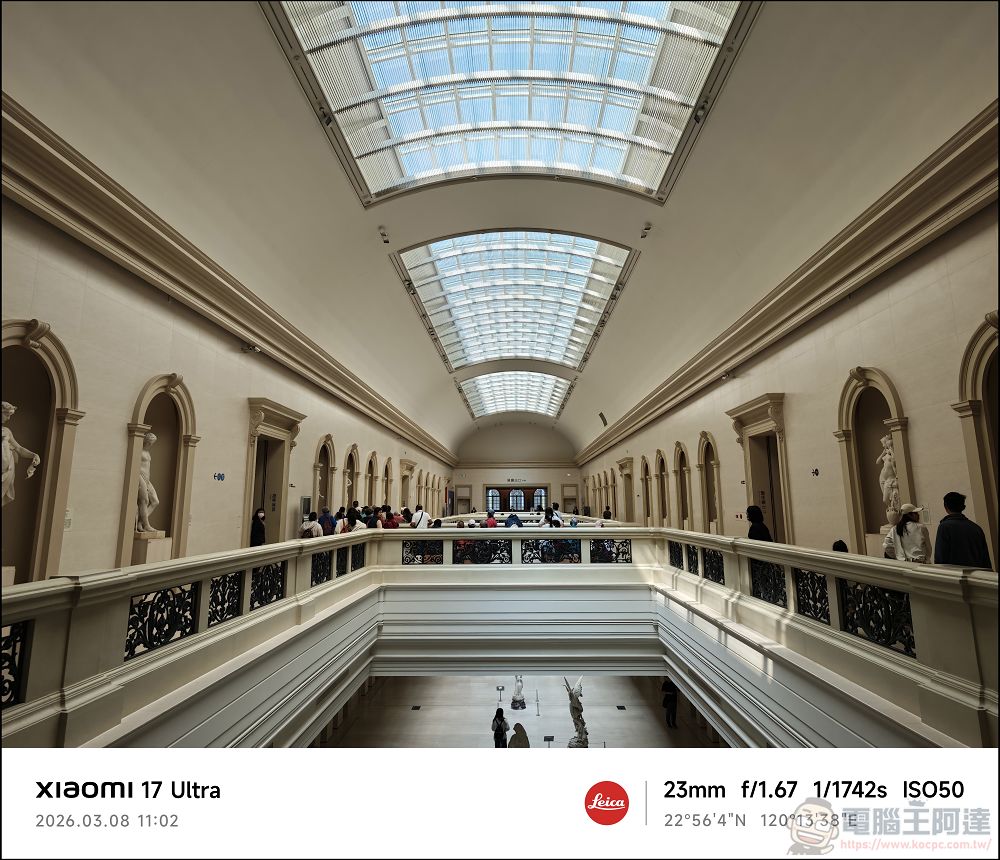
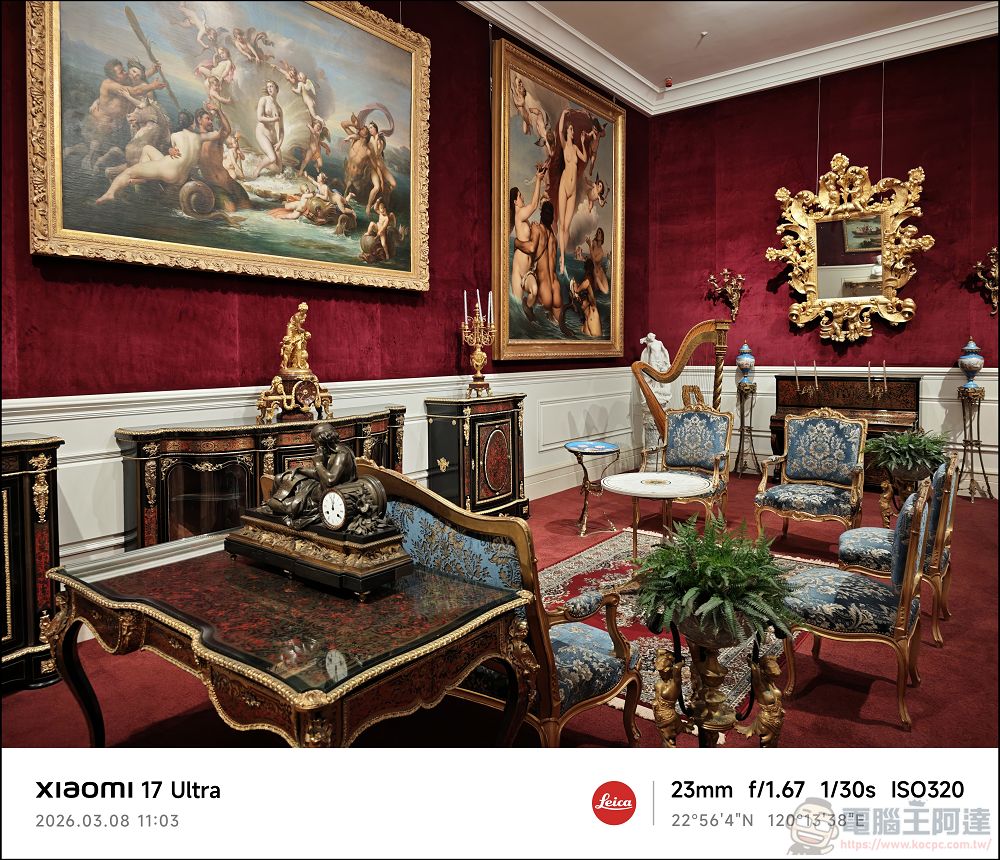
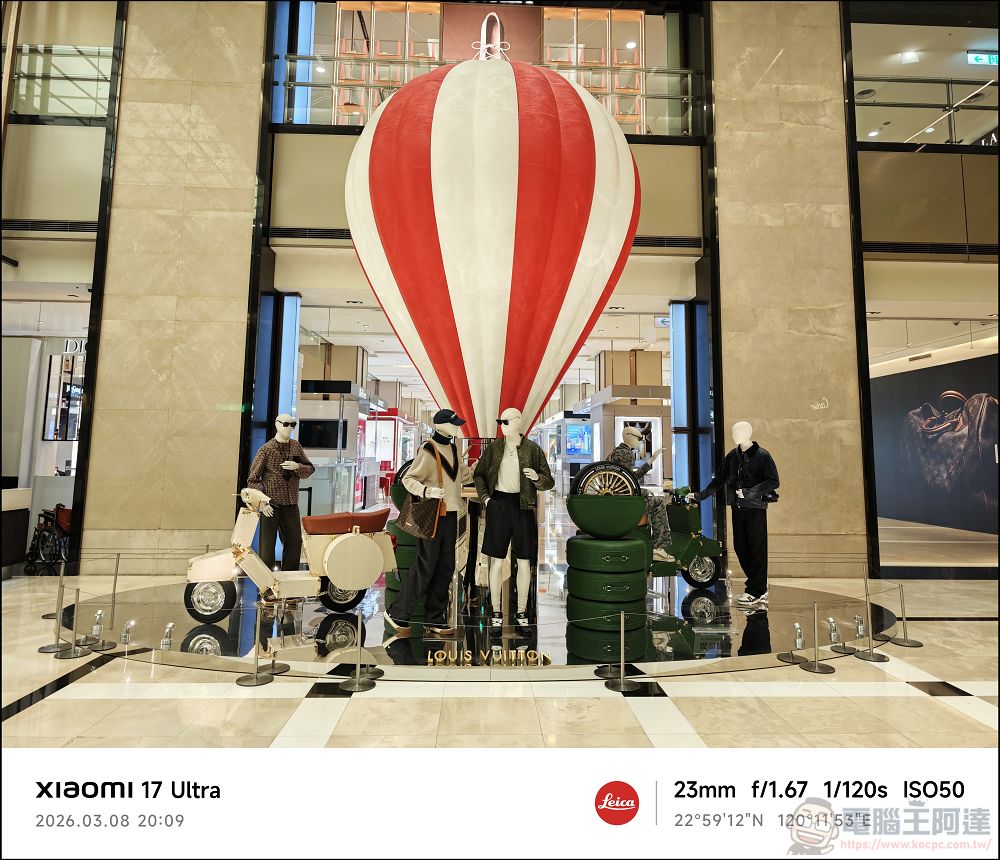
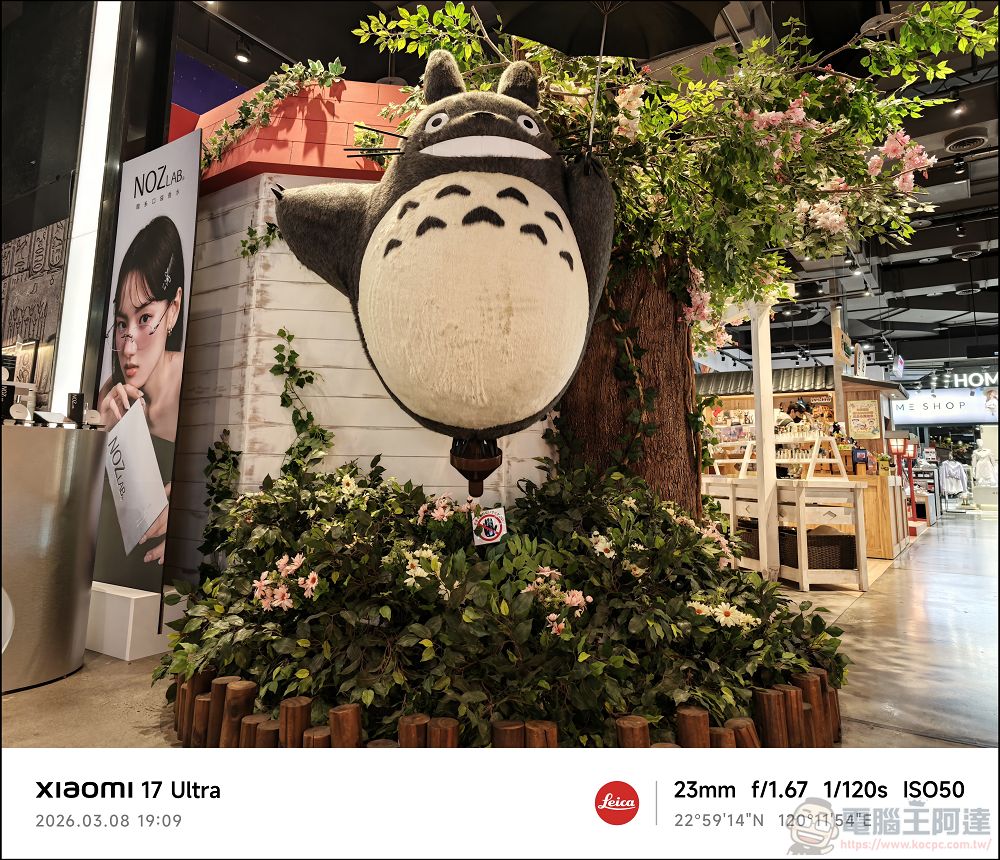
The following photos were taken using Xiaomi 17 Ultra. Let’s first look at the performance of each focal length:
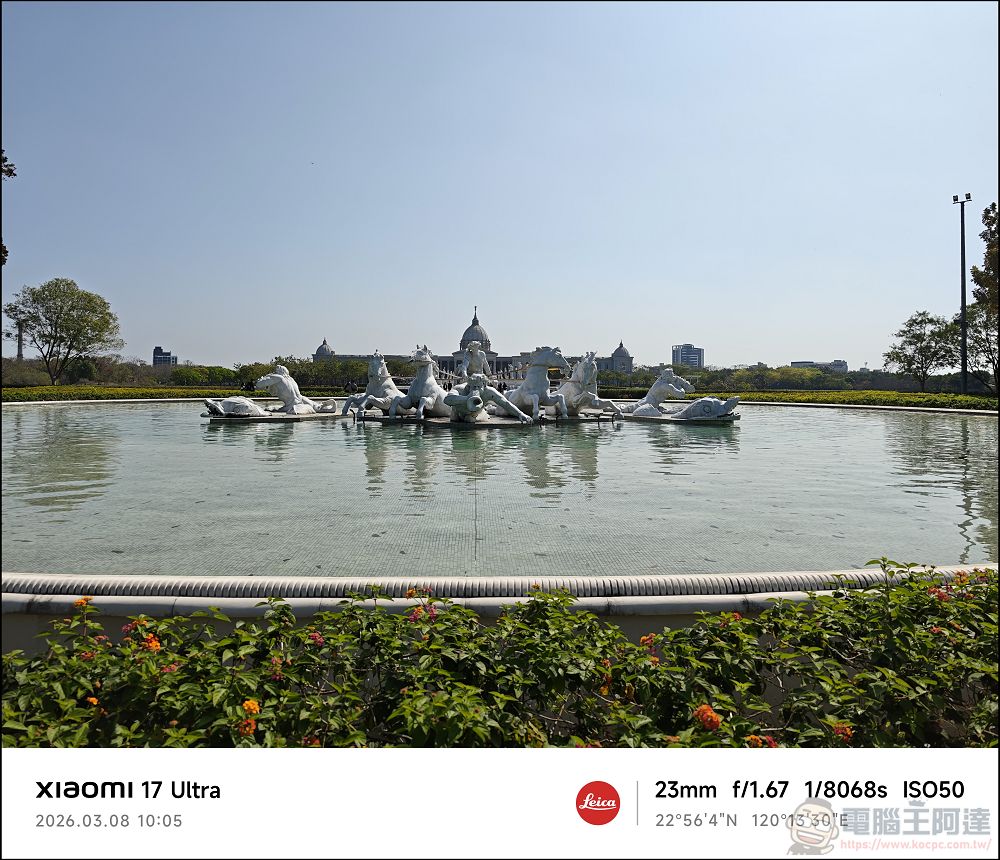
↑23mm (main lens)
46mm (main lens lossless enlargement):
75mm~100mm (200 million pixel continuous optical zoom lens):
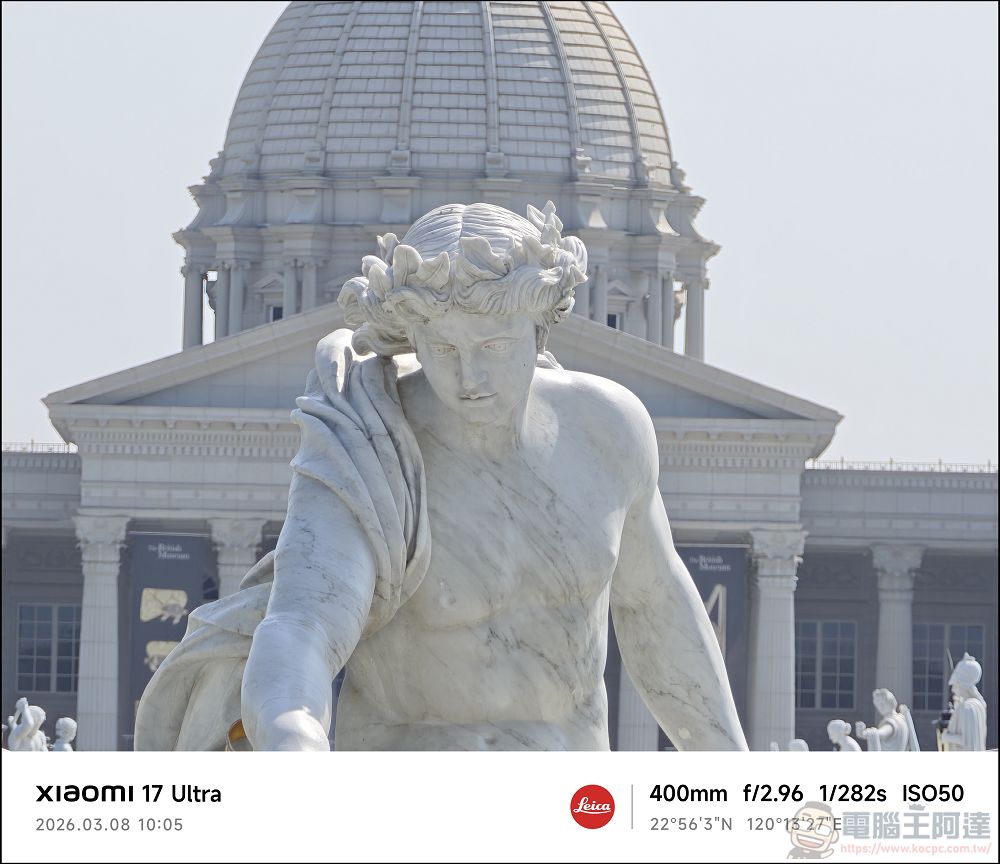
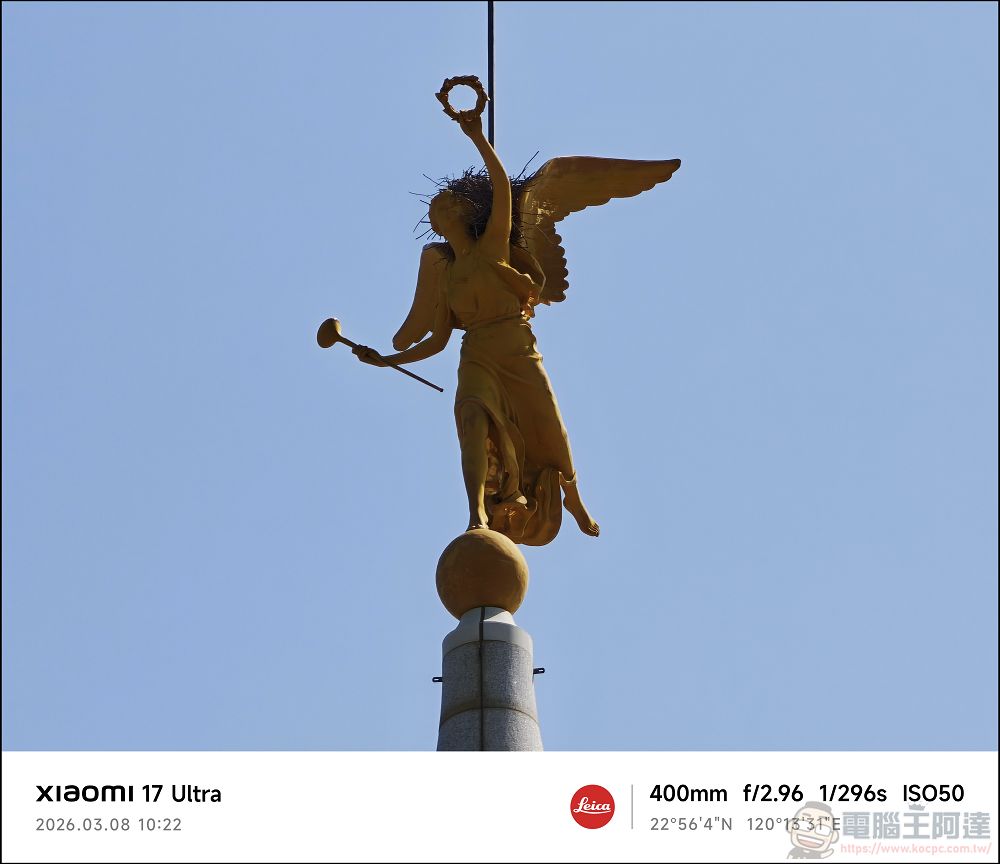
200mm~400mm (8.6X, 17.2X) are all cropped zooms of telephoto lenses. You can see that the image quality is still very good, and the image compression is also noticeable: 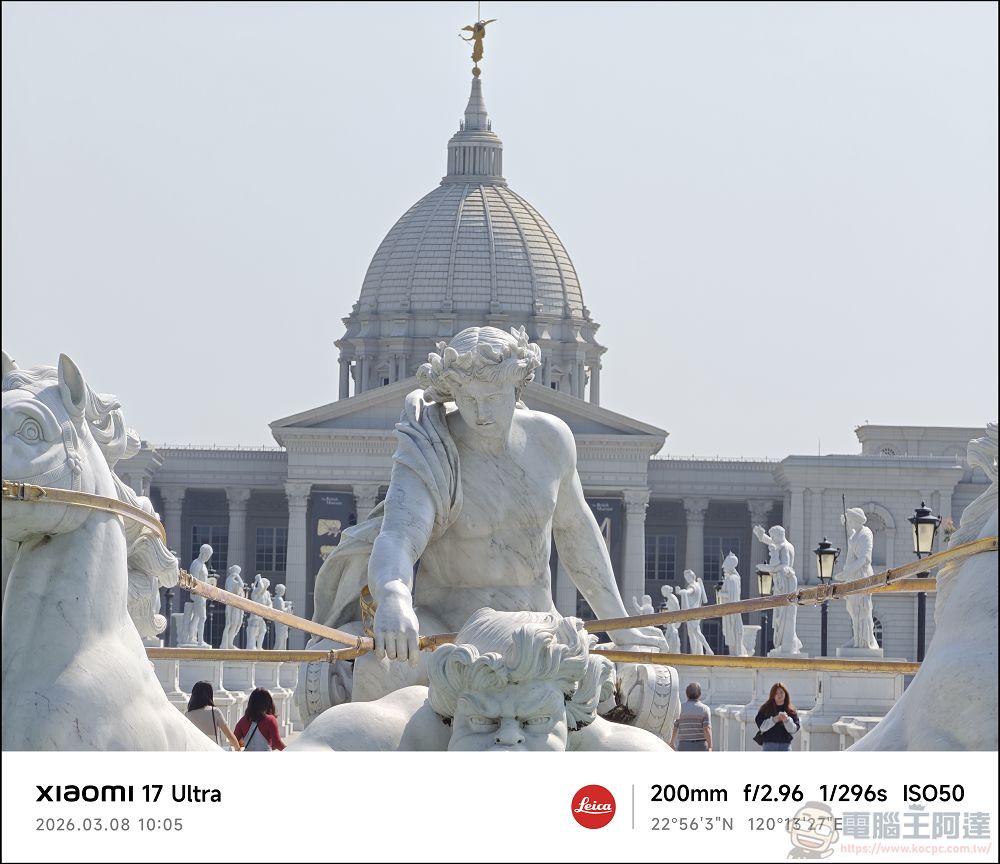
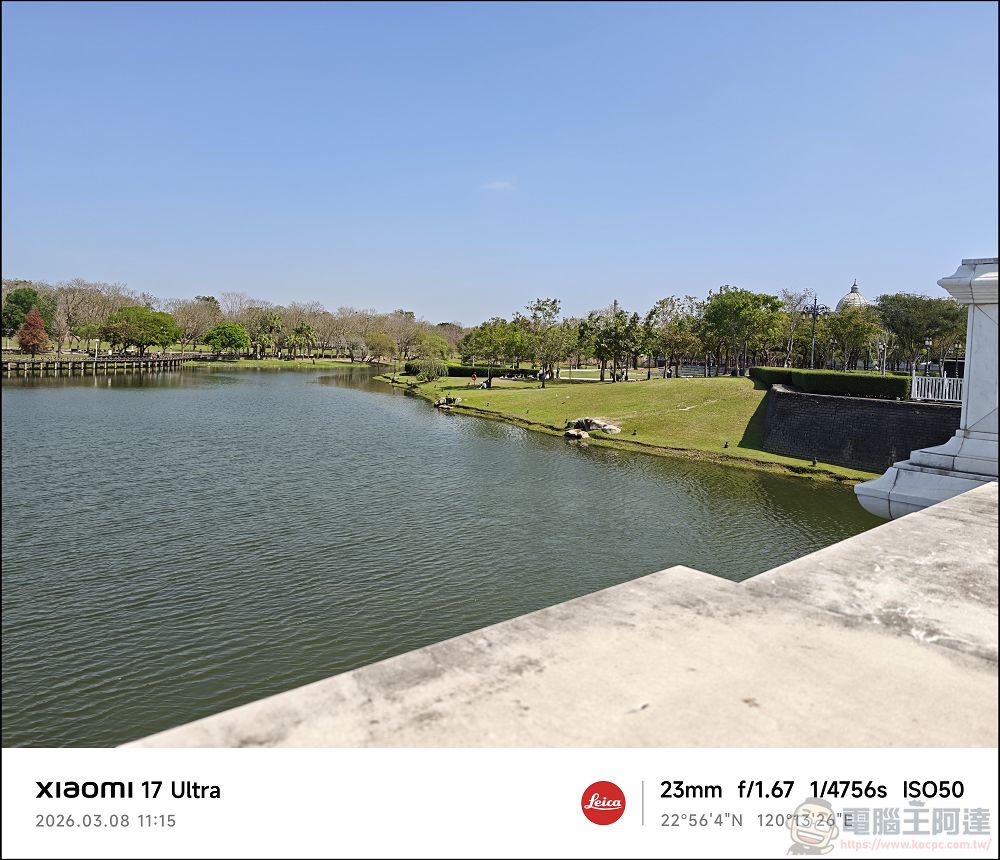
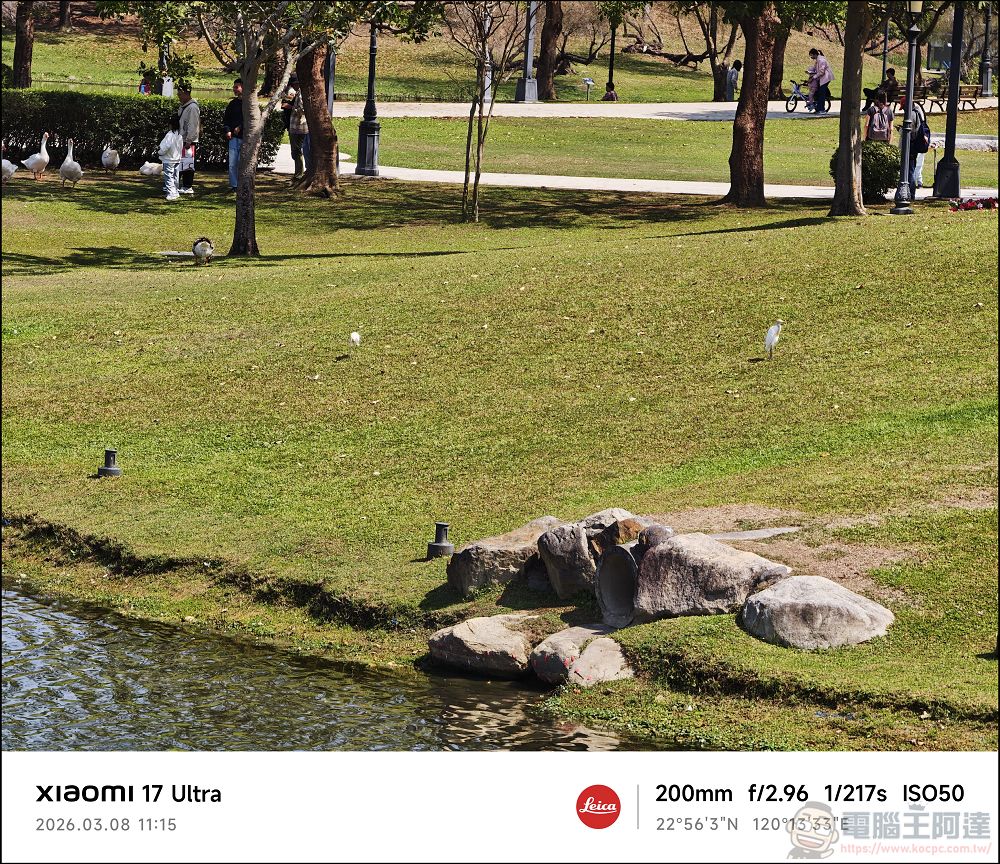
Telephoto test in other scenes (1X vs 8.6X):
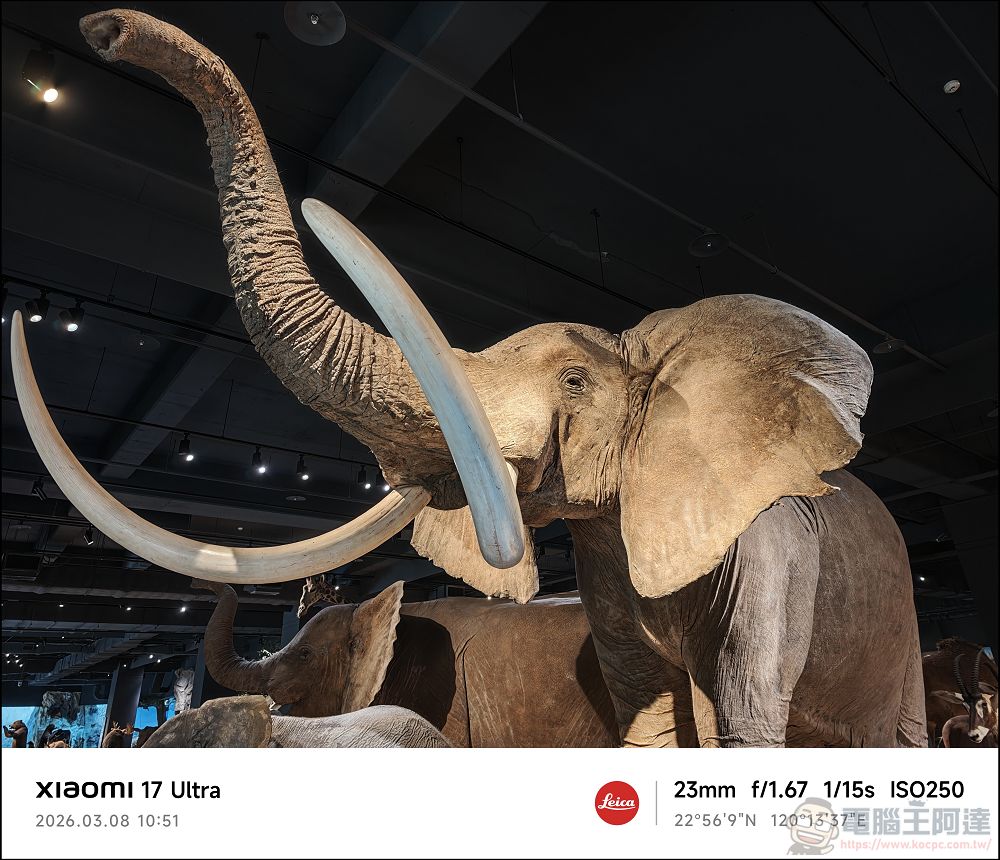
In the indoor telephoto image quality test, I think this performance is very good without an external lens:
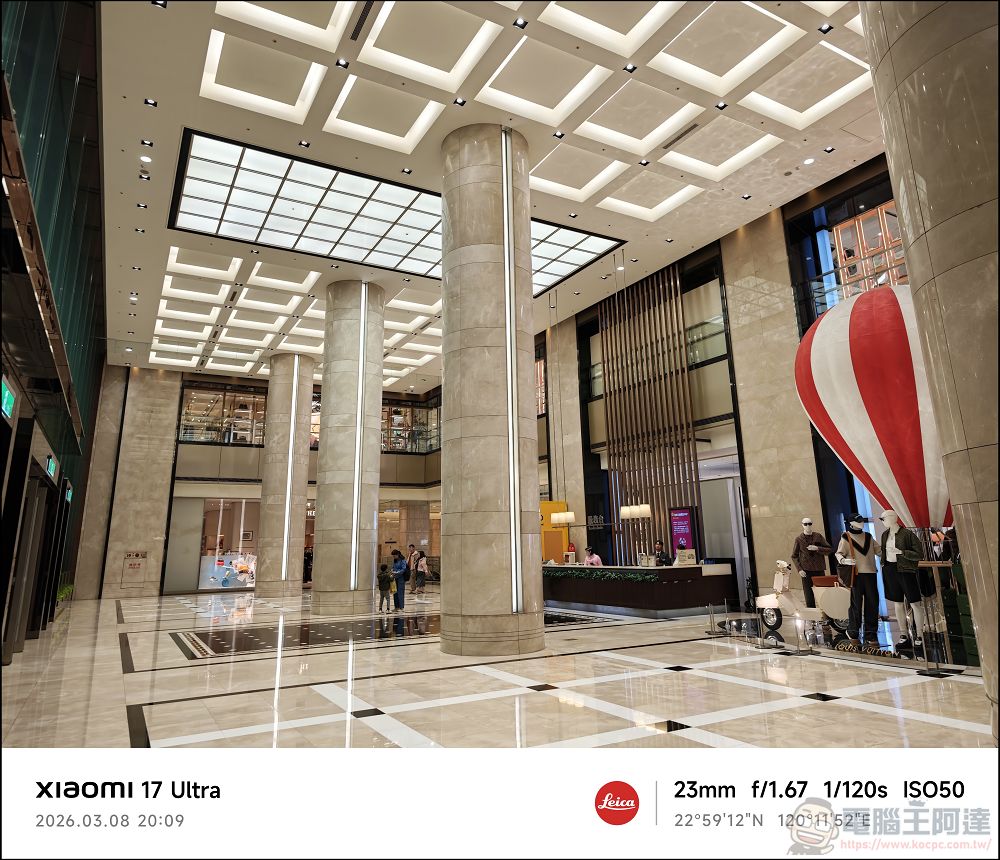
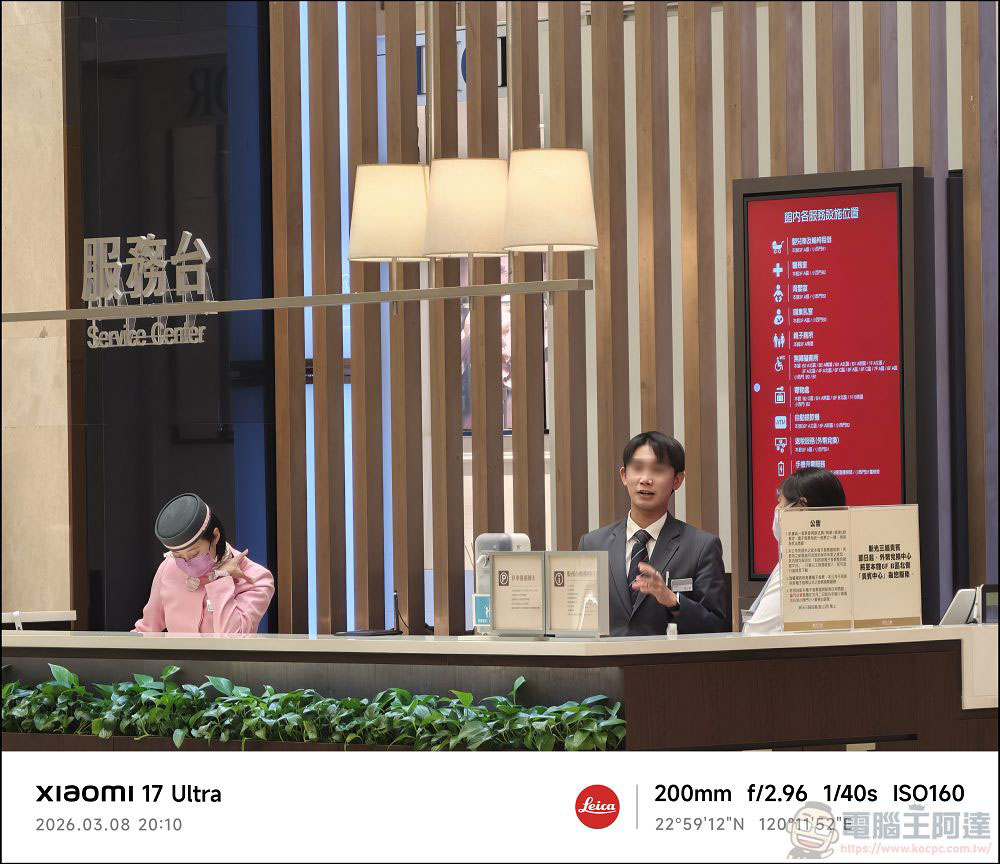
Since Xiaomi does not have the configuration of an external telephoto lens, AI is used for higher magnification. You can look at the picture below to see the effect (the bird’s nest on the head of the angel on the roof):
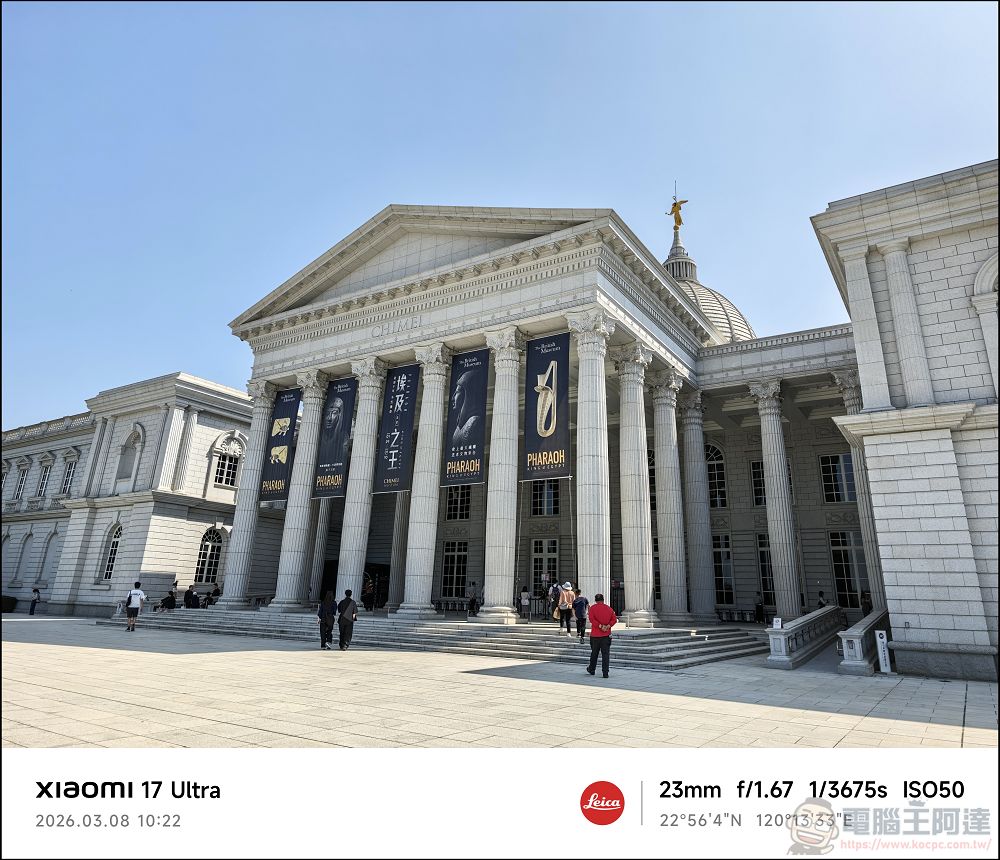
Daytime outdoors: 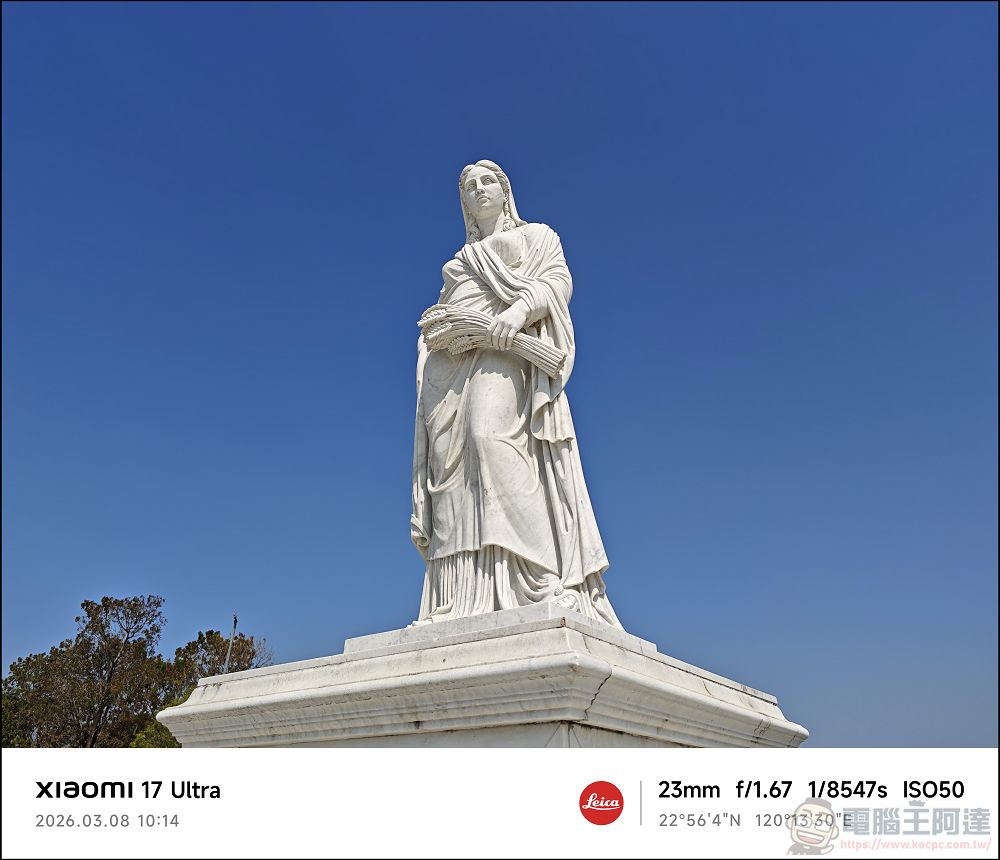
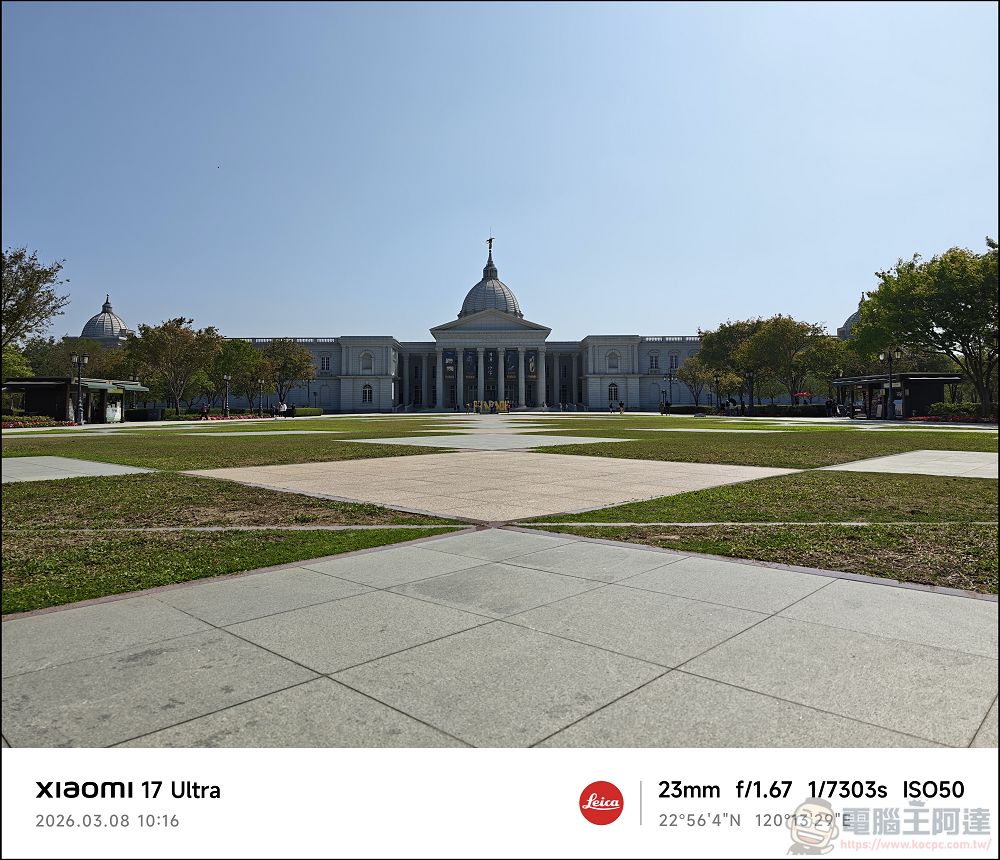
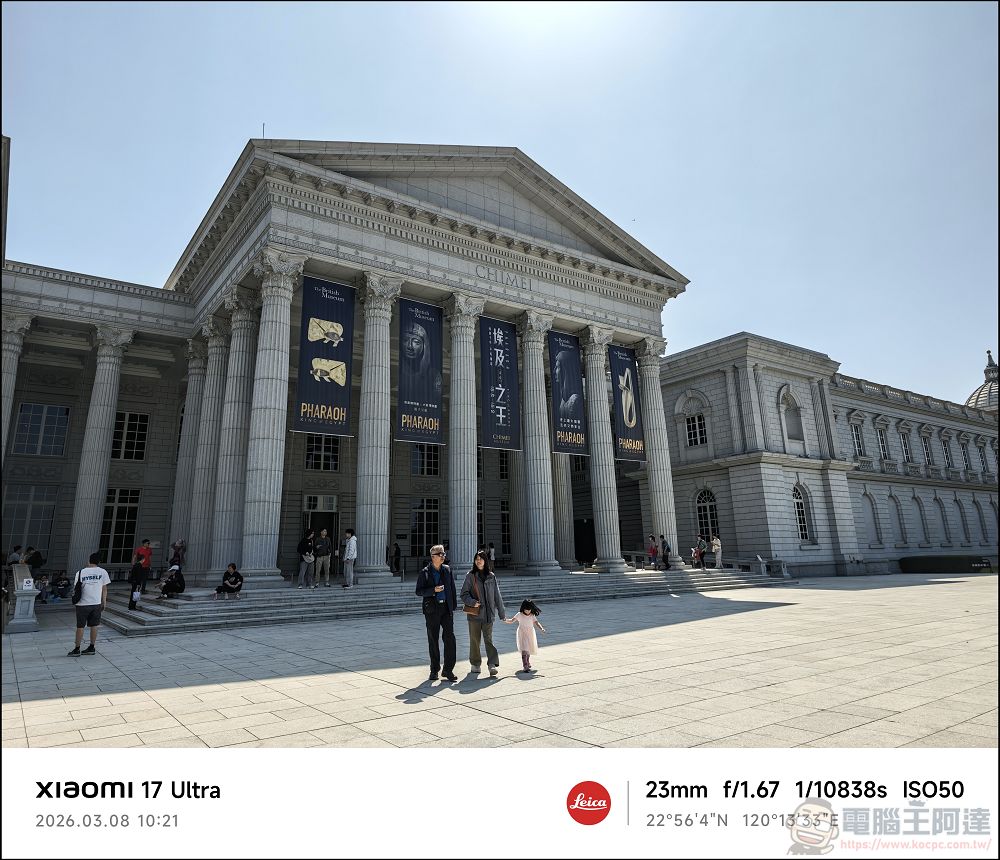
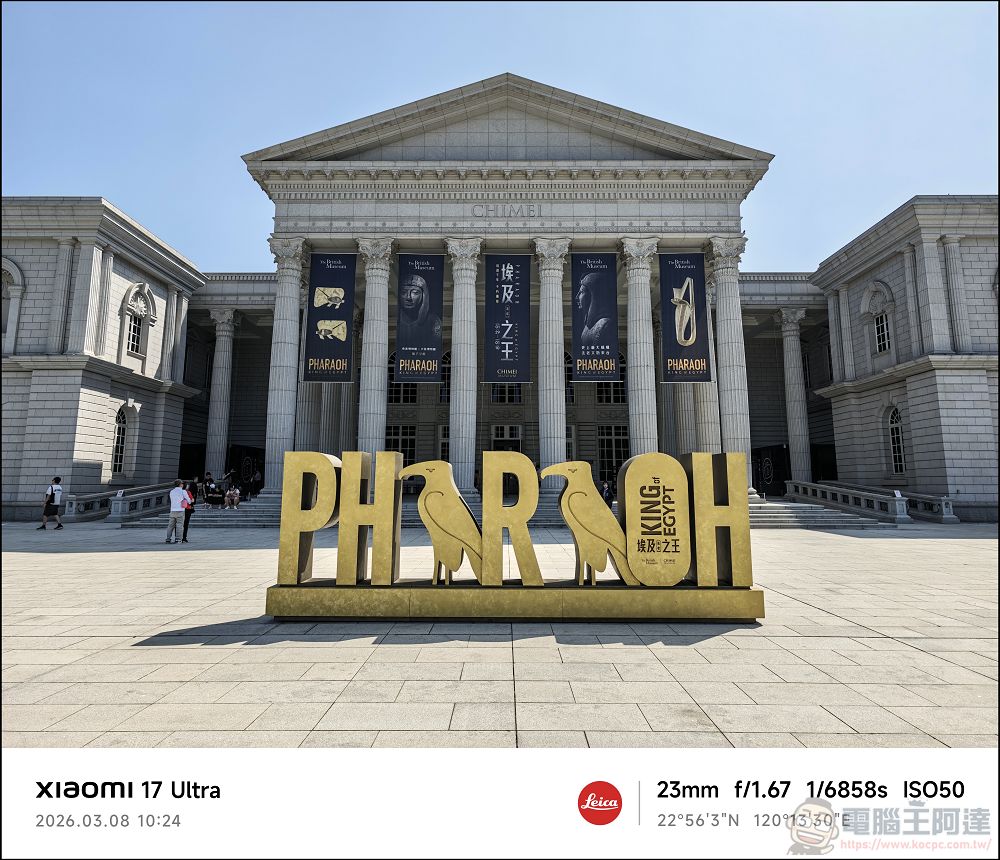
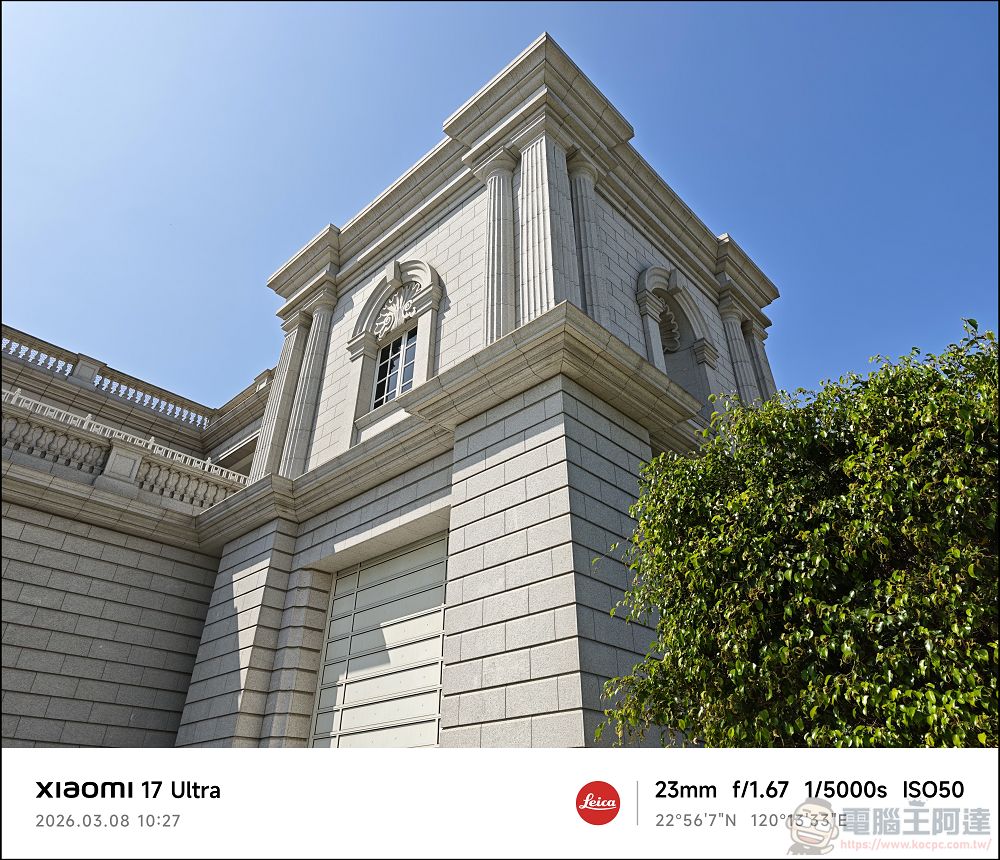
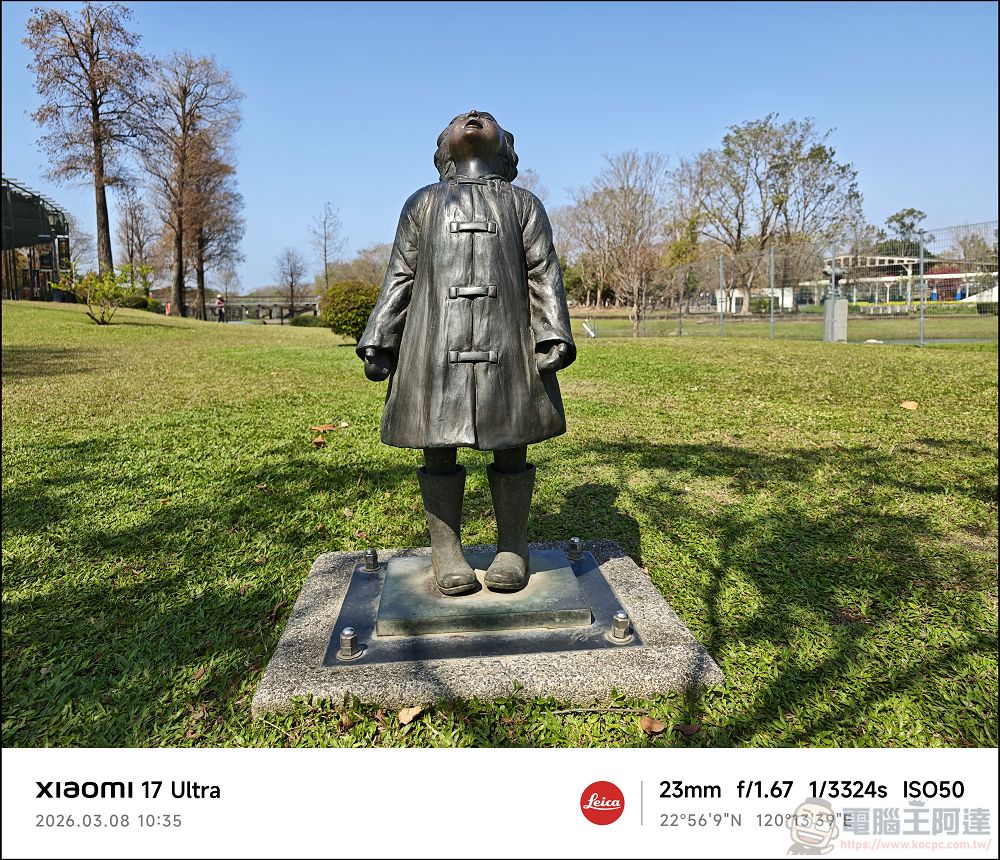
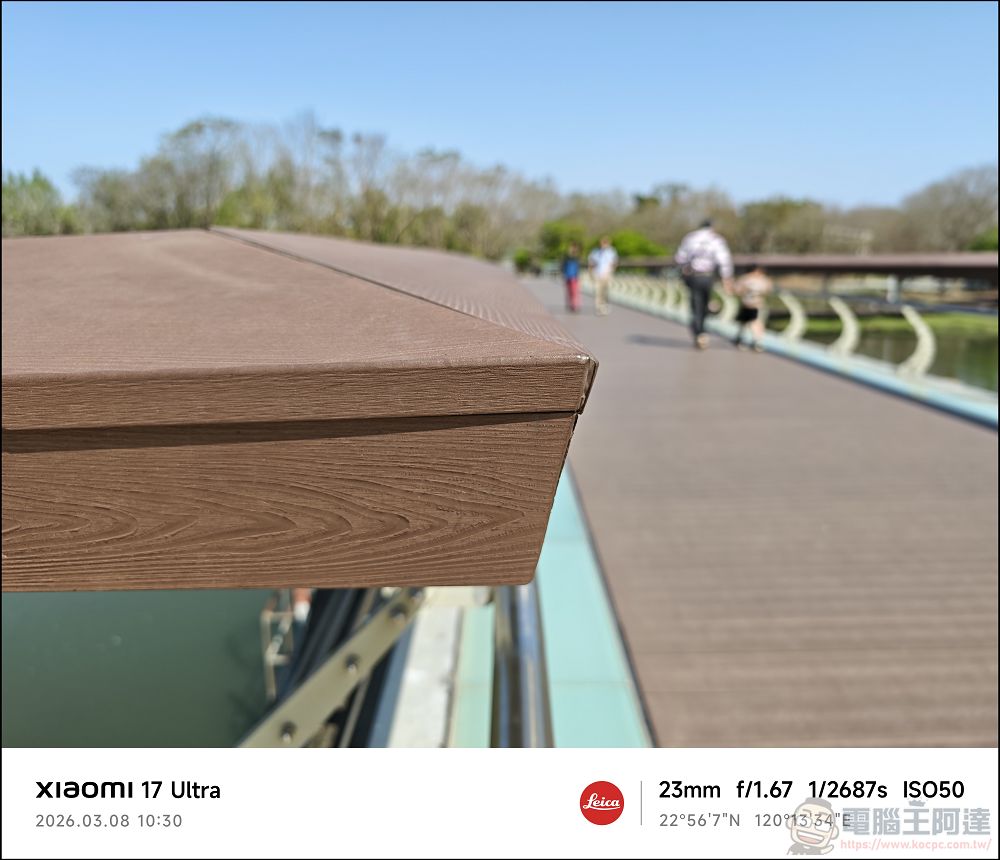
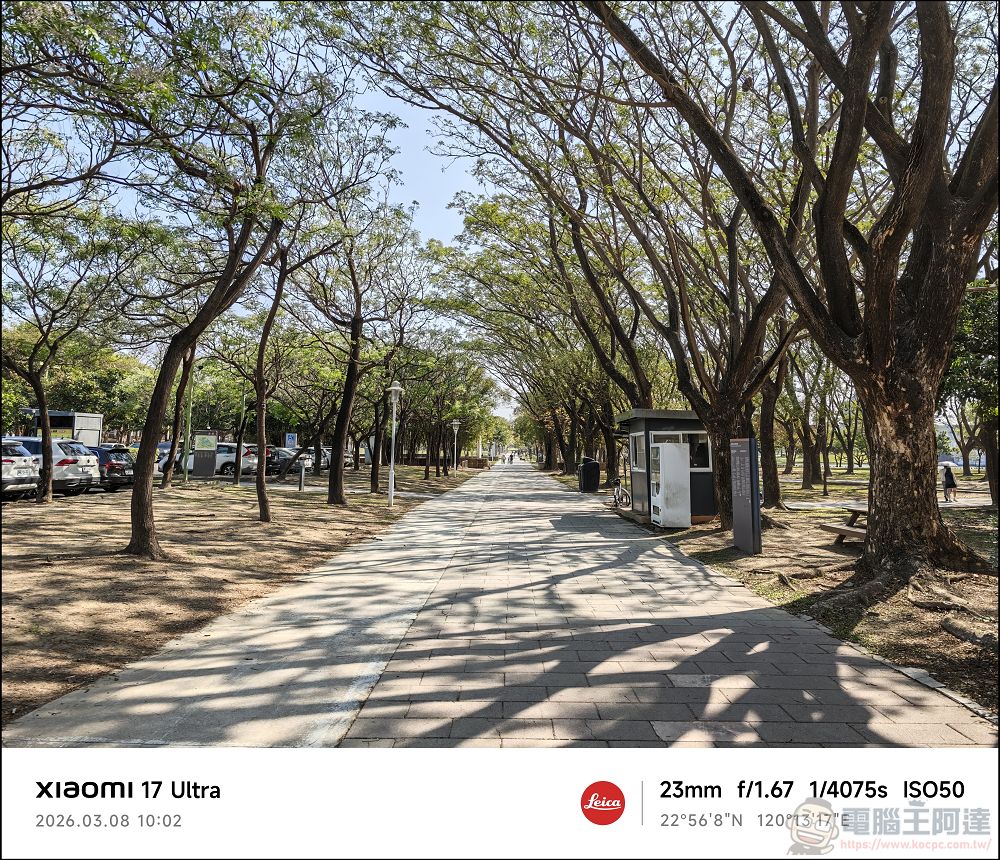
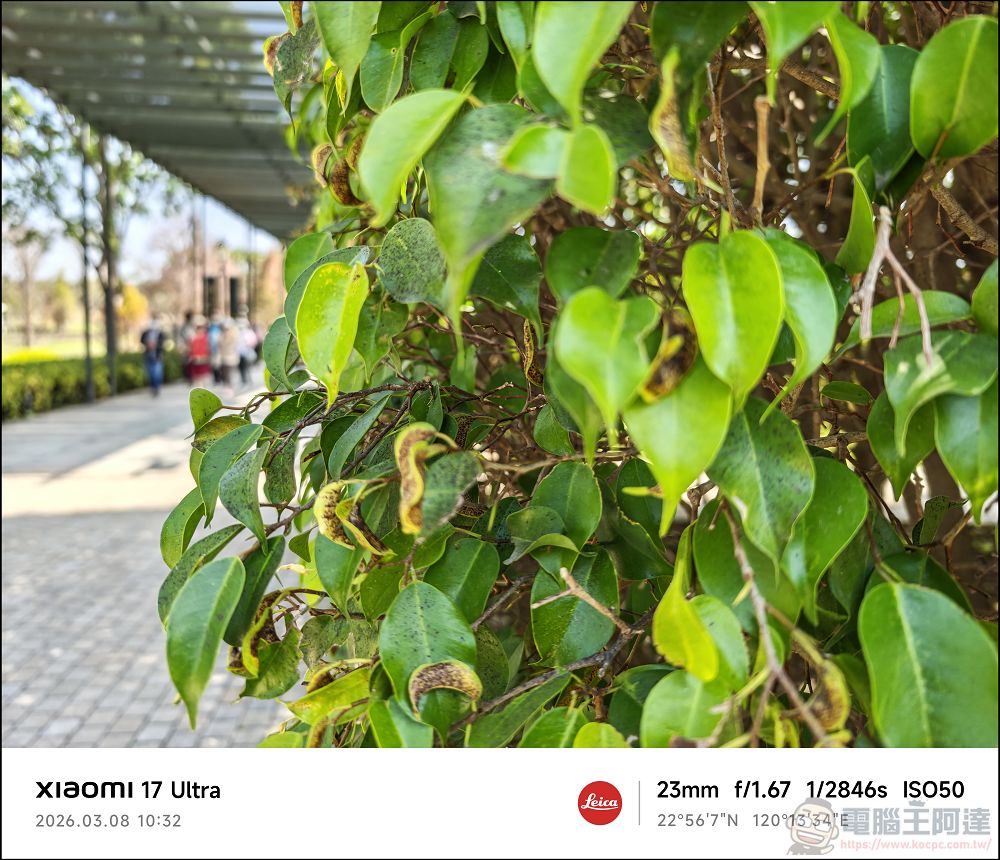
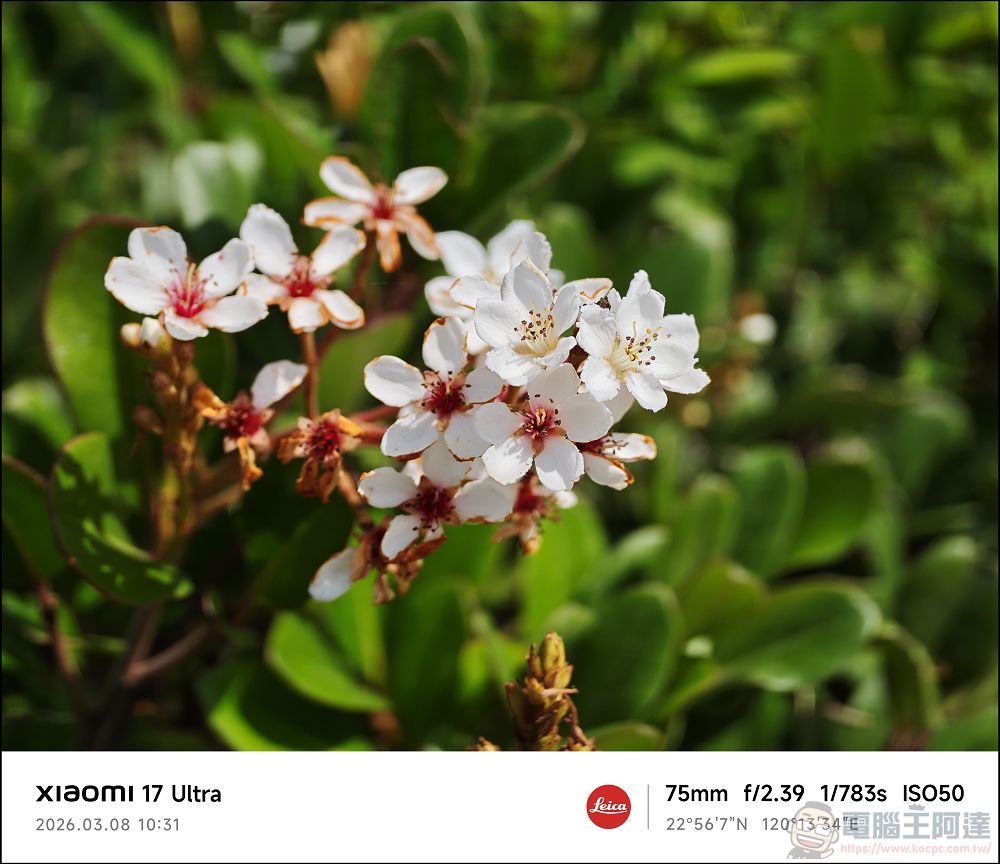
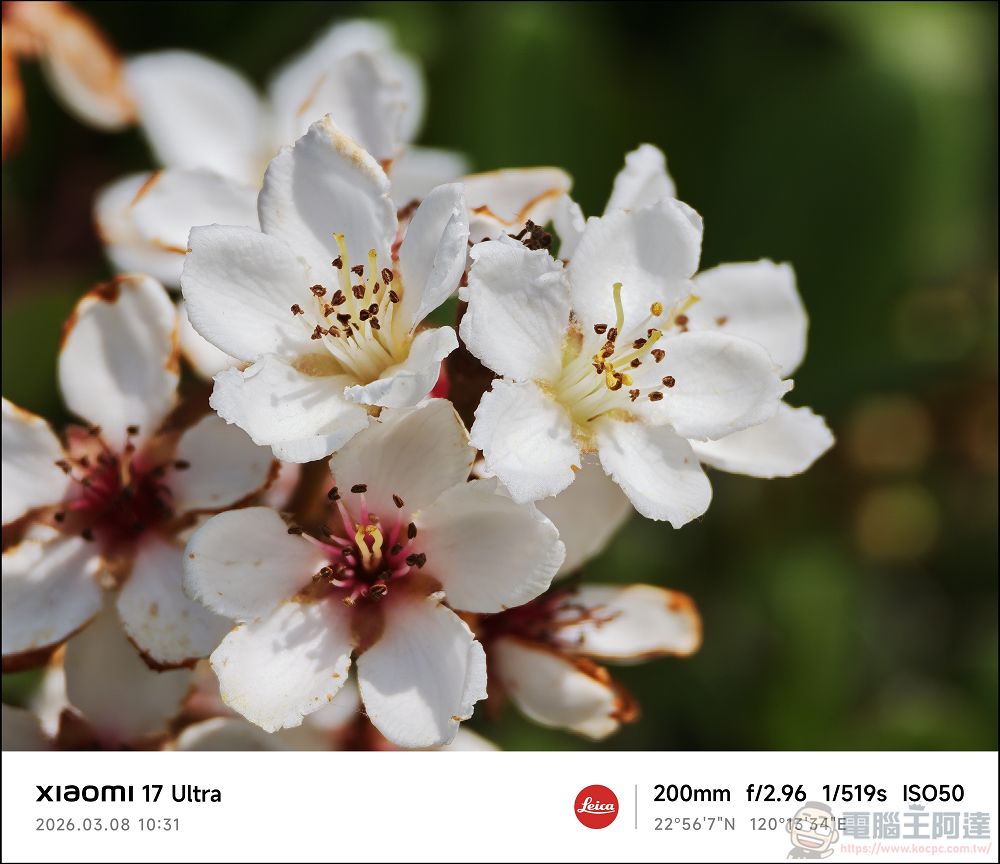
When taking close-up shots of plants, due to the limitations of the sensor and aperture, the focusing distance cannot be too close, and the main lens will easily lose focus (it will switch to ultra-wide angle):
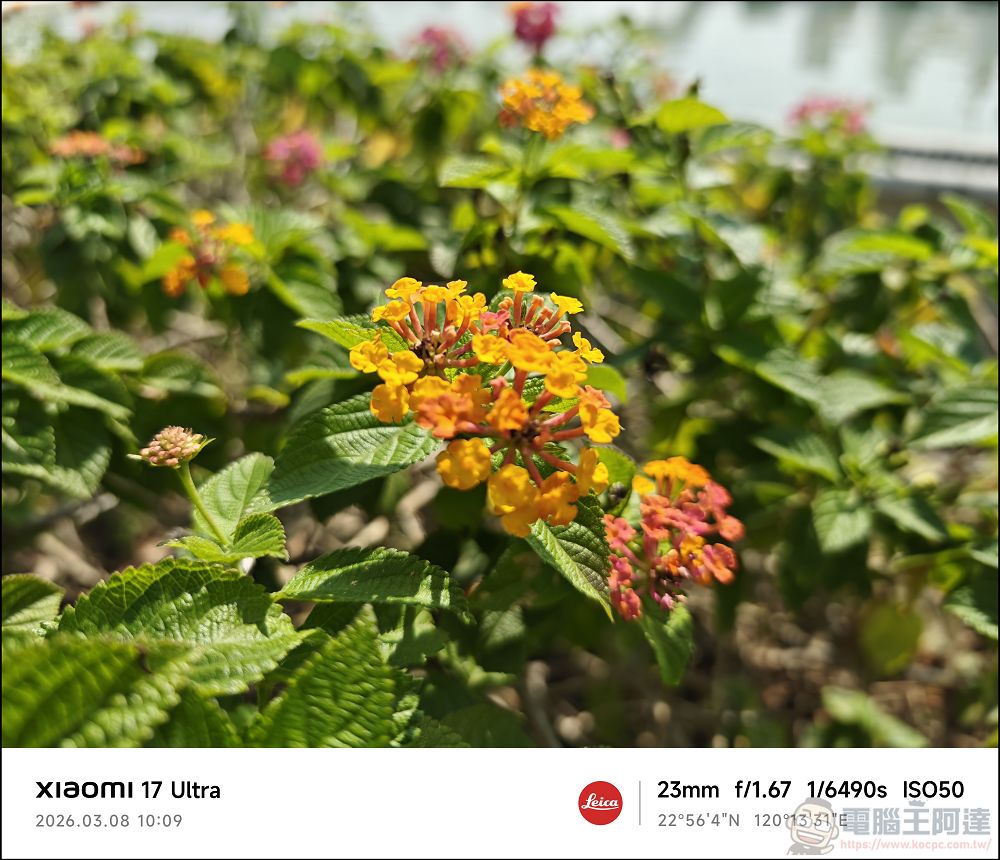
Personally, I suggest zooming in a little further without loss of magnification or shooting directly with a telephoto lens, which will give you better results:
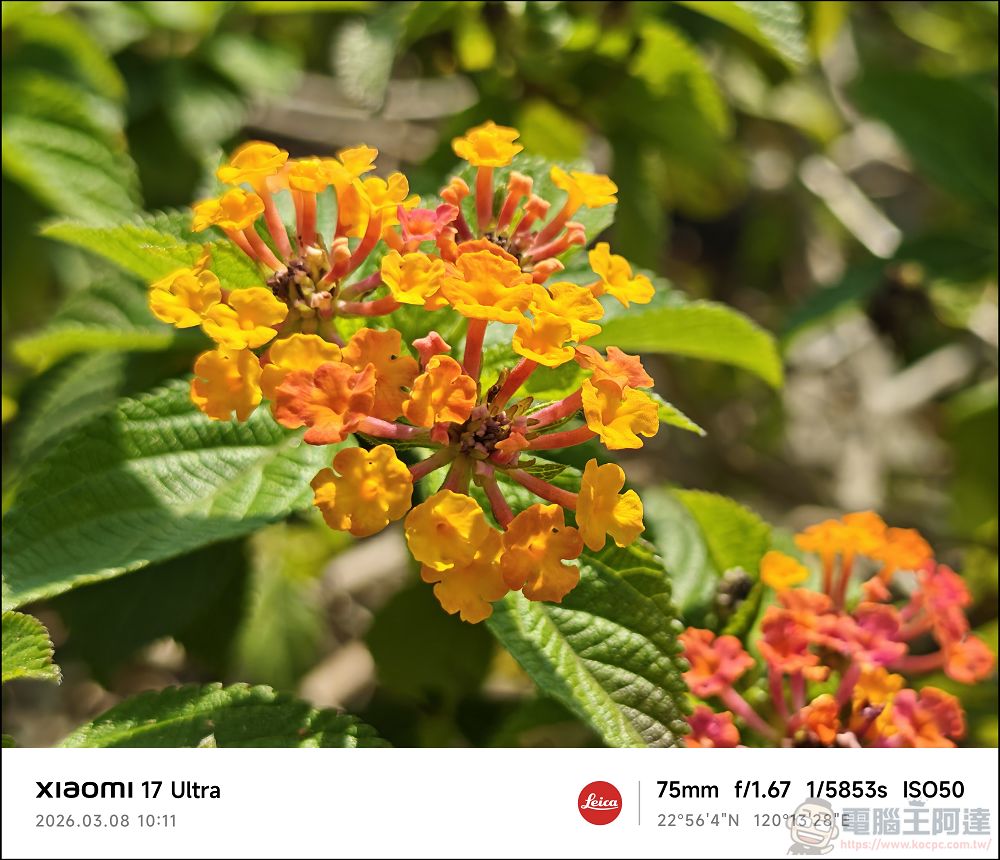
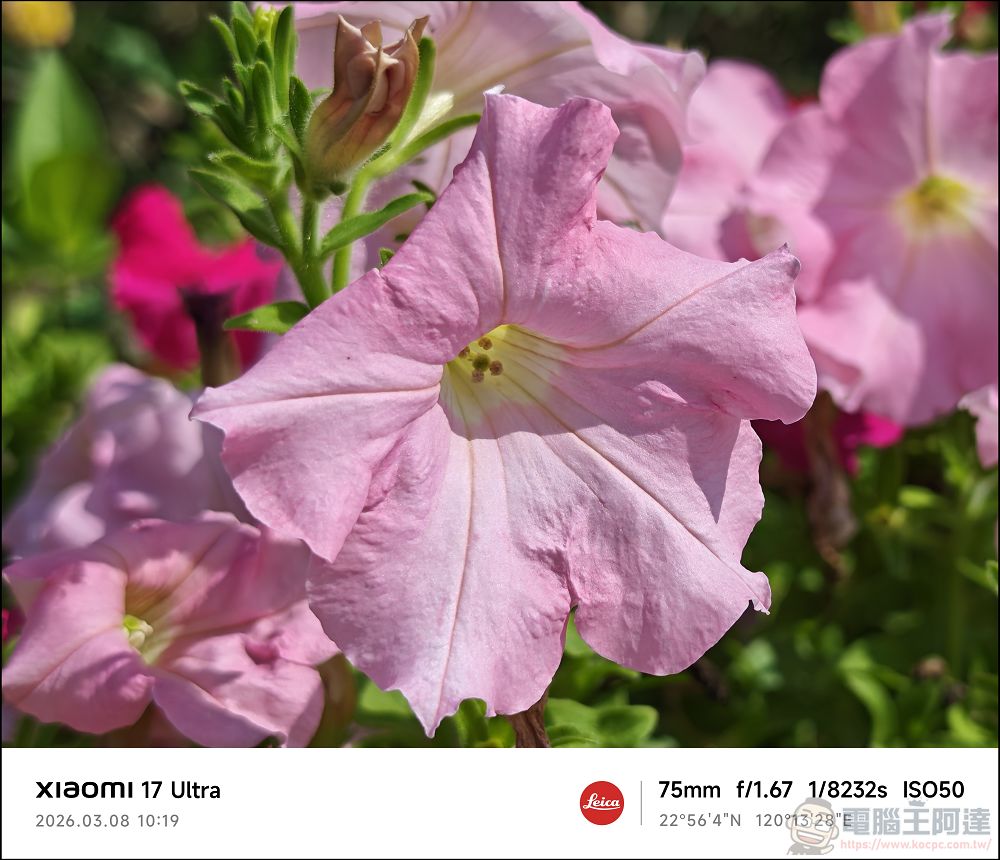
indoor:
Super wide angle:
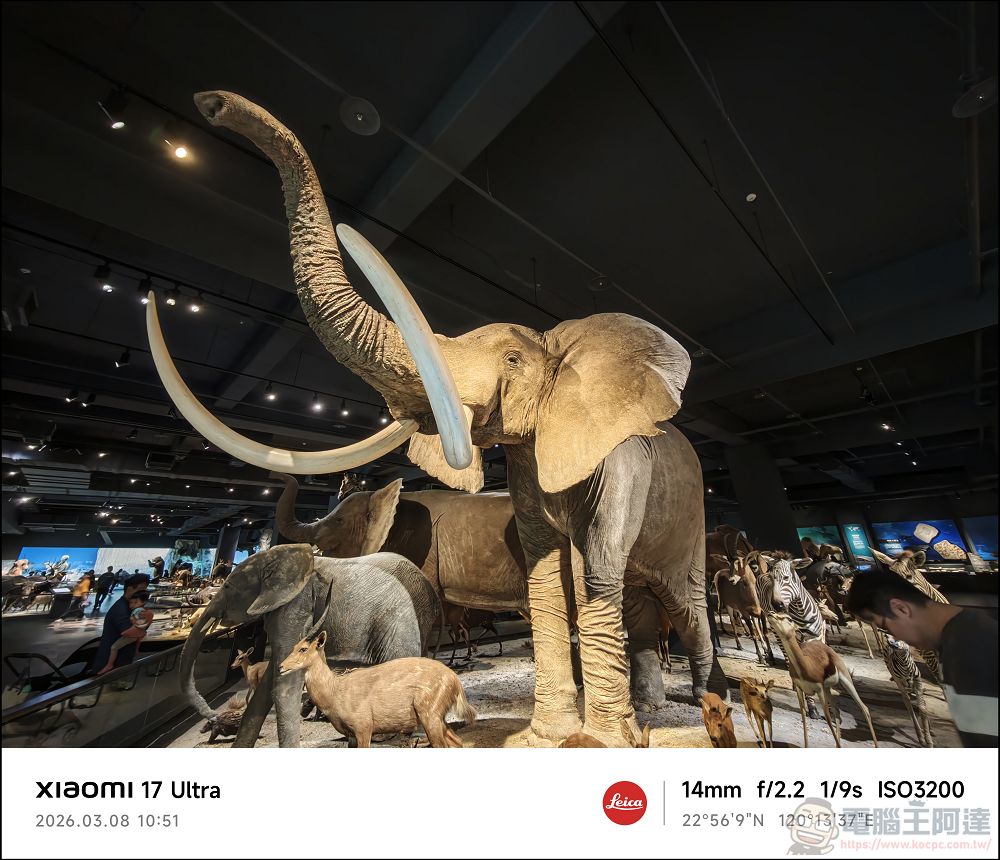
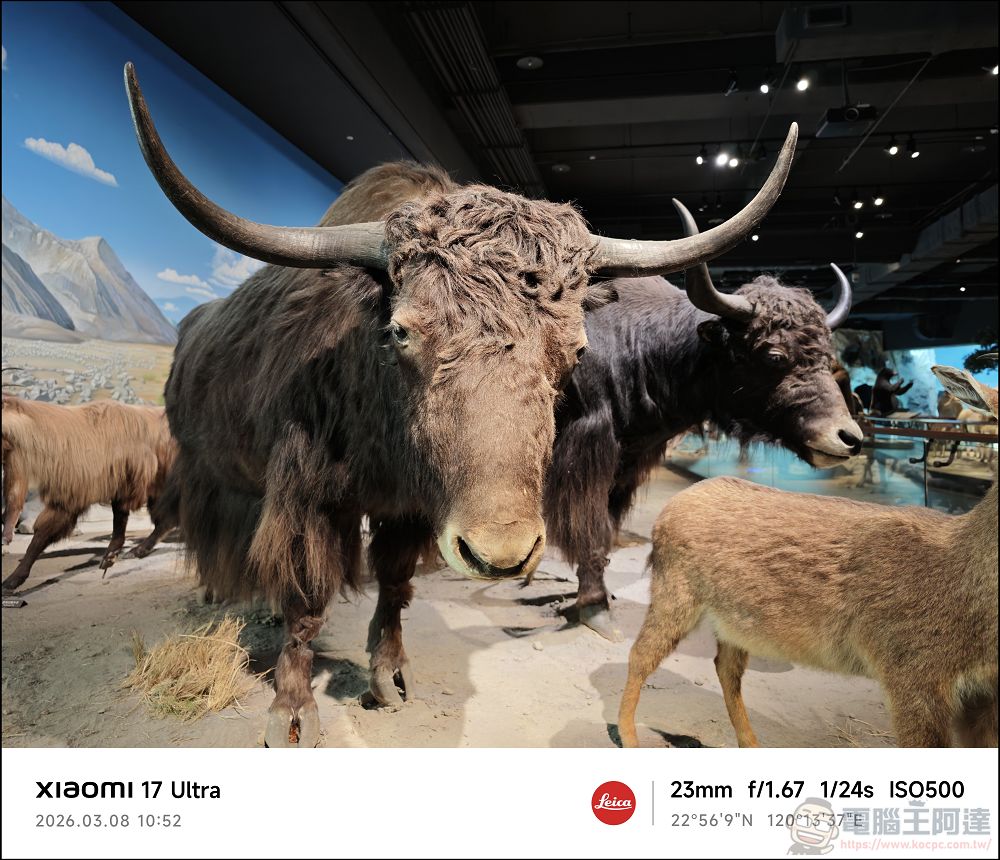
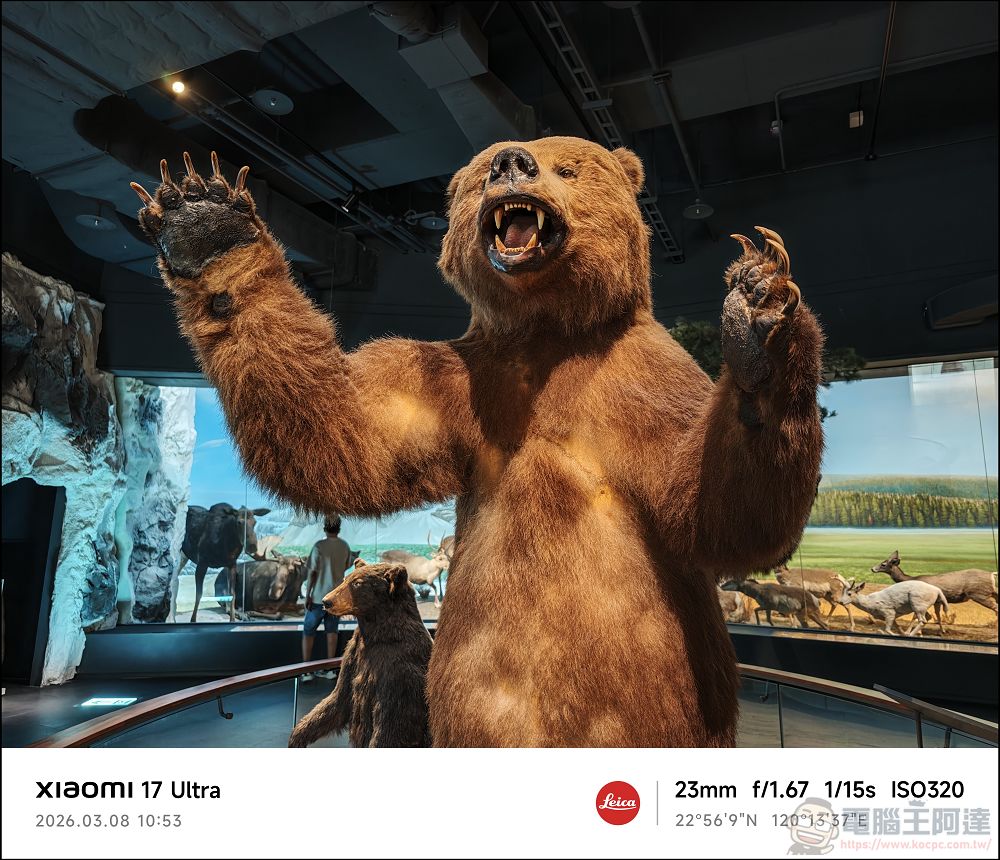
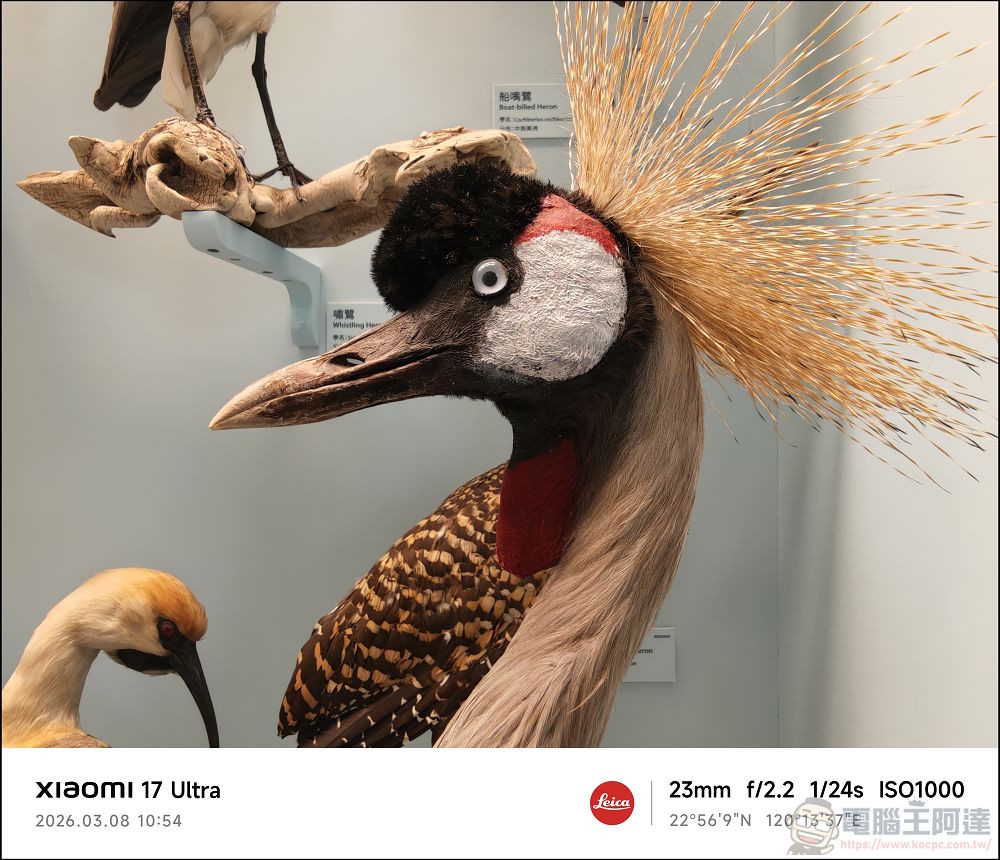
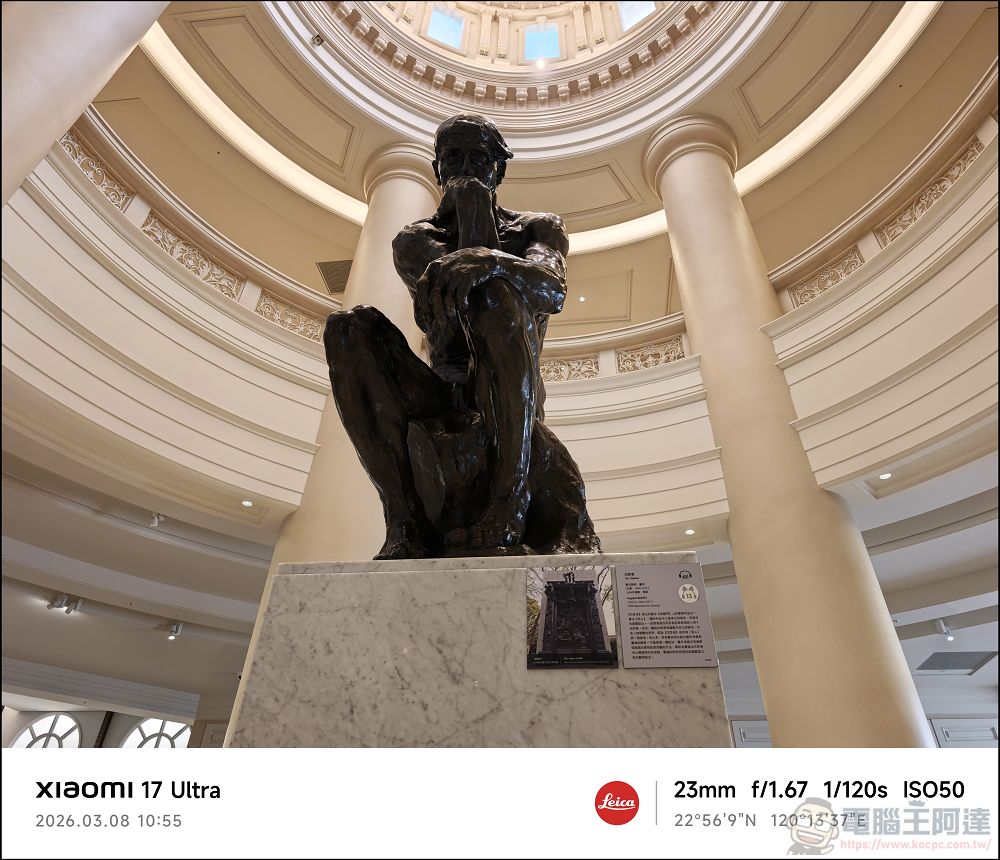
Super wide angle:

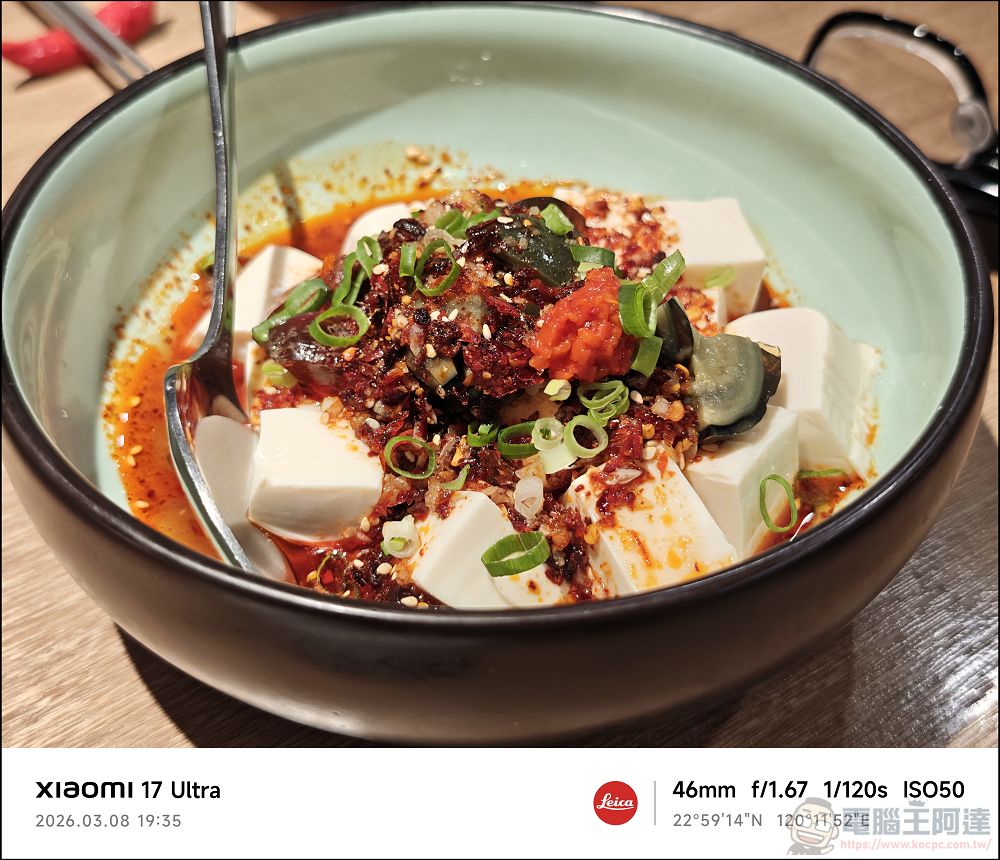
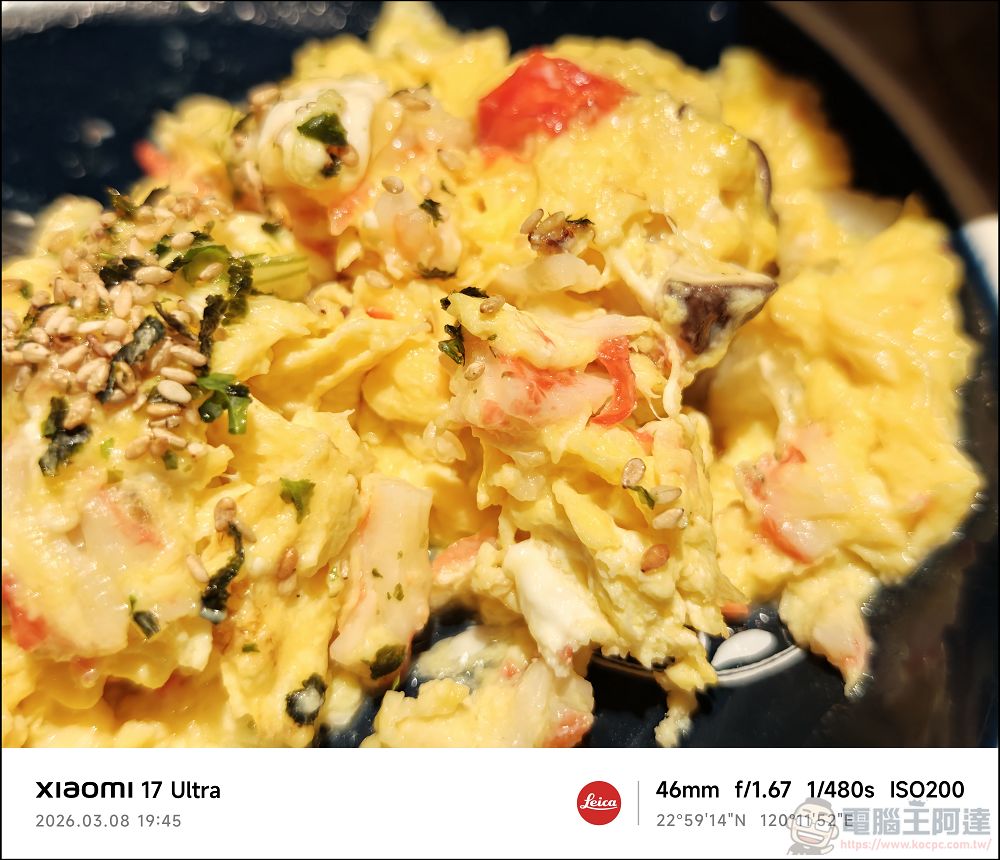
Food is mainly shot at 2X lossless:
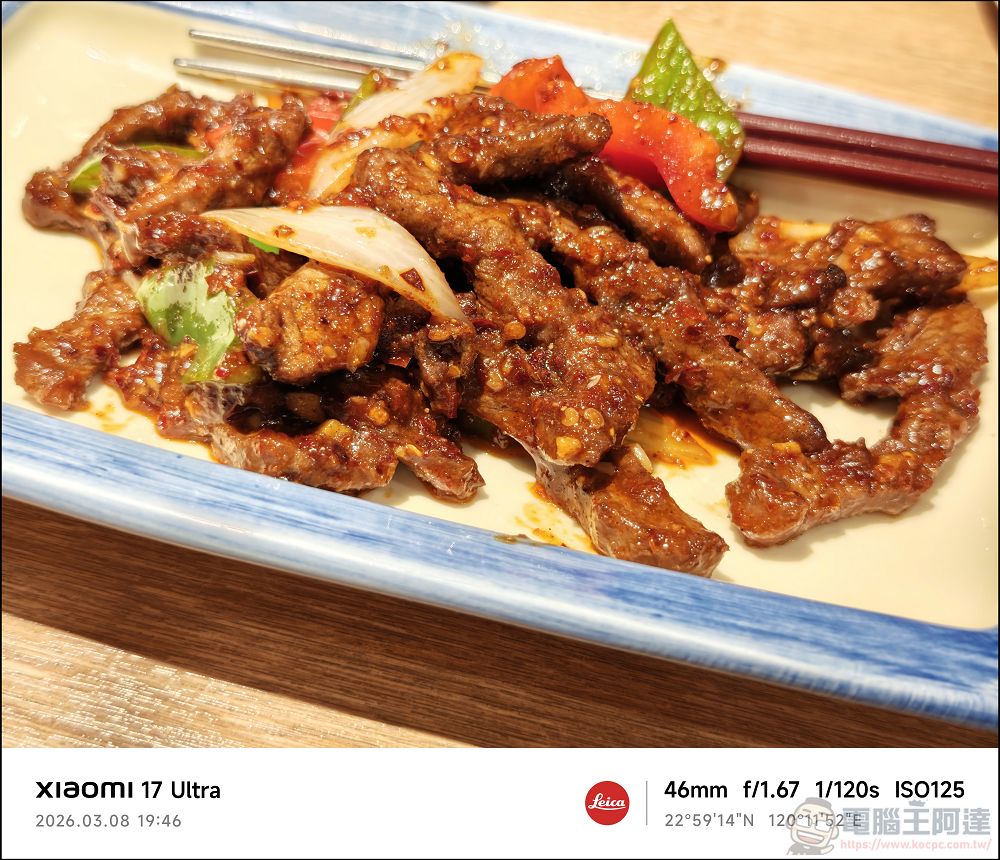

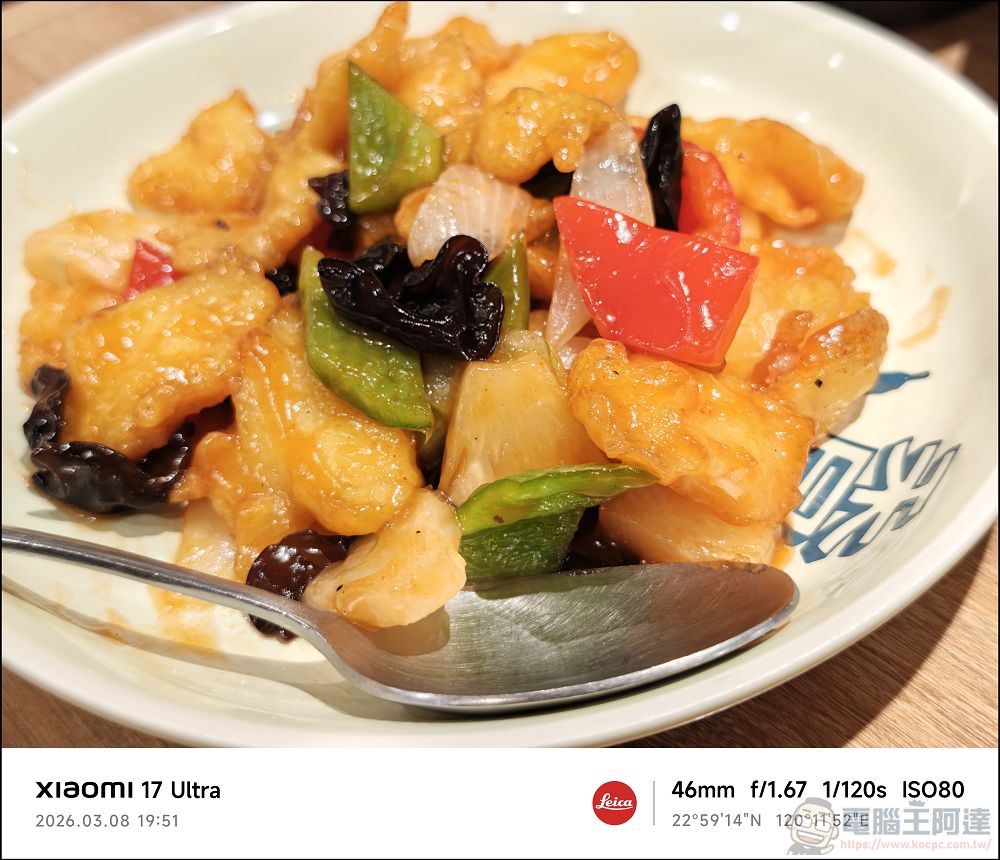
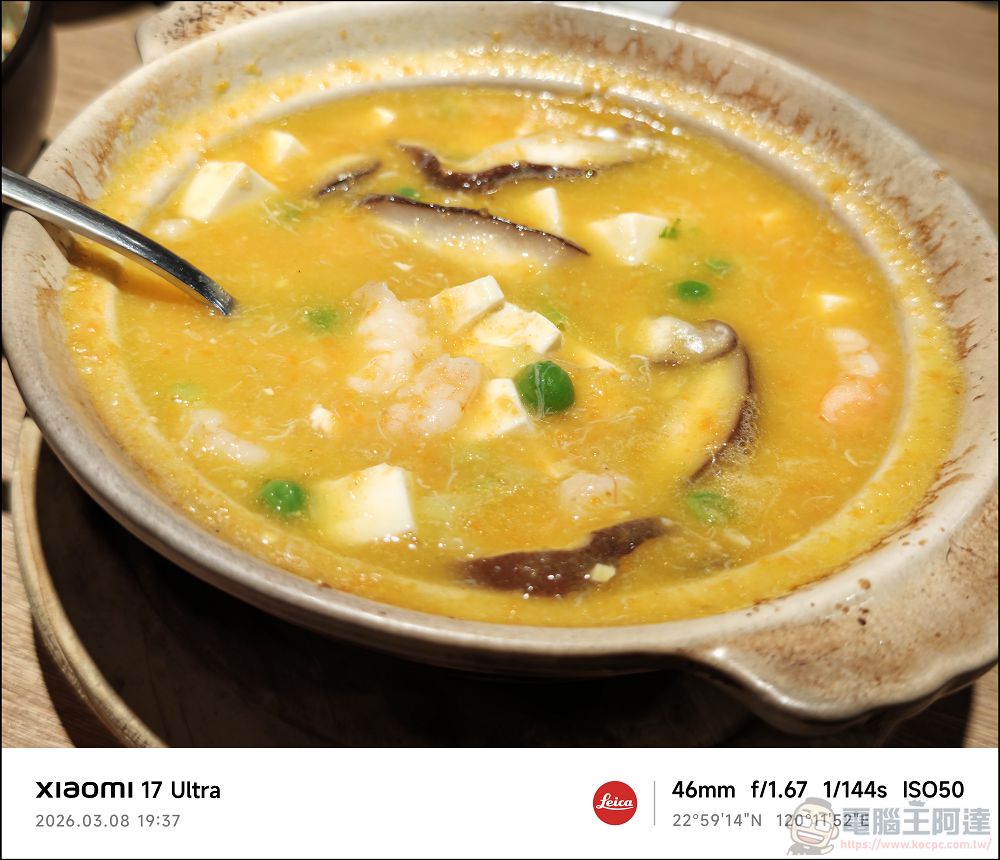
Outdoors at night:
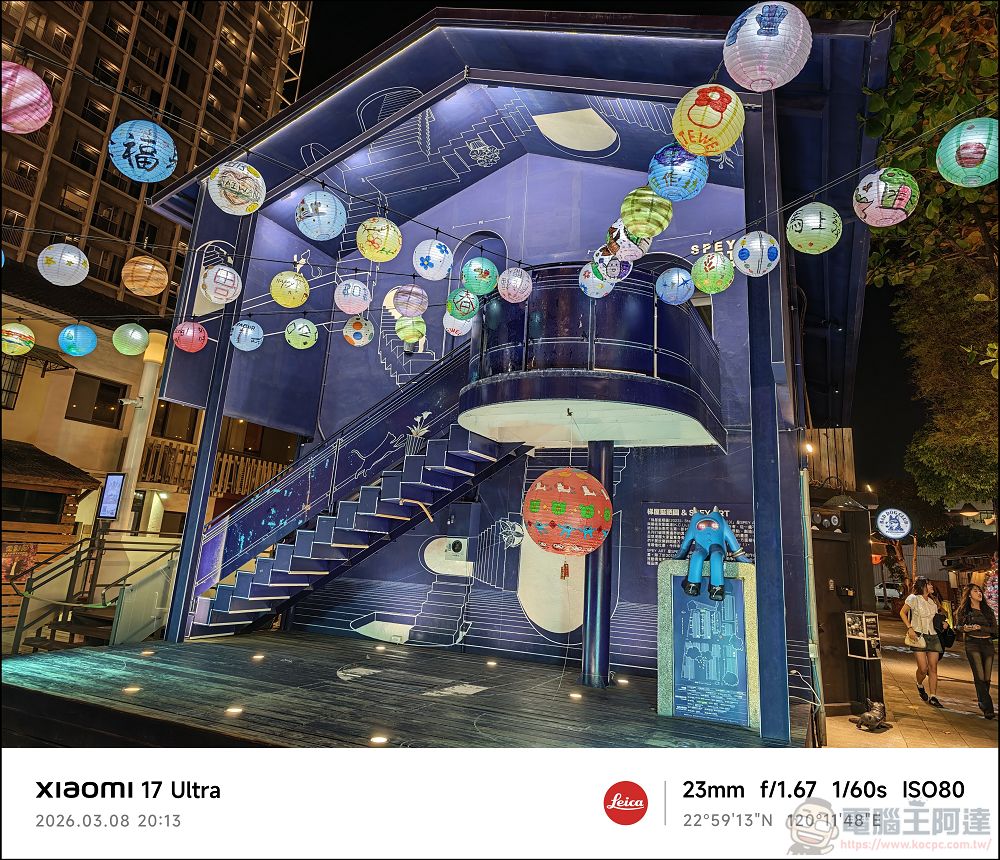
Ultra wide angle at night:
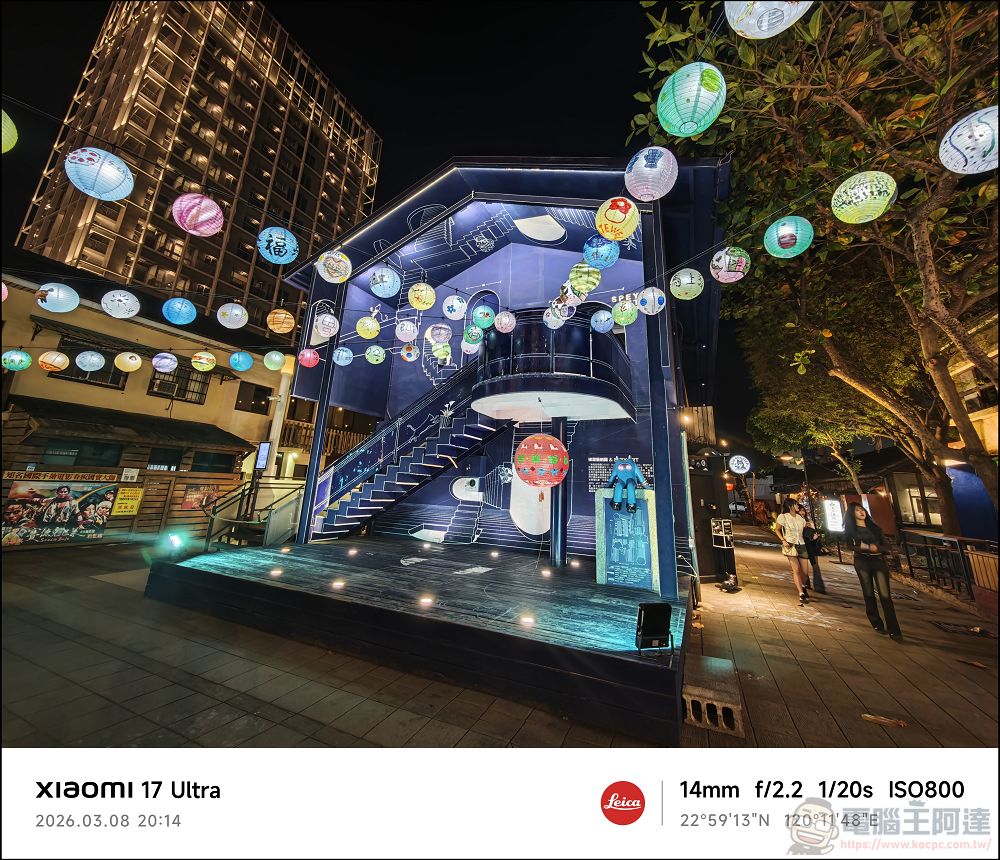
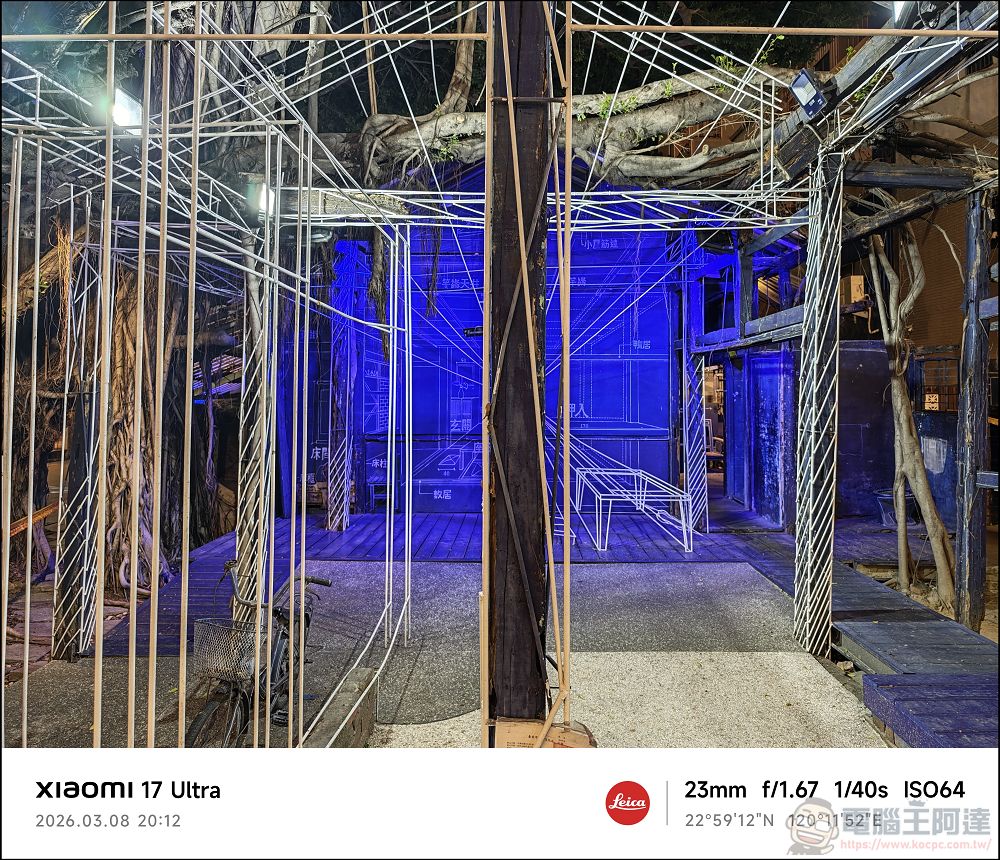
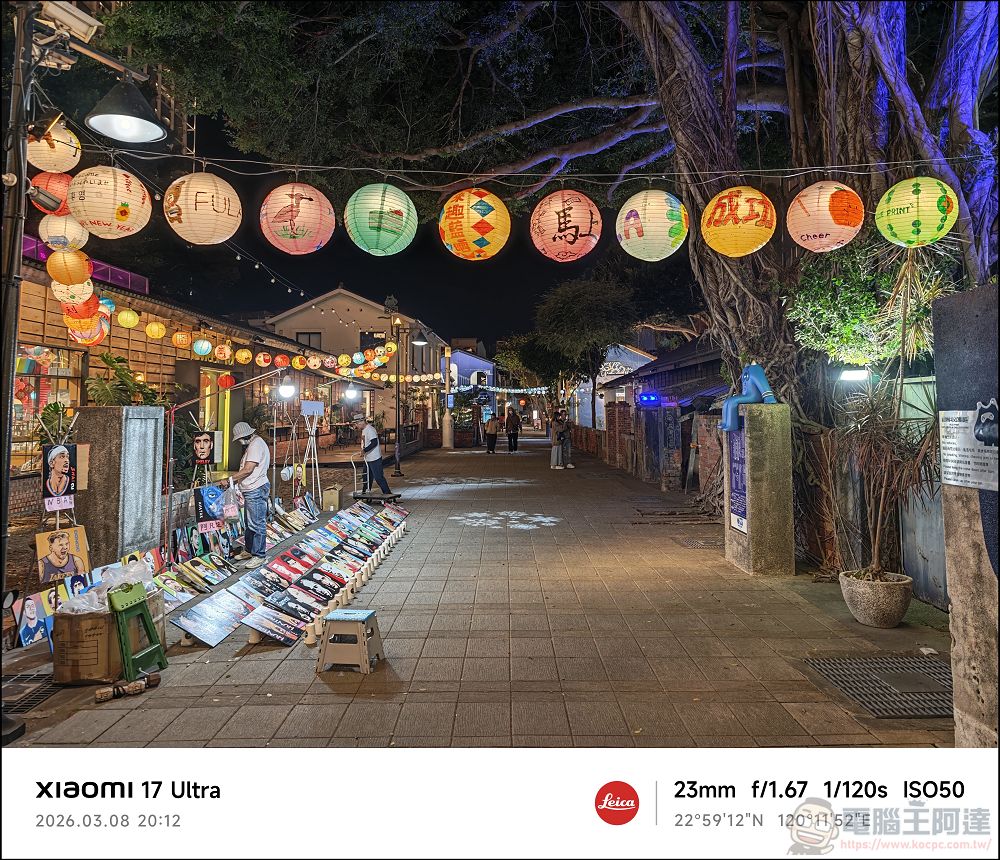
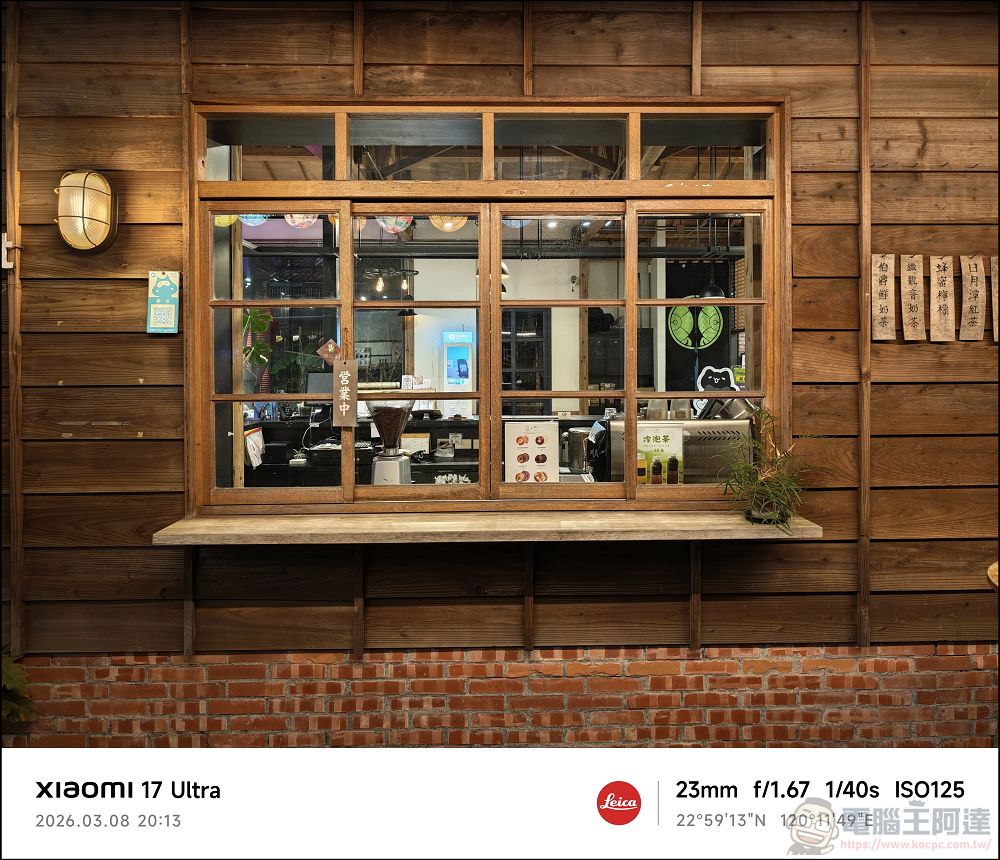
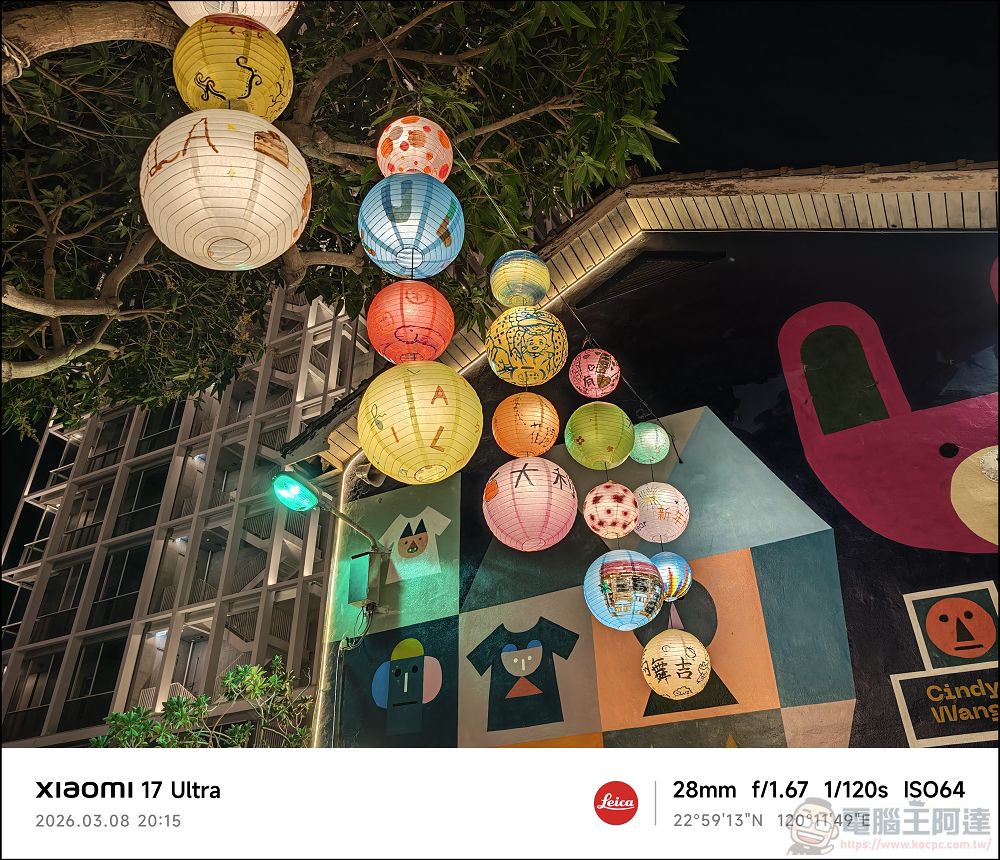
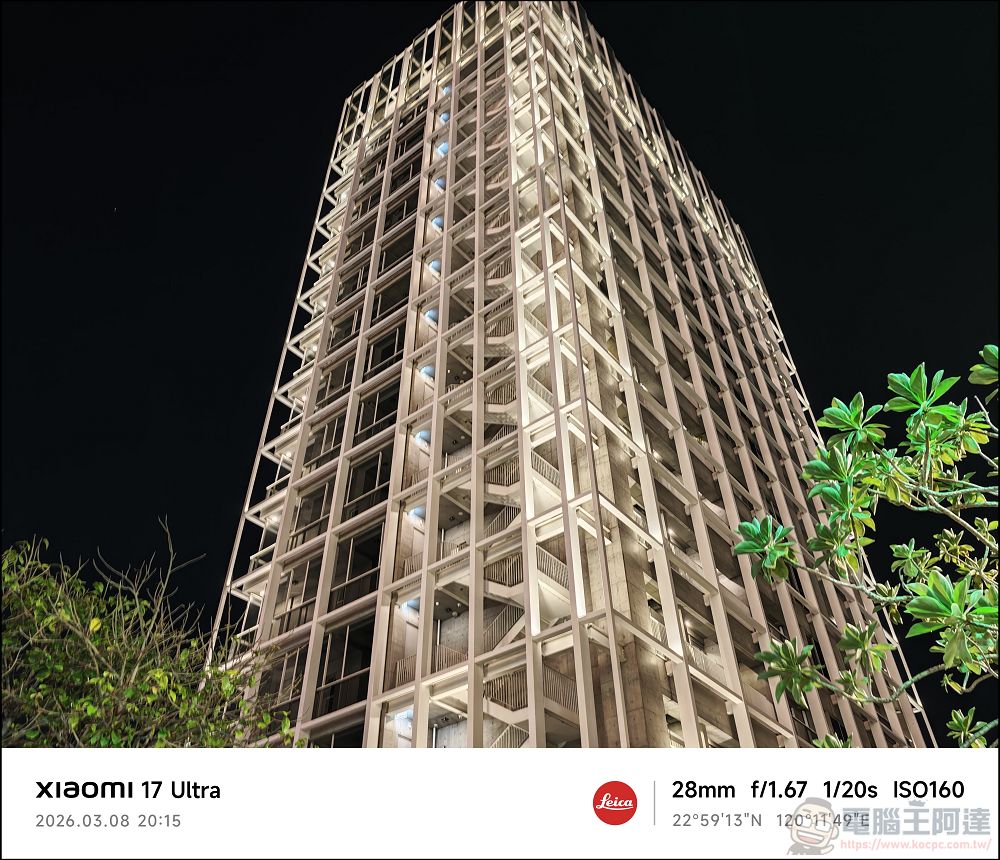
The telephoto performance at night is surprisingly good, noise is well controlled, and the success rate is also very high:
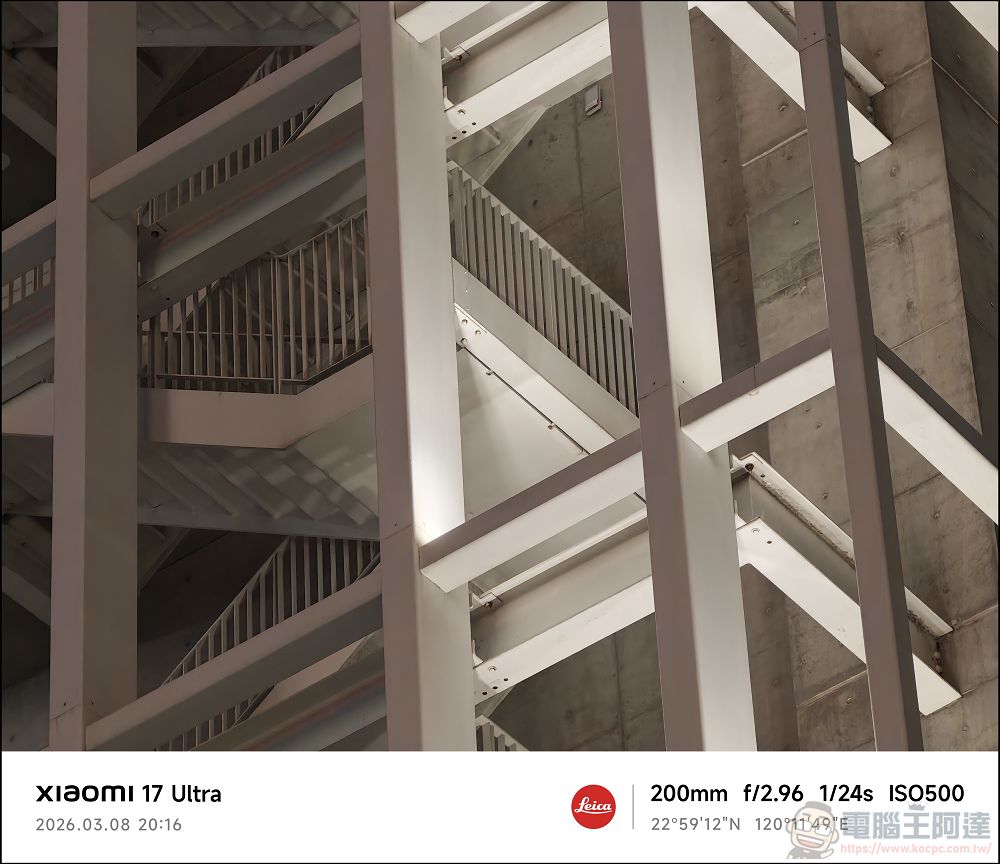
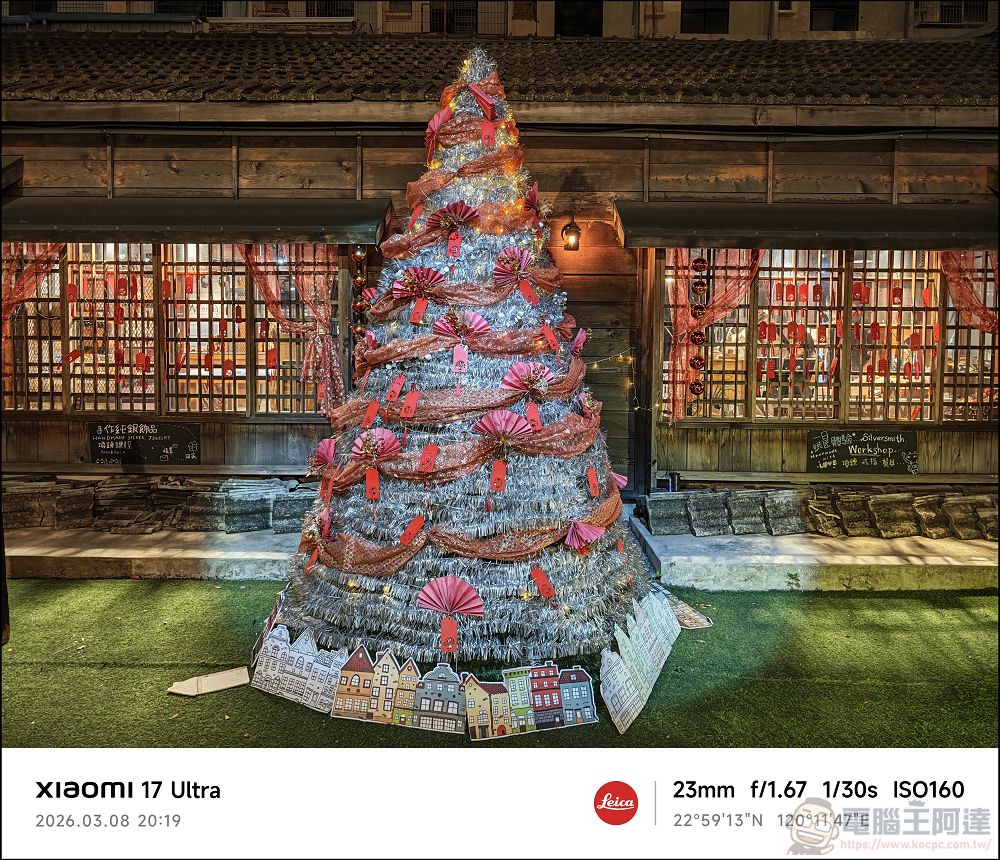
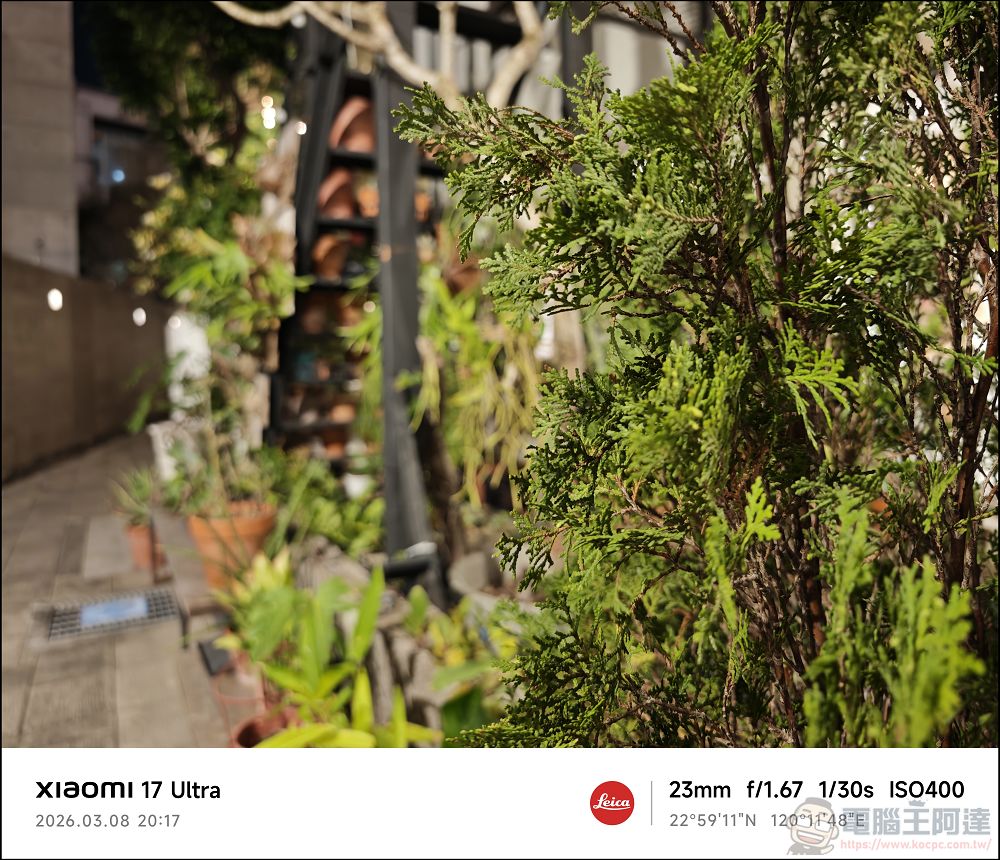
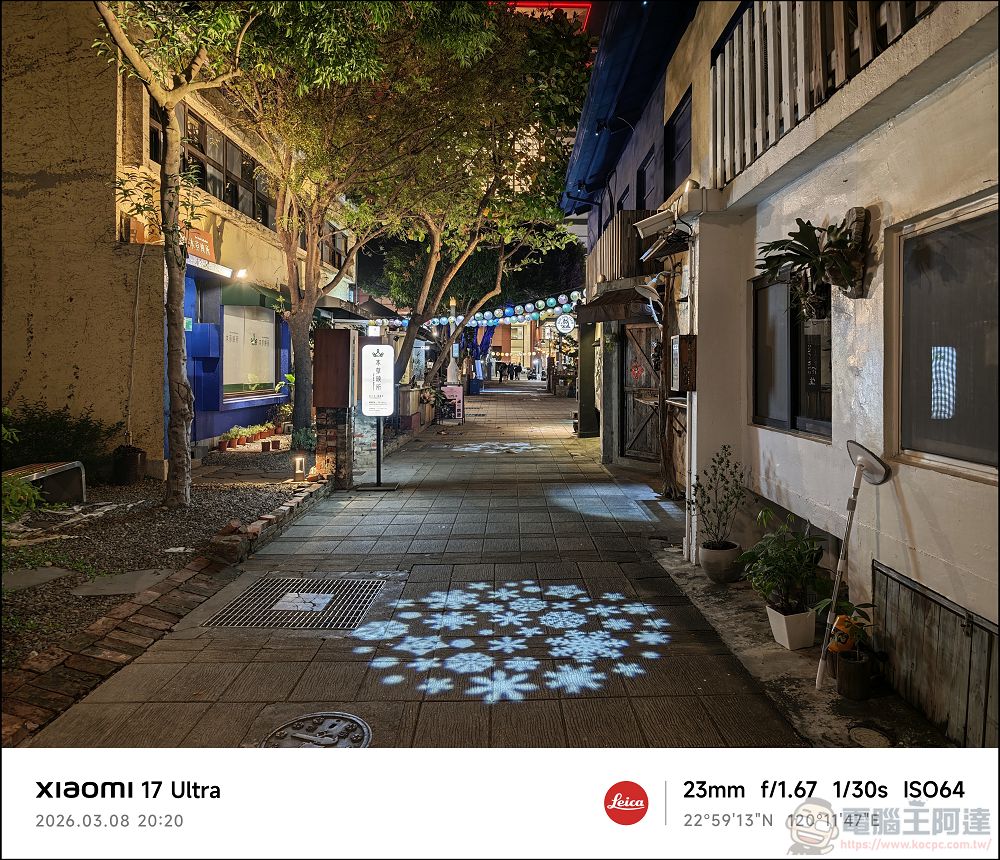
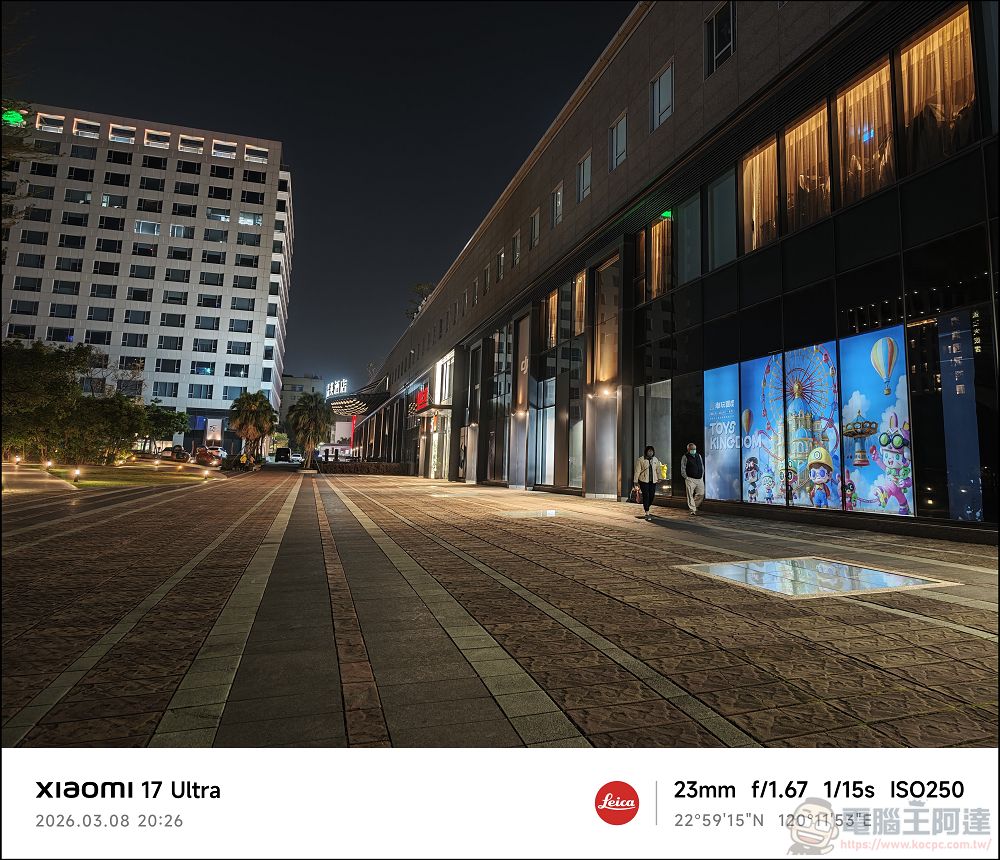
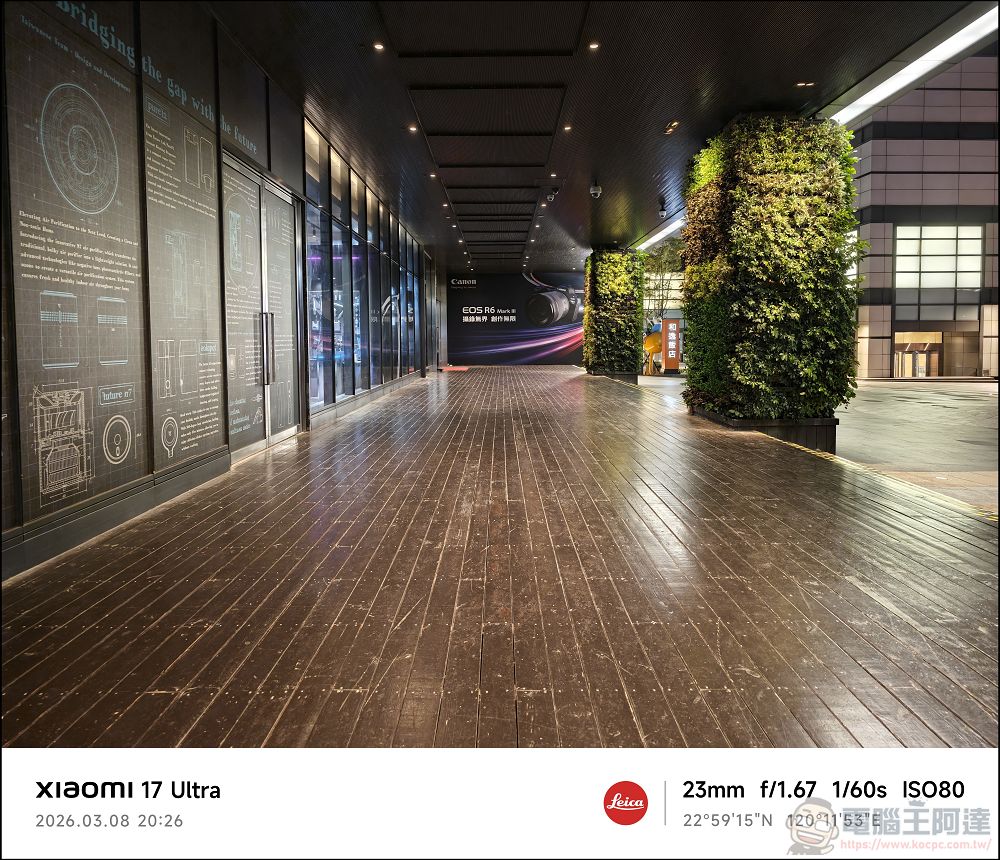
For those who like video recording, this time the main lens supports 8K 30fps recording, and 4K 120fps Dolby Vision With Log video recording and 4-microphone array pickup, it is quite sufficient for daily VLOG shooting. The front lens also has 50 million pixels (OV50M) and supports 4K 60fps recording.
HyperOS 3 and AI applications: smarter and smoother
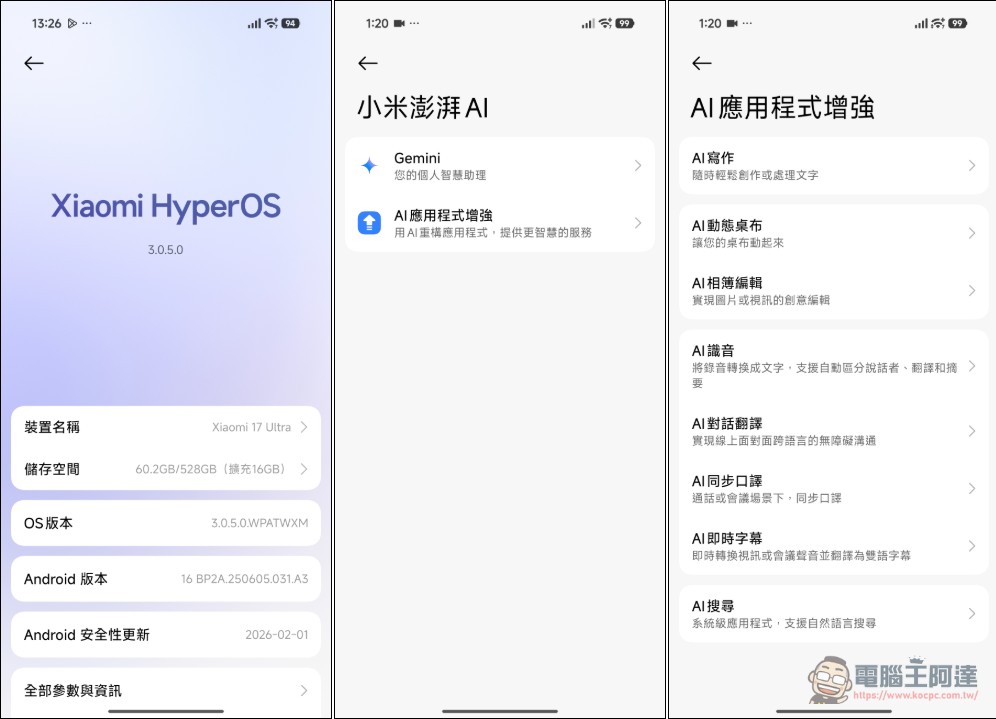
The software system part is equipped with a brand new Xiaomi HyperOS 3. Xiaomi has made great efforts in AI applications this time, including AI writing, AI phonetic recognition (speech to text and summary), AI simultaneous interpretation, and evolved AI image processing functions (such as passerby elimination, reflection elimination, etc.), these functions are now deeply integrated into the system.
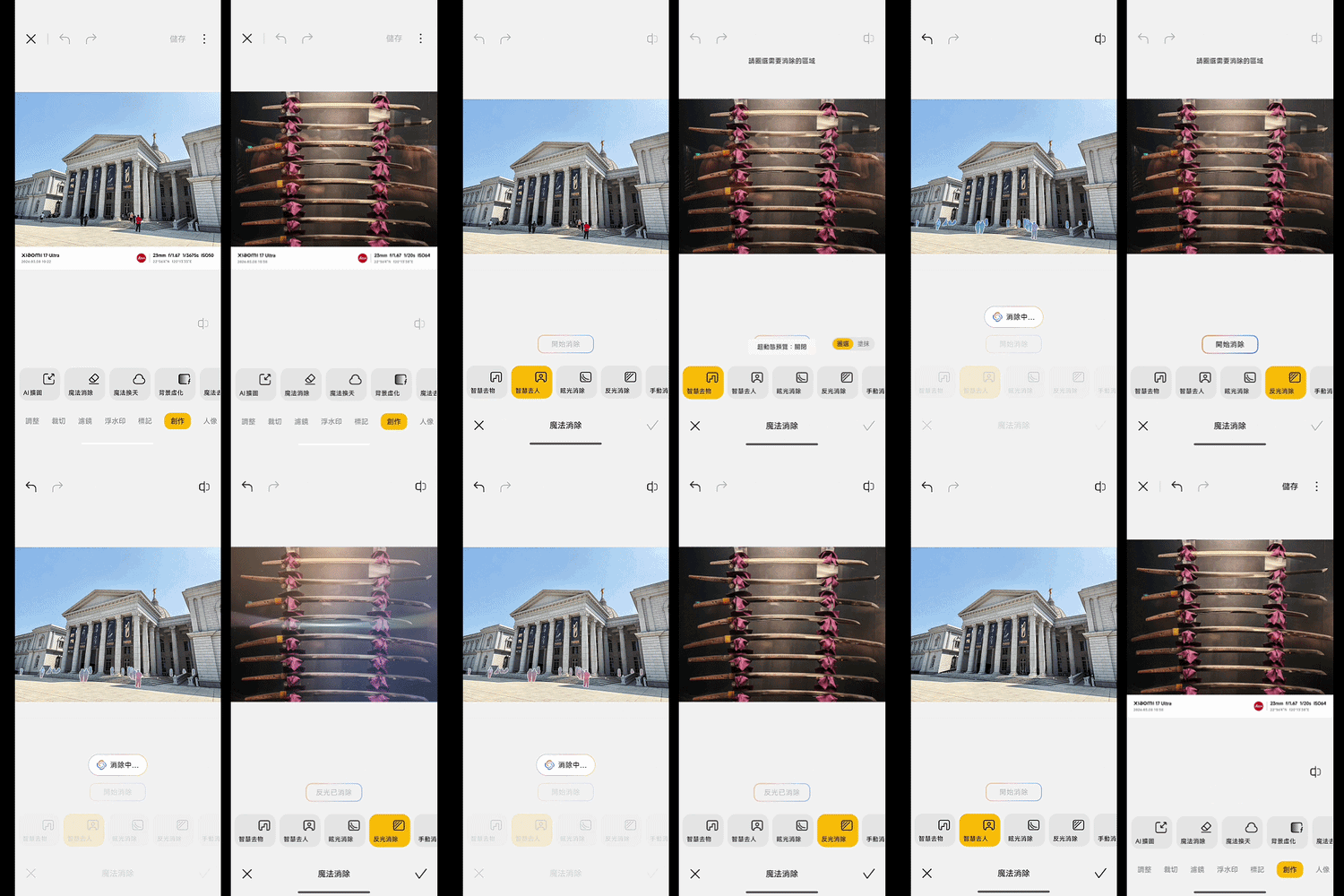
Basically, the most commonly used functions of removing unwanted people, removing glass reflections or changing the sky are all basic operations of Xiaomi AI, which are quite convenient:
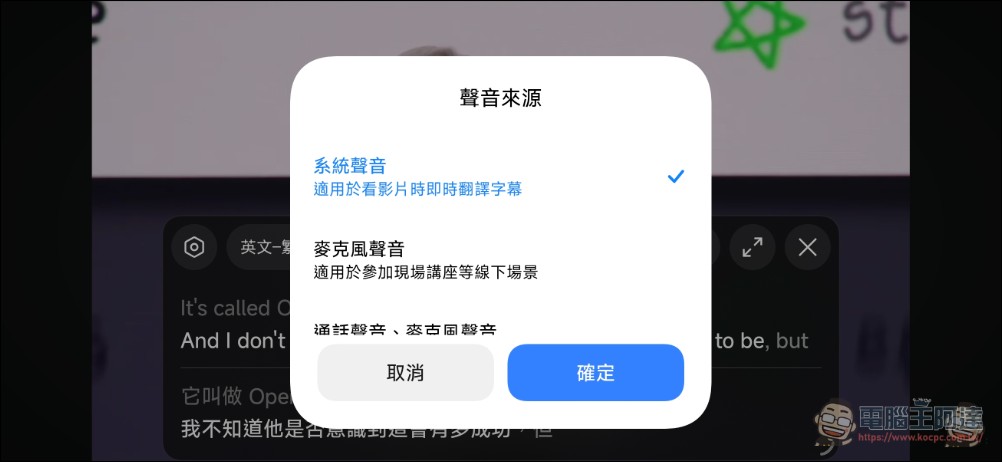
But what I think is most amazing this time is the evolution of the AI translation function. From the original subtitle translation, instant conference and call translation are added. Although it is not as powerful as Google’s latest instant translation, I think it is already in place in terms of application. There is also a function to organize and summarize verbatim recordings, which can save the cost of buying AI recording equipment (of course, dedicated hardware will definitely be more useful):
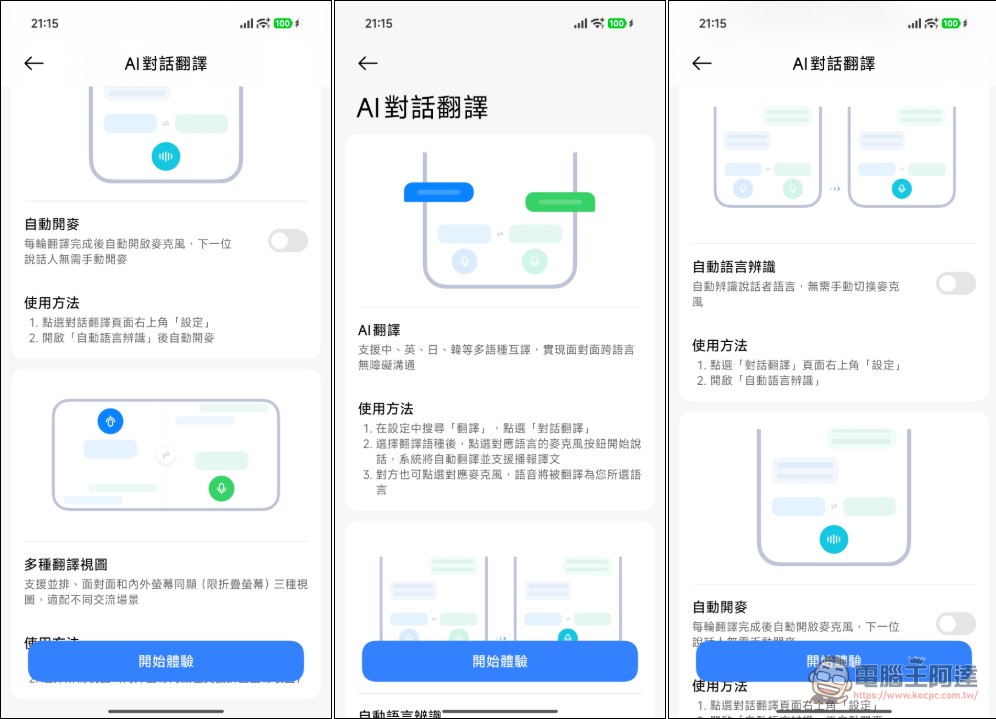
Equipped with the current most powerful Snapdragon 8 Elite Gen 5, the performance is so powerful that it has “excessive performance”
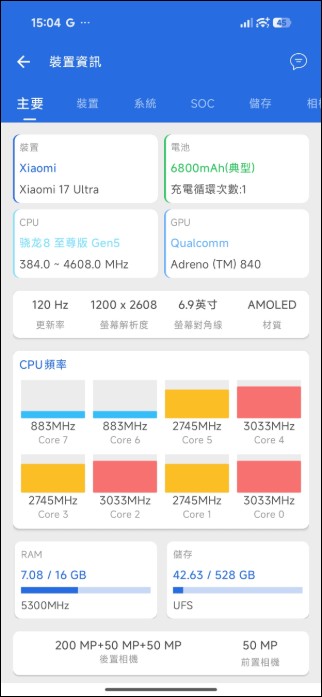
In terms of core specifications, Xiaomi 17 Ultra is equipped with the most powerful Qualcomm Snapdragon 8 Elite Gen5 The flagship processor uses TSMC’s 3nm N3P process technology. This processor has 2 Prime cores with clock speeds up to 4.6GHz, plus 6 high-performance cores at 3.62GHz, paired with the latest Adreno 840 GPU. Whether it is dealing with daily multi-tasking or large-scale AAA mobile games, the performance of this processor is basically “irrespective of martial ethics”. Coupled with 16GB RAM and 512 GB ROM, in the current state of memory and FLASH surge, it can be said that if you don’t buy it now, you may regret it later.
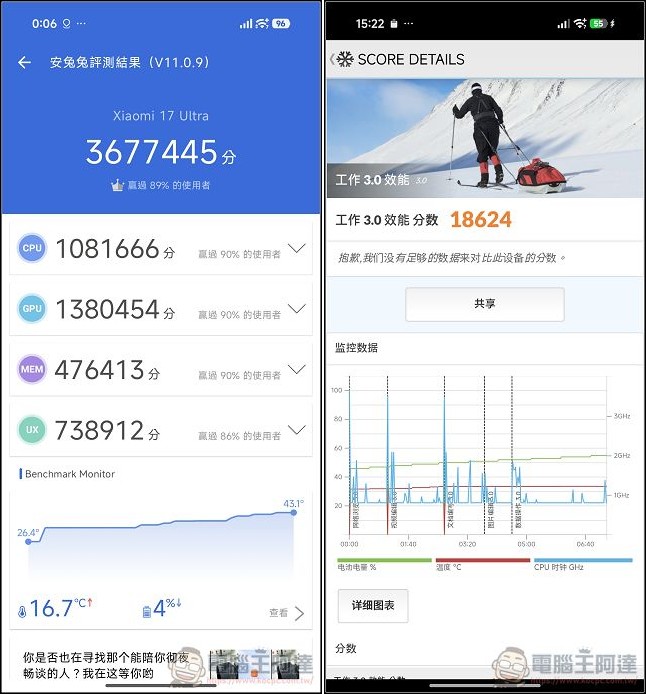
Using AnTuTu to run the test, the score reached 3.677 million points, and PCMARK 2.0 also reached 18624 points. It can be said that if you want, this processor can be inserted into a laptop like the Macbook Neo (I hope some manufacturers will make a dual-open Windows 11 Arm version…):
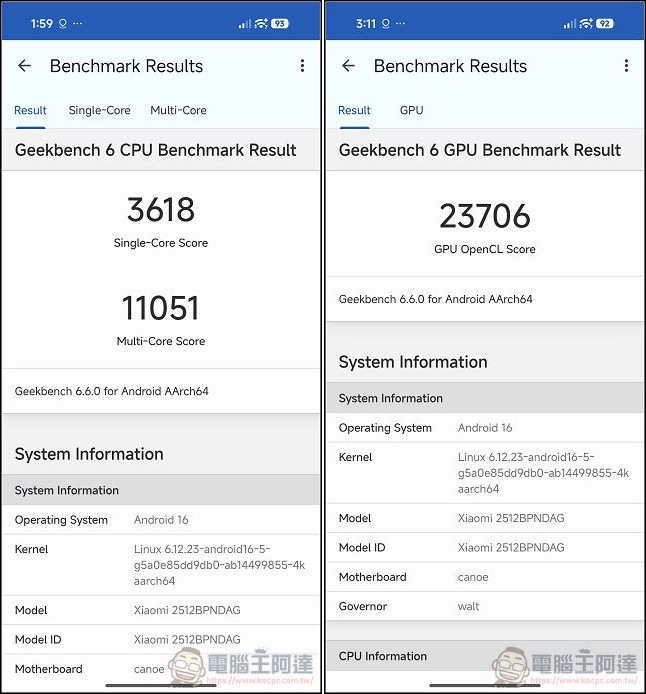
GeekBench 6 single-core score is 3618 points, multi-core score is 11051 points, and the GPU score is 23706 points:
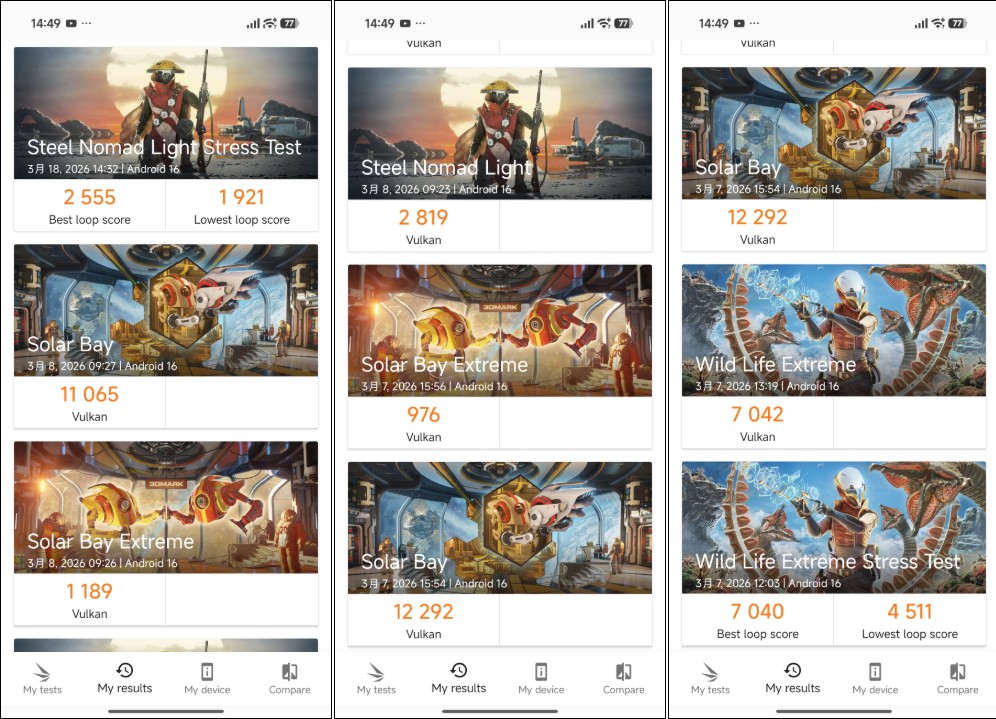
The 3DMARK results are as follows. With this result, any current 3A mobile game can run at full frame with the highest quality without any pressure. The performance of Stress Test is also very stable:
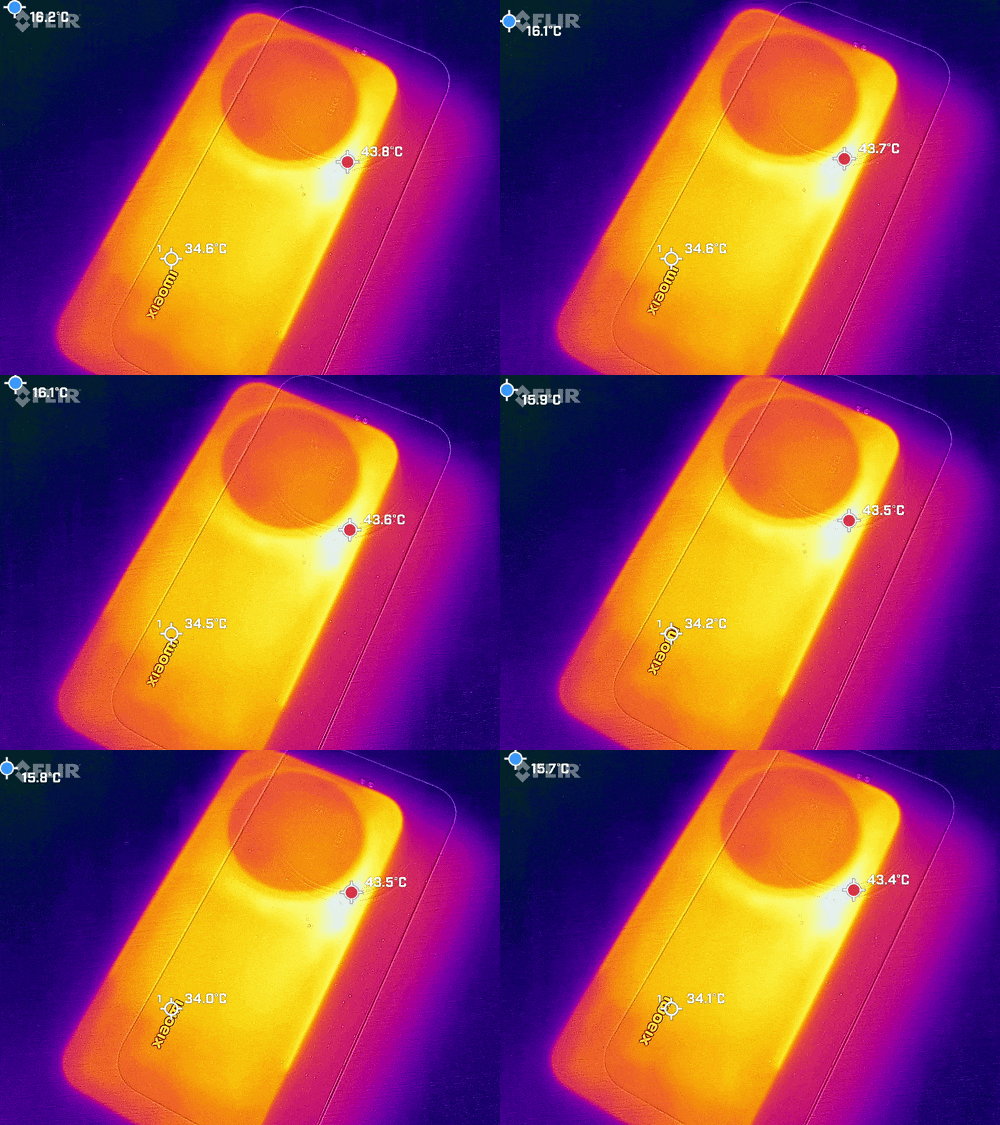
This time, in order to suppress the heat generated by powerful performance, Xiaomi also introduced 3D dual channel cold pump systemAccording to the actual measurement, during 20 rounds of 3D Mark pressure tests, the maximum temperature on the back of the fuselage was about 43.6 degrees in the lower right corner of the lens. The handheld area is still lower than the body temperature. It will be more insensitive after the protective case is installed. The heat dissipation control is good.
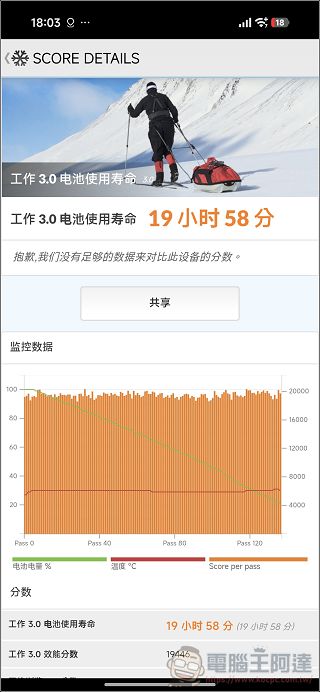
In terms of battery life, Xiaomi 17 Ultra has built-in 6000mAh Ultra-large-capacity battery supports 90W wired fast charging and 50W wireless fast charging. The actual test used PCMARK 2.0 to simulate continuous surfing the Internet, editing files, playing multimedia and other functional stress tests, and it lasted from 100% to 20% for nearly 20 hours! It is the flagship phone with the longest battery life tested by ADA so far. It can easily last a whole day outside, and it can completely get rid of battery anxiety.
Conclusion: An all-round imaging flagship that breaks through the limits, a monster of performance without compromise.
In summary, Xiaomi 17 Ultra does live up to its name as an “Ultra” flagship, perfectly interpreting Xiaomi’s ultimate pursuit of imaging technology and top-notch hardware. With the blessing of in-depth cooperation with Leica, the VARIO-APO-SUMMILUX lens system it is equipped with shows a profound photography background. In particular, the biggest highlight this time: the 75mm-100mm continuous optical zoom lens using a 200-megapixel sensor, not only achieves a smooth zoom experience, but also delivers amazing results in telephoto image quality and night noise control; paired with a 50-megapixel 1-inch outsole main lens, it can provide extremely high film yield and image quality, whether it is daily recording, professional portraits or night photography.
In terms of hardware performance, Xiaomi 17 Ultra also shows overwhelming strength. Equipped with the current most powerful Snapdragon 8 Elite Gen 5 processor, supplemented by 16GB RAM and 512GB ROM, it has achieved an astonishing score of 3.677 million points on AnTuTu, and can handle all kinds of AAA mobile games with ease. The 3D dual-channel cold pump system also exerts excellent heat dissipation effect, allowing powerful performance to be stably output. What’s even more commendable is that even with a large 6.9-inch Xiaomi HyperRGB OLED screen with a peak brightness of 3500 nits, and a large 6000mAh battery, it still achieved an astonishing battery life of nearly 20 hours in the PCMARK test, completely ending the battery anxiety common in flagship machines.
Finally, in terms of daily experience and software applications, the new Xiaomi HyperOS 3 deeply integrates AI into the system. Whether it is the greatly improved real-time conferencing and call translation, or the practical verbatim summary of recordings and AI image elimination, they all bring substantial convenience to users. Coupled with complete 5G dual-SIM dual standby/eSIM support, IP68 protection, and “no network communication” function when there is no signal, the detailed configuration is quite thoughtful.
Xiaomi 17 Ultra is not only a display of Xiaomi’s technological muscle to the outside world, but also a mature flagship that comprehensively conquers the top in photography, performance, battery life and smart applications. For users who pursue the ultimate mobile imaging experience without compromising on performance and battery life, this starry sky green masterpiece with both interior and exterior design is undoubtedly one of the most dominant top choices at the moment.
Source: KOCPC Chinese