


A few days ago, a netizenThreads The news broke that while eating noodles at a snack bar in Zhonghe District, New Taipei City, while swiping his mobile phone, he discovered that the seat was very close to the door, but there was no signal on the mobile phone. Later, he discovered that the store was suspected of installing a signal jammer. It was suspected that the store might have installed a “signal jammer” privately to increase the table turnover rate or to make employees work hard. After the report, the store owner apologized and removed the “signal jammer”, and the NCC warned that anyone who uses or changes the radio frequency without approval may be fined up to NT$200,000. In addition, in the past, some restaurants were punished for secretly installing [signal boosters] to improve in-store signal reception?
What are “signal jammers” and “signal boosters”? What are the penalties for installing “signal jammers” or “signal boosters” without permission? How to apply for installation legally? Here is an explanation:
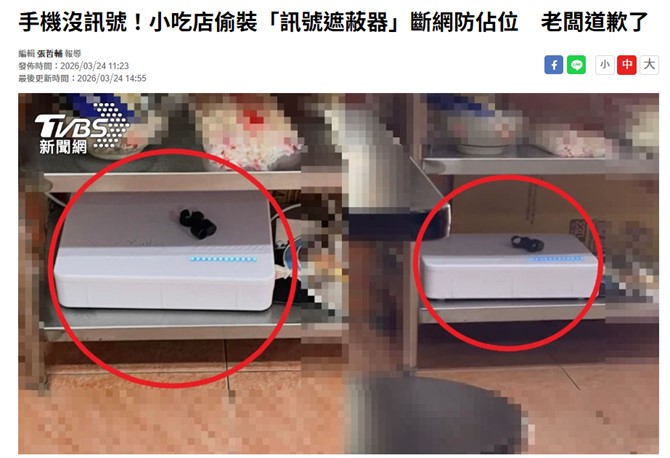
Image source: TVBS
Modern people keep their mobile phones close to their bodies, and watching videos while eating is a daily routine for many people. Store owners are often troubled by the problem of staying on the phone for too long in the store, affecting the turnover rate of tables, or poor reception in the store affecting customers. In response to the problem of mobile phone signals in the store, they sell products online or in radio wave equipment specialty stores.“Signal Blocker” and “Signal Booster” are born from breeding. However, these equipment are all “telecommunications controlled radio frequency equipment”, and it will be illegal for stores to install them without permission. The following is the store installationA summary video and detailed explanation of the legal issues arising from “signal blockers” and “signal boosters” and how to deal with them correctly:
1.What are “signal blockers” and “signal boosters”?
A. “Signal Masker”:
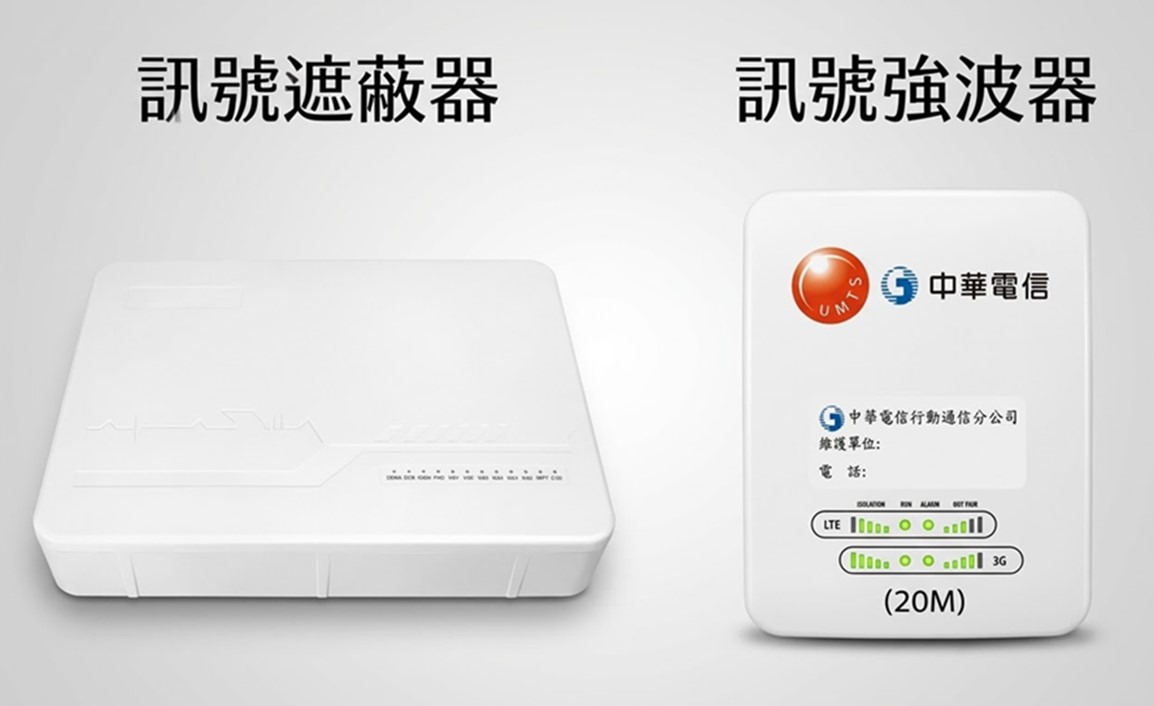
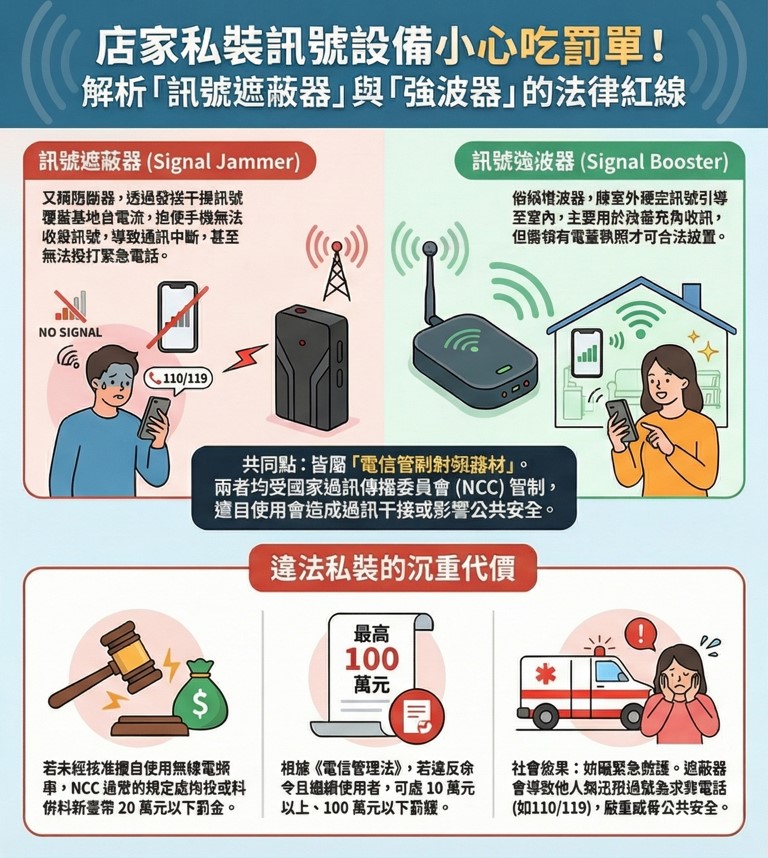
“Signal Jammer”Also known as [mobile phone blocker, mobile phone jammer], it is an electronic device that specifically sends interference signals at the same frequency as mobile phone 3G/4G/5G, Wi-Fi or GPS, etc., covering the base station signal, forcing the device to be unable to send or receive signals, resulting in the inability to communicate and access the Internet.
B. “Signal Booster”:
“Signal Booster”Also known as [amplifier], it is a home reception improvement device (Femtocell) that receives stable outdoor mobile phone signals. After the signal is processed by the amplifier host, it is guided to indoor areas where there is no signal.
The signal booster does not make the mobile signal larger or stronger. It only receives the outdoor mobile radio waves and transmits the signals indoors. It can also reversely transmit the mobile phone signals received indoors to the outdoor base station. Because the frequency allocated to mobile communication operators by the NCC is used by legal telecom operators to improve the radio frequency coverage of mobile communication, a radio license is required to set up and use it.
2. The maximum fine for illegally installing a “signal jammer” or “signal booster” is RMB 200,000:
A snack bar in Zhonghe District, New Taipei City, was involved in a controversy because of its illegal use of signal jammers. The owner of the snack bar in question, Lin, said: “Because there was a dispute between customers before (for a long time using their mobile phones) to get a seat in the queue. (It is only open during peak hours). The (shielding range) is about 4-5 square meters. It can effectively block the Internet. It can also make calls. It is the Internet, it is blocked.” After media reports, the industry also apologized: “The boss accidentally violated the regulations and will review and improve. If the NCC wants to punish him, the boss will accept it humbly. I am deeply sorry for causing trouble to everyone! I’m sorry!”
Modern people always keep their mobile phones close to them. In the past, stores were often punished for privately installing “signal boosters” to improve the reception room due to poor reception in their stores. It was quite rare for snack bars to install “signal blockers” to block customers’ mobile phone signals.
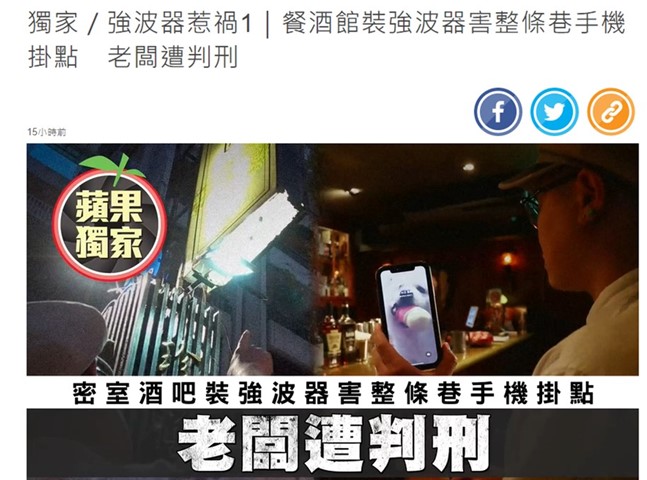
Unauthorized use of “signal jammers” will prevent others from making emergency calls: unauthorized use of “signal boosters” will cause communication interference if improperly set up and used.! Since “signal jammers” and “signal boosters” are “telecommunications controlled radio frequency equipment”, setting them up without permission will seriously interfere with normal communications and are considered illegal.
According to Article 80, Paragraph 1, Paragraph 10 of the Telecommunications Management Act, those who violate orders issued by the competent authority (NCC) in accordance with Article 67, Paragraph 2 (for example, prohibiting the use of unapproved signal jammers, radio interference equipment, etc.) and “continue to use” will be fined not less than NT$100,000 but not more than NT$1 million, and may be ordered to make corrections within a time limit.
However, in current practice, if stores or consumers use illegal equipment such as radio jammers and signal boosters, the NCC usually invokes the provisions of Article 48, Paragraph 1 of the original Telecommunications Act. Those who use or change radio frequencies without approval will be subject to detention or, or in addition, a fine of not more than NT$200,000. If you fail to listen to repeated advice, you may be fined up to NT$1 million.
3. How to apply legally to solve the problem of poor mobile communication signal in the store or to increase the table turnover rate?
A. “Signal Masker”:
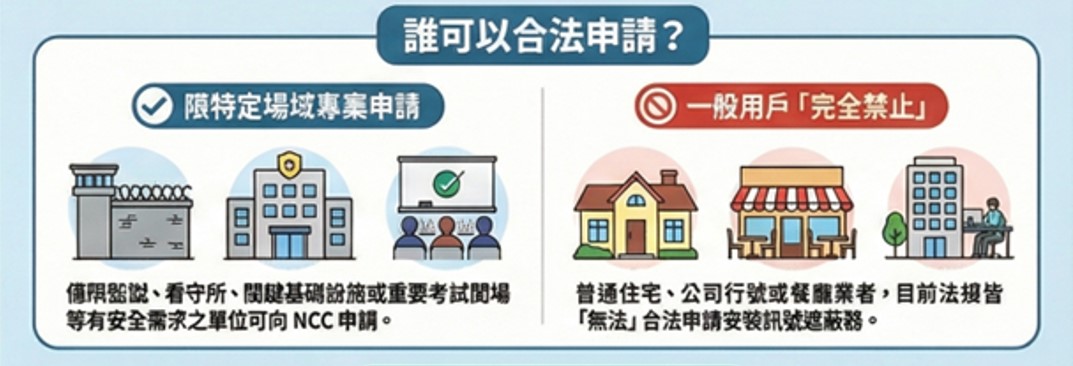
Because the unauthorized use of “signal jammers” will have a serious impact on others being unable to make emergency calls, currently only for units with security needs such as prisons, detention centers, critical infrastructure, or important examination halls or examination rooms, the project is open to apply to the NCC for the legal installation of “signal jammers.”Ordinary residences, businesses or restaurants cannot legally apply for use.。
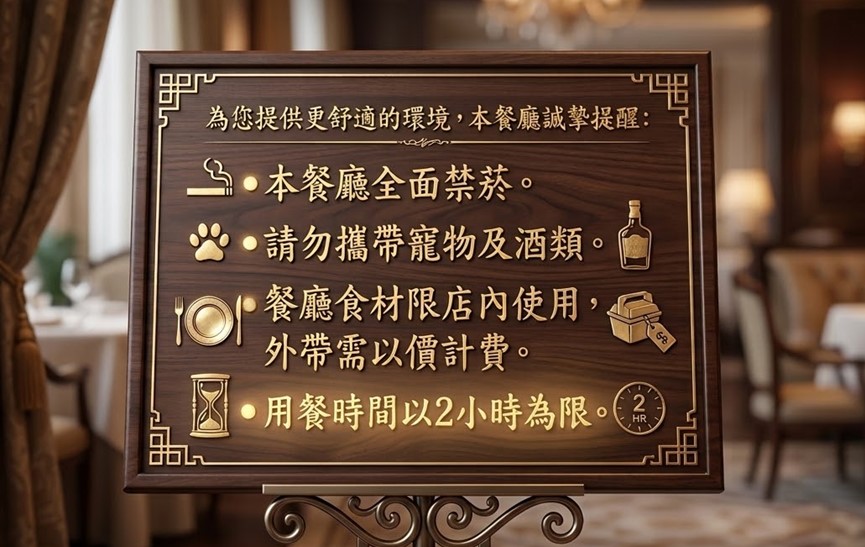
If the restaurant wants customers not to stay in the restaurant for too long to increase the table turnover rate, it is recommended to make an announcement in the restaurant.Meal time restrictionsregulations to avoid unnecessary disputes.
B. “Signal Booster”:
If indoor mobile phone reception is poor, you can only call the customer service of your telecommunications operator and ask for an engineer to evaluate whether it can be installed (free of charge) to improve indoor reception. Do not purchase any signal shielding or enhancement equipment.
Indoor mobile phone reception is always bad, what should I do??
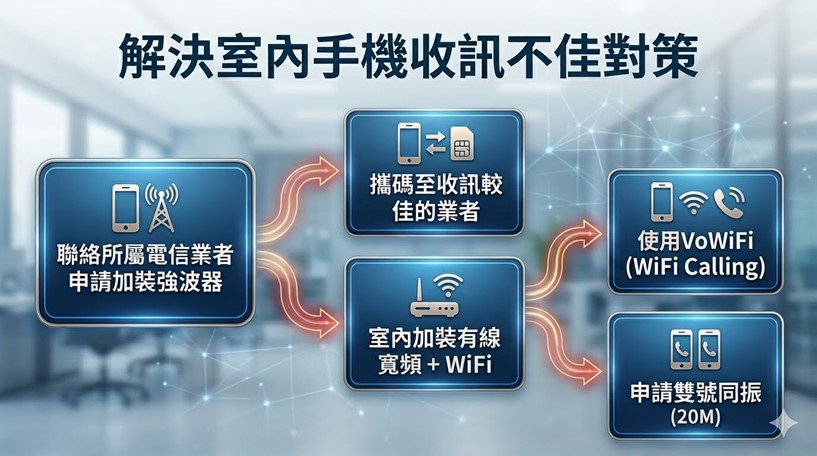
The correct countermeasure is to contact the customer service of your telecom operator first, complain about poor reception, and ask the operator to send an engineer to evaluate whether a booster can be installed. If the operator does not agree to install a booster (monthly fee reductions are usually available), and if the problem of poor reception is really great, it is necessary to evaluate whether to carry the code to a telecom operator with better reception (please make sure the reception is good before applying) or to install wired broadband Internet access indoors with a WiFi wireless sharer to solve the problem of poor mobile Internet access. For mobile phone voice calls, you can use VoWiFi (WiFi Calling) service or dual-number simultaneous ringing service (the monthly fee can be waived by the operator).
Source: KOCPC Chinese