


The pixel war in smartphone cameras never ends. When Samsung equipped the Galaxy S23 Ultra with a 200-megapixel main lens as early as 2023, Apple always stuck to the 48-megapixel route and focused on image quality rather than digital competition. However, this situation may be about to change. According to the well-known news account “Digital Chat Station”, Apple is actively testing a 200-megapixel telephoto camera sensor, which is expected to appear on the new iPhone as soon as next year.

Details of 200-megapixel telephoto sensor revealed
According to “Digital Chat Station” on Weibolatest news, Apple is evaluating a 200-megapixel, 1/1.2-inch telephoto camera sensor. This configuration is similar to the solution used by OPPO’s upcoming Find X9 Ultra model.
On the already-released Find X9 Pro, OPPO uses a 200-megapixel periscope telephoto lens for the first time and is equipped with a 1/1.56-inch outsole sensor, which far exceeds the photosensitive area of a traditional zoom camera. The same account also revealed earlier that the Find X9 Ultra plans to further enlarge the telephoto sensor to 1/1.28 inches to continue to raise the upper limit of image quality in high-magnification zoom scenarios.
If Apple adopts the same configuration as OPPO, this 200-megapixel sensor will only be used for the telephoto lens, not the main lens.
Timeline: Moving forward from 2028 to next year?
This latest statement echoes related rumors in January this year, but the timetable is significantly advanced. At that time, it was reported that the 200-megapixel camera solution had been discussed within Apple’s supply chain, but it had not yet entered the engineering prototype testing stage, and the research and development focus was still on polishing the existing 48-megapixel camera system.
In January of this year, Morgan Stanley also reportedmentioned, Apple plans to introduce a 200-megapixel camera configuration to the iPhone as early as 2028. However, the latest revelations from “Digital Chat Station” suggest that this timetable may be significantly advanced to next year (2026 or 2027, depending on how the iPhone release cycle is calculated).
Technical challenge: Large pixels ≠ good picture quality?
Cramming 200 million pixels into a phone sensor is no easy task. Photography enthusiasts all know that stacking more pixels on a sensor of the same size means that the photosensitive area of each pixel becomes smaller, which will lead to increased noise and reduced image quality in low-light environments.
This is why Apple has long kept a distance from the “pixel arms race.” Even though competitors have launched high-pixel phones, the iPhone has still stuck to 12 million pixels for many years and remains the leader in low-light photography. It was only in recent years that it was gradually increased to 48 million pixels.
However, Apple seems to have found a solution: increase the sensor size. If a 1/1.12-inch sensor is used, its area will reach 93.2 square millimeters, far exceeding the current iPhone 17 Pro’s 71.5 square millimeters (1/1.28 inches). A larger sensor means that each pixel can retain a larger photosensitive area, improving resolution without seriously sacrificing low-light performance.
Why choose telephoto instead of main lens?
If the news is true, Apple will use the 200-megapixel sensor for telephoto instead of the main lens. This decision has its own technical considerations. Telephoto lenses are mainly used for shooting long-distance objects. They are mostly used outdoors in well-lit environments and have relatively low requirements for low-light performance. In contrast, the main lens needs to deal with a variety of light conditions, including low-light scenes such as indoor parties, restaurants, and children’s indoor activities: these are often the shooting scenes that users value most.
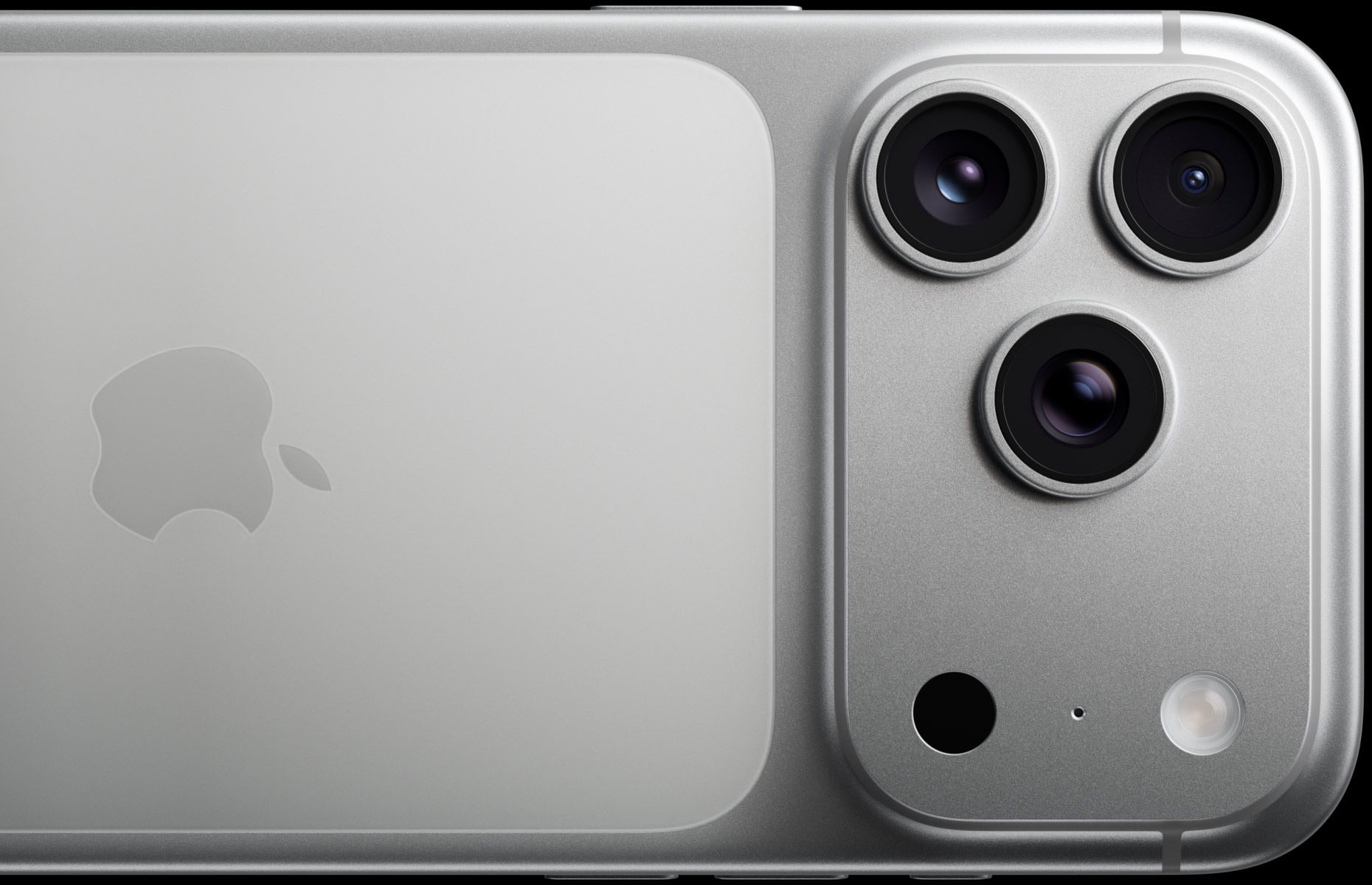
In addition, the ultra-high resolution of 200 million pixels will bring significant advantages to digital zoom. Users can make larger cuts after shooting without significant loss of image quality.
Competitive landscape: The Android camp has already laid out its plans
Judging from the pace of the industry, the Android camp has taken the lead in completing the commercial layout of 200 million pixels. Samsung equipped the Galaxy S23 Ultra with a 200-megapixel rear main camera as early as 2023, and subsequent models will continue to follow this high-pixel route. Chinese brands such as Xiaomi and OPPO have also followed suit, using ultra-high pixels as a selling point of their flagship models.
For Apple, once the iPhone adopts a 200-megapixel camera, it will achieve higher resolution in imaging details, provide more space for post-production cropping and large-size output, and improve composition flexibility without significantly sacrificing image quality.
iPhone future product roadmap
In addition to the pace of camera upgrades, Apple’s iPhone release plans in the next few years are also worthy of attention. According to existing news, Apple is expected to launch the regular iPhone 18 in 2027 and introduce a new segmented release cycle. At that time, the next generation Pro series will still be launched according to the previous September time window. There are rumors that next year may also usher in an iPhone model with a “20th anniversary” commemorative significance. Its positioning may be equivalent to the Pro, or it may open up a higher-end product level on top of it, similar to the iPhone X of that year.
It is still unknown which generation and which iPhone model this 200-megapixel telephoto sensor will eventually land on.
Source: KOCPC Chinese