


Nintendo (Nintendo) recently reported shocking news: Its most popular game console Switch 2 has decided to significantly reduce production capacity by up to one-third due to sales performance during the 2025 year-end holiday period being far below expectations. The decision not only reflects apparent weakness in demand in the U.S. and Europe, but also underscores Nintendo’s struggles in the face of global economic headwinds, rising memory costs and an insufficient game lineup. Although the Switch 2 set an astonishing sales record of 17.37 million units in its first year on the market, becoming the most successful hardware launch in Nintendo history, after entering its second year, this game console priced at US$450 (Taiwanese price of NT$14,380) seems to be facing a growth bottleneck.
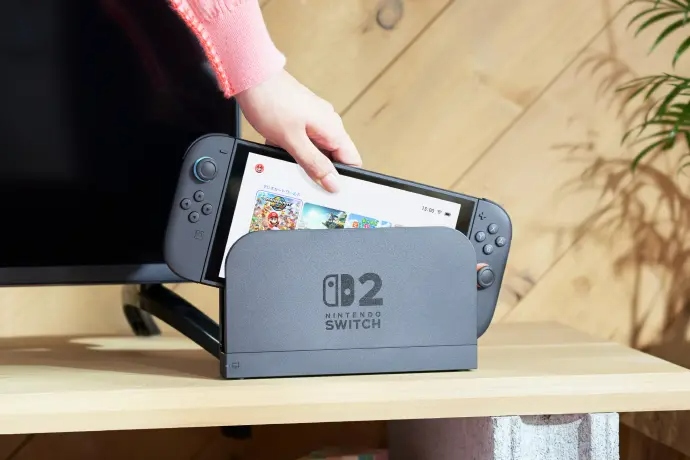
Nintendo will slash 33% of Switch 2 production capacity due to lower-than-expected sales at the end of the year
according to”Bloomberg” Citing people familiar with the matter, Nintendo originally planned to produce about 6 million Switch 2 units in the first quarter of 2026 (January-March), but has now lowered its production target to about 4 million units, a reduction of 33%. The decision to reduce production, which is expected to last until April, reflects the company’s careful assessment of current market demand.
Nintendo President Shuntaro Furukawa admitted in a meeting with shareholders last month that Switch 2’s “domestic hardware sales exceeded expectations, while overseas sales were slightly lower than expected.” This statement echoes the Bloomberg report, showing that Nintendo has long been aware of regional differences in market demand. In its financial report released in November 2025, Nintendo still maintained its target of global sales of 20 million units for this fiscal year. This means that the decision to reduce production is mainly to adjust inventory levels and avoid a backlog of funds due to overproduction.
Regional market performance is polarized
The weak sales this time show clear regional differences. The U.S. and European markets performed bleakly during the year-end shopping season, while the Japanese market was relatively solid. This difference may be related to the product pricing strategy: the Japan-exclusive model is priced at 49,980 yen (approximately NT$11,000), which is much cheaper than the international version of US$450 (approximately NT$14,850).
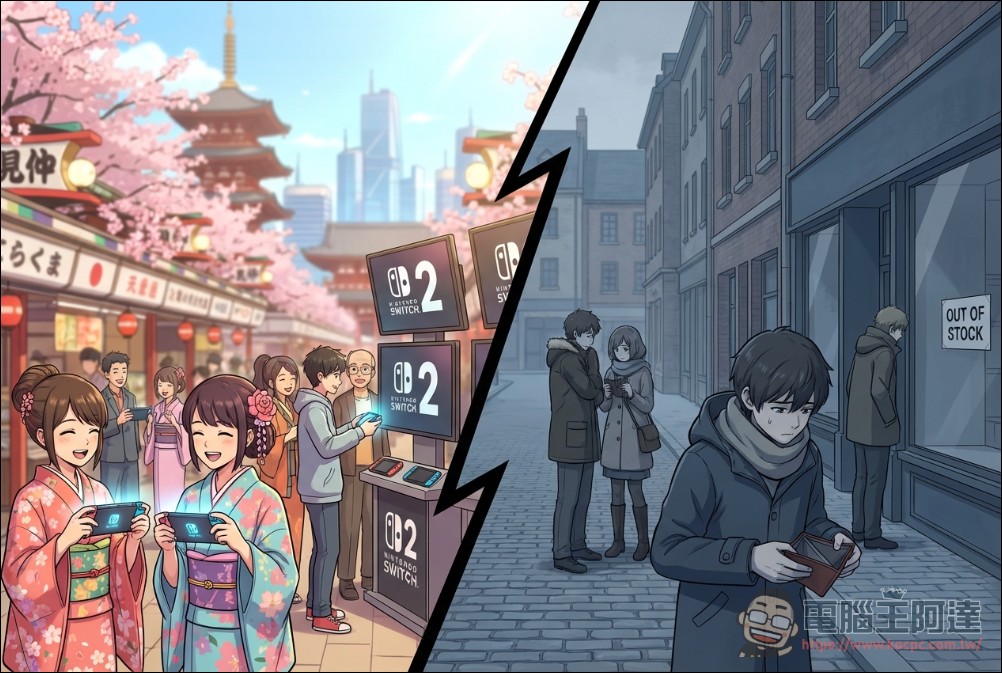
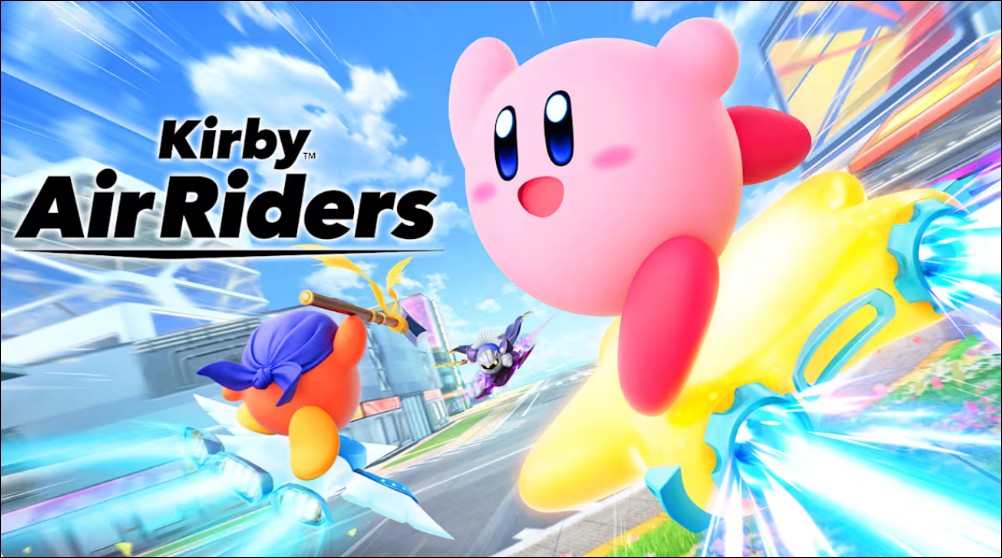
In addition, the strong performance of the Japanese market was mainly driven by games such as “Pokémon Legends: Z-A Nintendo Switch 2 Edition” (Pokémon Legends Z-A) and Switch 2 exclusive “Kirby Air Riders”. However, the international market lacks heavyweight masterpieces such as “Mario” or “The Legend of Zelda”, causing the Switch 2’s growth momentum to slow down. Even the highly anticipated “Metroid Prime 4: Beyond” failed to replicate the sales miracles of these classic IPs.
The recently launched “Pokémon Pokopia” can be said to be the highlight of this wave of market turmoil. The game’s strong sales performance after its launch even drove Nintendo’s stock price to rise sharply this month. However, people familiar with the matter revealed that even with the support of this popular game, Nintendo management has not changed its decision to reduce production.
This phenomenon reveals two important messages: First, Nintendo still has reservations about whether a single game can continue to drive console demand; second, the company prefers to observe the overall performance of multiple new games before deciding whether to adjust its production plan.
In addition to weak demand, the Switch 2 is also facing pressure from the supply chain. The current surge in memory chip prices has put pressure on global electronics manufacturers, and Switch 2, as a game console with high storage requirements, is naturally affected. Bloomberg reported last month that higher semiconductor costs had prompted Nintendo to consider raising prices, but this was not the main reason for the production cuts. People familiar with the matter emphasized that the production reduction was mainly due to “slowing consumer demand.” PC Guide also mentioned that some consumers may be worried about future price increases or supply shortages and purchase consoles in advance in the middle of the year instead of the traditional year-end shopping season, which has also led to the phenomenon of “early digestion” of year-end sales.
In addition, analysts generally believe that the second year of the console’s launch is a critical period that determines the long-term success of the platform. At this stage, the expansion of user scale can attract more third-party developers to invest, which in turn will lead to the birth of more high-quality games, forming a positive cycle. However, Switch 2 faces a growth bottleneck at this critical moment. The Economic Daily pointed out that Nintendo is internally reviewing the reasons for the weakening demand, including “sufficient supply in the early stage of launch, which may have digested the purchase demand that should have appeared later.” This situation is very different from the model in which traditional game consoles were in short supply in the early stages of their launch, resulting in a “one machine is hard to find” craze.
In order to stimulate demand, there are market rumors that Nintendo may take a number of measures. Including the possibility of “launching new derivative models” to respond to market changes. This strategy is exactly the same as the original Switch’s approach of launching Lite, OLED and other derivative models.
Market reaction and investor confidence
Nintendo’s stock price fell after news of the production cuts came out. Nintendo ADRs listed in the United States plunged 4.79% in a single day to close at $14.30. However, some analysts believe that this production reduction is a “healthy inventory adjustment.” After all, Switch 2 has sold 17.37 million units since its launch in June 2025, setting a record for the most successful hardware launch in Nintendo history. Compared with many competitors (such as XBOX) that faced more severe market challenges during the same period, the overall performance of Switch 2 is still outstanding.
Conclusion
Nintendo’s decision to cut production of Switch 2 reflects the structural changes the global game console market is experiencing. In an environment of inflationary pressures, geopolitical risks (such as previous tariff issues), and cautious consumer spending, even gaming giants like Nintendo with a strong IP lineup are not immune to market headwinds.
However, this doesn’t mean that the Switch 2’s market prospects are bleak. Historical experience shows that Nintendo is good at adjusting strategies and launching innovative products in times of adversity. From launching more affordable derivative models to potentially adjusting the pace of game releases, the century-old gaming company still has many cards to play. For investors and players, perhaps what should be more concerned about is how Nintendo will rekindle market enthusiasm after this production cut and allow Switch 2 to continue to maintain good sales in the second year.
Source: KOCPC Chinese