


电动车的「里程焦虑」(Range Anxiety)问题,长期以来一直是阻碍消费者拥抱纯电生活的一大障碍。 For many years, electric car owners have had to switch back and forth between Google Maps and a dedicated charging app. One side of the screen shows navigation routes, and the other side is the function of searching for charging stations. This is not only cumbersome to operate, but also seriously affects driving concentration. Recently, Google officially announced that Google Maps has launched a new AI-driven electric vehicle charging prediction function for Android Auto users, which integrates battery consumption estimation, charging station recommendations, arrival power prediction, and smart itinerary planning that considers charging time to meet all the needs of electric vehicle driving at once. More importantly, this feature is no longer limited to a few specific car models, but supports more than 350 electric vehicles at one time, covering 16 major brands such as Audi, BMW, Chevrolet, Hyundai, Kia, Mercedes-Benz, Porsche, Toyota, and Volkswagen.
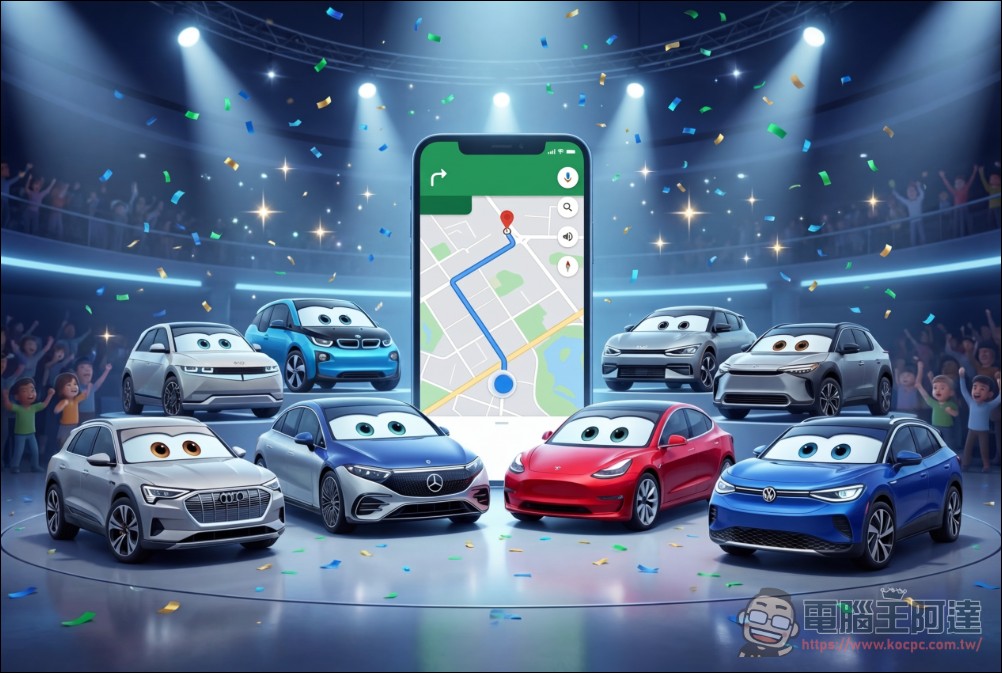
Google Maps’ EV planning feature: How does it work?
According to Google’s official blog, the core of this new feature lies in “the combination of AI and advanced energy models.” The system will analyze the detailed information of the vehicle, including key parameters such as vehicle weight and battery capacity, and combine it with the real-time traffic data accumulated by Google Maps itself, road gradient information, and weather conditions to comprehensively calculate an accurate battery consumption prediction.
See the setting method at once
To enable this feature, drivers must first add their electric vehicle information to Google Maps. The operation process is very intuitive (Please click me for English teaching):
- Open the Google Maps app
- Click your profile picture or initials > Settings > Your vehicle
- Under “Engine Type” click “Electric”
- Click “Add Vehicle” and enter the brand, model, year and equipment
- Confirm charging plug type
- Save settings
Once set up, whenever you set a navigation destination in the car, Google Maps will automatically display the expected battery consumption for that trip. Furthermore, if the driver inputs the current battery status, the system will recommend charging stations along the way and predict the remaining battery when arriving.
Breakthrough in smart charging planning
Previously, this kind of integrated navigation and charging function was only available on specific models equipped with the Android Automotive system. Android Automotive is Google’s embedded operating system specifically designed for car systems, which is different from Android Auto, which relies on mobile phone projection. Now that Google has devolved this feature to Android Auto, it means that as long as you use an Android phone with a car model that supports Android Auto, you can enjoy the same smart charging planning experience, whether it is an original car machine or a third-party car system.
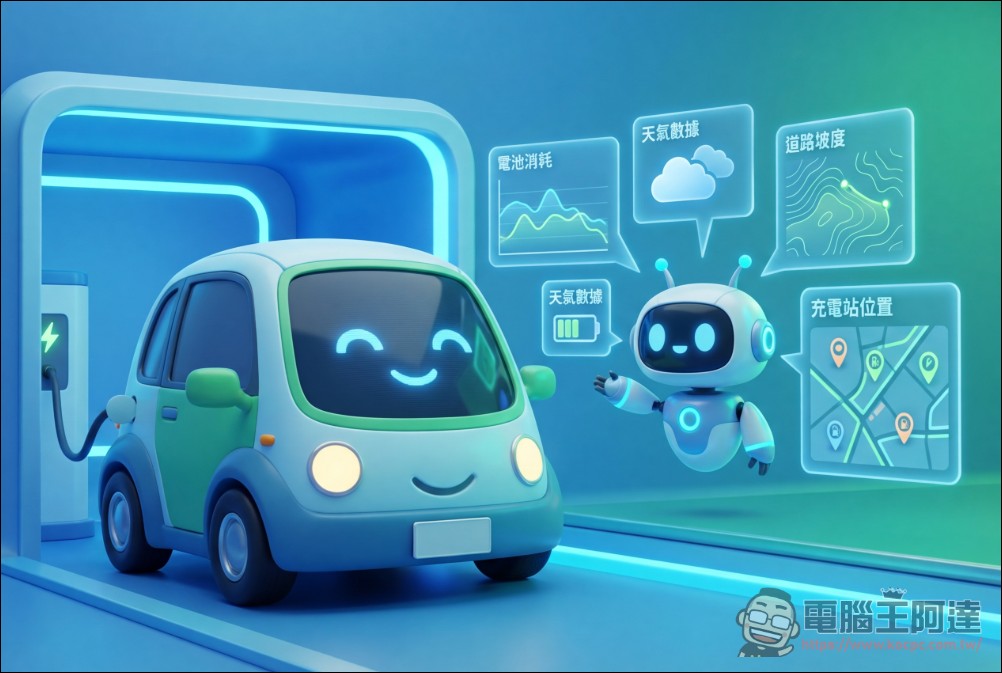
In addition, drivers can customize how much power they want to retain when arriving at their destination. For example, if you want to arrive with 30% battery, Google Maps will automatically add more charging stations to your route to ensure there’s no risk of running low on battery. This feature is particularly valuable for commercial fleets or long-distance driving that require precise control of power.
Support brand viewing at once: covering market mainstream
The electric vehicle charging prediction function of Google Maps and Android Auto currently supports US market brands including:
- Audi
- BMW
- Chevrolet
- FIAT (Fiat)
- Genesis
- Hyundai (modern)
- Jaguar
- Kia
- Lexus
- Lucid( lucid)
- Mercedes-Benz(Mercedes-Benz)
- Nissan
- Porsche
- Subaru
- Toyota(Toyota)
- Volkswagen (Volkswagen)
A total of 16 brands and more than 350 models cover the vast majority of choices in the U.S. electric vehicle market. Google said that support for more car models is under active development and is expected to be added to the support list in the short term.
Deep integration of AI technology
This functional update is not only the integration of the interface, but also the in-depth application of Google AI technology. According to the official description, the “Advanced Energy Models” used by the system can perform personalized calculations based on the unique attributes of each vehicle, rather than using a one-size-fits-all average.
There are many factors that affect the cruising range, including driving speed, road conditions, air conditioning usage, and outside temperature. Google incorporates all these variables into the model and continuously optimizes prediction accuracy through machine learning algorithms. In addition, real-time weather data will also affect the calculation of battery consumption – for example, in cold weather, battery efficiency will drop significantly, and the system will adjust the prediction results accordingly to avoid driving due to insufficient battery on the road.
Impact on the electric vehicle ecosystem
As we all know, range anxiety is one of the key psychological factors hindering the popularity of electric vehicles. Surveys by J.D. Power and other market research institutions have shown that “insufficient cruising range” and “insufficient charging infrastructure” are the main concerns consumers have when purchasing electric vehicles. This feature update of Google Maps is to some extent from the software level, trying to alleviate consumers’ anxiety about insufficient charging infrastructure.
When the navigation system can accurately tell the driver “at the 42nd minute, you need to charge at the Qingshui service area for 25 minutes, and it is expected that 28% of the battery will be left when you arrive at the destination.” The uncertainty of the entire journey is greatly reduced, and range anxiety naturally dissipates.
The future outlook of Taiwan market
Currently, the first wave of support for this feature is mainly in the US market, supporting more than 15 brands. However, the popularity of electric vehicles around the world is unstoppable. Taiwan is one of the markets where the penetration rate of electric vehicles continues to rise. It is only a matter of time before this Google Maps feature will be launched in Taiwan.
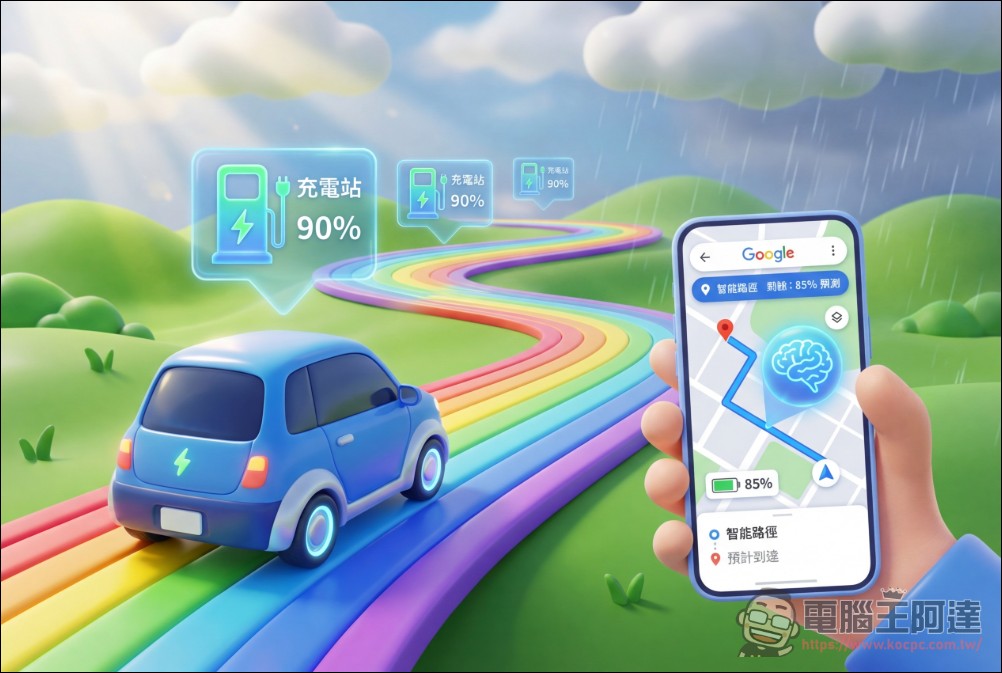
The main electric vehicle brands currently sold in Taiwan include Tesla, Toyota, Hyundai, Kia, BMW, Mercedes-Benz, Volvo, etc. Among them, Toyota, Hyundai, Kia, BMW, Mercedes-Benz and other brands have appeared on the support list in the United States. As Google continues to expand support, Taiwanese consumers are expected to experience this convenient feature in the near future.
It is worth mentioning that Taiwan’s charging infrastructure has continued to expand in recent years, with charging operators such as Huacheng, EValue, and YES entering the market one after another. If Google Maps can integrate the real-time information of these charging stations and combine it with this AI prediction function, it will be a great boon for electric vehicle driving in Taiwan.
Source: KOCPC Chinese