


After months of crazy price increases, the global memory market seems to have finally reached an important turning point. According to reports from multiple market research institutions and technology media, OpenAI, a key player in this wave of memory super cycles, is beginning to significantly reduce spending and shrink its previously aggressive procurement strategy. This shift is causing a chain effect in the global memory supply chain.
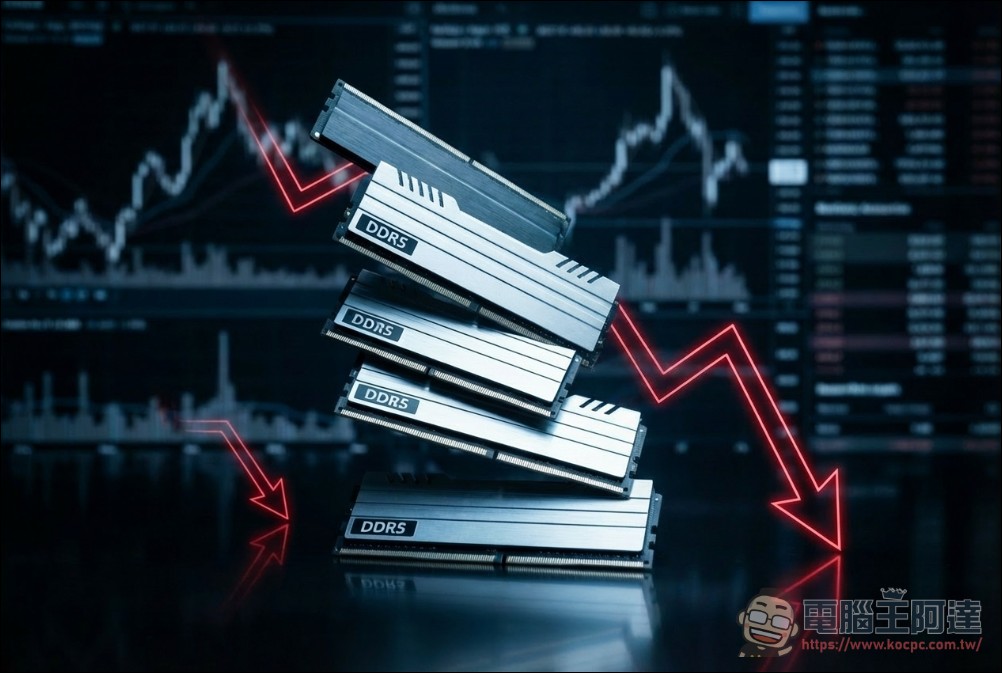
OpenAI’s 900,000 wafer order causes memory surge
To understand the current situation, we must first review the starting point of this memory super cycle. Over the past few months, the explosive growth of AI infrastructure has pushed memory demand to unprecedented peaks. According to market data, OpenAI placed orders with two major memory giants, Samsung Electronics and SK Hynix.900,000 DRAM wafersneeds,This is equivalent to almost 40% of the world’s total DRAM production capacity in a single quarter.
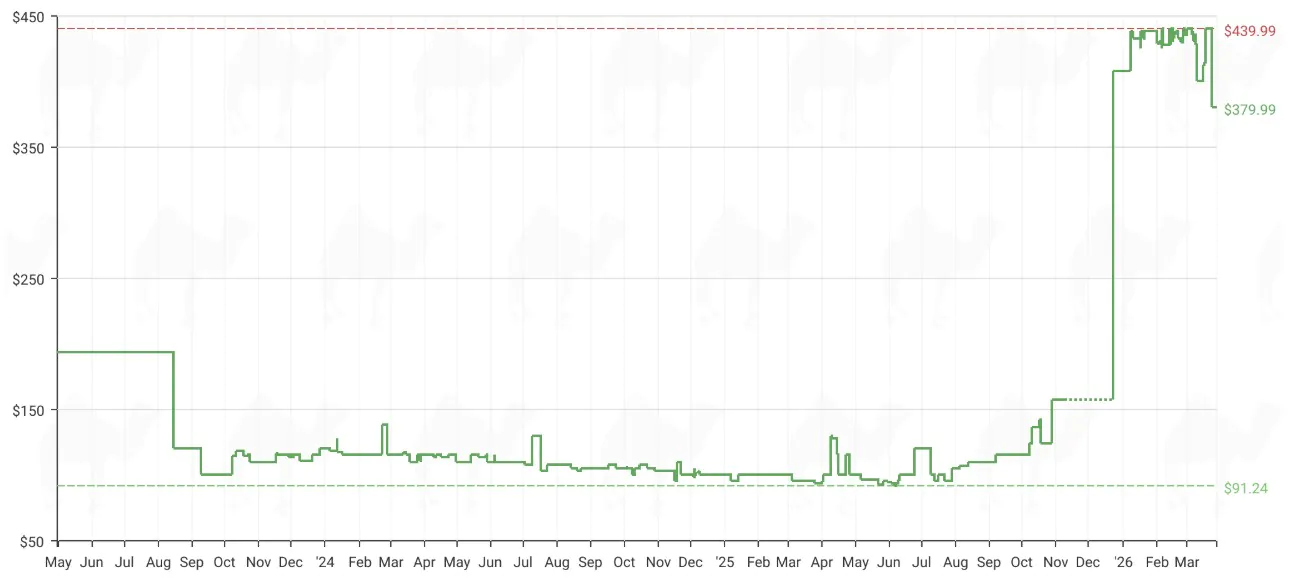
This huge order has become an important driving force for the surge in memory prices. According to TrendForce data, the price of DDR 5 memory has increased nearly sevenfold in the past year. Against this background, the financial report figures of the three major memory manufacturers are like science fiction. Samsung’s semiconductor division’s profits in the fourth quarter of 2025 soared 250% compared with the same period last year; Micron Technology’s single-quarter revenue nearly tripled compared with the previous year; SK Hynix’s operating profit margin soared to nearly 60%. All kinds of data tell one fact: the golden age of the memory industry is now underway.
However, just when everyone thought that this wave of gains would continue indefinitely, the market direction began to change subtly. Sources pointed out that OpenAI is undergoing a fierce strategic review within OpenAI. Specific measures to reduce expenditures include: abandoning some ambitious expansion plans, closing several projects that have been launched, revisiting multi-billion dollar agreements with partners such as Oracle, and significantly reducing investment in data center infrastructure, choosing instead to lease rather than directly purchase computing resources.
🚨 RAM prices are plummeting after OpenAi failed to fulfill its commitment to purchase 40% of World supply and terminated its $71 billion SKHynix promise. $MU https://t.co/unlONDmA1t
— Roger (@rdd147) March 28, 2026
DDR5 price falls; HBM still needs support
As the effect of OpenAI’s order cuts gradually emerged, DDR5 memory prices finally began to fall substantially. According to Korean technology media Report by Digital Today, OpenAI’s strategic adjustment to reduce data center expenses, and the memory compression algorithm recently launched by Google, directly affect the supply and demand balance of the memory supply chain. The past situation of “you can’t buy it even if you have money” is gradually easing.
However, market analysts also reminded that this wave of price decline does not mean that the memory industry will enter a cold winter. SK Hynix’s leadership position in the high-bandwidth memory (HBM) market remains solid, and the company has made it clear that HBM will continue to play a core driving role in the growth of the storage market in 2026. As the demand for AI training and inference diversifies, the demand for HBM, a memory designed for high-performance computing, still far exceeds the supply (in fact, AI computing mainly requires HBM, and the price increase of DDR5 is mostly due to hype and squeezed production capacity).
Behind the lively scene of soaring memory prices and doubling performance, the three major memory manufacturers have actually begun to “press on the brakes.” Samsung and SK Hynix have recently been in contact with major investment banks such as Morgan Stanley. The industry interprets this as memory majors are preparing for a possible economic reversal.
Is the super cycle coming to an end? Experts say this
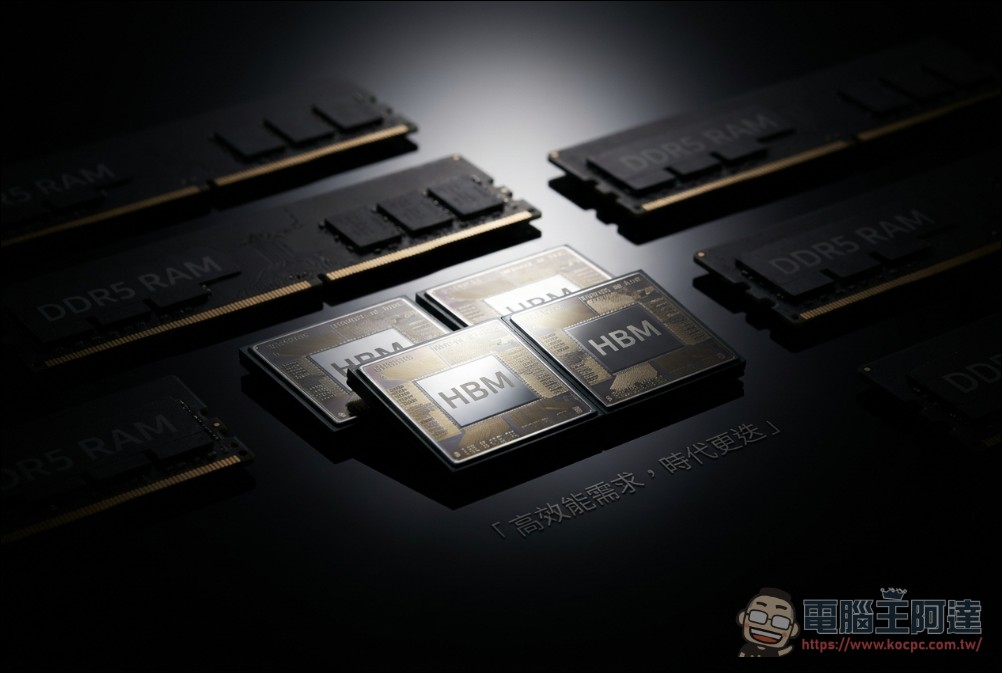
Based on the views of various institutions, the memory market is now at a critical crossroads. On the one hand, demand for traditional general-purpose memories (DDR5, etc.) is showing signs of cooling as large cloud players reduce spending; on the other hand, demand for high-end memories designed specifically for AI (HBM, DDR5 server version, etc.) is still strong.
Experts generally believe that the memory market is entering a cooling stage, and prices are expected to gradually return to a rational range in the short term. However, the magnitude and speed of this decline will still be highly dependent on the subsequent development of the AI industry and the capital expenditure decisions of major technology giants. Whether this is the end of the memory supercycle or just an intermission, no one can tell yet.
小时候存了不少游戏卡,后面存着BB机,觉得以后能卖钱。 pic.twitter.com/gSkBl9BOYX
— Geek Lite (@QingQ77) March 30, 2026
For downstream companies and consumers, this wave of memory price correction is undoubtedly a shot in the arm. However, the industry reminds that the structural problems of the memory supply chain have not been fundamentally resolved. Once AI applications explode again, or new killer applications emerge, memory prices may restart their rise at any time.
Source: KOCPC Chinese