


As we all know, in addition to American companies such as Waymo and Tesla Robotaxi, one of the most active players in driverless taxi services is China’s Baidu’s “Apollo Go”. However, in On the evening of March 31, 2026, a number of major arterial roads in Wuhan City’s Wuchang District and Optics Valley suddenly experienced large-scale system failures at about 8:57 pm due to the “Carrot Run”. More than a hundred self-driving vehicles stopped at the same time while driving, causing many passengers who had reserved rides to be trapped in the vehicles. Traffic was seriously blocked on some road sections for more than an hour. It was also reported that a rear-end vehicle was involved in a collision due to a lack of response. This was also the most serious single accident since the operation of the Carrot Run.
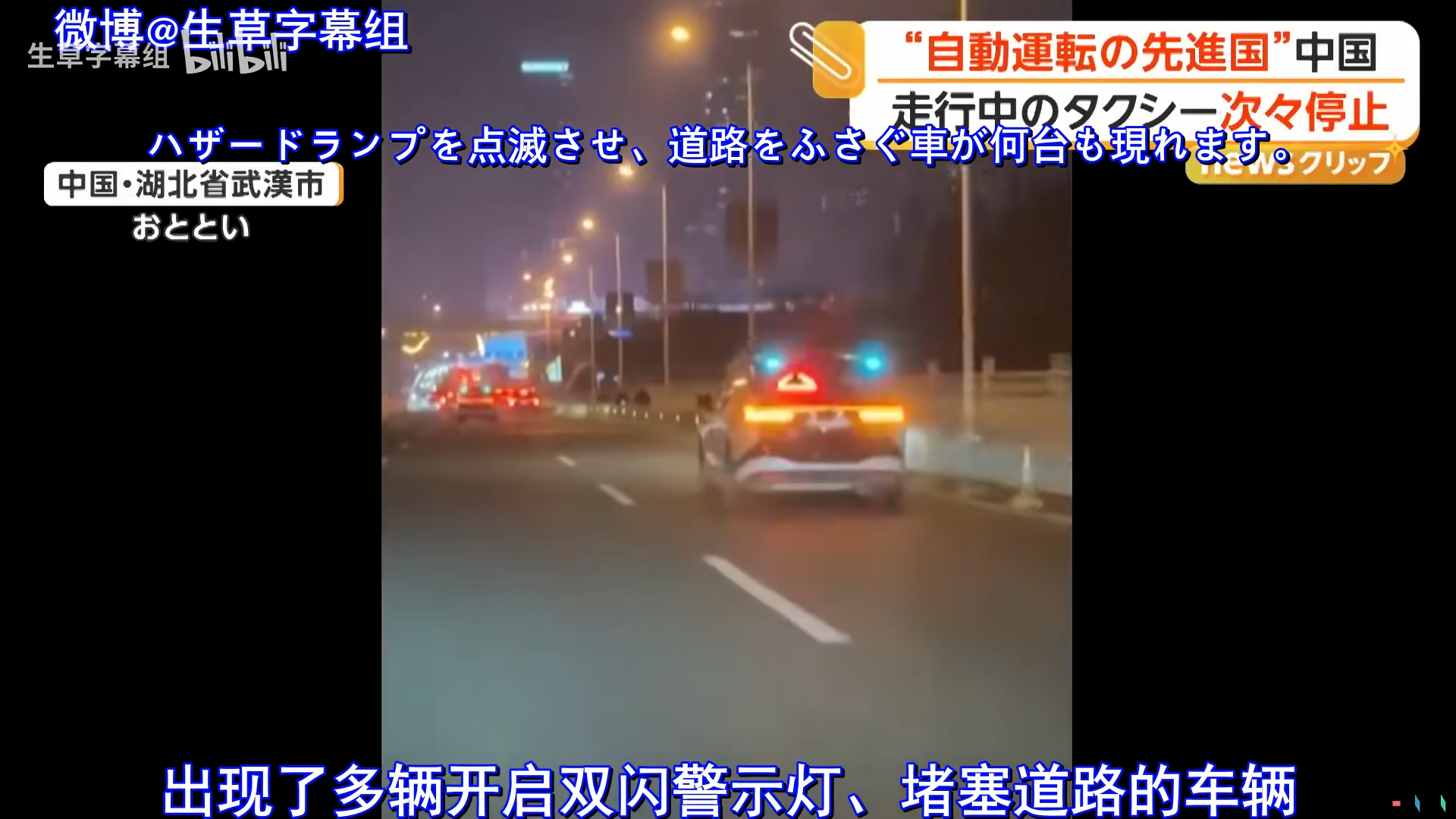
Carrot Run Wuhan shutdown: More than 100 vehicles broke down collectively, and passengers were trapped on the elevated highway for nearly two hours
According to a report from the Traffic Management Bureau of the Wuhan Municipal Public Security Bureau, the accident occurred at approximately 8:57 in the evening on March 31. Under normal operating conditions, Luobo Kuaipao’s self-driving fleet suddenly experienced an abnormal situation of collective suspension. The affected areas covered many major transportation hubs in Wuhan, including the Optics Valley Second Ring Road, Hankou Second Ring Road ramp, Yuehu Bridge Tunnel, Xiongchu Highway, South Third Ring Road and other important road sections.
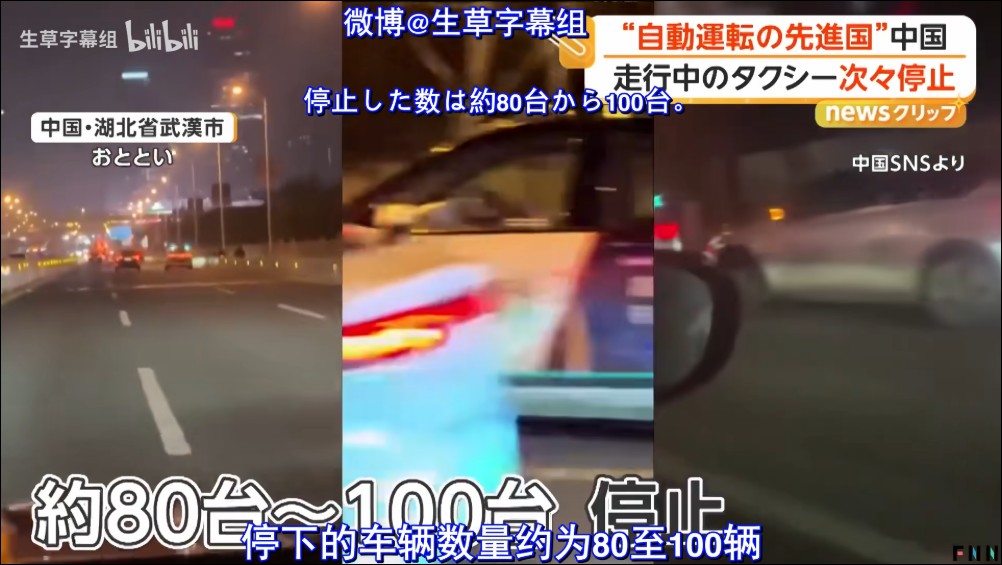
Preliminary statistics from the police showed that more than 100 vehicles were affected, while the Traffic Management Bureau of the Wuhan Municipal Public Security Bureau pointed out that it was about “180 vehicles” in a follow-up statement. The two figures were slightly different, but both confirmed that this was a large-scale systemic failure, rather than an incidental problem on a single vehicle.
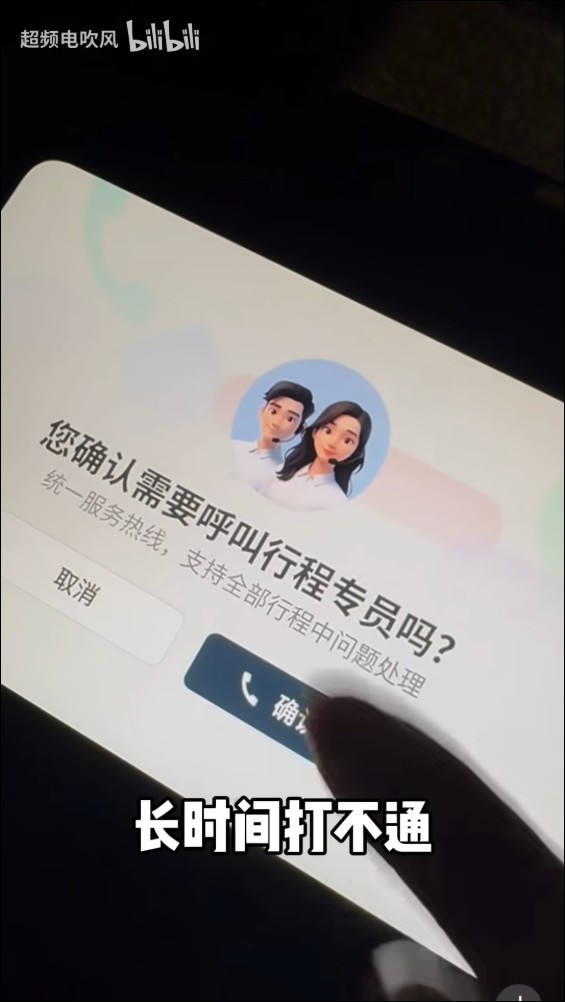
What alarmed the passengers the most was that after the vehicle stopped, the SOS emergency system in the car failed to operate normally. A stranded passenger later recalled that there was no response at all after pressing the emergency button in the car. When he tried to call the customer service line of Luobo Kuaishou, the phone line was always difficult to get through. Some people even made nearly 400 calls before finally getting through. The passenger described that he had to wait for rescue for as long as an hour and a half. In the end, he still needed the help of traffic police to get out of the trapped vehicle.
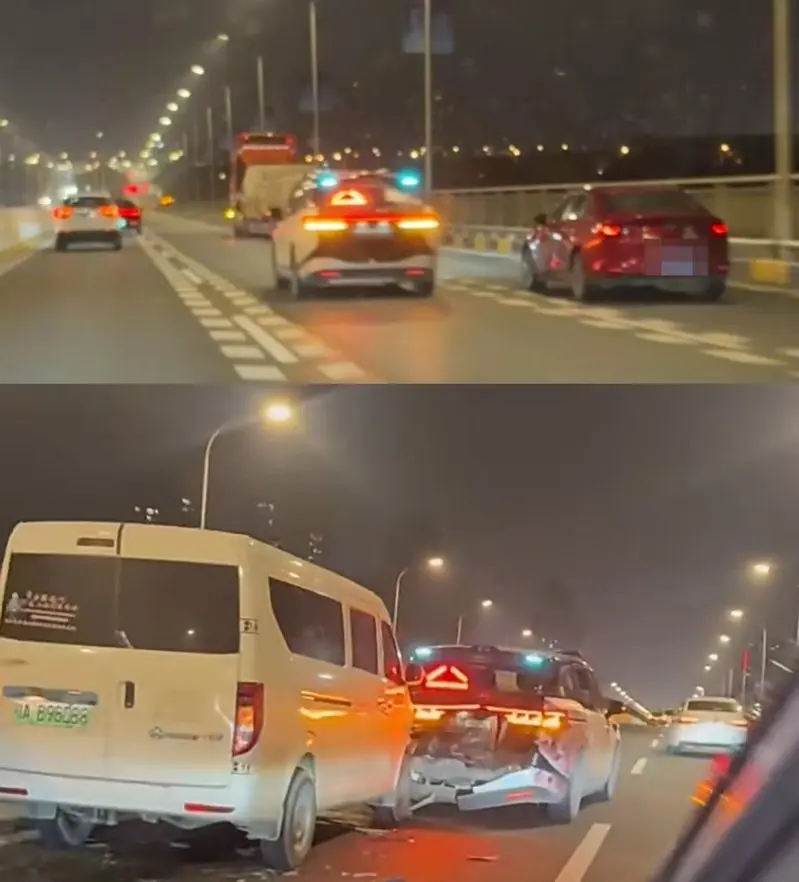
The accident also had a serious impact on the overall traffic. Many Carrot Run vehicles were stagnated at key locations such as elevated roads and tunnel exits, causing subsequent traffic to be unable to move forward normally. Many road sections in Wuhan experienced long-term congestion, and there were reports of collisions involving vehicles behind them due to failure to brake quickly. Fortunately, so far, information from all parties shows that this incident did not cause any casualties.
Official response: System failure is the main reason and the service is urgently suspended.
The Traffic Management Bureau of the Wuhan Municipal Public Security Bureau issued a formal notice after the accident, stating that after preliminary judgment, the cause of the incident was caused by a “system failure”, and the detailed cause of the accident still needs further investigation. The bulletin called on citizens to pay attention to their travel arrangements during the investigation of the accident.
In response to the cause of the system failure, which is of great concern to the outside world, the Luobo Kuaipao customer service side mentioned in its external explanation that the incident may be related to “network problems” and announced the suspension of all services in Wuhan immediately after the incident. However, the official did not further elaborate on the specific nature of the network problem, whether it involved an interruption in cloud communication, or an abnormal signal transmission between the vehicle’s sensors and the decision-making system.
Analysts in the autonomous driving industry have proposed another possibility. Industry insiders pointed out that Luobo Kuaipao’s autonomous driving system may have encountered some kind of “emergency situation” at the time of the incident, which triggered the vehicle’s safety self-check mechanism, causing the system to automatically slow down the vehicle to a stop for safety reasons. This type of “defensive parking” design is a standard safety measure for autonomous driving systems, but when it is triggered simultaneously on such a large scale, it usually implies that the system is facing an overall perception or judgment obstacle, rather than a local sensor failure in a single vehicle.
This is not the first case of autonomous driving failure, and safety issues have come to the fore again
In fact, incidents of collective systemic failures of self-driving vehicles on public roads are uncommon globally, but they are not unprecedented. In the past few years, autonomous driving fleets in the United States, China and Europe have experienced service outages due to software updates, network outages or collective sensor failures. However, it is still rare for a large-scale incident like the Carrot Run to paralyze traffic on multiple main roads at the same time and involve hundreds of vehicles.
Luobo Kuaipao is a self-driving travel service brand that Baidu has actively promoted in recent years. It is also one of the few self-driving taxi platforms in China that has entered commercial scale operations. As one of its core operating cities, Wuhan’s fleet size and service scope have continued to expand over the past year, and it has become an important example of China’s self-driving city demonstration.
This accident is undoubtedly a big blow to the image of Baidu’s autonomous driving business. After the accident, Luobo Kuaipao has urgently suspended all services in Wuhan and is cooperating with relevant units to launch an investigation. Before the cause of the accident is fully clarified, whether the company can regain the trust of regulatory authorities and the public will be the focus of follow-up observation.
Source: KOCPC Chinese