


YouTube has been in the spotlight over the past few months due to a significant increase in the frequency of ads. Whether it is general videos or live content, many viewers have experienced an increase in the number of ad insertions, and some have even questioned whether this is a deliberate adjustment strategy by YouTube. Against this background,YouTube recently announcedAn update related to live broadcast advertising has been made with the goal of reducing ad intrusion in certain situations and improving the experience for live broadcast viewers.
YouTube will reduce advertising during live broadcasts as appropriate
This update mainly focuses on “interactive behavior” in live broadcasts and “support for creators’ paid functions.” According to information released by YouTube, when viewers support creators through Super Chat, Super Stickers, or purchasing gifts, the system will automatically reduce the frequency of ads shown to these viewers. In other words, as long as the audience pays to support it, they will get an exclusive ad-free period.
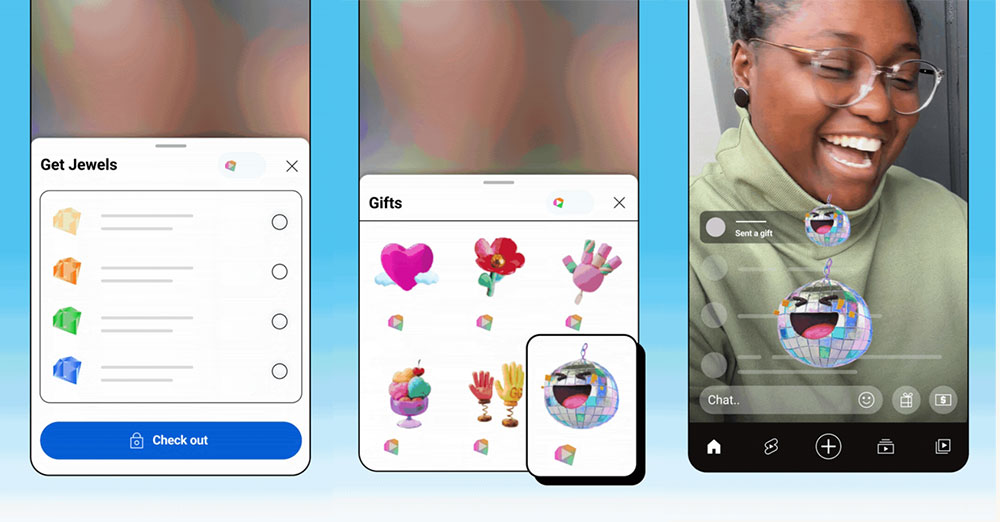
YouTube said that the platform will automatically add an “ad-free mark” to viewers after they complete their purchase, so that they will not be interrupted by ads for a period of time. This feature will be automatically applied to all live broadcast channels that have “automatic advertising” enabled, and automatic advertising itself is the default option, so most creators will be affected.
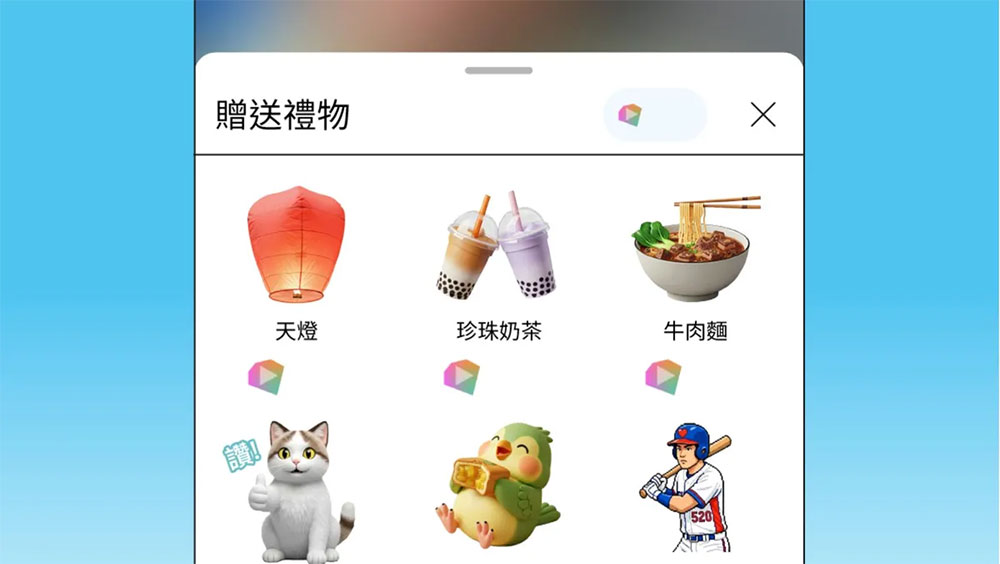
YouTube emphasized in its announcement that the starting point of this design is to retain the “real-time interaction” during live broadcasts. When fans send super messages or stickers, creators usually respond or express their gratitude immediately. If ads are suddenly inserted at this time, this precious interactive moment will be destroyed. In order to avoid this situation, the platform has introduced a mechanism to automatically create an “ad-free window” to ensure that creators can smoothly respond to fans’ support.
In addition to paid behavior triggering ad-free periods, YouTube’s algorithm will also dynamically adjust ads based on the popularity of interactions during the live broadcast. For example, if the number of comments suddenly increases during a certain period of time, the system will determine that this is an “interaction peak” and pause the advertisement to avoid interrupting the rhythm of the live broadcast at the most exciting moment. YouTube didn’t provide a clear number on how long this ad-free period will last.
YouTube said that excessively frequent or poorly timed ad insertions can destroy the “collective atmosphere” of live broadcasts. This isn’t the first time platforms have made adjustments to ad timing. In the past, YouTube has modified its ad insertion logic to avoid interrupting content in the middle of a video, but this has also resulted in ads more often appearing after the video ends. Nowadays, a similar situation may also occur in live broadcasts, but this time the adjustment direction is to avoid interfering with interaction as much as possible.
It is worth noting that YouTube has also recently dealt with another controversial advertising issue: some users encountered 90-second ads that could not be skipped during video playback. At that time, outsiders thought that YouTube was testing more aggressive advertising formats, but the company later clarified that this was a system vulnerability and had been fixed. YouTube also emphasized that the platform has no plans to push long-form ads that cannot be fast forwarded. Although this live broadcast update has begun to go online, there are still many details that are not yet fully clear. For example: How many ad-free breaks does each viewer get during a live broadcast? Is the length of each ad-free window fixed? What are the criteria used by the algorithm to determine “interaction peak”? YouTube has yet to provide specific instructions.

However, looking at the overall direction, this update shows that YouTube is trying to find a new balance between “advertising revenue” and “viewer experience.” Live broadcast advertising is an important source of income for creators, but excessive interference will lead to the loss of viewers; conversely, if ads can be reduced at critical moments, it will help increase live broadcast stickiness and encourage more viewers to use paid interactive features.
For creators, this update requires almost no additional settings and will benefit as long as automatic advertising is enabled; for viewers, it means that while supporting creators, they can also get a smoother viewing experience.虽然仍有不少细节待观察,但这项调整无疑是 YouTube 在广告策略上一次相对友善的改动。
Source: KOCPC Chinese