


In the future Android ecosystem, you may no longer have to worry about unknown apps peeking at your contacts or tracking your precise location behind your back. Google is promoting a stricter and more transparent permission management system. The goal is to limit the way applications obtain contact and location information from the source, so that users can have clearer control over their own data.

Android 17 will prevent apps from asking for access to all your contacts
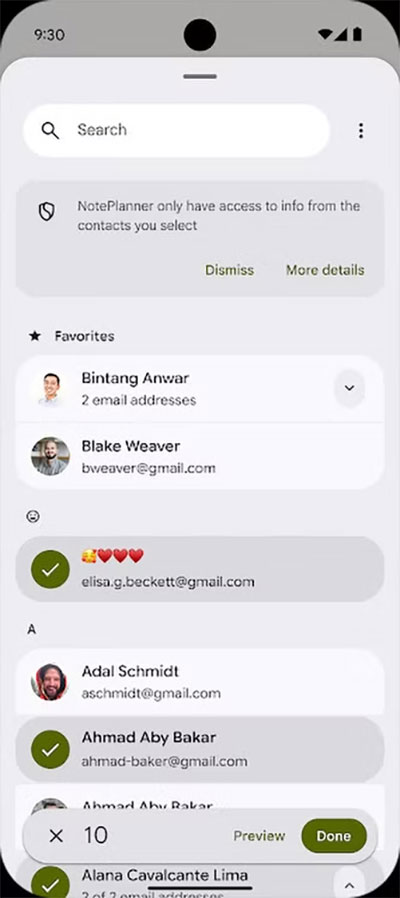
First, all apps developed for Android 17 and later and published in the Play Store that involve inviting friends, sharing content, or handling one-time requests must switch to the new Google contact picker. This new front-end interface allows users to accurately select specific contacts, instead of handing over the entire address book once authorized. This “minimum necessary authorization” design can effectively prevent applications from obtaining information beyond the user’s wishes. If developers want to obtain long-term, continuous contact access, they must submit a formal statement to the Play Store explaining why this level of access is required and accept Google’s review.
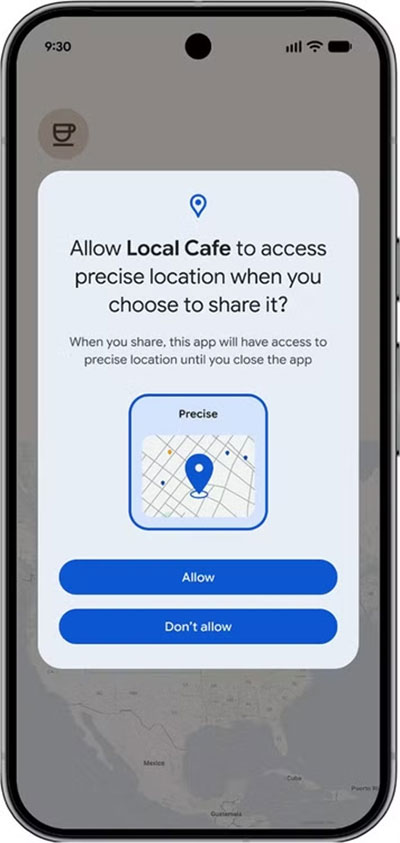
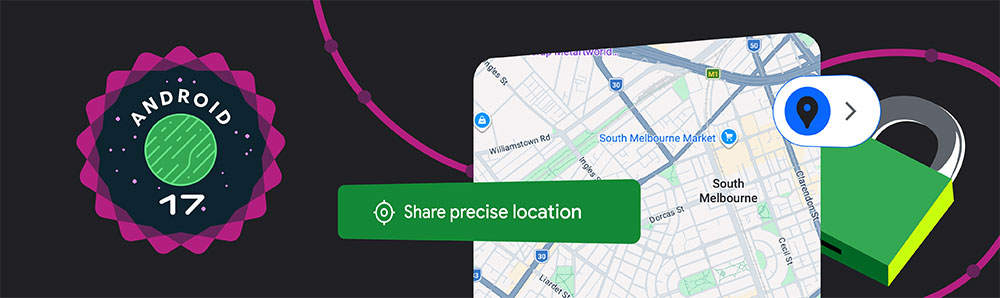
The management of location information is also undergoing major changes. Going forward, apps developed for Android 17 that require precise one-time location data must request it through the new location button. The purpose of this button is to allow users to actively provide their location when needed, rather than letting the application silently ask for it in the background. Google hopes this will prevent developers from collecting far more precise locations than necessary in the name of “functional requirements.” If the app really needs to track the user’s location for a long time, such as navigation or security monitoring services, the developer must also submit a statement to the Play Store. Apps that only require a rough location, such as a general weather app, no longer require additional special permissions.
These new regulations will officially come into effect on October 27. From that day on, Google will proactively flag issues related to contact or location permissions before apps enter the review process to prevent developers from being bounced after submission. Google also said that the form for developers to submit permission declarations will be open “before October.”
Of course, many apps do have legitimate reasons for needing access to your contacts or location information. Social platforms such as Threads and TikTok require your contact list to help you invite friends to join; camera or photo album applications may require location information to record the location where the photo was taken, making it easier for you to organize your memories in the future. These are all reasonable and common usage scenarios.
But the problem is that there are still a large number of applications that request sensitive permissions when their purpose is unclear or even not needed. For example, some browsers will ask to synchronize contacts without clear instructions; some games or utility applications will also ask for precise location, but no function actually relies on this information. Although many of them are just developers’ habit of “asking for a little more permissions just in case you need it,” there are indeed malicious applications that will use this data to send spam to your friends or even track your whereabouts.
Android 17’s new requirements are designed to curb this type of abuse. Ideally, developers will be more careful about whether they really need these sensitive permissions because they need to submit claims and be reviewed. For users, this means more transparent information, more detailed control, and less risk of passive exposure of personal information. While these regulations won’t prevent apps installed from outside the Play Store from abusing data, they will significantly improve privacy for most users who insist on downloading apps from official stores.

More importantly, these measures can also reduce the impact of data leakage. Google has no control over how third-party servers store data, but if the application itself can only obtain limited contact or location information, then even if the server is compromised, the data that hackers can obtain will be greatly reduced. Rather than letting attackers have your complete location track for months or even years, it is better to only let them see sporadic fragments. This difference may determine whether you become a target for identity theft, targeted fraud, or other malicious attacks.
Overall, Google’s reform this time is not a simple technical adjustment, but an important shift in privacy protection for the Android ecosystem. It not only requires developers to be more responsible, but also allows users to regain control of their own data. For a world that is already highly dependent on mobile phones, such a change comes at the right time.
Source: KOCPC Chinese