


Apple’s first foldable iPhone is finally here! According to multiple sources, Apple will release the much-anticipated iPhone Ultra this fall. This new flagship model will not only be Apple’s first challenge to the field of foldable phones, it is also regarded by the outside world as a revolutionary product that combines the functions of iPhone and iPad. The following is a summary of the six major features of iPhone Ultra.
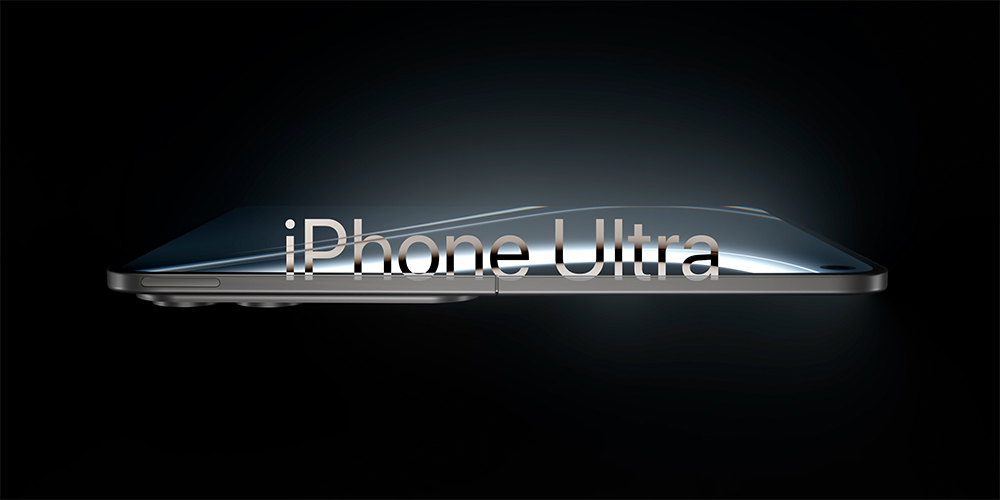
1. Design: book-style folding, titanium metal without creases
Unlike most folding phones on the market, the expanded screen of the iPhone Ultra will present a unique ratio of “wider than it is tall.” It looks like two pieces of iPhone Air stacked on top of each other. When folded, it is thinner and lighter than an ordinary iPhone.
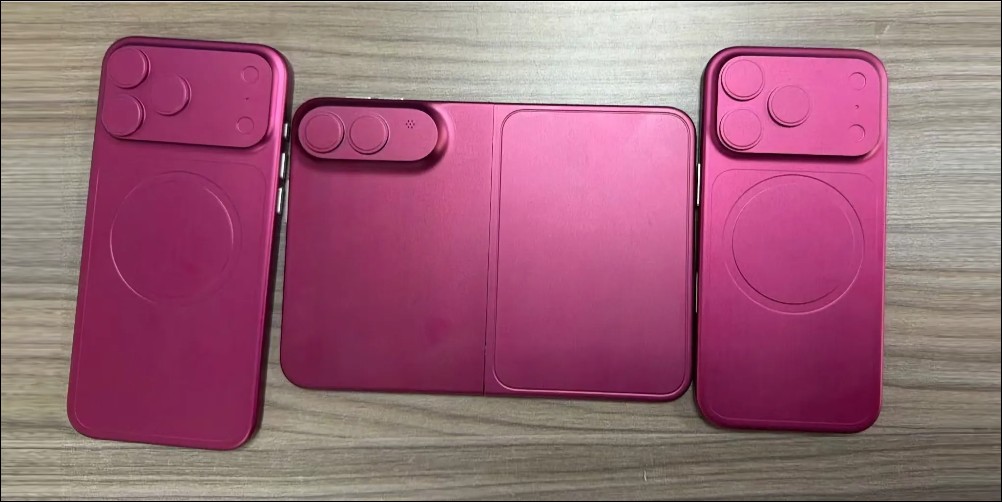
According to Bloomberg’s Mark Gurmanreport, Apple engineers believe they have solved two long-standing shortcomings of foldable phones: screen quality and overall durability. Apple supply chain analyst Ming-Chi Kuo pointed out that the iPhone Ultra will be equipped with an almost “crease-free” inner screen.
Analysis points out that the body will use the same titanium frame design as the iPhone Air series, and feature a crease-free inner screen: This is a considerable breakthrough for folding mobile phones. Currently, only OPPO Find N6 is closest to this level in the industry. The news pointed out that Apple will only provide black and white color options.
2. Screen: Dual screen configuration, size specifications exposed
iPhone Ultra will have two screens:
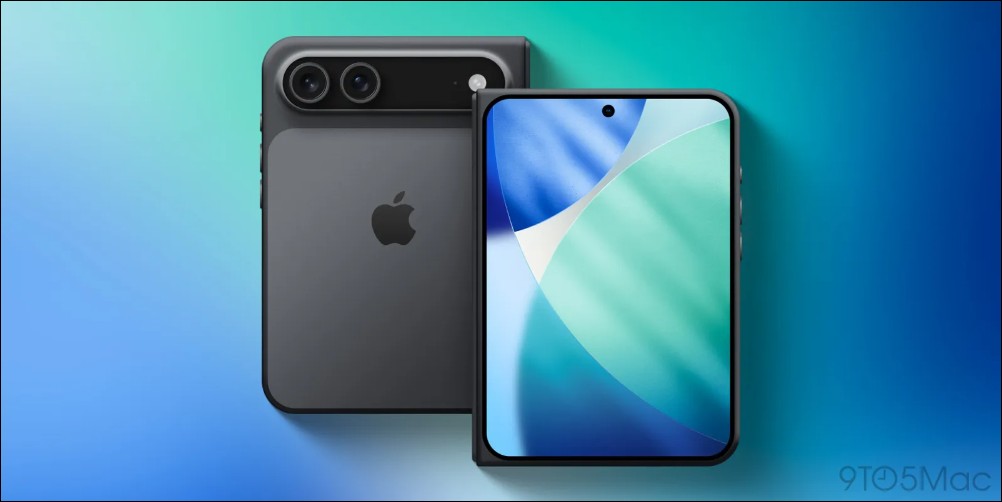
- external screen: 5.3 to 5.5 inches, wider than the average iPhone, and close in size to the discontinued iPhone mini series
- inner screen: 7.6 to 7.8 inches, it looks like an iPad mini when unfolded

Analysis points out that the expanded 7.7-inch large screen will provide an excellent experience for watching videos, games, and multitasking (side-by-side applications). iPhone Ultra adopts a unique “passport” design, and its unfolded width ratio is completely different from other folding phones on the market.
3. Camera: Dual rear lens, dual front lens
iPhone Ultra will be equipped with two rear lenses:
- 48-megapixel main lens
- 48-megapixel ultra-wide-angle lens
It’s worth noting that the Ultra version won’t offer a telephoto lens, meaning users who choose the Ultra will sacrifice optical zoom capabilities[1]. In addition, due to the dual-screen design, iPhone Ultra will be equipped with a front lens on each of the inner and outer screens. It is expected to use the same 18-megapixel Center Stage camera as the iPhone 17 with a hole-punch design.
4. Software: iOS 27 multitasking function
According to a report by Bloomberg’s Mark Gurman, iOS 27 will bring exclusive software features to iPhone Ultra:
- side-by-side apps: Can open two applications at the same time
- iPad style interface layout: Enjoy a tablet-like usability experience in the folded state
However, Gurman also emphasized that iPhone Ultra will not run full iPadOS and will not have true windowing capabilities.
5. Chip: A20 Pro with self-developed C2 data chip
iPhone Ultra will use the new A20 Pro chip, using an advanced 2nm process and introducing WMCM (wafer-level multi-chip module) technology to improve efficiency[1]. The memory will be upgraded to 12GB RAM and equipped with faster LPDDR5.
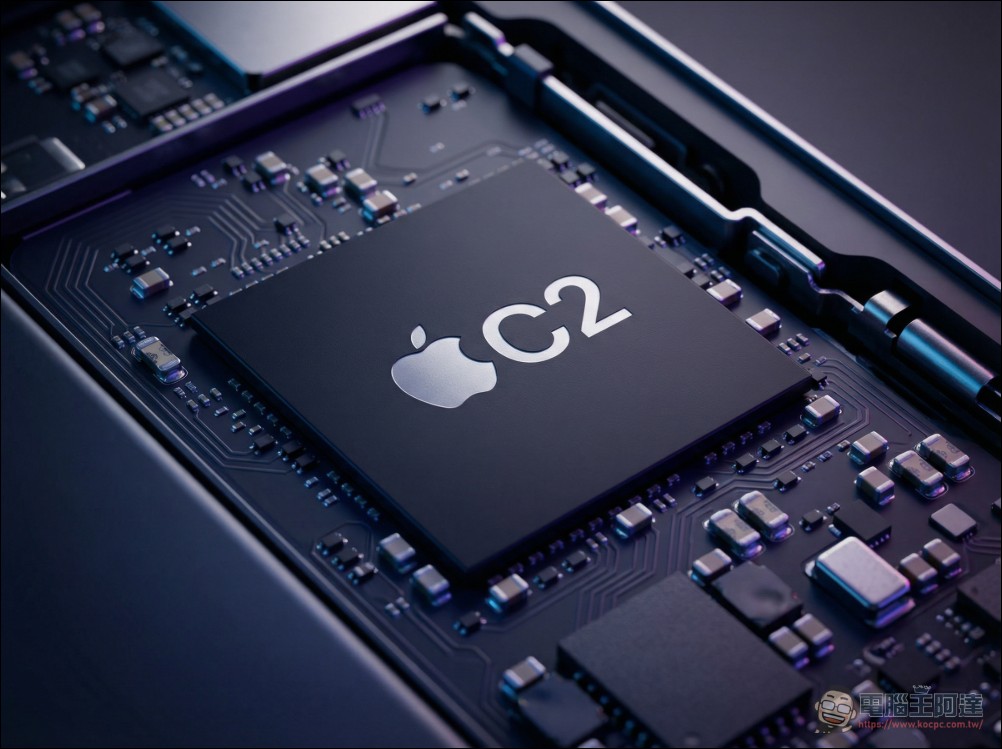
In addition, iPhone Ultra will be the first model to use Apple’s self-developed C2 mobile data chip, fully replacing Qualcomm’s 5G data chip, bringing better power consumption performance[1]。
6. Unlocking method: Power button Touch ID returns
Surprisingly, Apple’s highest-end model, known as “Ultra”, will not be equipped with Face ID. Instead, Apple brought Touch ID back and integrated it into the side power button: the same design as iPad Air and iPad mini.
Analysis pointed out that because the iPhone Ultra body is too thin, Apple cannot fit the two sets of modules required for Face ID (one for the inner and outer screens) at the same time.
Price prediction: The most expensive iPhone will start at $1,999
Regarding the price, analysts have different opinions, but most expect the starting price of the 256GB version to be around US$1,999 (approximately NT$65,000). Macworld’s analysis points out that the price range may fall between US$1,999 and US$2,399 (approximately NT$65,000 to NT$78,000). Although the price is high, Apple obviously hopes to make the price reasonable by combining the dual positioning of iPhone and iPad. However, considering that Samsung’s foldable mobile phone costs more than NT$60,000, the iPhone Ultra is not too expensive.
point of view
The launch of iPhone Ultra not only represents Apple’s official entry into the foldable mobile phone market, but also the latest demonstration of the vertical integration of Apple’s Silicon ecosystem—from processors to data chips. However, the decision to remove Face ID and switch to Touch ID may disappoint some consumers, especially in the post-epidemic era, where the convenience of Face ID has become deeply rooted in people’s hearts.
The foldable mobile phone market is currently dominated by brands such as Samsung and Google. If Apple enters the market at this time, it is worth watching whether it can be the first to take advantage of its strong ecosystem and brand appeal. In addition, looking back over the past many years, the prediction that “the foldable iPhone will come next year” has never come true. I suggest that unless you see Cook announcing it at the press conference that day, just listen to all iPhone Ultra rumors as anecdotes (although the news I personally heard is that there is definitely this new machine…).
Source: KOCPC Chinese