


Japan, where the problem of declining birthrate is becoming increasingly serious, has officially launched a controversial new policy measure since April 2026: “Children and Childcare Support Fund” (子ども・Children’s Support Fund). This policy, nicknamed “single tax” (single tax) by many single netizens, requires all citizens participating in Japan’s public medical insurance, regardless of whether they have children or not, regardless of their age, to pay a monthly fee to support expanded childcare subsidies and countermeasures against the declining birthrate. Less than a day after the policy was launched, it sparked fierce debate on Japanese social platforms. Some single netizens said helplessly: “My life is already stressful enough, and I have to pay to help others raise their children.” However, some supporters believe that “the children who are being subsidized now will be the main contributors to annuities in the future. This is a mutual aid mechanism for the entire society.”

What is “Child and Parenting Support Fund”?
This new system is a financing mechanism launched by the Japanese government to cope with the worsening birthrate crisis. According to the plan of the Ministry of Children and Families of the Japanese government, the support fund will be levied together with the public medical insurance premiums, rather than levying a new tax independently.
【話題】4月に「独身税」開始、1人あたりの徴収料は?https://t.co/r2tc12gY8e
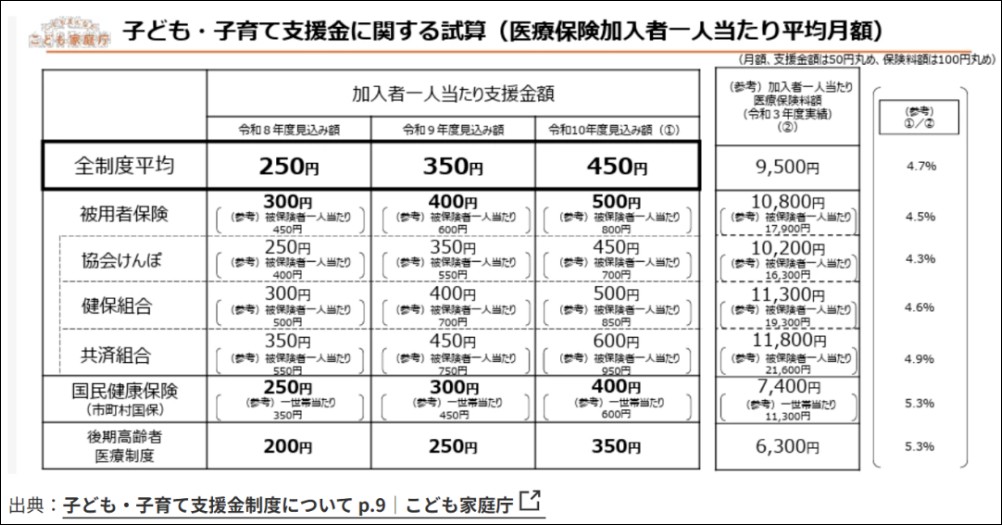
「独身税」は通称で、厳密には支援金となる。医療保険加入者が支払いの対象だが、支援対象は子育て世帯に限られるため「税」との声が上がった。負担額は状況によって異なるが、月額250円~1600円程度の見込みだという。 pic.twitter.com/lJYlL9IiAu
— ライブドアニュース (@livedoornews) January 5, 2026
The specific payment standards are as follows:
- 2026: Average monthly payment per person About 250 yen(about NT$53)
- From 2028: Increased to per person per month About 450 yen(about NT$96)
It should be noted thatThe higher your income, the more you pay, this fee is calculated based on the income ratio. For office workers, half of the cost is borne by the individual and half by the company. In addition, if you join the “employee health insurance” (company employee insurance), the average monthly cost per person is about 500 yen(approximately NT$106), which is slightly different from the calculation basis of National Health Insurance.
After paying the money, how much subsidy can the child get?
The support funds collected will be mainly used to expand childcare-related subsidies, including child allowances, childbirth cost subsidies, childcare services, childcare leave allowances, etc. The specific subsidy amount is:
| age stage | Monthly subsidy amount | Converted to approximately Taiwan Dollar |
|---|---|---|
| 0 to 3 years old | About 15,000 yen | About NT$3,200 |
| 3 years old to high school graduation | About 10,000 yen | About NT$2,130 |
According to calculations, from birth to high school graduation (about 18 years old) for a child, the total amount of major cash subsidies from the Japanese government and local governments (mainly children’s handouts) is about 2.30 to 2.45 million yen (standard situation for the first or second child), which is about NT$480,000.
Supporting measures are implemented simultaneously
In addition to child support funds, the Japanese government also implemented a series of supporting policies on the same day to reduce the burden on parenting families:
- Private high school tuition is essentially free
The upper limit of the Japanese government’s “Higher Education Support Fund” has been significantly increased from the original system that fluctuated based on family income. 457,200 yen(approximately NT$97,300), making the tuition fees for private high school students essentially zero, and there is no longer an income threshold. However, international students are excluded from the scope of subsidies. - Lunch fee subsidy for public elementary schools
Regardless of family income, the government provides monthly direct subsidies 5,200 yenSchool lunch fees (approximately NT$1,100) are allocated from the central government to local governments, which then reduce the fees charged to parents. - “1.3 million yen barrier” relaxed
In order to solve the problem of some workers deliberately reducing their working hours because they are worried that their spousal support qualifications will be revoked, the government has relaxed the calculation method of the “1.3 million yen barrier”: overtime pay is no longer included in the calculation of annual income, so that office workers will not lose their support qualifications even if they temporarily exceed the threshold due to overtime work during peak seasons.
Focus of controversy: The label of “single tax” cannot be shaken off
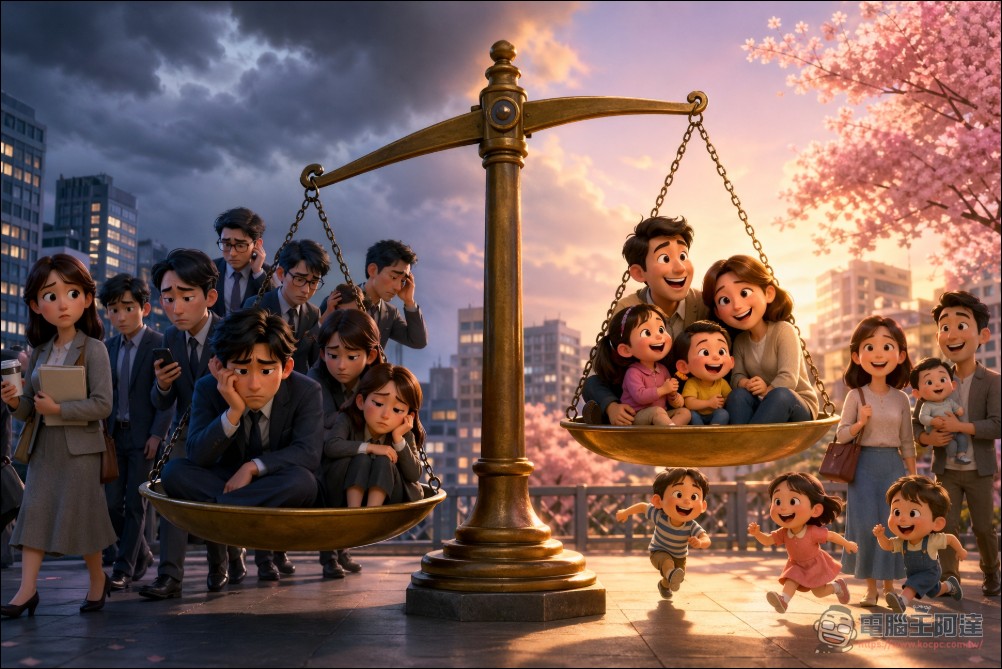
Although the policy has good intentions, the backlash from society cannot be underestimated. On Japan’s social platform
Opponents mainly question:
- fairness issues: Singles and DINKs without children must pay for benefits that do not belong to them.
- Increased burden of life: Japan’s prices are rising and wages are slowing down. More expenses means more pressure.
- Increase year by year: From 250 yen to 450 yen, an increase of up to 80%, the policy may become a bottomless pit.
- All must be levied without distinction: Even if there are children at home, they still have to pay this amount, which makes many parents unhappy.
だ〜か〜ら〜。なんで独身税を子供がいる家庭からも取るんだよ! pic.twitter.com/KNcjRc7r94
— のびた (@8mXJvt4ZidmemYc) April 17, 2026
How serious is Japan’s declining birth rate?
Data released by the Japanese Ministry of Health, Labor and Welfare at the end of 2025 show that the number of newborns in Japan in 2025 fell below 700,000 people, hitting a new low since statistics began in 1899. The total fertility rate (the number of births per woman in her lifetime) has dropped to 1.14, well below the 2.07 that maintains population stability.
In the past ten years, the Japanese government has launched a number of measures to encourage childbirth, including a one-time “maternity lump sum” (childbirth subsidy of about 500,000 yen), raising childcare leave allowance to 67% of salary, etc., but the effects have been limited. The “universal payment, universal benefit” model launched this time is to some extent a social experiment in Japan under the crisis of declining birthrate.
Conclusion: A social experiment where everyone pays the bill
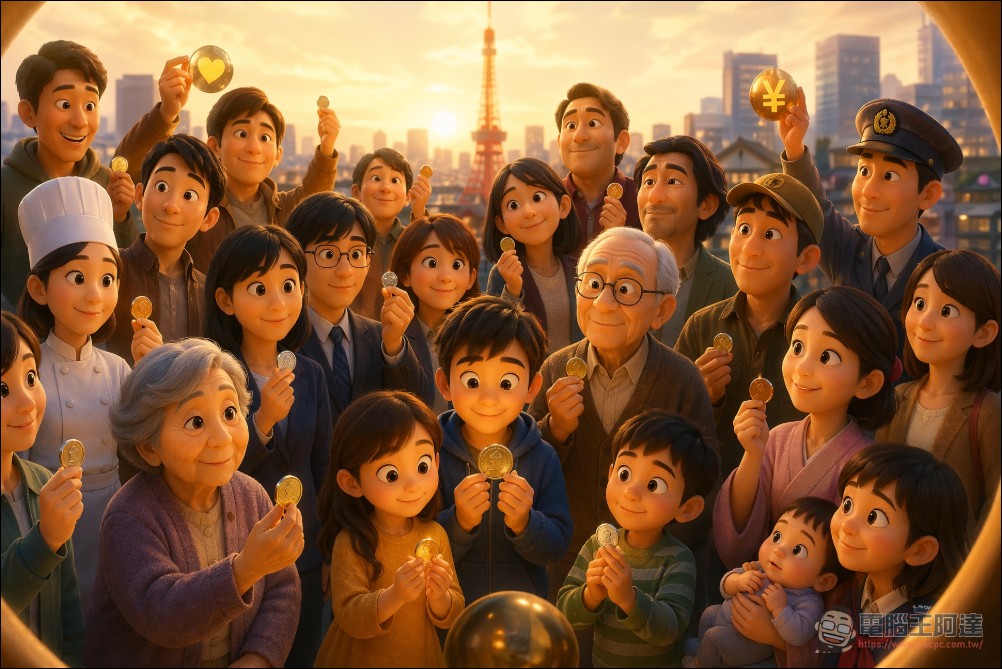
Japan’s “Children and Parenting Support Fund” is a typical reform of the social welfare system: it has good intentions and reasonable logic, but it is difficult to avoid fairness disputes at the implementation level. From a certain perspective, this is not a real “single tax”, but a measure to force the whole society to share the costs after treating the declining birth rate as a national security issue. But for Taiwan, which is also facing the threat of low birthrate; its fertility rate is even lower than that of Japan. Japan’s experiment deserves close attention. If the “universal child-raising” measure were implemented in Taiwan, would you be willing to pay more every month in addition to taxes and labor and health insurance to stimulate fertility?
Source: KOCPC Chinese