


With the Pixel 11 series about to be officially unveiled in August and new models appearing on the FCC certification list, Google’s hardware update rhythm seems to be business as usual. However, this year’s smartphone market is facing a deeper structural problem: global memory supply is tight, and this memory shortage driven by the AI industry is gradually passing on cost pressure to consumer electronics.
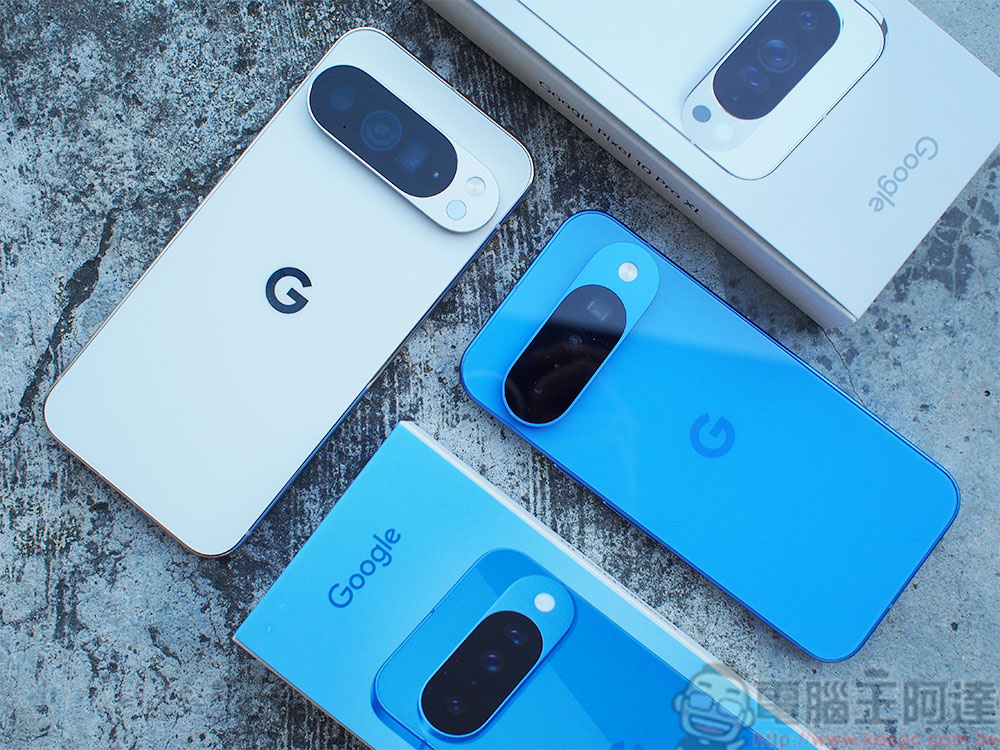
Google confirms price increase for all Pixel phones including upcoming flagships
Shakir Barkat, vice president of devices and services at Google, was interviewed by foreign media 9to5Google During the interview, he admitted that the soaring memory prices and supply chain fluctuations have become global problems, and Google cannot stay out of it. Although the company has worked hard in the past to absorb costs and avoid directly affecting terminal selling prices, he bluntly said: “The economic situation has fundamentally changed and we can no longer fully protect consumers.”
Citing research from Morgan Stanley, Barkat noted that the cost of 1GB of memory has soared from $2.80 last year to $12 in 2026, a staggering increase. This level of cost pressure is difficult to ignore for any device that requires a lot of RAM.
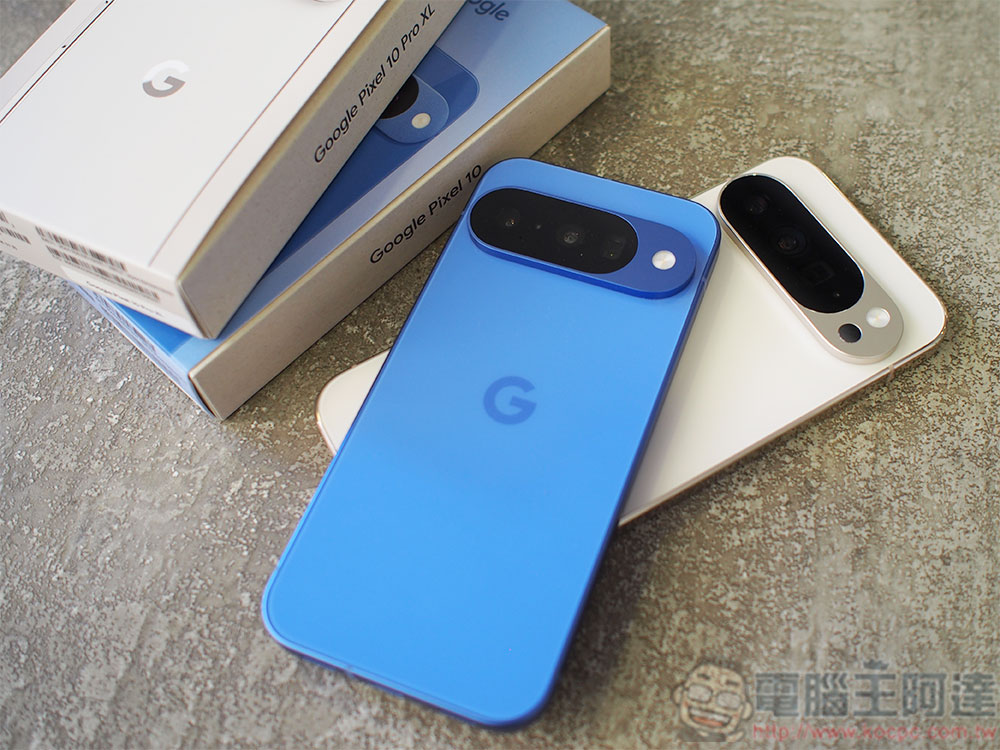
Therefore, Google has confirmed that all Pixel devices, including the more entry-level Pixel 10a, will adjust their prices. Specific details will be announced at the Pixel 11 launch event on August 12, but current reliable news shows that the price of the entry-level Pixel may be about $100 higher than the previous generation, and the RAM will be revised down from 16GB to 12GB. Google has tried to compensate with more storage, such as increasing the base capacity to 256GB instead of the past 128GB, but whether this balances out with consumers remains to be seen.
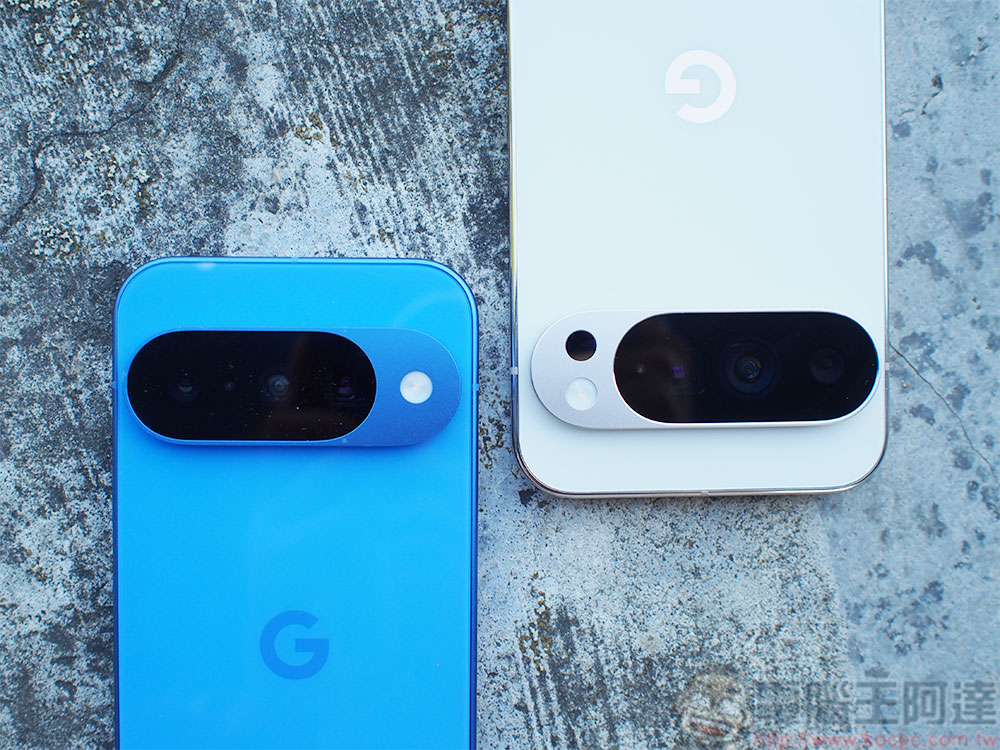
It’s worth noting that Google isn’t just passively accepting rising costs. Barkat emphasized that the company is investing in “active research and development” to reduce the dependence of the Android system and application ecosystem on memory, with the goal of maintaining a smooth experience even with reduced RAM capacity. In other words, Google wants to offset the pressure of hardware costs through software-level optimization. This is also a common strategy of the Android camp in recent years when facing the surge in AI memory demand.
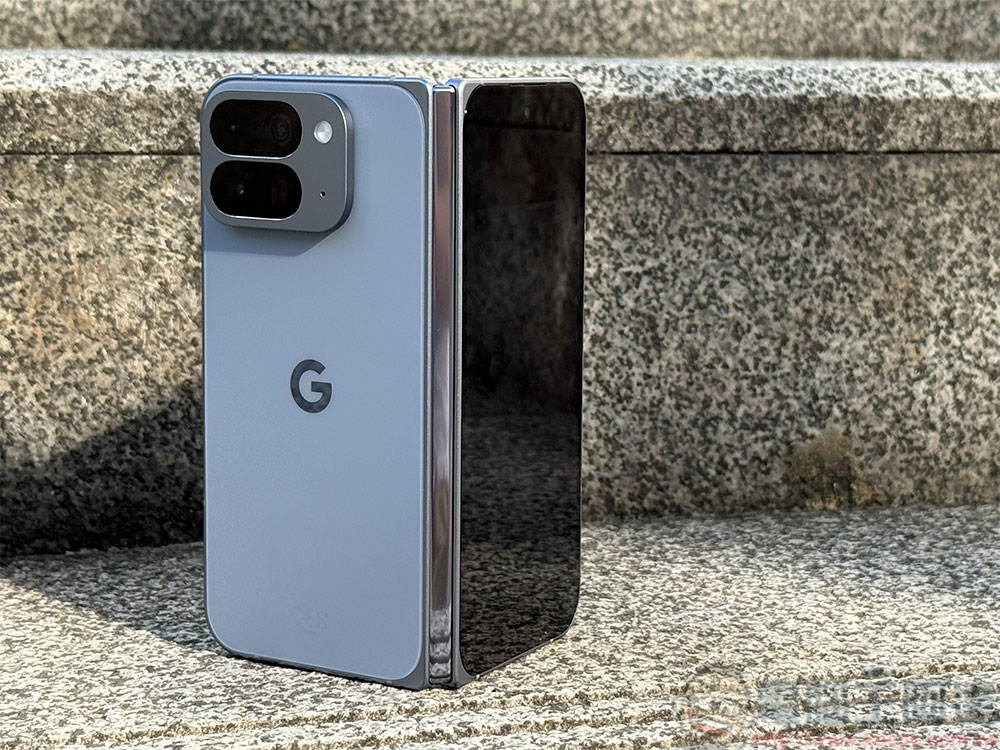
The specific content of these engineering efforts has not yet been disclosed, and the final pricing of the Pixel 11 series has not yet been announced, but what is certain is that the memory shortage has become a core issue in the smartphone industry in 2026, and the Pixel 11 series will be the first products affected by this change. In the coming weeks, we’ll see how Google strikes a new balance between cost, specs, and user experience.
Source: KOCPC Chinese