


When planning the installation location of the projector, the factor that is most easily overlooked but has the greatest influence on the viewing quality is the “viewing distance”. The 4/6/8 rule commonly used in the audio and video industry is designed to help users quickly find the most suitable viewing distance based on screen size and content type. The core concept of this set of rules is simple: different content requires different levels of detail recognition, so the viewing distance should be adjusted according to a multiple of the vertical height of the screen.
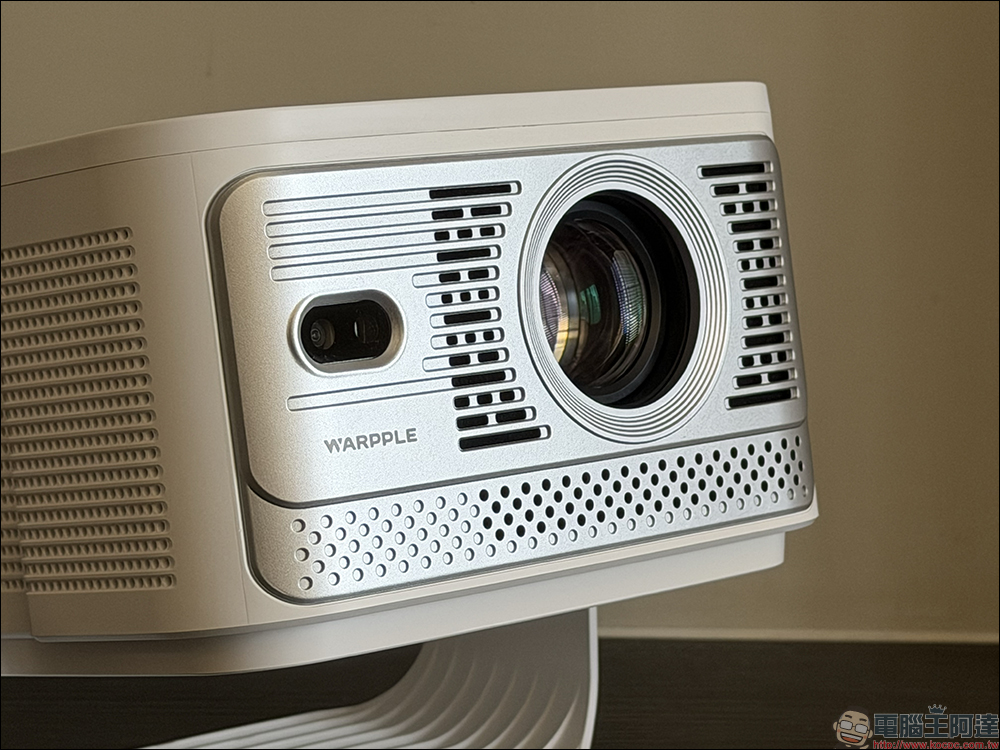
What is the 4/6/8 rule for projectors?
Not all projected content is suitable for the same distance. The 4/6/8 rule divides viewing situations into three types: analytical, basic and passive, and determines the upper limit of distance. Ignoring these differences may cause the projector to be placed in a position that seems reasonable but is actually inappropriate, making it difficult to discern picture details or reducing the viewing experience.
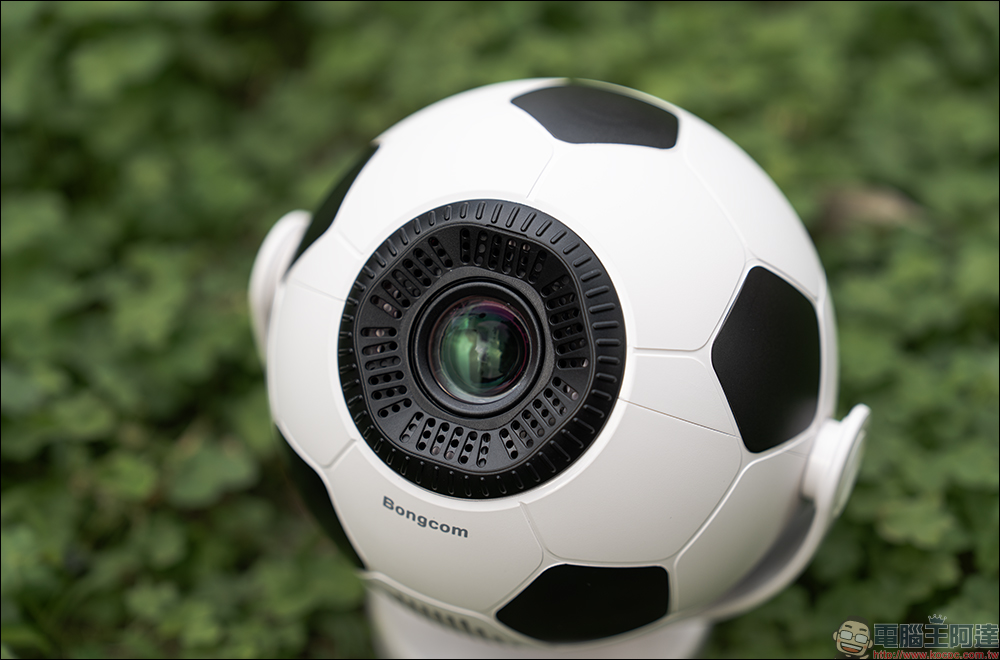
The first is analytical viewing. This type of content often contains a lot of detail, such as fine print, numbers, charts, drawings, fact sheets, or detailed imagery. To ensure that viewers can clearly discern all information, it is recommended that the viewing distance be within 4 times the vertical height of the screen. Once the distance is too far, details will begin to blur, affecting interpretation and operation. Simply put, the more complex and information-rich the content, the closer the audience must sit.
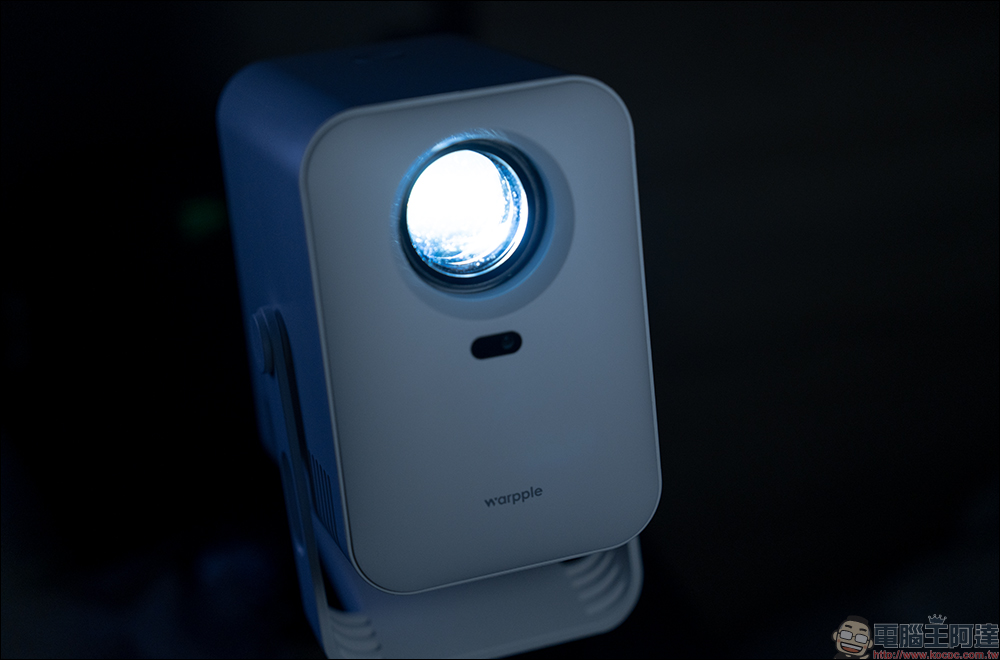
The second category is basic viewing. In this situation, the audience only needs to understand the main information in the picture without having to examine the details word by word, line by line, such as a general presentation, classroom handouts, simple diagrams, or headline-like content. At this time, the viewing distance can be expanded to 6 times the vertical height of the screen. This distance keeps the information clear without making the audience feel oppressed.
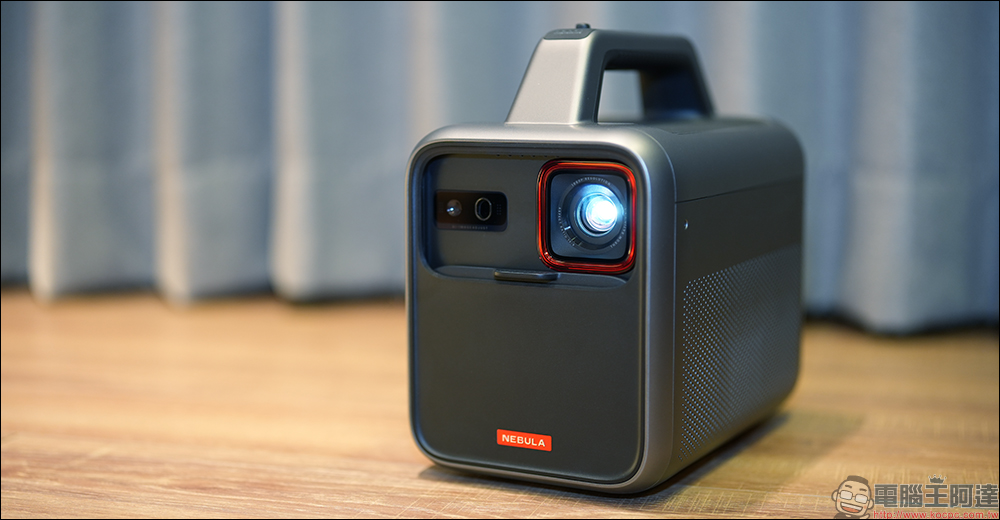
Finally, there is passive viewing, which is the situation encountered in most home theater and entertainment situations, including watching movies, watching TV series, playing games, appreciating photos, or general video playback. Since this type of content does not require precise identification of details, the viewing distance can be extended to 8 times the vertical height of the screen. This is also the viewing distance that most people are accustomed to, which is both comfortable and immersive.
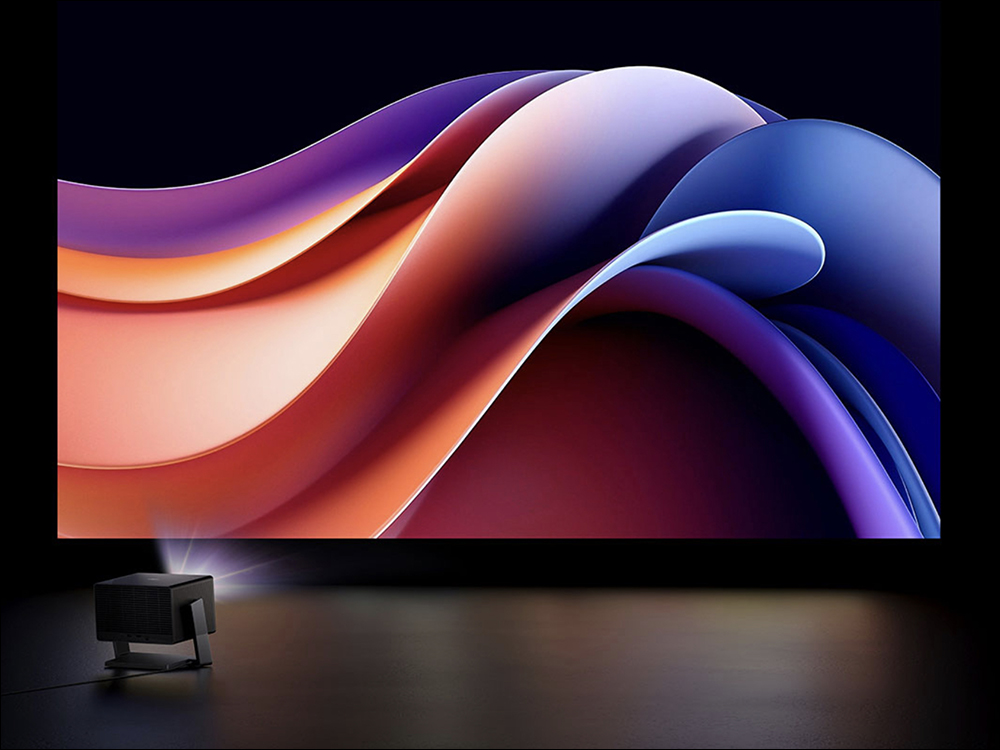
However, the needs of some spaces are not uniform. For example, classrooms, conference rooms, or multi-purpose spaces may require both analytical and passive viewing. Students may be looking at detailed mathematical diagrams one day and watching videos or presentations tomorrow. Faced with this compound demand, the 4/6/8 rule recommends using 6 times the screen height as a compromise distance. This distance not only satisfies basic viewing, but also allows analytical content to remain readable; during passive viewing, even if the distance is slightly shorter than eight times, it will not cause visual burden.
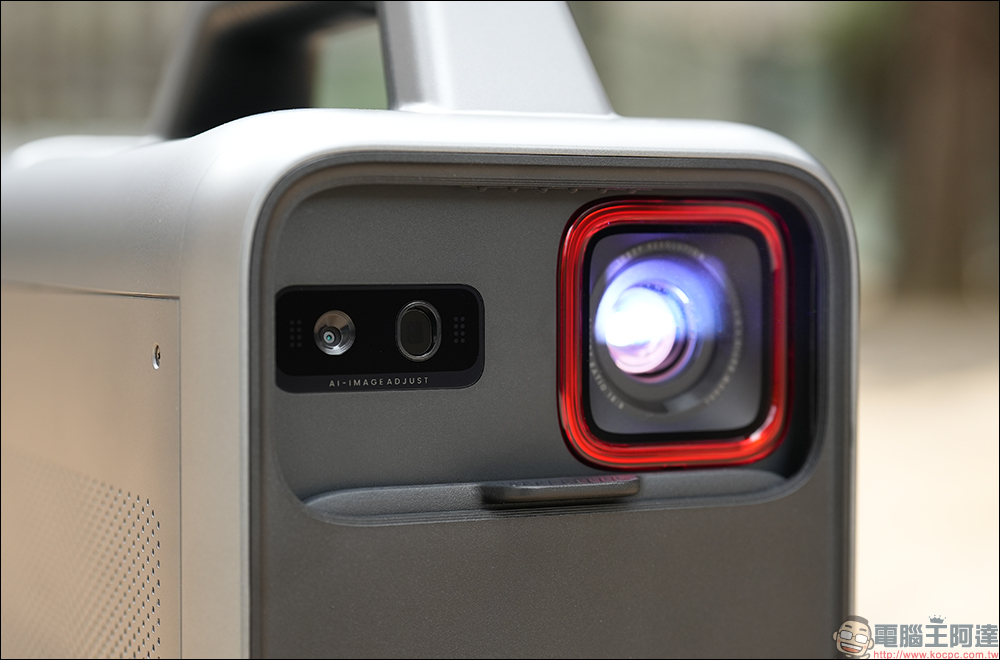
If you are building a home theater, this rule can also be used in reverse: first determine the viewing distance you want (or the distance that the space can accommodate), and then choose the appropriate screen size according to the 4/6/8 rule. This can avoid the screen being too large or too small, resulting in uncomfortable images or insufficient detail.
No matter which method you use, you must remember one thing: No matter how good the projector is, no matter how high the brightness and resolution are, it cannot make up for an inappropriate viewing distance. If the distance is set incorrectly, the picture will lose its effect no matter how clear it is; if the distance is set correctly, the projector can truly perform.
Source: KOCPC Chinese