


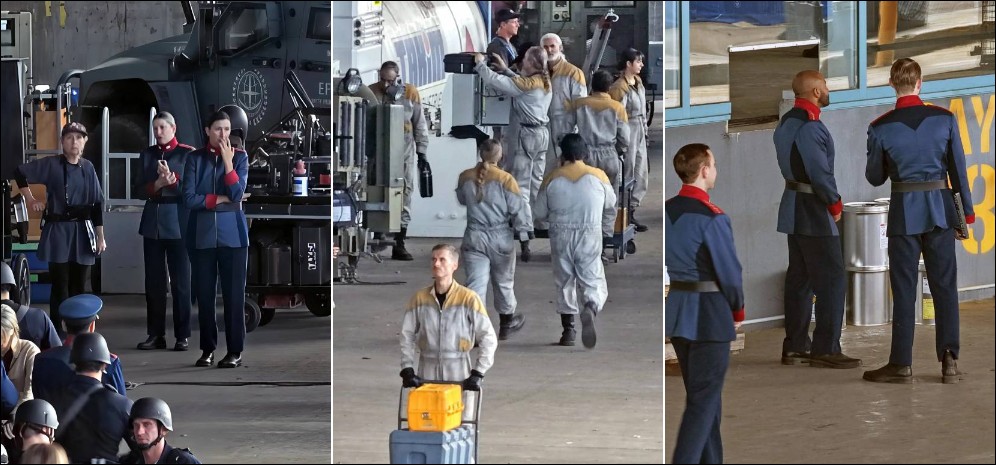
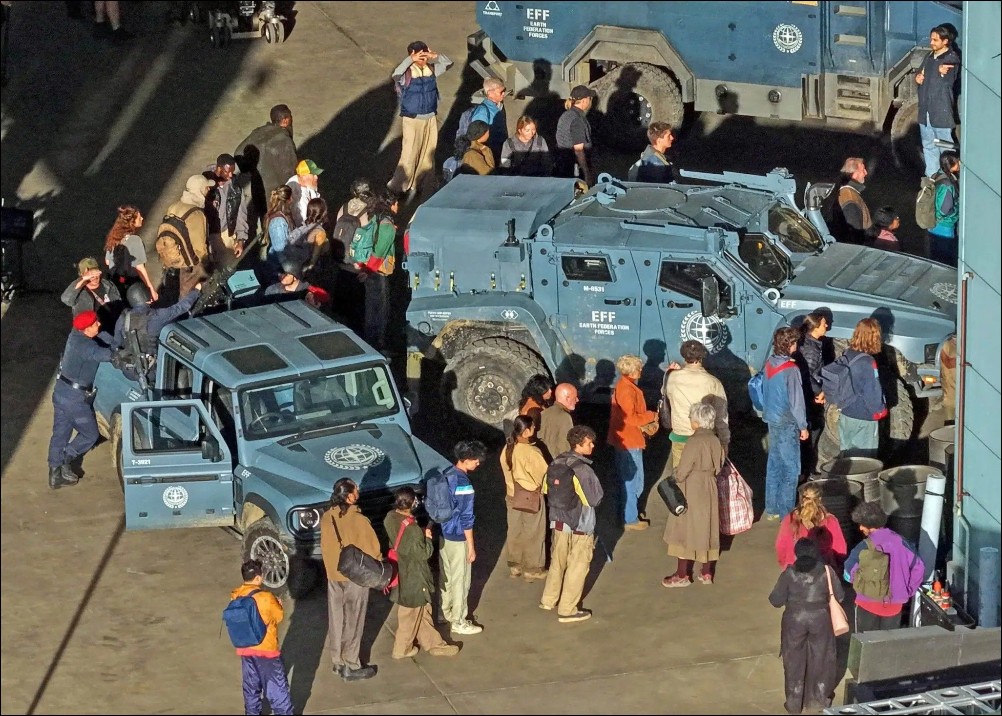
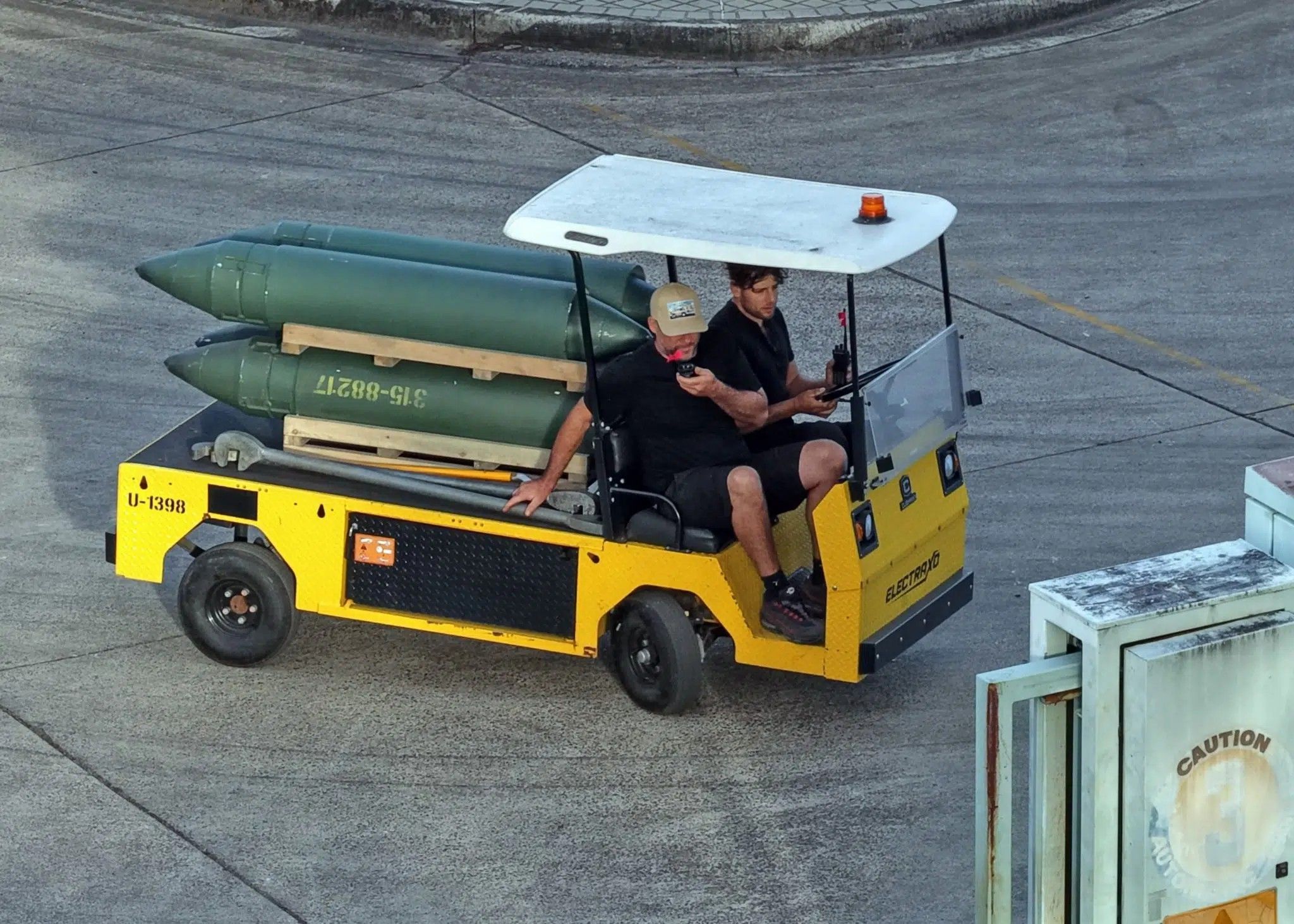
Netflix and Legendary Pictures, in collaboration with Bandai Namco Pictures, have officially wrapped filming for the first-ever live-action Mobile Suit Gundam film, with principal photography completed in Australia on July 21. This marks the first time the Gundam franchise, which debuted in 1979, will hit the big screen as a major live-action production, with a projected Netflix release in 2027. Following the production wrap announcement, the first batch of behind-the-scenes set photos surfaced online, revealing vehicles and uniforms bearing what appear to be the insignias of the Earth Federation Forces and the Principality of Zeon. The meticulous craftsmanship of the costumes and props has sparked widespread discussion, fueling anticipation among Gundam fans worldwide for this long-gestating live-action adaptation.
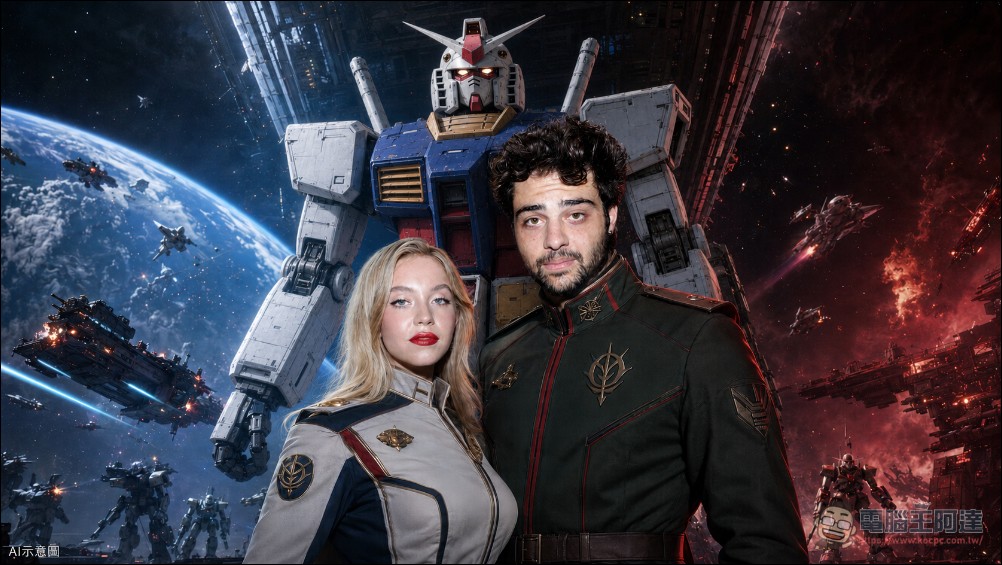
Cast lineup: Sydney Sweeney and Noah Centineo lead the cast.
This film is headlined by Sydney Sweeney and Noah Centineo, both of whom have generated massive buzz in recent years. Sweeney rose to fame through the HBO series *Euphoria* and later showcased her comedic chops in *Anyone But You*, establishing herself as one of Hollywood’s most in-demand young actresses today. Centineo is well known to audiences for *Black Adam* and the upcoming *Street Fighter* film adaptation.
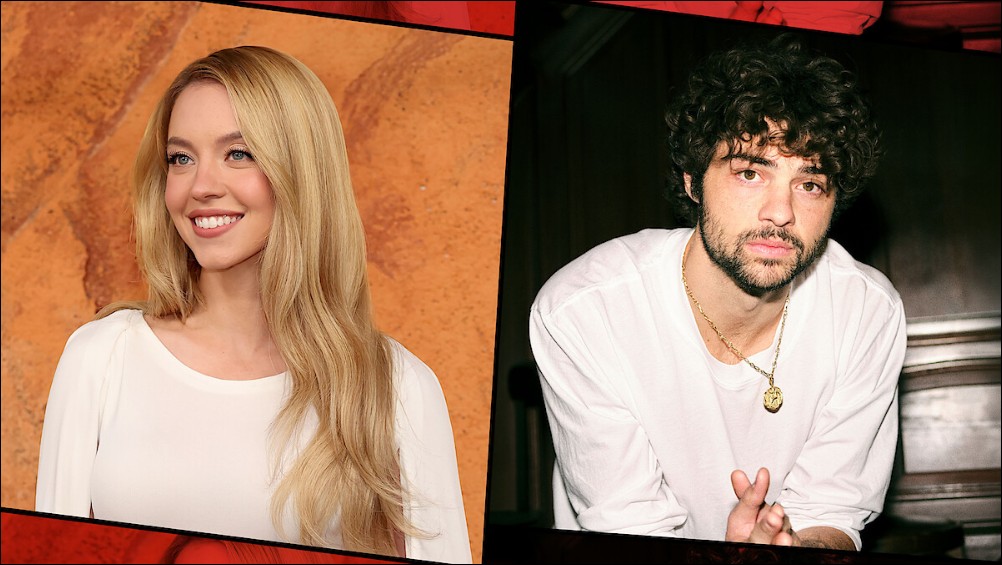
The two play mecha pilots on opposing sides, with the studio describing them as a pair of “star-crossed rivals.” Beyond the two leads, the cast also includes Kutsuna Shiori, Nonso Anozie, Michael Mando, Javon Walton, and several other actors. The film is written and directed by Jim Mickle. Mickle is the creator of the Netflix original series *Sweet Tooth*, with extensive experience in building fantasy worlds, developing characters, and crafting narratives. *Sweet Tooth* was also adapted from a comic book, and Mickle’s track record of translating fictional worlds into live-action is widely seen as a key reason he was tapped for the *Gundam* live-action film. Additionally, the third season of *Sweet Tooth* was also shot in Australia, so Mickle is already quite familiar with the local production environment and resources.
Story background: The interstellar war between Earth and space colonies.
According to the official description, the film is set against a decades-long war between Earth and space colonies, and follows the rivalry and conflict between two mecha pilots on opposing sides. As loyalties waver and threats escalate, they are drawn into a high-stakes race across the stars—one that could determine the ultimate fate of humanity.
Judging from leaked behind-the-scenes set photos, the costumes and props feature the insignias of the Earth Federation Forces and the Principality of Zeon, leading to widespread speculation that the story will revolve around the classic “One Year War” from the original Mobile Suit Gundam. However, there are also reports that the film takes an entirely new original story route, set against the backdrop of the One Year War, without directly adapting previous works.
This strategy is quite reasonable. Directly adapting the original anime’s storyline would be too high a barrier for non-anime viewers, but choosing the One Year War as the stage—the most iconic setting—can also satisfy veteran fans’ nostalgia. An entirely new original story means viewers don’t need to catch up on hundreds of episodes to follow the plot, while still preserving the core conflict of the Gundam universe: the opposition between Earth residents and space colonists.
Filming Process and Scale
The film officially began production in Queensland, Australia, in April 2026, using “Teardrop” as its working title during the shoot. Primary filming locations included the Village Roadshow Studios on the Gold Coast, with exterior shoots completed in Brisbane and Toowoomba.
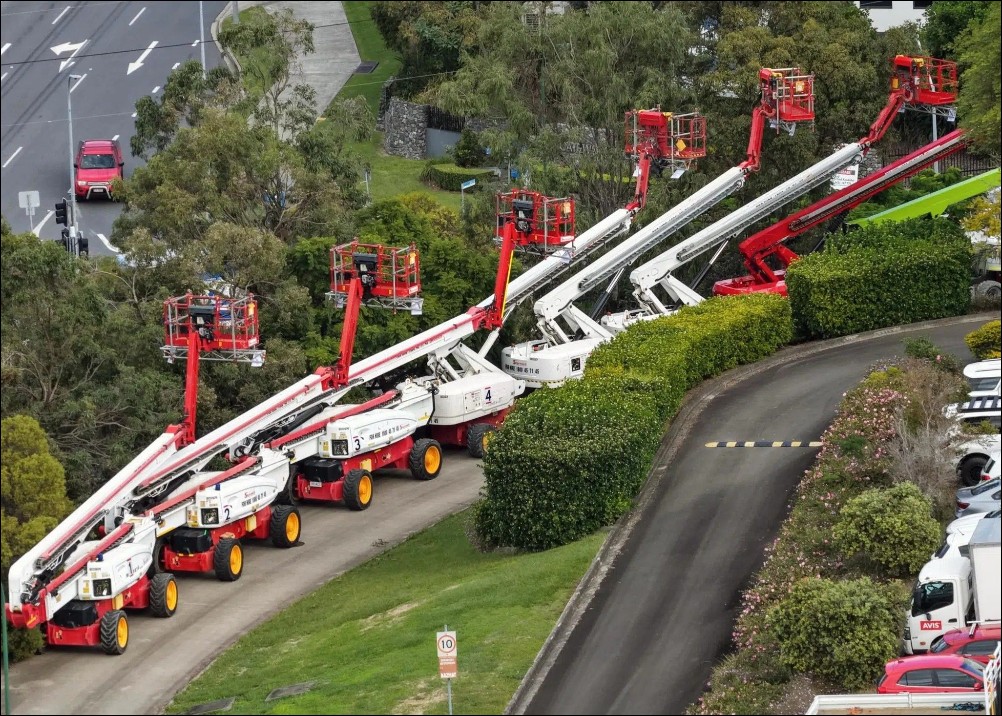
Village Roadshow Studios is one of the largest integrated film and television bases in the Southern Hemisphere, having previously hosted Hollywood blockbusters such as Aquaman and The Greatest Showman. The Gundam live-action film chose to shoot there not only because the venue’s scale is large enough to accommodate the construction needs of massive mecha scenes, but also due to the substantial film and television production tax rebate scheme offered by the Australian government.
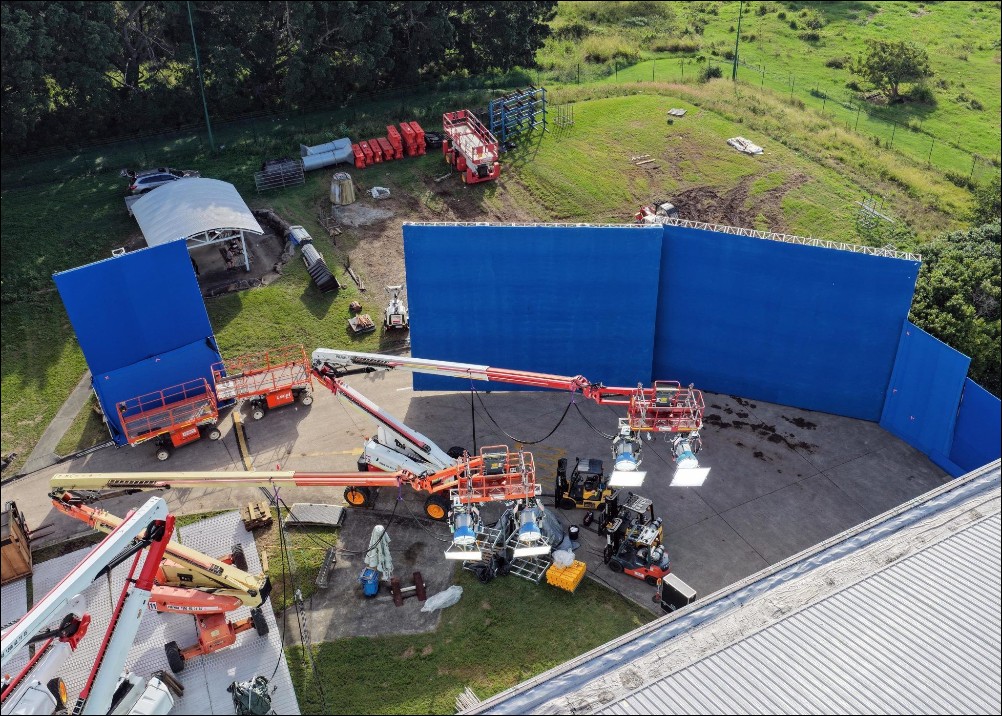
In recent years, Australia has become a popular filming destination for major Hollywood productions, from the *Thor* series to *Godzilla vs. Kong*, all of which have shot on location there. Queensland’s tax incentives, well-equipped studio facilities, and diverse natural landscapes make it an ideal choice for sci-fi blockbusters.
Challenges and Expectations of Live-Action Adaptations of Anime and Manga IPs
The Gundam franchise, since its creation by Yoshiyuki Tomino in 1979, has grown into a vast empire spanning animation, manga, model kits, and video games. Gundam model kits (Gunpla) have sold over 700 million units worldwide, with the franchise generating over 100 billion yen in value. However, bringing the iconic 18-meter-tall Mobile Suits to the big screen in live-action has always been recognized as a formidable challenge in the industry. Previously, Netflix also adapted Gundam-related content with “Mobile Suit Gundam: Requiem for Vengeance,” which received quite positive reviews—though that was a CG film. This time, it marks the first attempt at a live-action movie.
Netflix has had both successes and failures in live-action adaptations of anime IP in recent years. The live-action One Piece series received positive reviews, and a second season is already in production; but there was also the lesson of Cowboy Bebop, whose live-action version was canceled after just one season. How to strike a balance between staying true to the spirit of the original and attracting new audiences will be the key to the success or failure of this Gundam live-action film.
Source: KOCPC Chinese