


Do you often not know how to frame your photos when taking photos? Or does every photo just feel like taking pictures here and there, without a deep story? In fact, the biggest problem lies in the composition of the photo! This time I want to share a few composition techniques that are often used in photography, which are very applicable even to novice photographers!
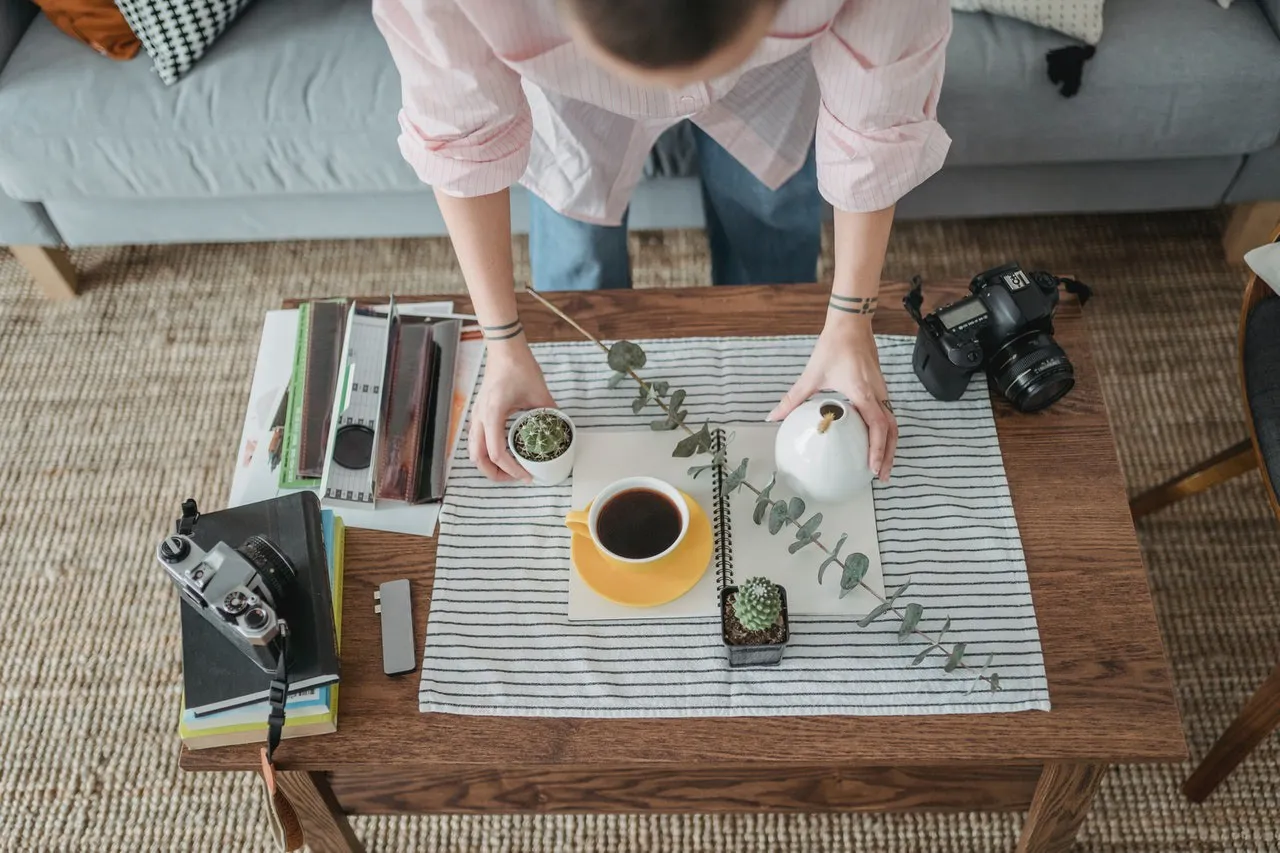
▲ Figure 1: Practical composition method/from Pexels
If you think the content of the article is helpful to you, thenSubscribe to my contentBar! It’s free! When I publish a new article, it will be pushed to your inbox immediately. This is the easiest and most convenient way to encourage me!
How to highlight the subject when taking photos?
As mentioned before, the main reason why each photo lacks bright spots is the composition. Below we will introduce some commonly used composition methods in the photography circle, so that you can more easily highlight the subject.
Before introducing it, I would like to share a concept with you. Beautiful photos must have these elements:
- Have a clear subject
- Bright and appropriate light source
- Use correct composition
- Remove unnecessary distractions
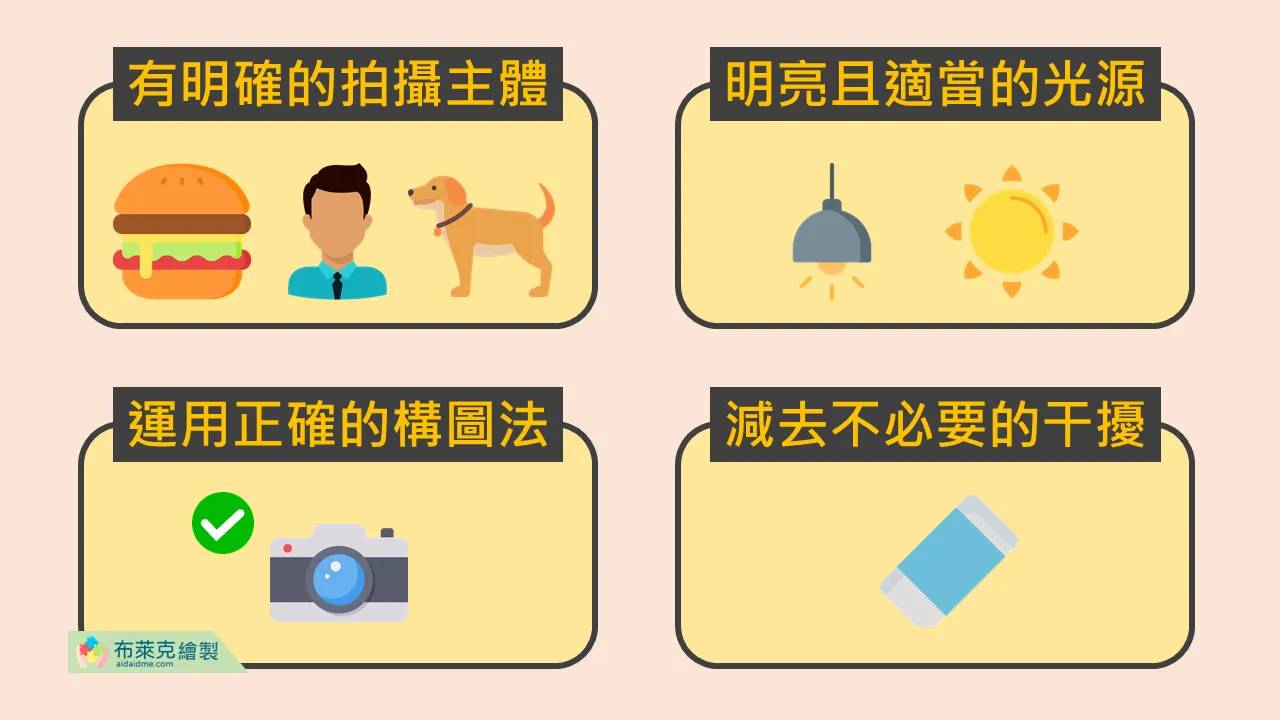
▲ Figure 2: Elements of a good photo
Nine-square grid composition method
The nine-square grid composition method is probably the most commonly used composition technique by photographers. The concept is to divide the picture into nine grids, and then place the subject in the picture at the intersection point. Take a look at the example in the picture below. The editor used this composition method when visiting the Kinkakuji Temple in Kyoto.
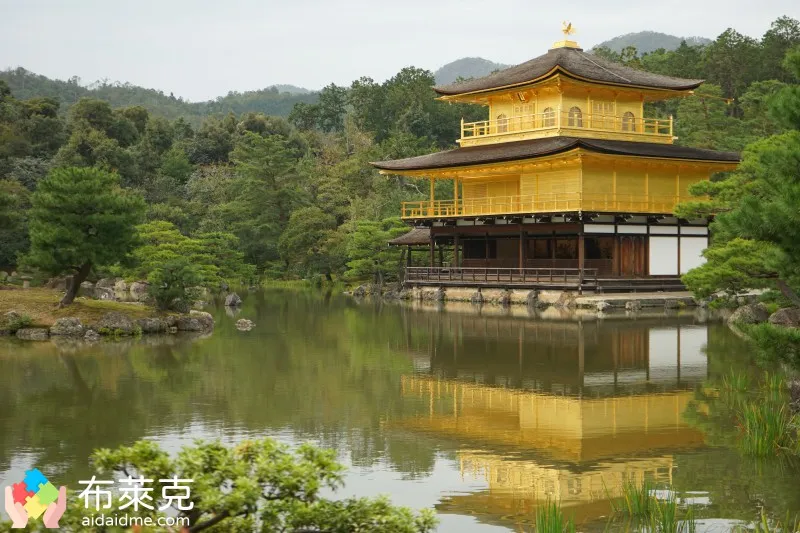
▲ Picture 3: Nine-square grid composition method/photographed at Kinkakuji Temple in Kyoto
Of course, it doesn’t matter if you have to hit 2 or more intersection points at the same time. The key point is to try to keep a little distance between the subject and the border of the picture. As long as the difference is not too big, it will be beautiful. Let’s look at some practical examples.
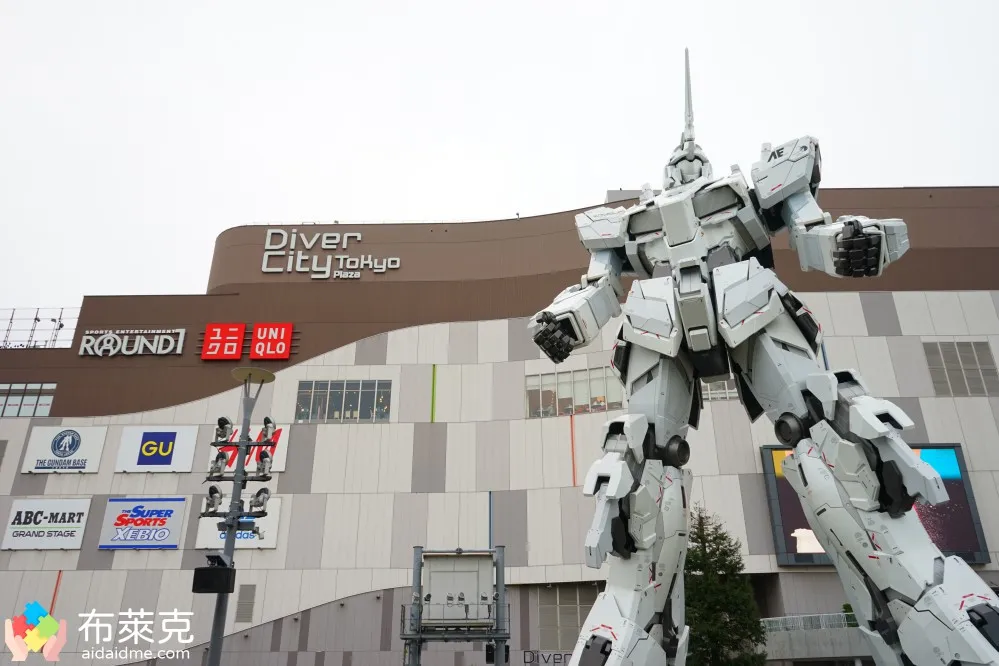
▲ Figure 4: The Gundam model stands at 1/3 of the screen/shot at Odaiba Shopping Plaza
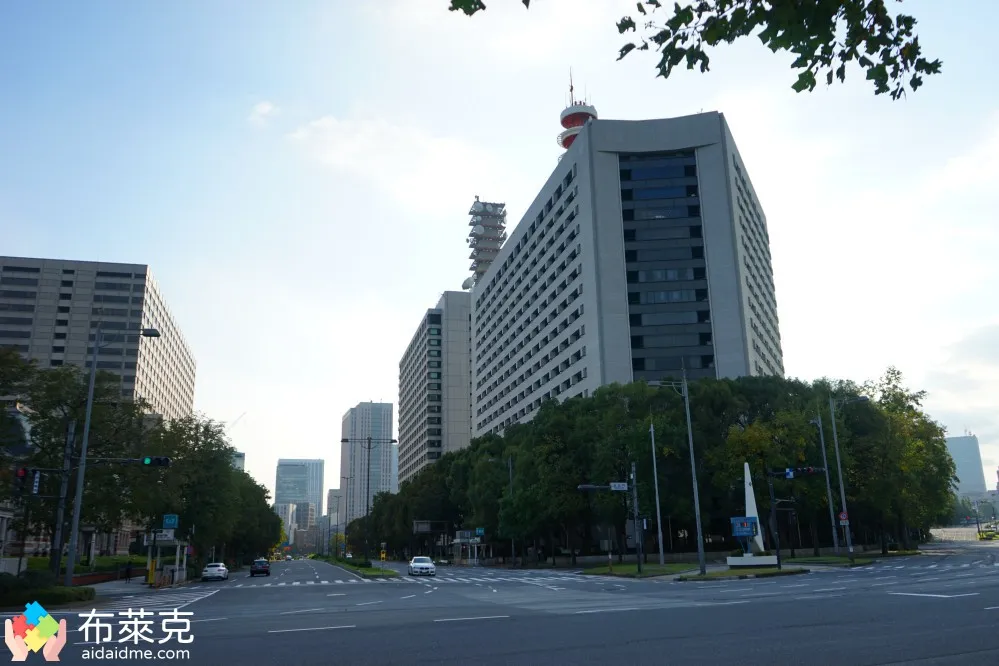
▲ Figure 5: The Metropolitan Police Department is located at 1/3 of the screen/Japanese Metropolitan Police Department
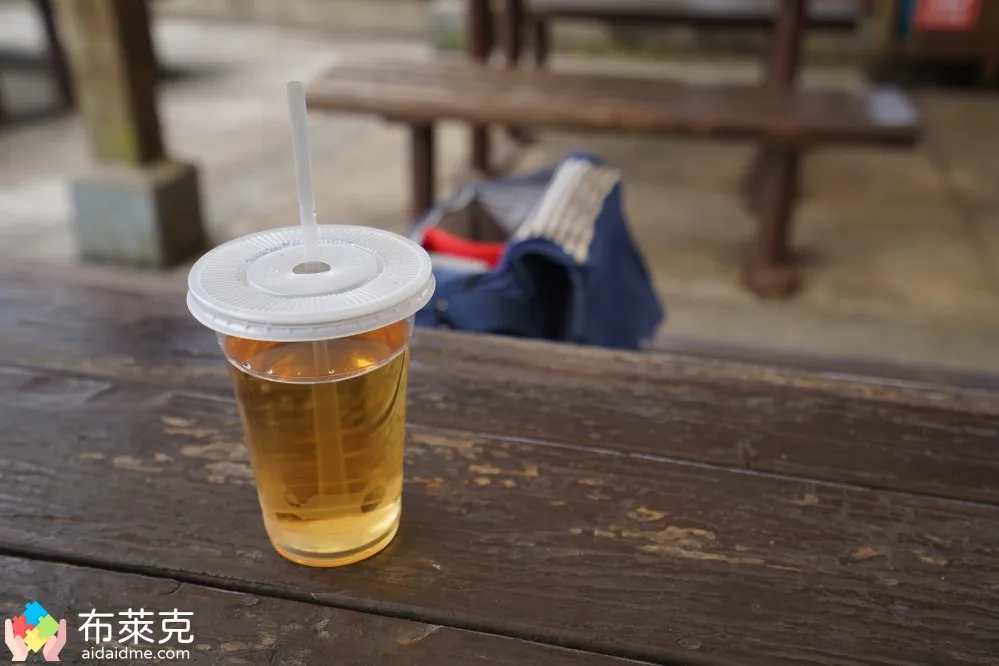
▲ Picture 6: Highlighting the beverage as the protagonist/Photographed at Puxin Ranch
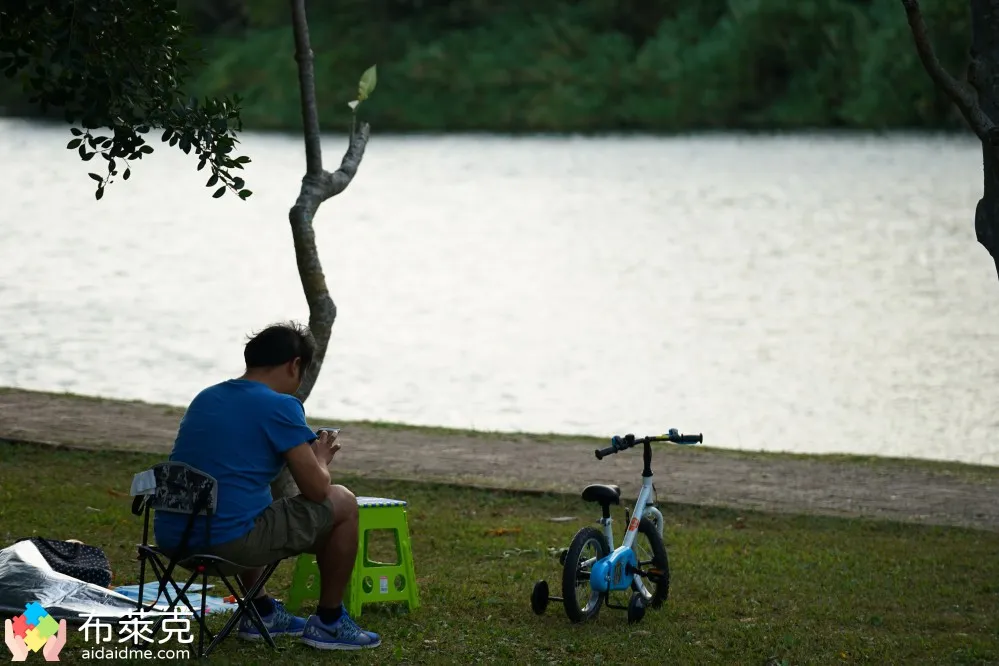
▲ Picture 7: Highlight the man in the picture/taken in Sankeng Natural Ecological Park
Whether it is a camera or a mobile phone, there are auxiliary tools for the nine-square grid, which can allow you to place the subject at the intersection point more accurately.
The nine-square grid composition method is very simple and easy to use. You can understand it after seeing it once. Next time you take a photo, remember to open the built-in grid and give it a try!
frame composition method
The frame composition method is usually used toHighlight the relationship between the subject and the surrounding environment, the concept is to find a frame to surround the subject. This may still be very abstract, but let’s take a look at an example! The editor took a photo of two sheep with innocent eyes from the fence. The surrounding frame is the fence.
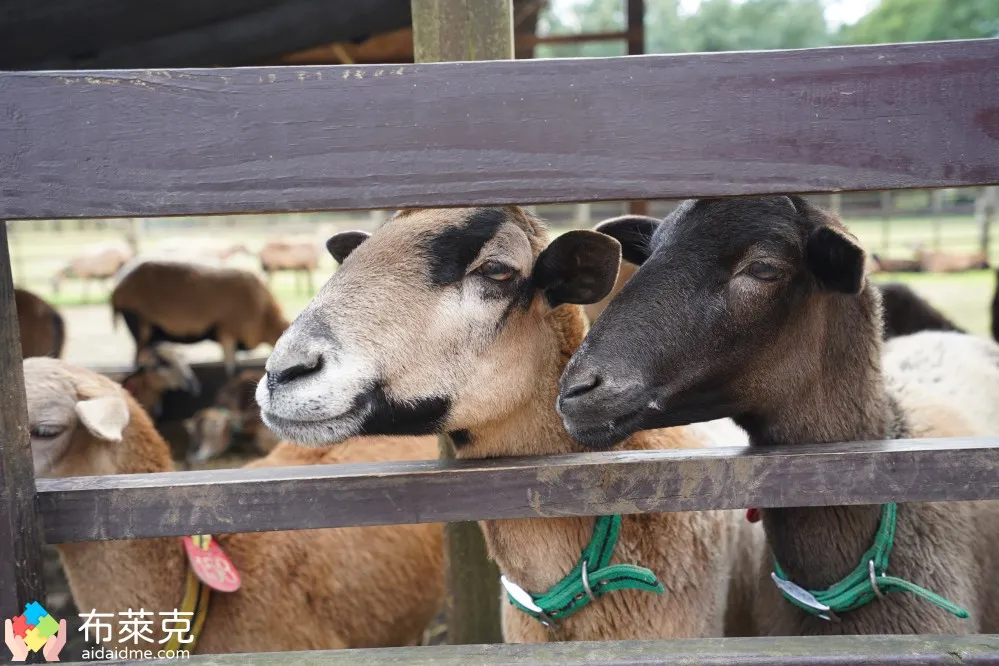
▲ Figure 8: Frame composition method/photographed at Puxin Ranch
Imagine if you were just photographing the sheep in the pasture. Some sheep were looking at you and some had their backs to you. It would be more like a casual record of travel and lack of storytelling.
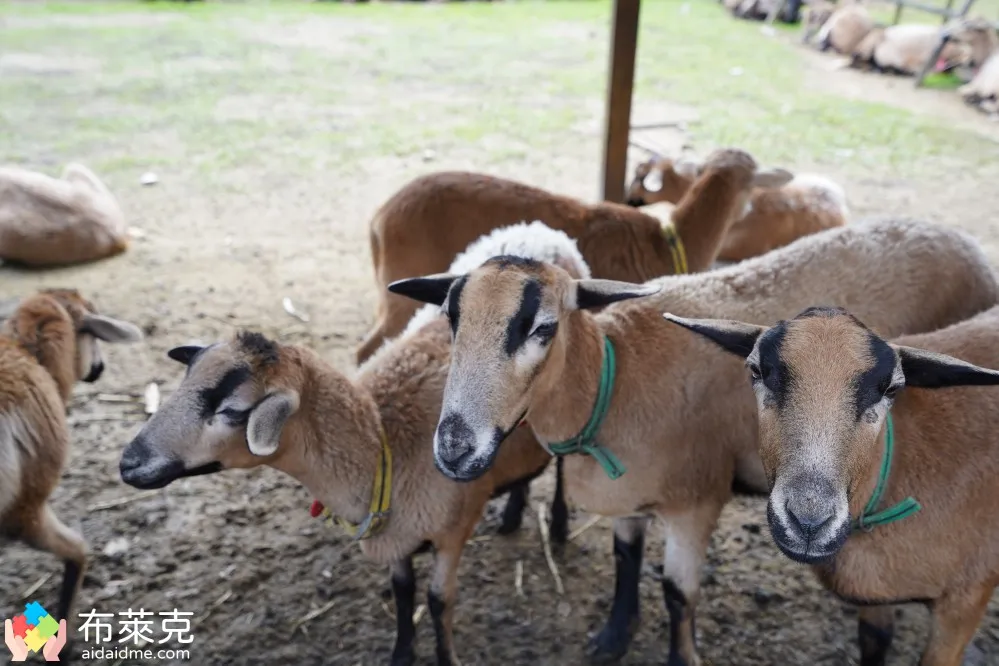
▲ Picture 9: No composition method is used, lack of storytelling/Photographed at Puxin Ranch
Then let’s take a look at some photos using the frame composition method! One picture was taken from the direction of the torii gate towards the shrine. The torii gate looks more sacred in the picture, giving it a bit of a mysterious atmosphere. Unfortunately, the photo is slightly crooked. Another picture shows a man and woman taking their baby for an outing in a bald cypress. The woods surround them, clearly describing the season and weather conditions at that time.
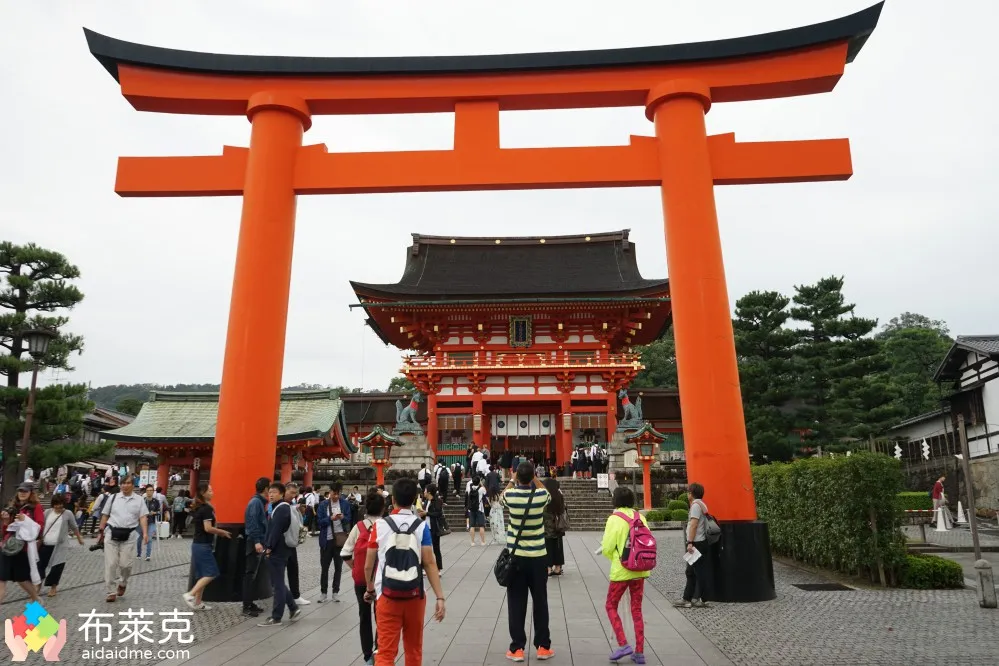
▲ Picture 10: The shrine is surrounded by torii gates/Photographed at Fushimi Inari Taisha Shrine in Kyoto
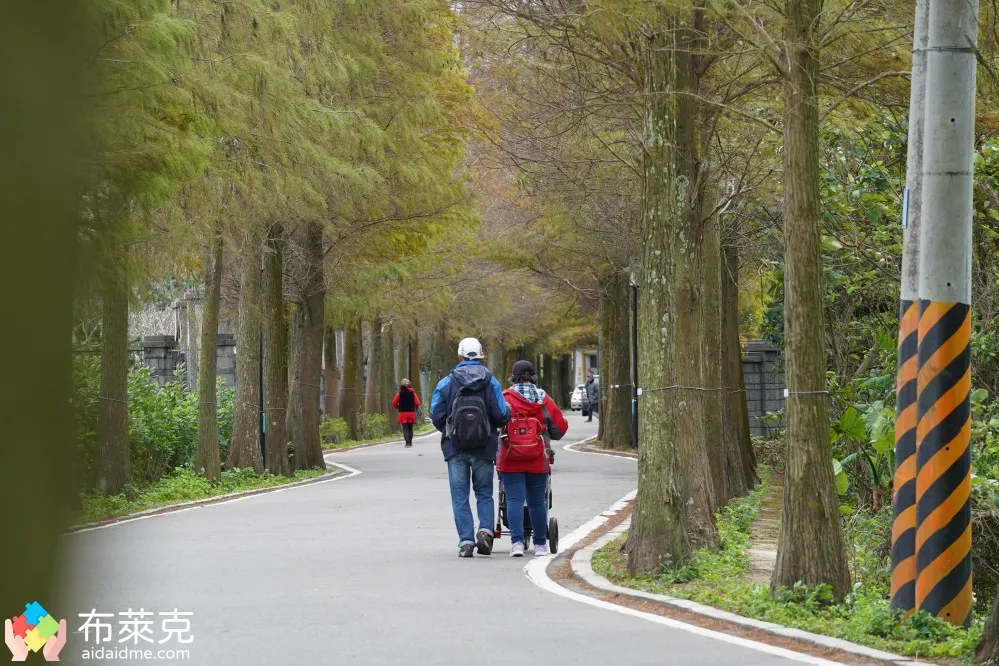
▲ Picture 11: A man and a woman are framed by the surrounding woods/Photographed on Larch Avenue
Leading line composition method
The leading line composition method is to useSome imaginary lines on the screen guide the audience to the subject, conceptually these guiding lines can be artificially generated or naturally generated.
Please take a look at the following example. The editor photographed a group of Japanese people lining up to take public transportation. From this we can find that the guiding line is the crowd. Where is their goal? Just getting ready to get in the car.
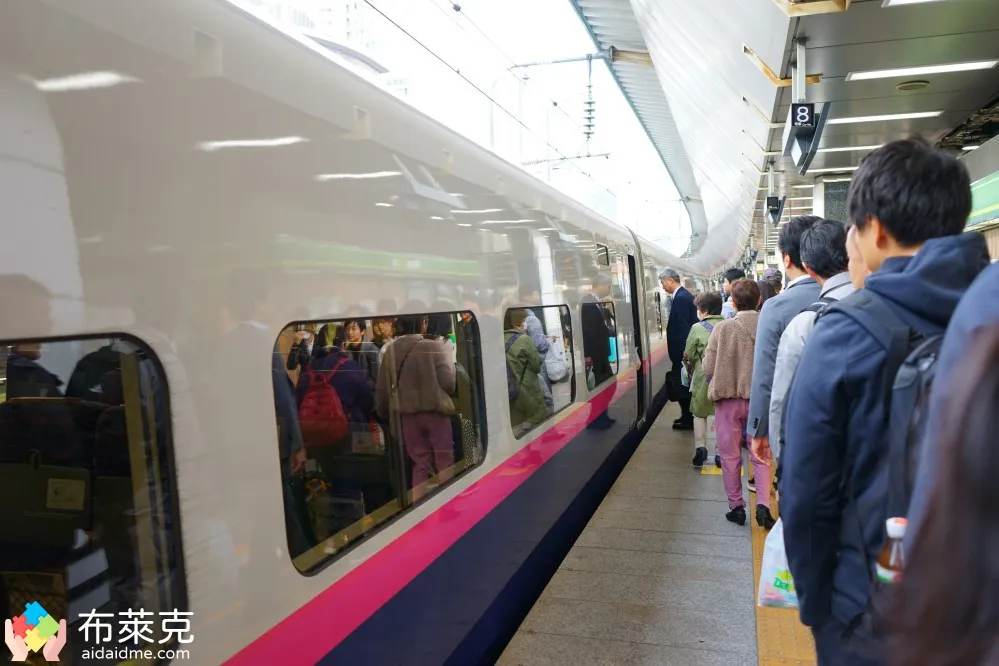
▲ Figure 12: Leading line composition method/photographed on the Shinkansen in Japan
However, it does not mean that there are guide lines to be called the guide line composition method. The picture below was taken using a wide-angle lens. Its exaggerated deformation makes everything within the field of view included in the picture. You should be able to clearly see the leading line, which is the crops in the farmland, but there is no subject at the end of the line. Even if the audience is guided past, they don’t know what they are attracted to. Therefore, it can only be regarded as a very wide-angle photo.
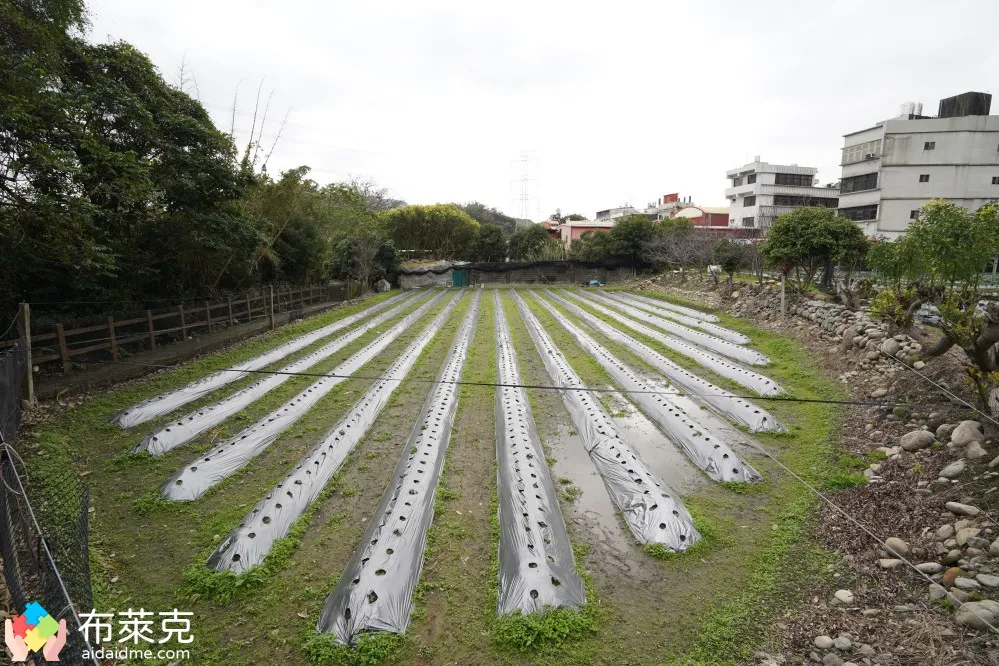
▲ Picture 13: No subject/shot around Daping Red Bridge
The subject of the photo is what we want to highlight and what attracts attention. The following two examples use roads and trees as guide lines to let the audience see what kind of scene is at the end of the picture. Use leading lines to lead your audience to the story you want to convey.
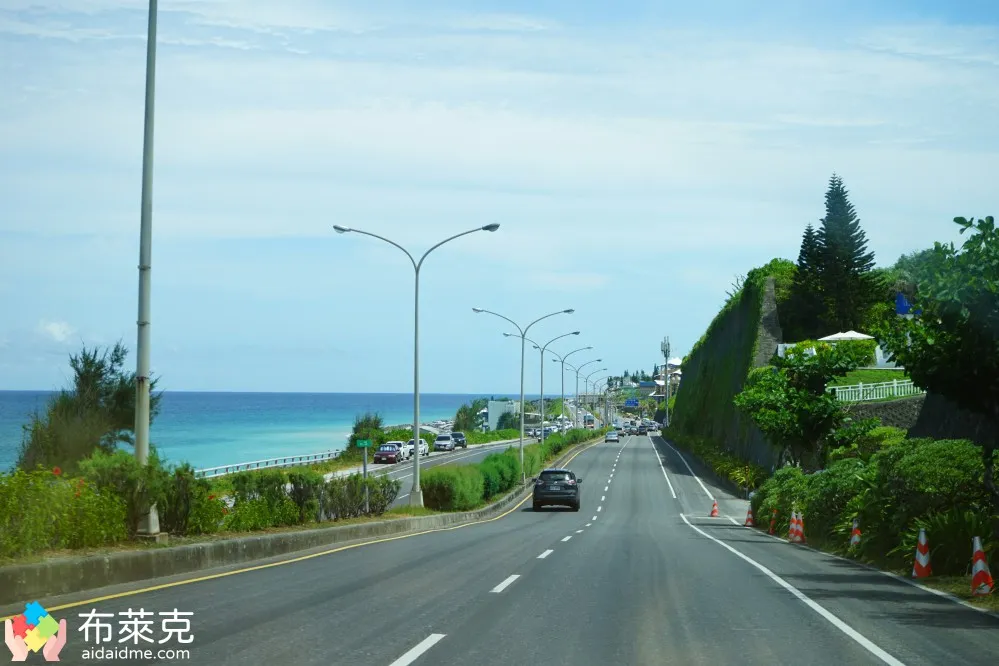
▲ Figure 14: The road serves as a guide line/Photographed on Hualien Highway
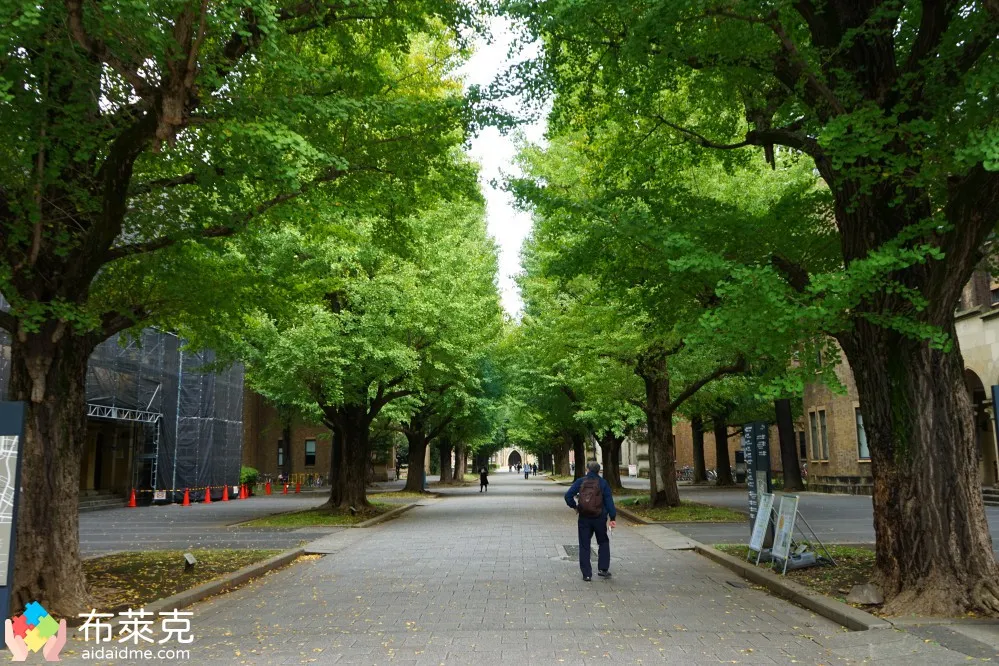
▲ Figure 15: Trees as guiding lines/Photographed on the campus of the University of Tokyo
focus composition method
Focus composition is also a composition technique often used by photographers. Conceptually, it is to use a large aperture lens, telephoto lens or macro lens to take photos with a shallow depth of field to highlight the subject of the photo.
Take a look at this example. This composition method is very suitable for photographing gourmet food. It emphasizes the distinct texture of rice grains. Putting aside the taste, just looking at it will make your index finger move.
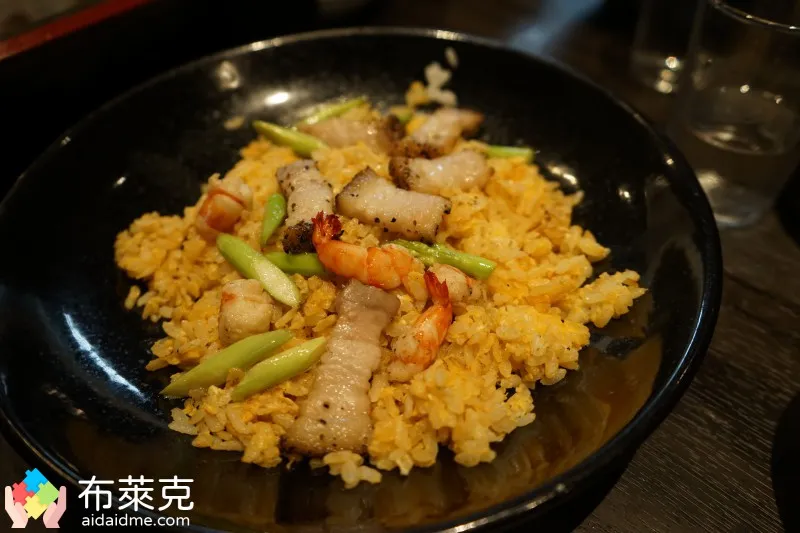
▲ Figure 16: Focus composition method/photographed in a restaurant in Kyoto
Many friends who have just come into contact with photography will want to retain various scenes on the screen, which often makes them look very messy. At this time, using the focus composition method can appropriately reduce some distracting objects, such as people or cars in the background, etc. This is a very practical technique!
Let’s take a look at some practical examples!
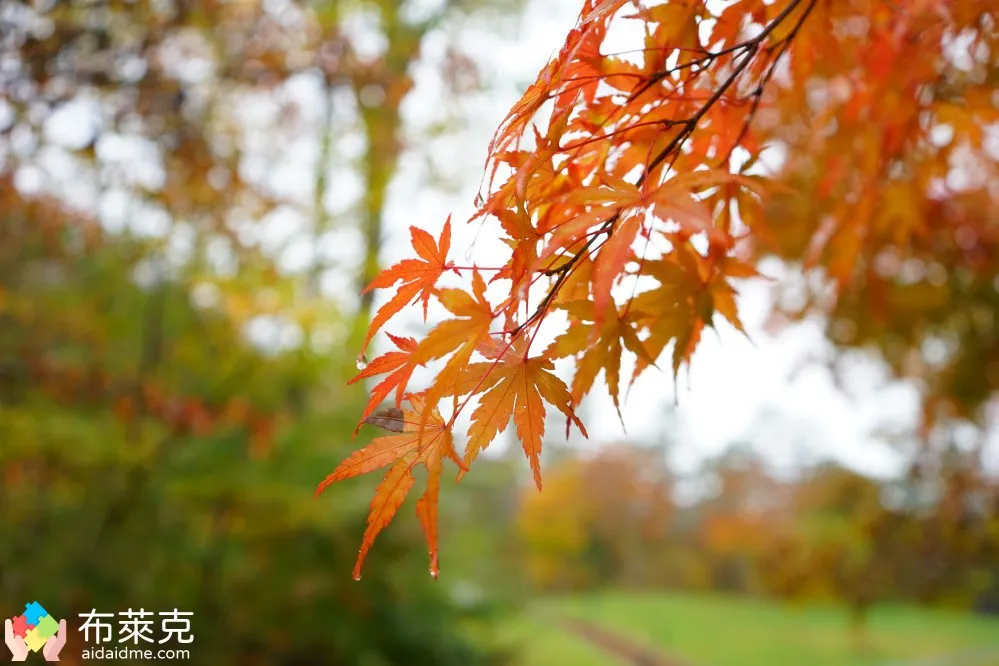
▲ Figure 17: The focus is on the maple leaves/Photographed in Karuizawa, Japan
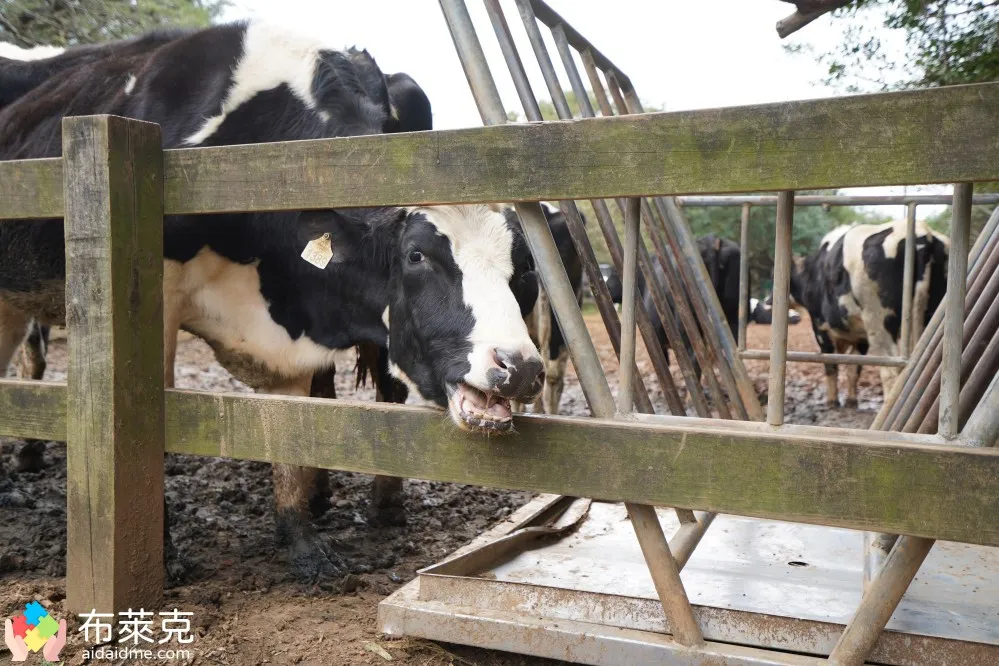
▲ Picture 18: The focus is on the cattle/Photographed at Puxin Ranch
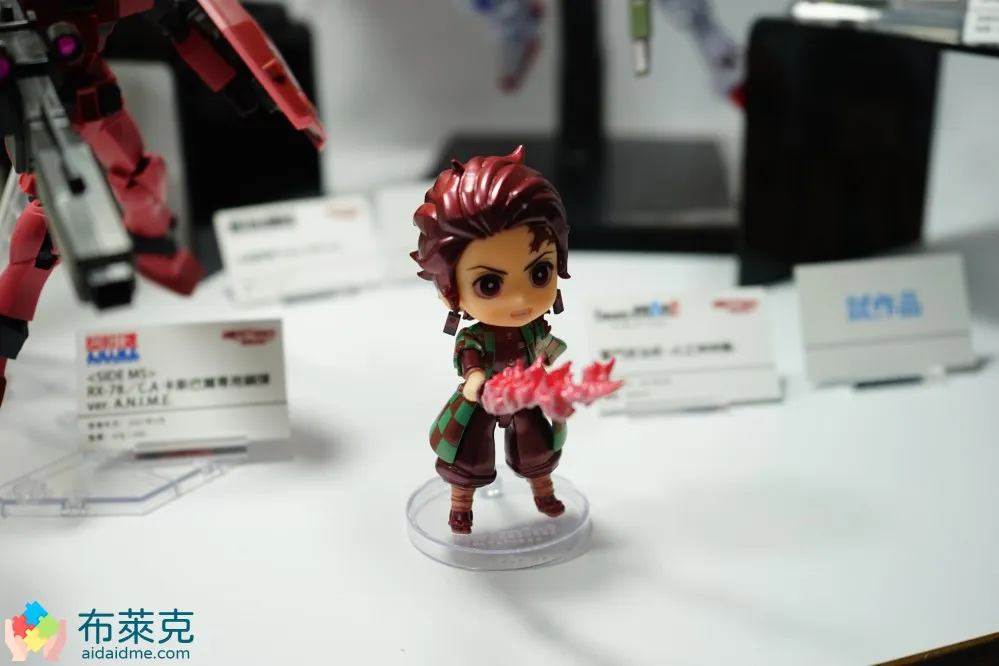
▲ Picture 19: Tanjiro himself is the focus/photographed in Huashan Cultural and Creative Park
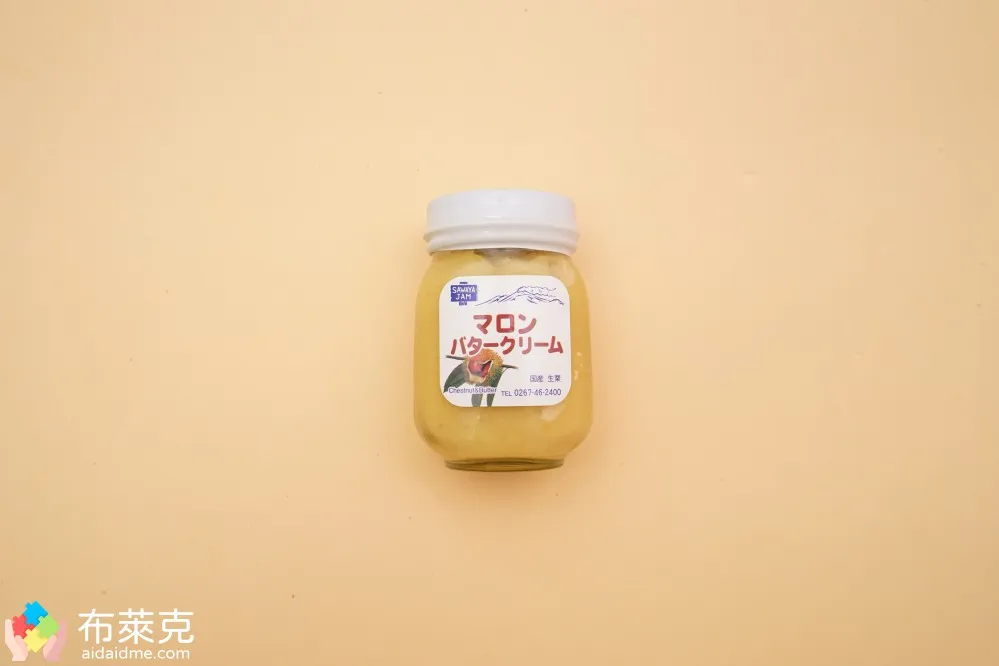
▲ Picture 20: The focus is on delicious jam/Photographed in Karuizawa, Japan
Do you want to know what other types of lenses there are? In fact, there are many practical and cheap lenses. Take a look at this article that has been written for a long time!
light composition method
Light composition is a composition technique that uses ambient light or sunlight to shoot. Conceptually it can be starbursts, light trails, time-lapse photography, etc.
The following examples are very easy to encounter in daily shooting. When there is dust or grit on your lens, it can easily cause flare when exposed to sunlight. Some people don’t like glare, but I think that as long as the subject is not blocked, glare is not a problem.
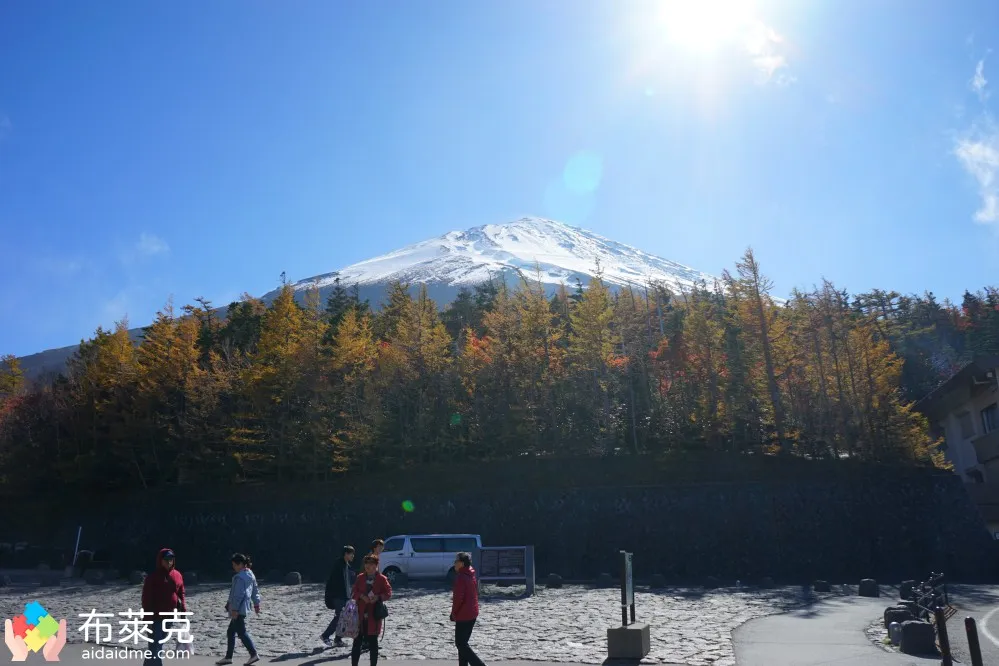
▲ Figure 21: Light composition method/photographed on Mount Fuji
Although the camera is often much weaker at capturing light than the human eye. For example, the human eye can see from indoors to the outdoors at the same time, but when the camera shines on a bright outdoor, the indoor will become very dark. However, the camera can adjust the aperture and shutter speed to capture the world invisible to the human eye.
The starbursts, light trails, time-lapse photography, etc. mentioned just now are all photography themes that can be obtained by appropriately adjusting the aperture and shutter. Let’s take a look at an example!
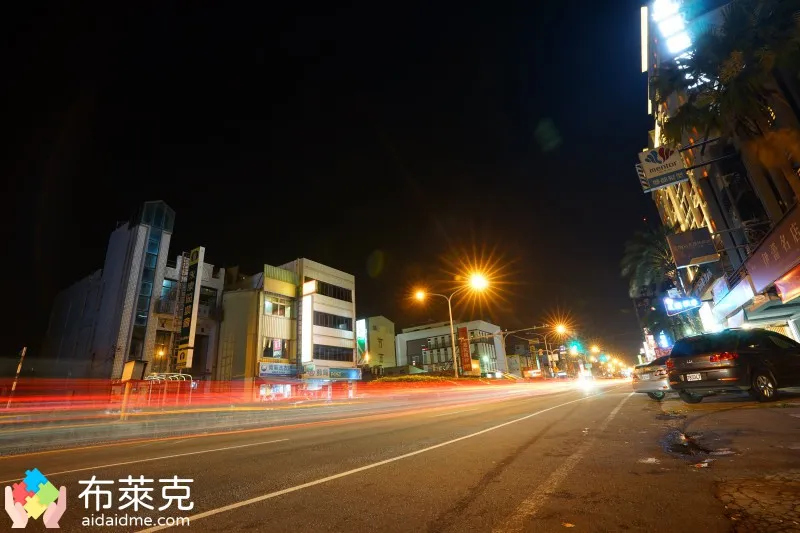
▲ Figure 22: Track photography/taken on Tainan highway
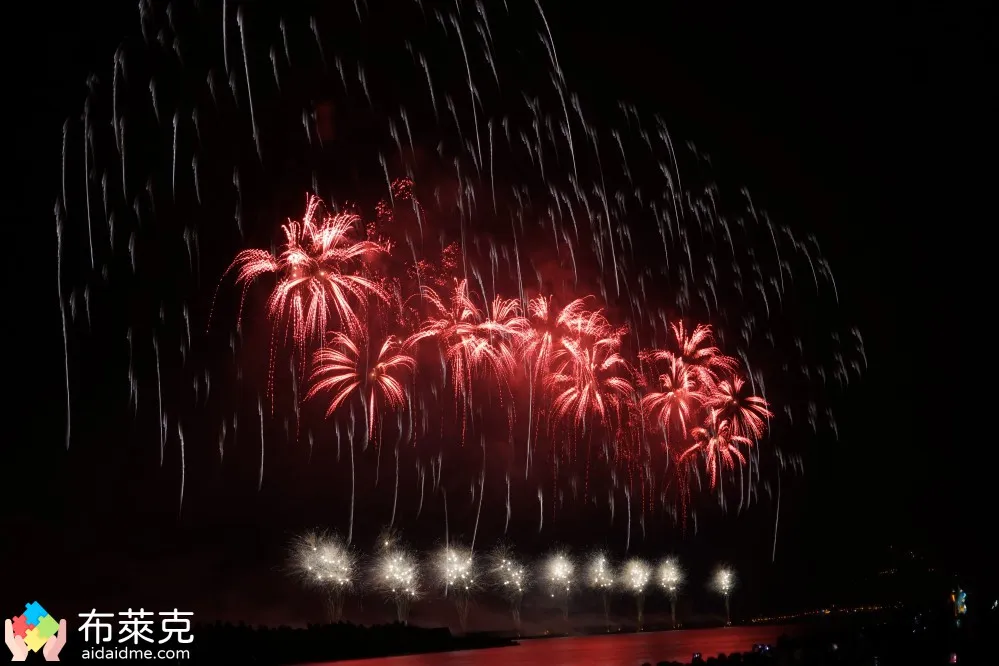
▲ Figure 23: Fireworks are time-lapse photography / taken during the National Day fireworks
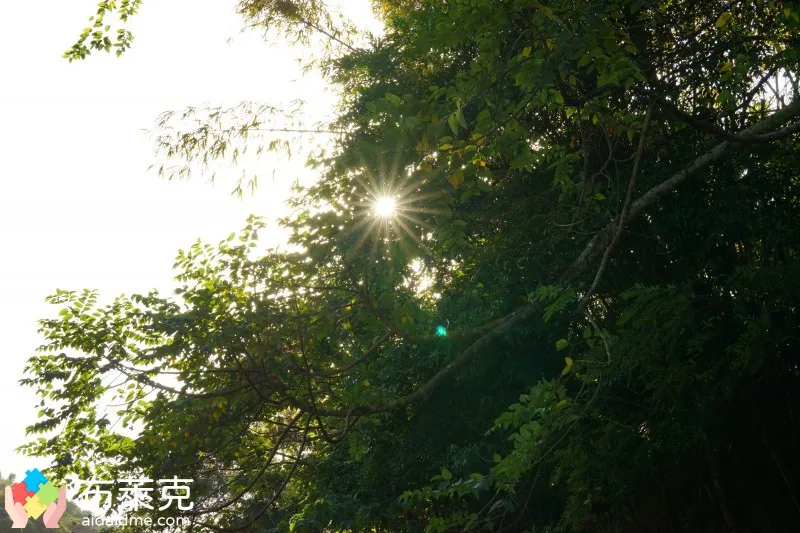
▲ Picture 24: Starburst/Photographed at Longtan Thousand Layers Waterfall
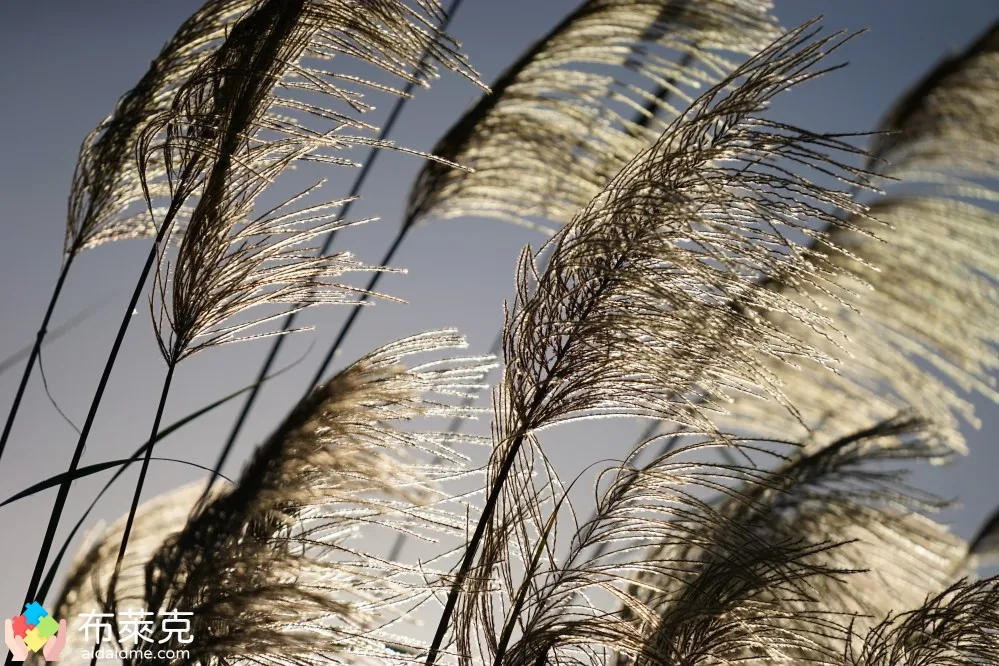
▲ Figure 25: Backlight/Photographed at Longtan Thousand Layers Falls
Some people say that “photography is the art of light.” This is not wrong. Making good use of the effects of light can sometimes add a lot of points to photos. The editor has written articles before about time-lapse photography of train tracks or fireworks. Please refer to these articles.
Repeating composition method
The repetitive composition method is used when the subject is not a single individual and you want to emphasize multiple subjects. The concept is to find the same scene and then take a good shot of it!
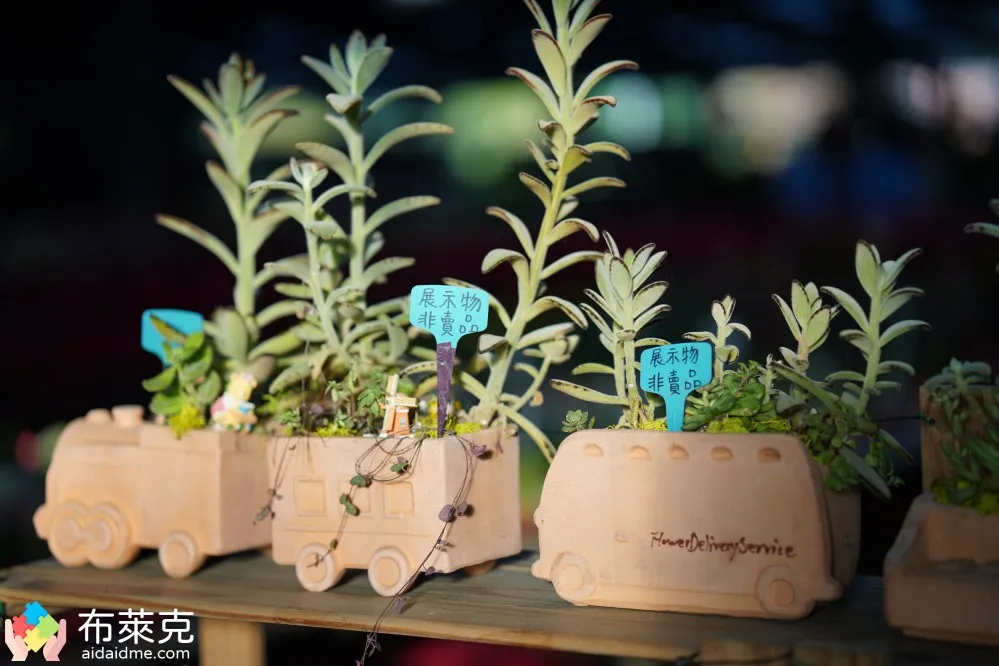
▲ Figure 26: Repeating composition method/photographed at the Flower Expo
The most important thing about this composition technique is that the same item must be repeated, or similar items. If there is an obviously different item in the picture, it will be the protagonist, while repeated items will be the supporting role. The picture below is an example.
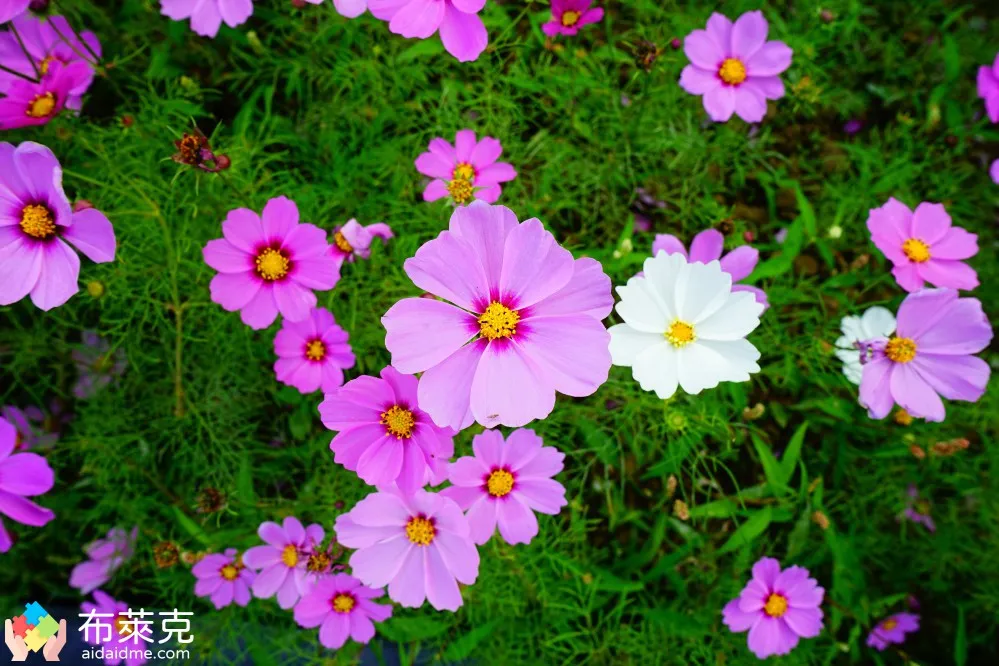
▲ Picture 27: Due to different colors, the protagonist was snatched away/Photographed at the Flower Expo
Although the subject already occupies the entire frame, if there are no cluttered distractions, the effect of highlighting the subject can still be achieved. Take a look at the following examples, and you should be able to tell clearly which ones on the screen are the protagonists and which ones are the supporting characters.
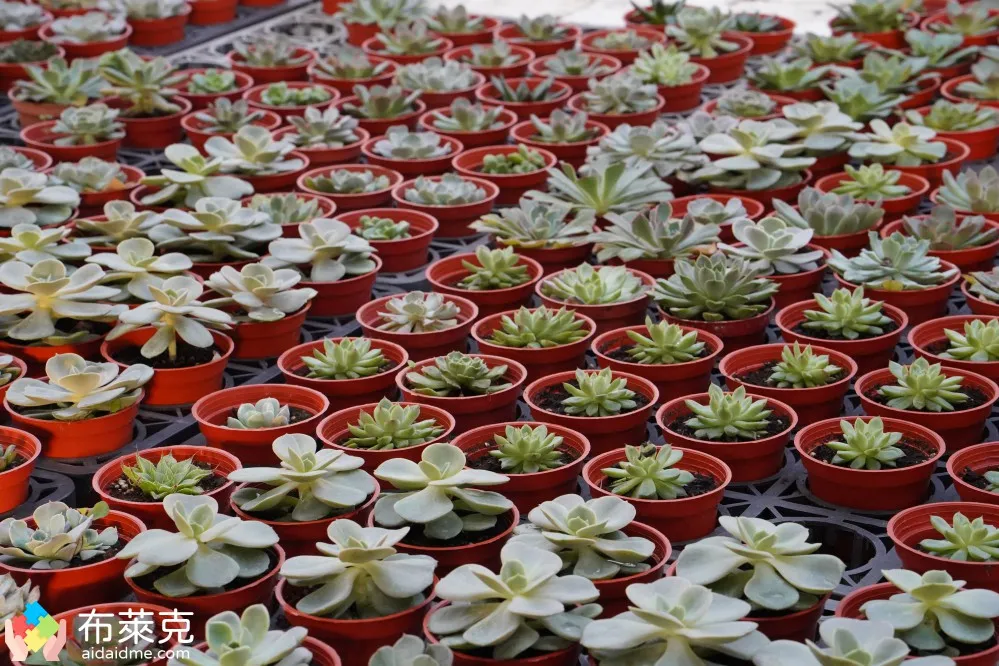
▲ Figure 28: Repeating succulents/photographed at the Flower Expo
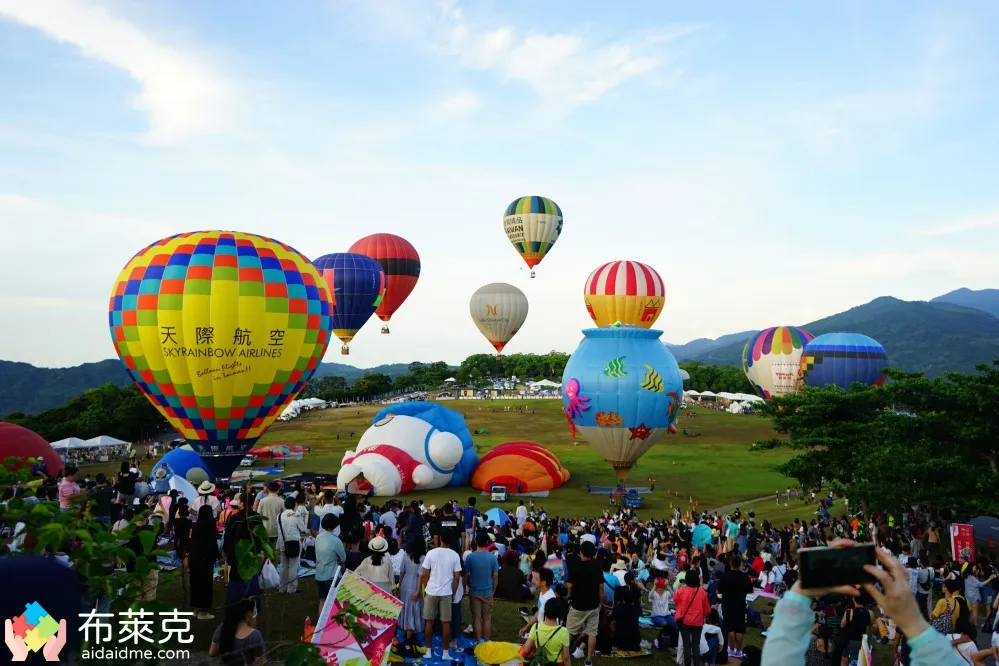
▲ Picture 29: Repeating hot air balloons/taken at Luye Plateau
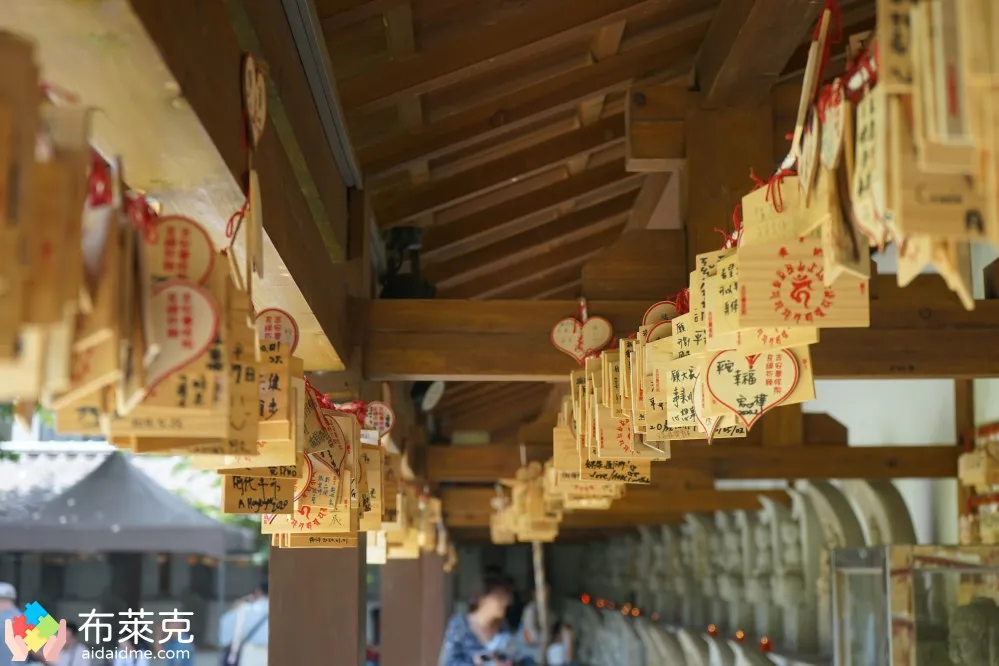
▲ Figure 30: Duplicate Ema/Photographed at Ji’an Keishuin
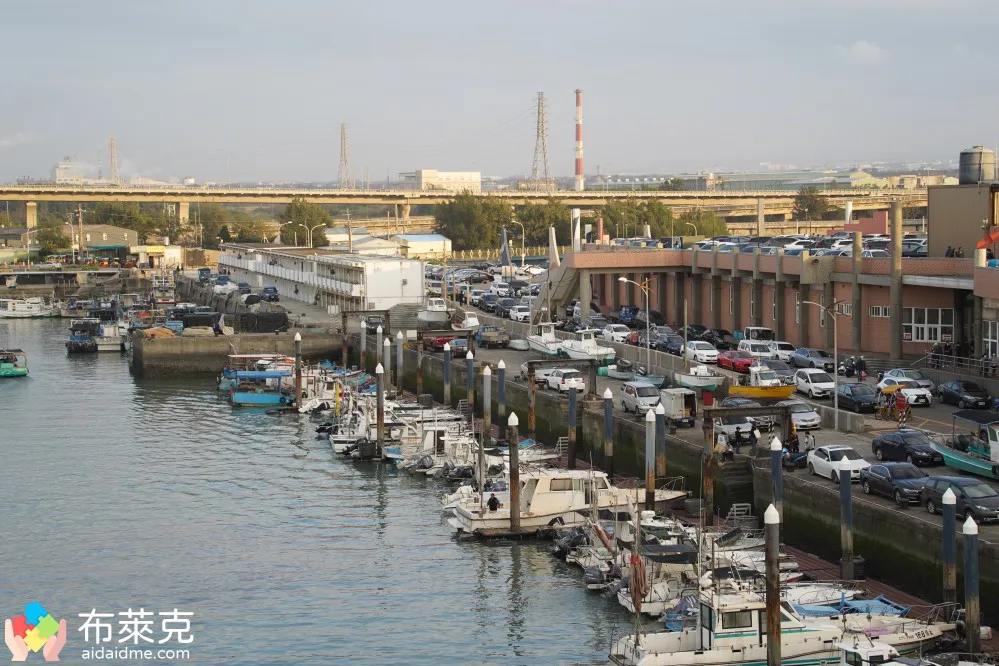
▲ Picture 31: Duplicate boats/taken at Taoyuan Yongan Fishing Port
This type of photos is very common in life, especially the kind of market with all kinds of small things. Even if it is densely packed, it will not feel too overwhelming. Next time you take photos, remember to make good use of this simple and practical composition idea.
story composition
The story composition method may be more general, or it may not use the above-mentioned composition techniques. It may be a scene taken on the street by casually pressing the shutter, or it may be a shared memory while traveling. One glance can always remind you of the stupid things you did at that time.
The editor especially likes to take photos of a grandma who buys dolls for her grandson in a Japanese toy store. Although I can’t say what superb composition was used, and if you look closely, you will find that the focus is not good enough, but these are all pictures captured temporarily. We are not the parties involved in that kind of love for our grandson. It is difficult to convey it through words, so we can only record it through pictures.
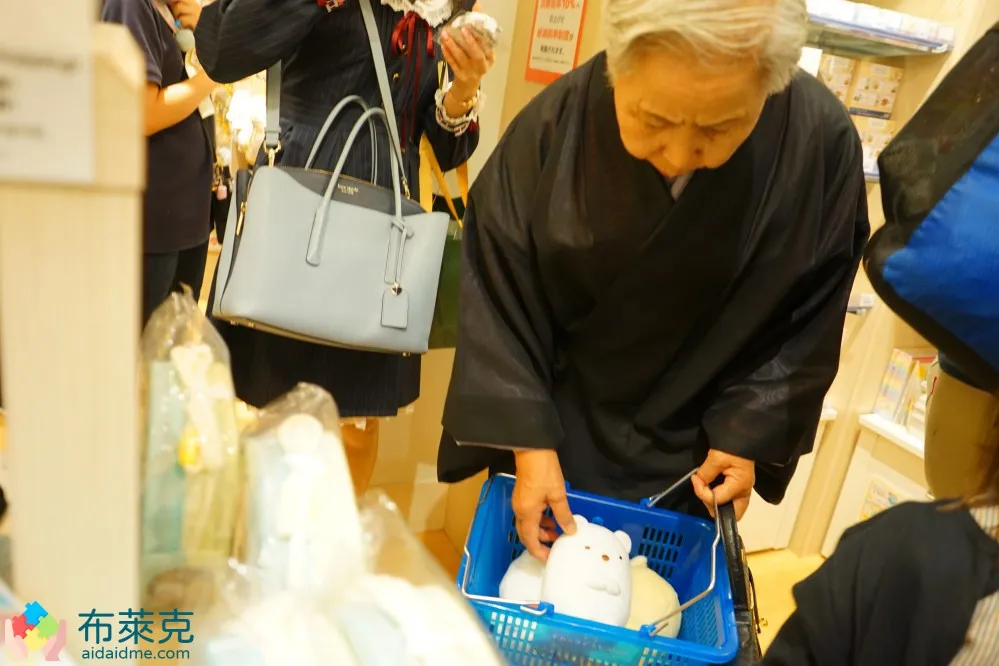
▲ Picture 32: Grandma buys toys for her grandson/Photographed in a toy store in Japan
This picture was taken with a telephoto lens at sunset. In order to capture the sunset and a ship passing by, I didn’t think much and just pressed the shutter button. You can imagine that the crew on the ship wanted to return to port quickly, perhaps to have dinner with their wives and children, or perhaps to bring back a bumper catch.
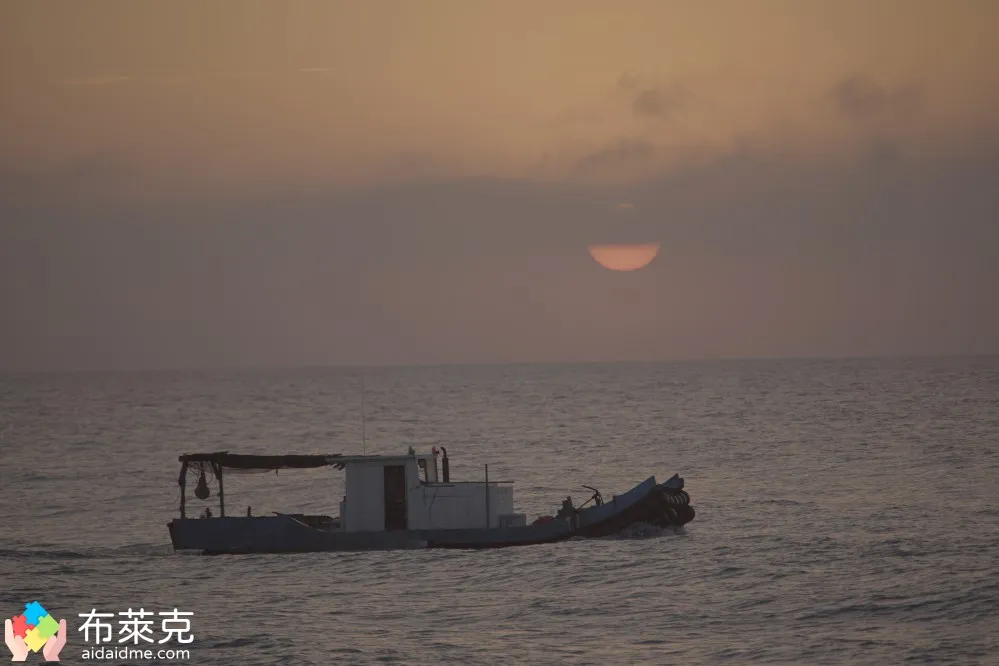
▲ Picture 33: Boats rushing back to port before sunset/Photographed at Taoyuan Yongan Fishing Port
The editor doesn’t have much experience traveling with friends, and experiences like this kind of tribal experience are even rarer. Therefore, no matter how close the camera is to the fire source, just click on this photo with “temperature”. There is also no composition, but it can remind people of interesting travel experiences at that time.
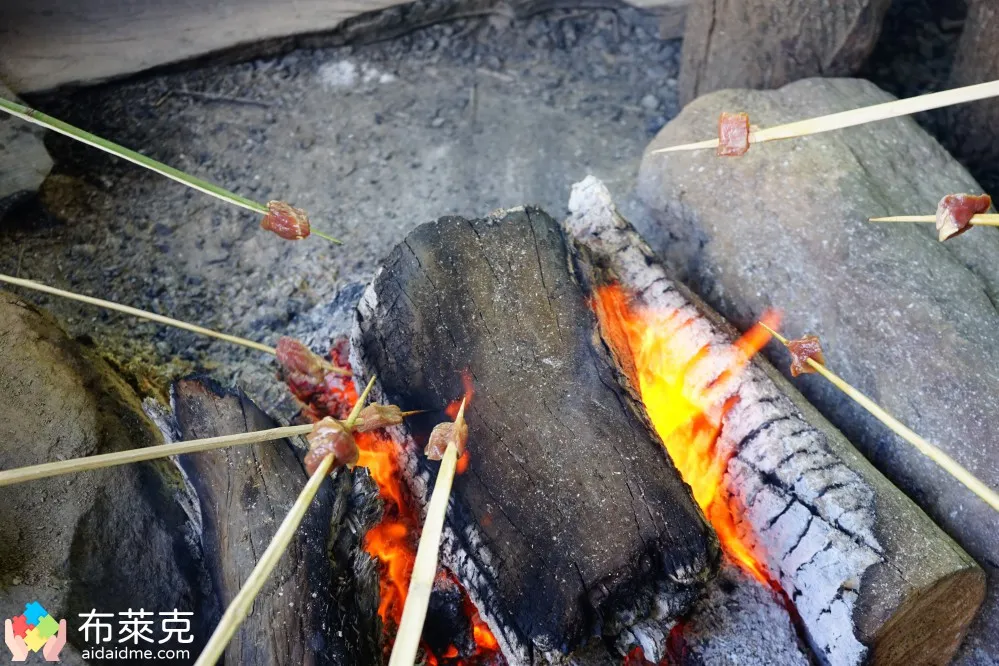
▲ Picture 34: Experience roast pork with friends/Photographed at Luanshan Tribe in Taitung
This composition method can obviously only be used by yourself or your relatives and friends who have experienced it together. Only they will understand the current atmosphere. Compared with the previous composition methods, it is more difficult to participate in photography competitions or have commercial value.
Conclusion
Whether you are a newbie or an experienced photographer, the most important thing about photography is never how expensive the equipment is, but how the camera’s eyes help you record what happened at that time. Through some composition techniques commonly used by photographers, the audience can focus more on the subject. This is also the focus of this article.
In terms of composition skills, it’s actually more than that. The several shooting methods introduced in the article are very practical and common enough, and should be enough for use. I hope that this journey of learning photography can help you avoid unnecessary mistakes.
If you like the above article, welcomeSubscribe to newsletter, and you will receive photography-related teaching articles!
by Engineer Blake
Source: KOCPC Chinese