


Single-lens cameras have the feature of interchangeable lenses, but there are so many lenses in the world, and the three mainstream lenses of Canon, Nikon, and Sony are almost not universal, and the symbols on the lenses are even more difficult to understand. This article will share with you the meaning of camera lens specifications. If you find the content helpful, please help me share it with more people. Let’s watch it together!
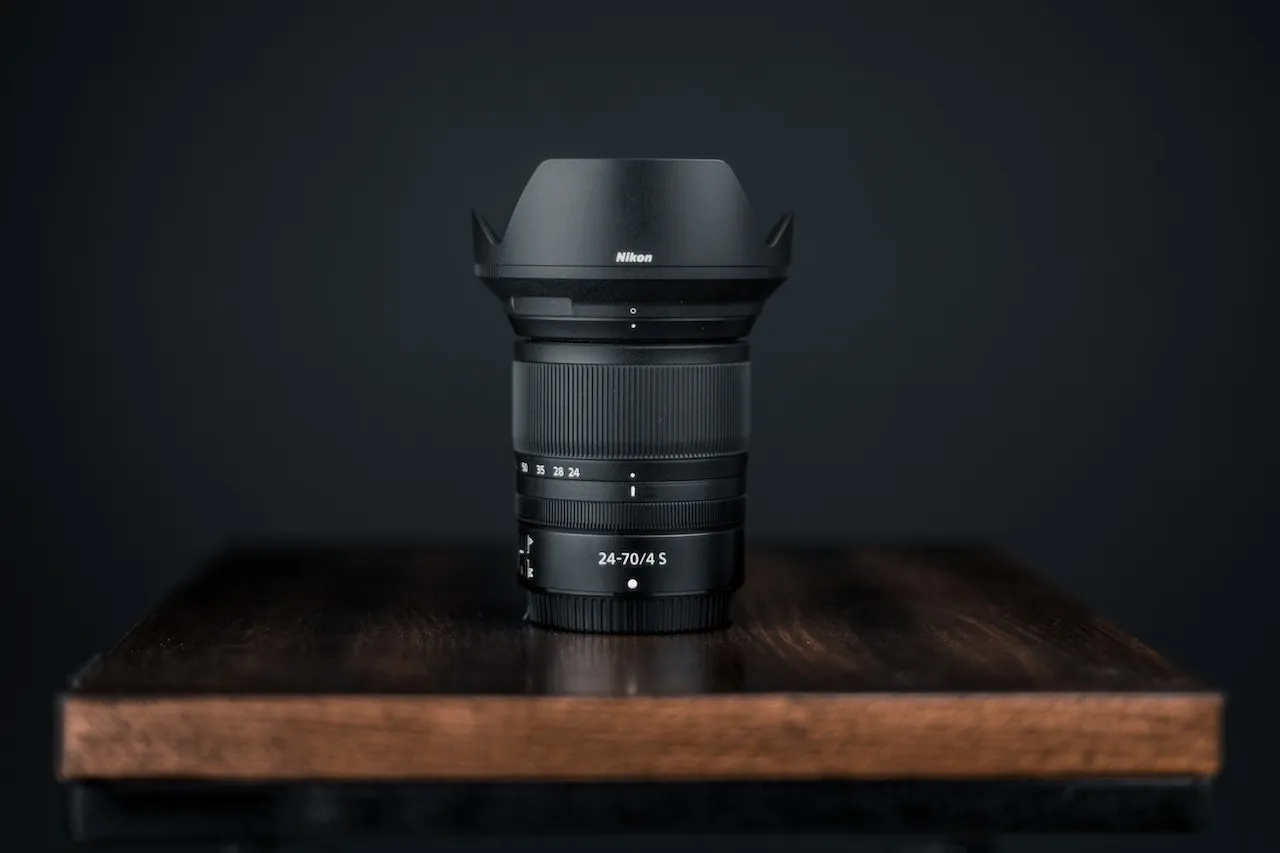
▲ Figure 1: This is how the lens specifications look / from Pexels
Lens appearance
Let me first introduce you to the lens from its appearance. It is called the front ring, focus ring, zoom ring, focal length, and back ring in order from the farthest to the body. The positions of the focus ring and zoom ring of each lens are not fixed. I will teach you how to identify them below.
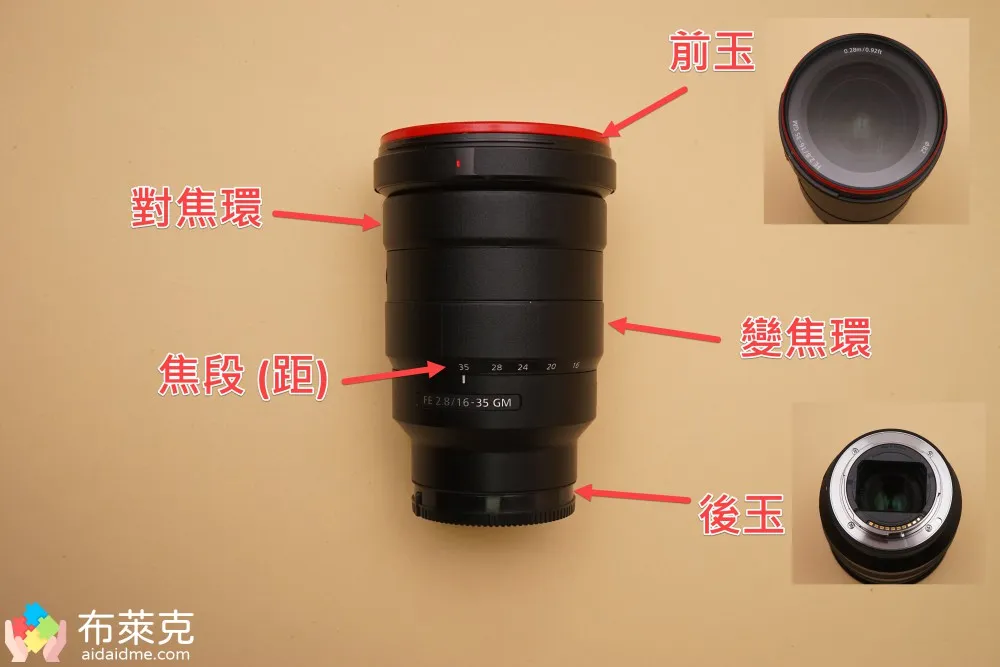
▲ Figure 2: Lens appearance
1. Focal length (distance)
The number on the lens is called the focal length, and the unit is mm. The focal length in the picture below is 16-35mm. The smaller the focal length, the wider the range that the lens can capture; and vice versa. You can understand it clearly by just drawing a picture, as shown below.
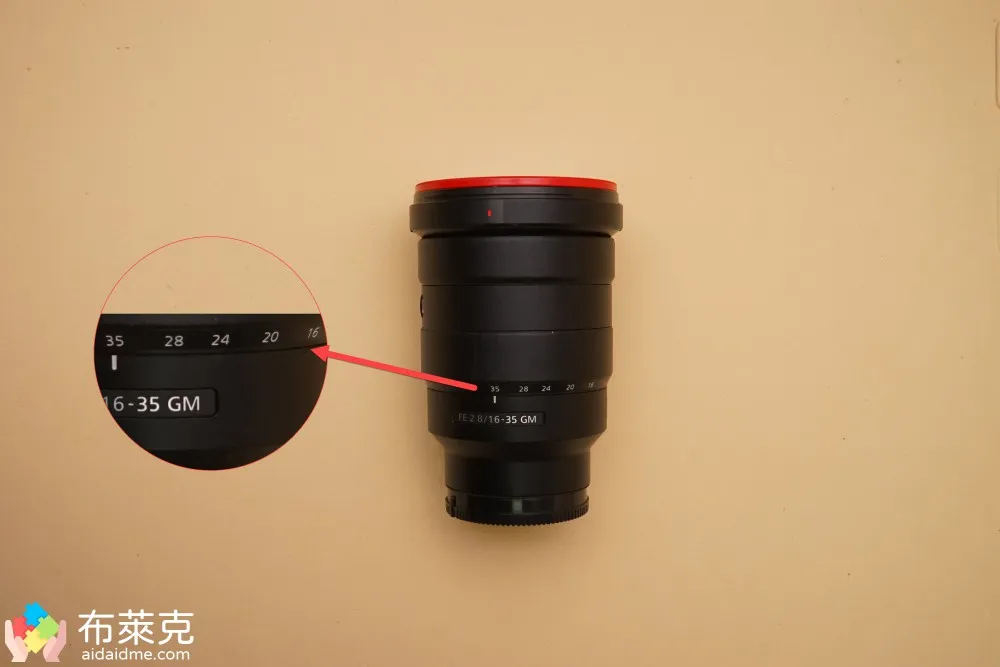
▲ Figure 3: Focal length of Sony FE 16-35mm F2.8 GM wide-angle zoom lens
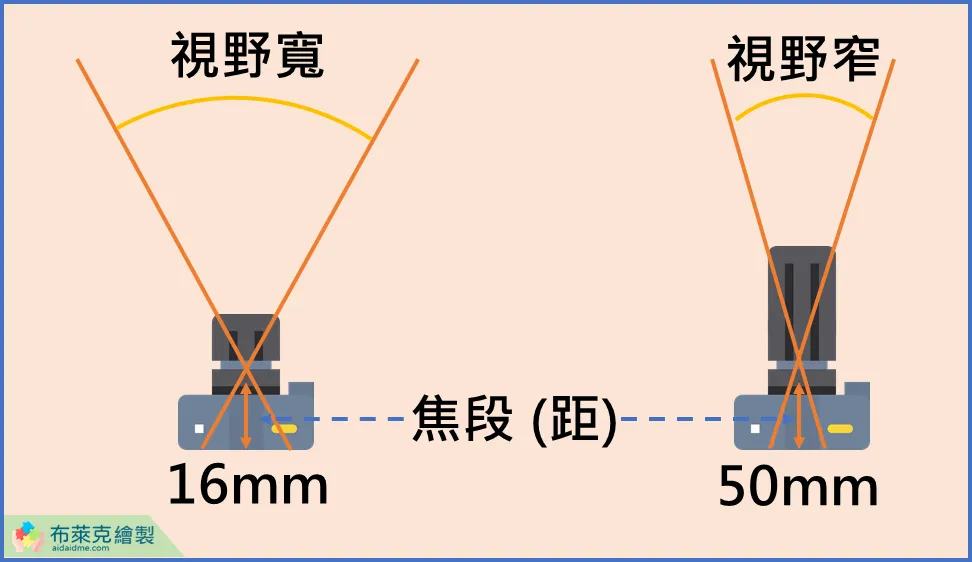
▲ Figure 4: Relationship between focal length size and field of view
like thisA lens that can change the focal length is called a zoom lens, there is another kind of lens that cannot change the focal length, which is called a fixed focus lens. There are no complicated lens groups inside the fixed-focus lens, so the fixed-focus lens will be lighter and easier to carry. An article has been written before to share the differences between zoom and prime lenses. The article is below.
16-35mm is marked on the lens,16mm is called the wide-angle end,35mm is called the telephoto end. The so-called Nx zoom is calculated through the telephoto end/wide-angle end. For this lens, it is about 2x zoom.
For full-frame lenses, those with focal lengths below 24mm are called ultra-wide-angle lenses, 24-35mm are called wide-angle lenses, 35-70mm are called standard lenses, and those above 70mm can be called telephoto lenses. This is just a rough distinction. Sometimes a lens will be between ultra-wide-angle and wide-angle, such as the 16-35mm lens above.
If you want to know the differences between ultra-wide-angle lenses, standard lenses, telephoto lenses, etc., you can read the articles I shared before, which introduce a lot of lens types. You can save them first and read them later.
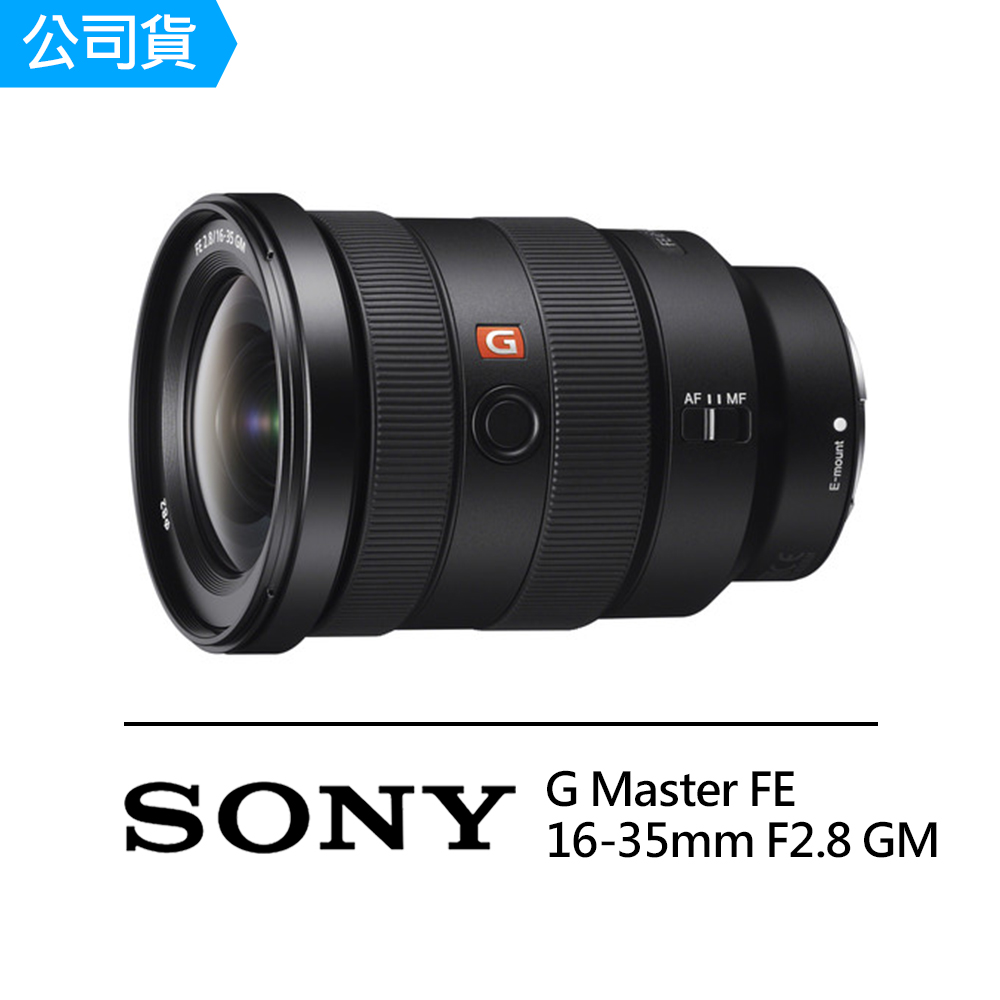
▲ Figure 5: Sony’swide angle zoom lensRepresenting Sony FE 16-35mm F2.8 GM
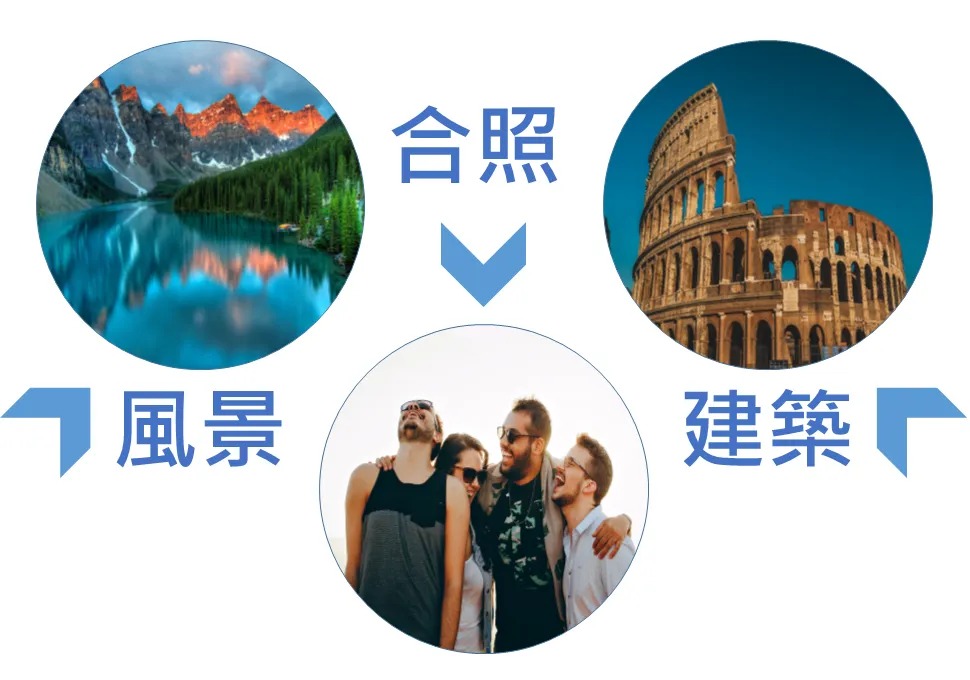
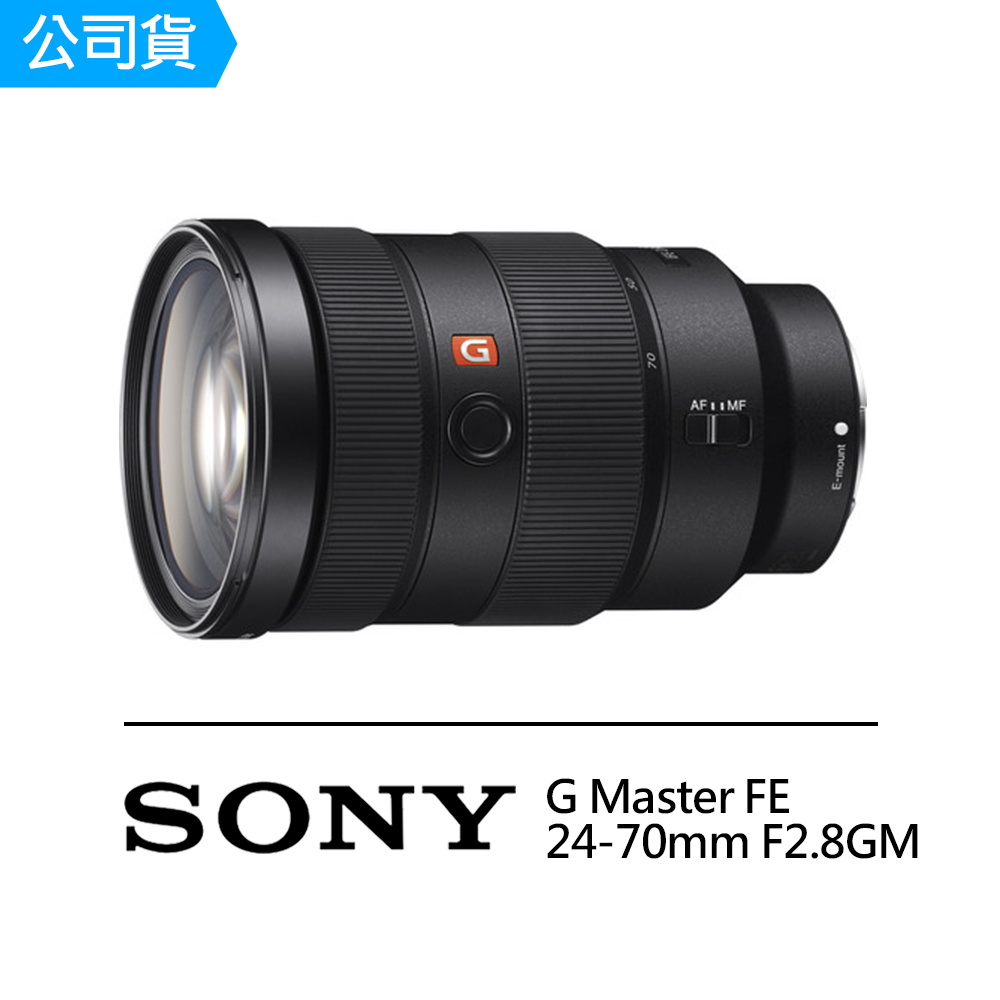
▲ Figure 7: Sony’sStandard zoom lensRepresenting Sony FE 24-70mm F2.8 GM

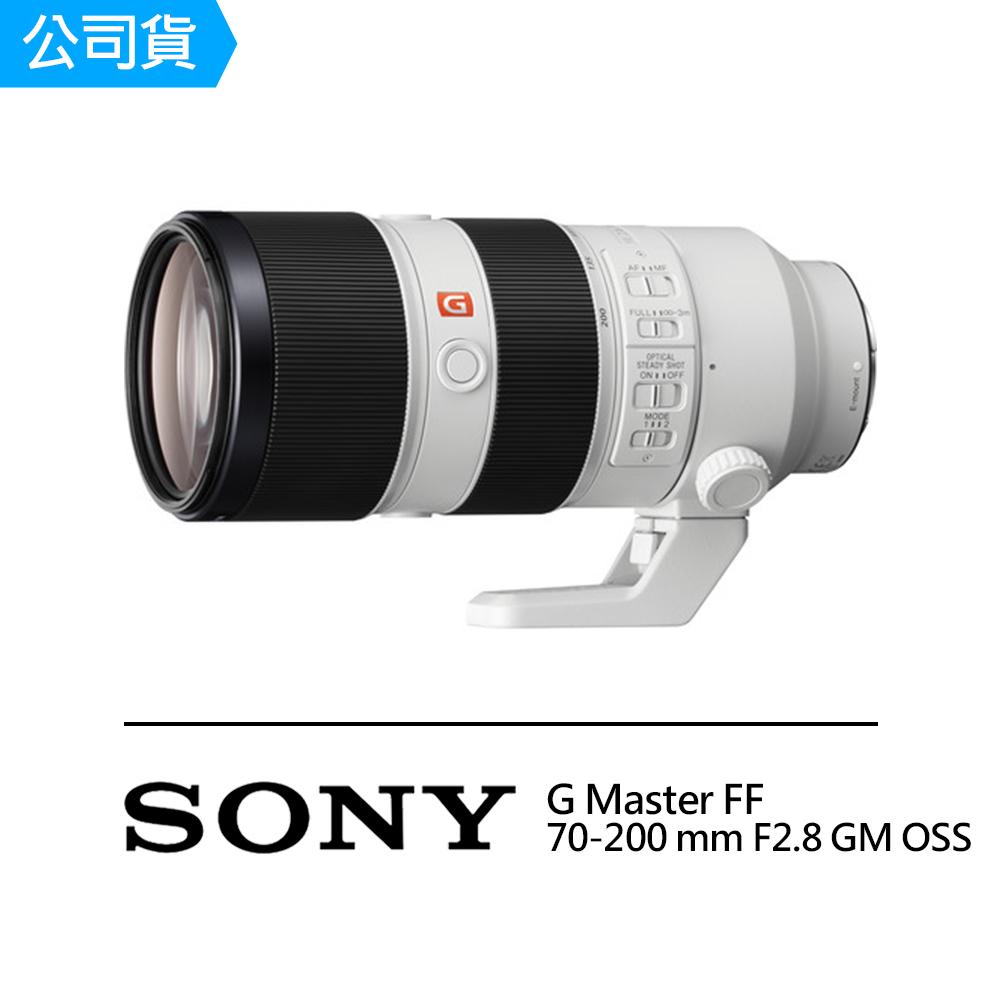
▲ Figure 9: Sony’sTelephoto (telephoto) zoom lensRepresents Sony FE 70-200mm F2.8 GM
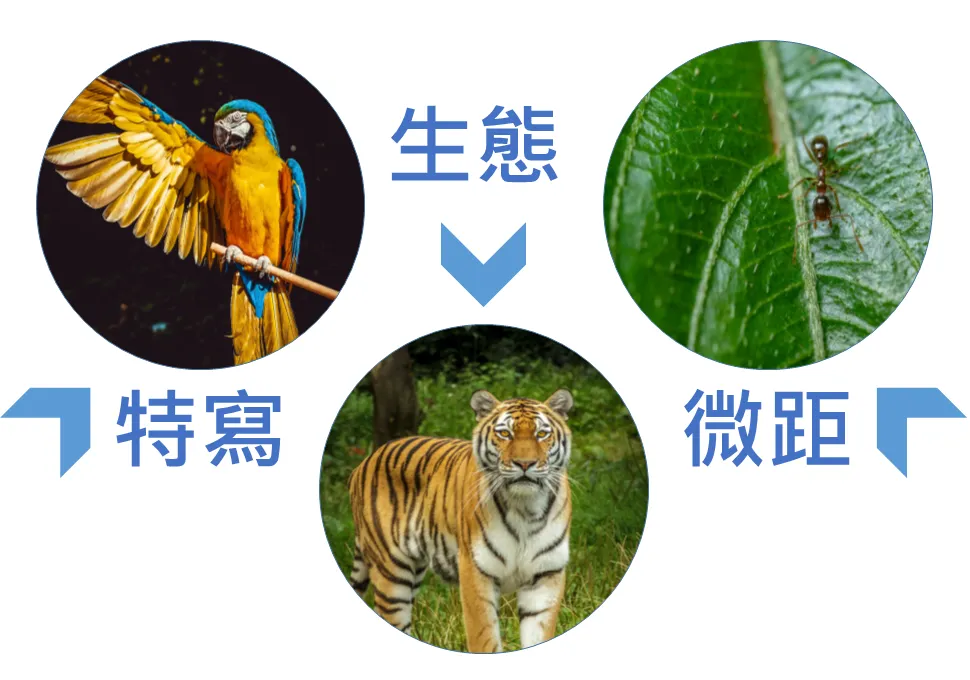
2. Qianyu
The jade in front of the lens is the furthest away from the camera body.
Without any filters, it is possible to get scratched. A scratched lens will affect the sharpness and contrast to a certain extent, and the imaging will be affected. In order to avoid this situation, we will add a lens hood or protective filter in front.
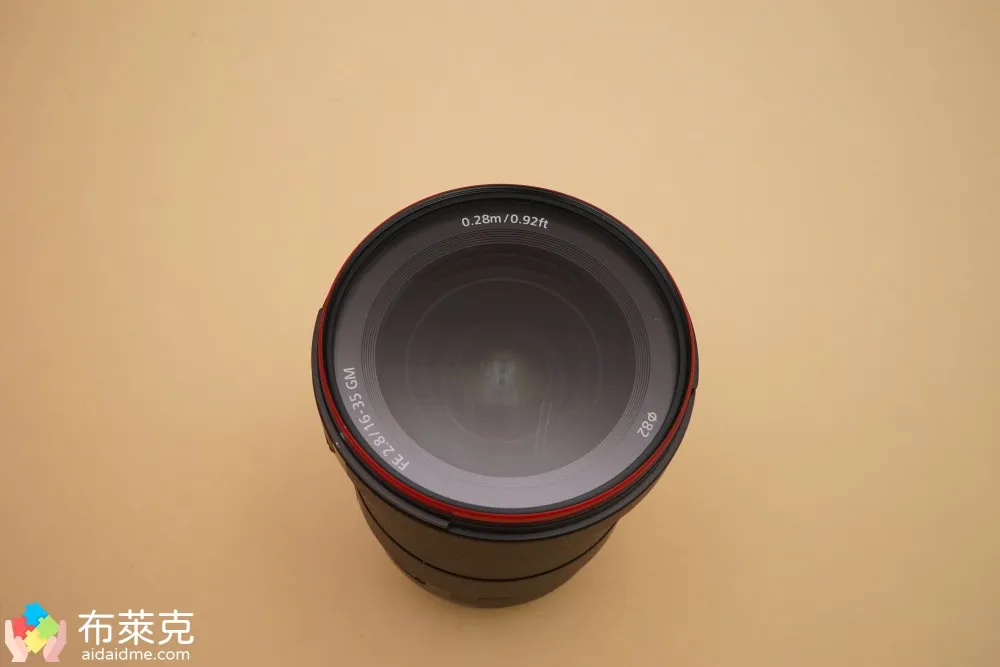
▲ Figure 11: Jade in front of the camera
There are many benefits to using a lens hood:
- Block strong light: The lens is composed of multiple convex lenses or concave lenses. Strong light will be reflected after entering the lens. Using a hood can reduce glare and improve imaging quality.
- Prevent dirt: Avoid rain falling directly on the lens, so you can take pictures with peace of mind
- Protect the lens: If the camera accidentally falls to the ground, the impact point will fall on the lens hood, effectively protecting the lens.
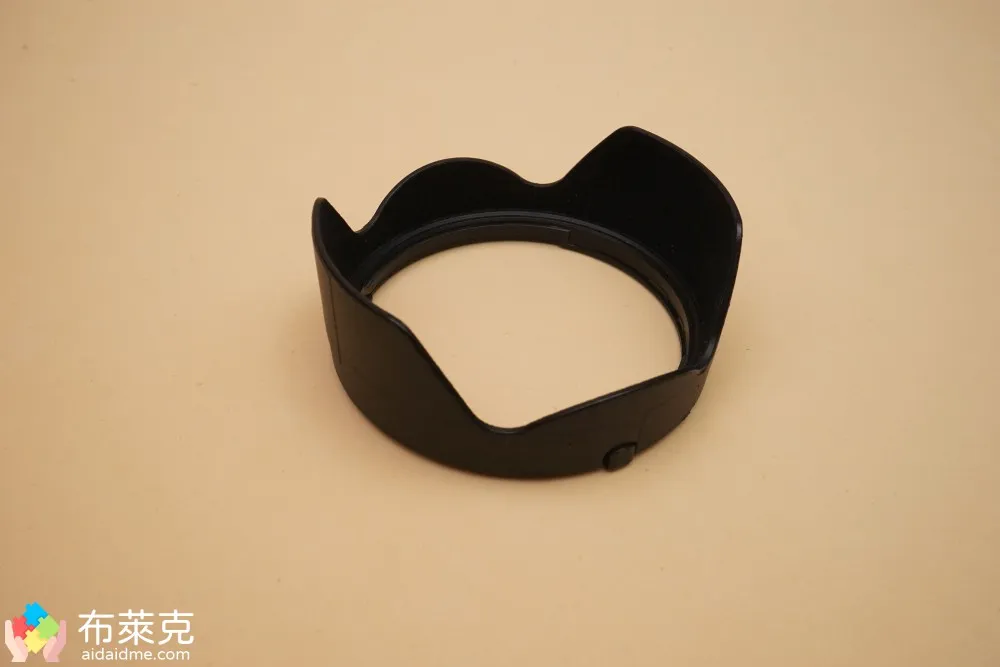 ▲ Figure 12: Lens hood
Using a filter can also protect the front lens from dirt, dust and hand grease coming into contact with the optical lens. There are many types of protective glasses. The most common ones include UV glasses to resist ultraviolet light, as well as polarizers, light-reducing glasses, starburst glasses, etc.
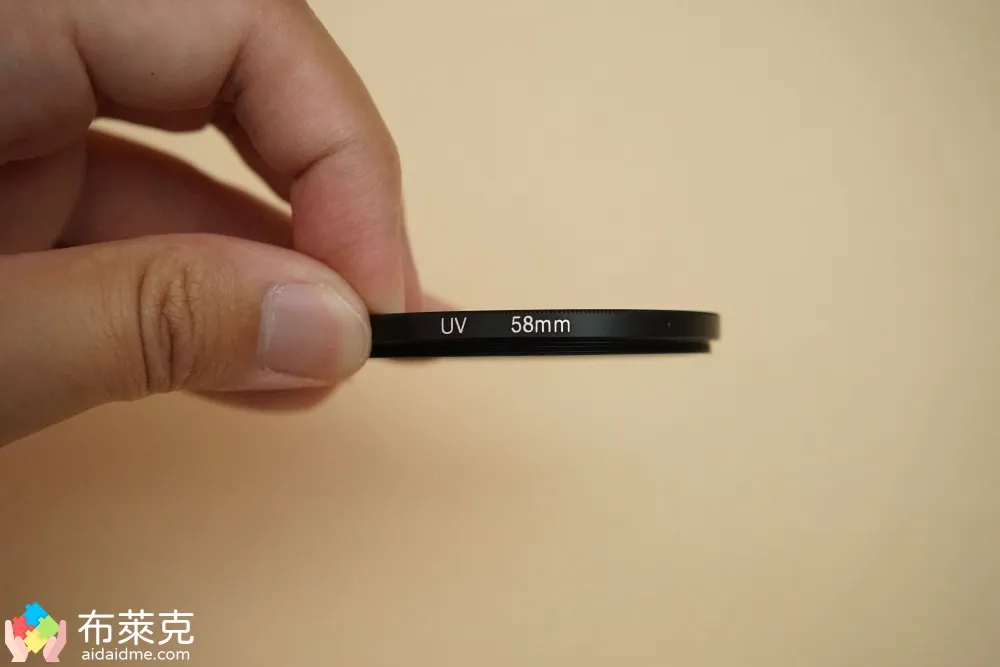
▲ Figure 13: UV protective glasses
For more classifications of filters, please refer to this article for details.
Therefore, it is very important to protect the lens. It will be heartbreaking if it gets a little scratch. It is recommended that the original lens front cover should be covered when the lens is not in use.
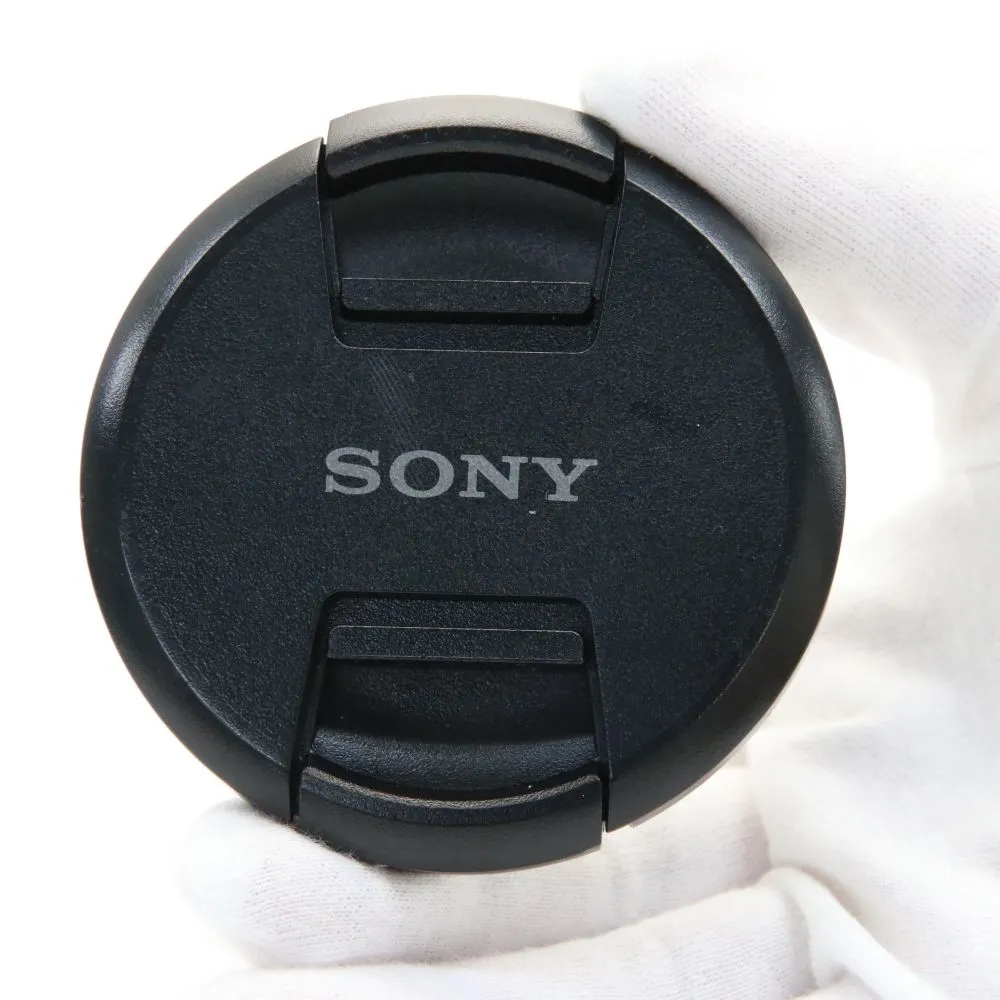
▲ Figure 14: Lens front cover
3. Focus ring/zoom ring
Different lenses may have different positions of the focus ring.
Usually there are 2 rotating rings on the lens, one is the focus ring and the other is the zoom ring.
How to distinguish these 2 rings? The simplest way is to observe how the subject in the camera changes after rotating it. in the case ofTurn to the focus ring and the subject will gradually become clearer。
What about the other zoom ring?
The main function of the zoom ring is to change the focal length, to achieve the zoom effect.
Not every lens may have a zoom ring. For example, a fixed-focus lens does not have a zoom ring because the focal length cannot be changed.
4. Houyu
The back of the lens is the closest thing to the camera body.
There are usually many electronic contacts on the back jade, which are used to transfer parameters to the camera body. This location should be protected as much as possible. The caliber of the Houyu will be the same size as the matching body, so you don’t have to worry about the caliber.
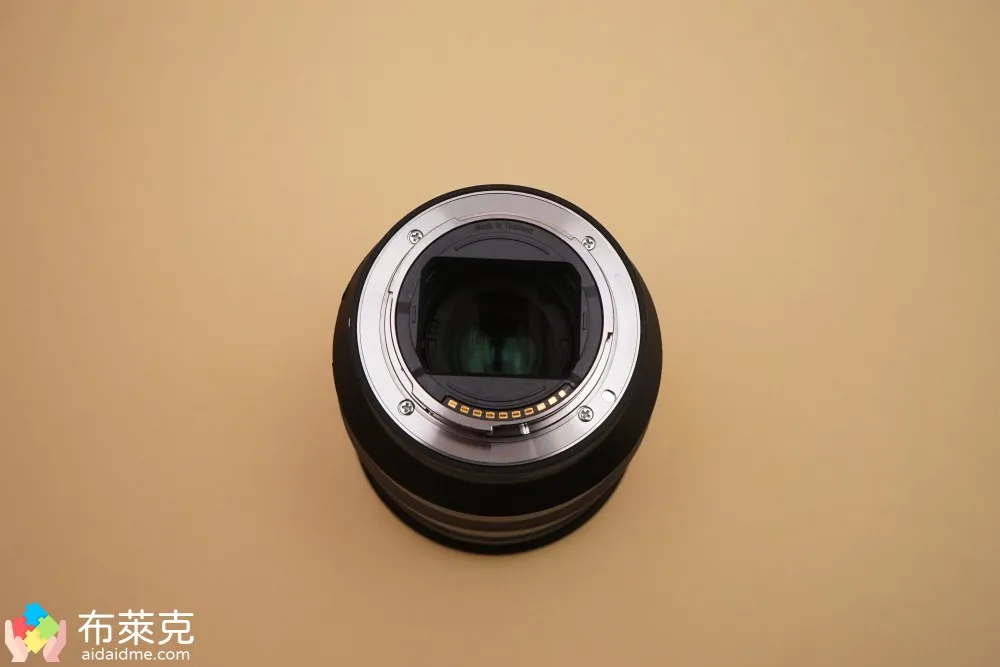
▲ Figure 15: Jade behind the lens
After you get each lens, there will be a lens protective cover, which is used to protect the jade. After the lens is replaced, it is recommended to put the protective cover on, otherwise dust in the air will get in and it will be difficult to clean.
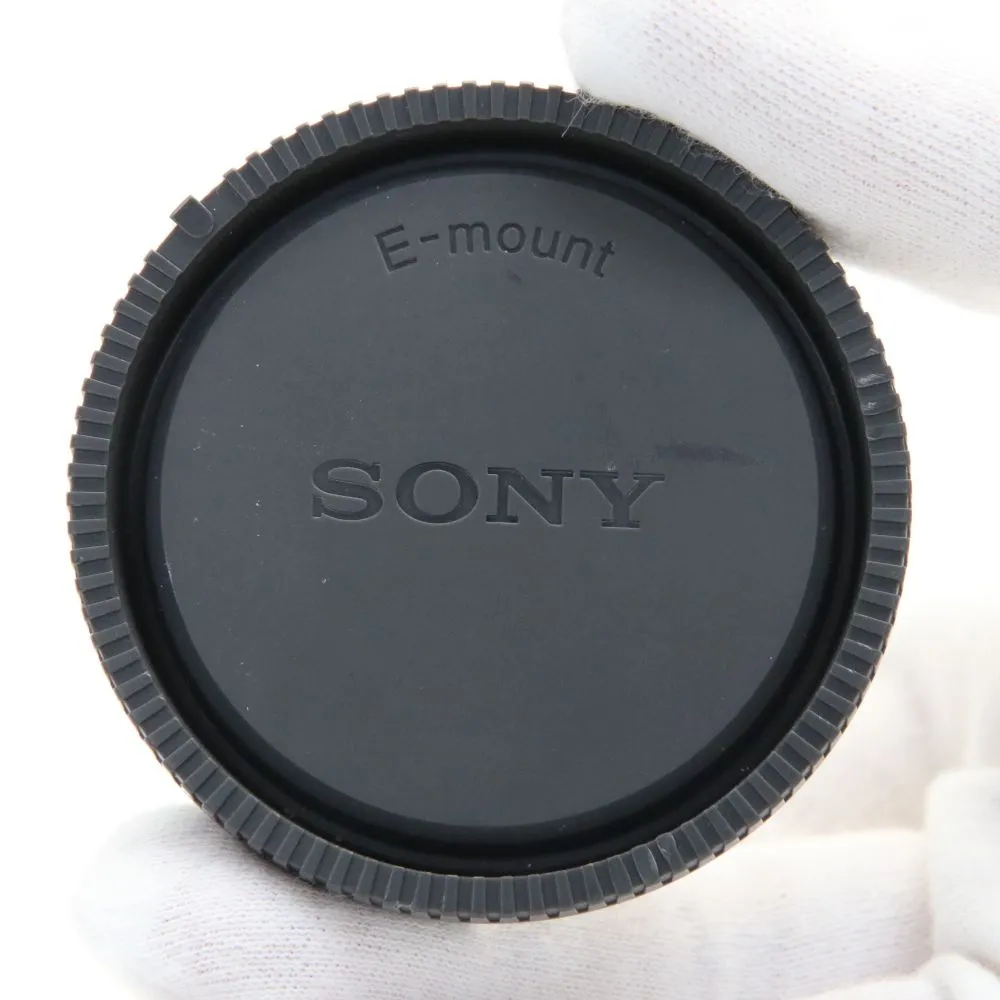
▲ Figure 16: Lens protective cover
Lens diameter
The above is a basic understanding of the appearance of the lens, and then we will introduce how to look at the lens diameter.
The diameter part is approximately the diameter of the front jade, the unit is mm, usually expressed by Φ. For example, the picture below says Φ55, which means the lens diameter is 55mm.
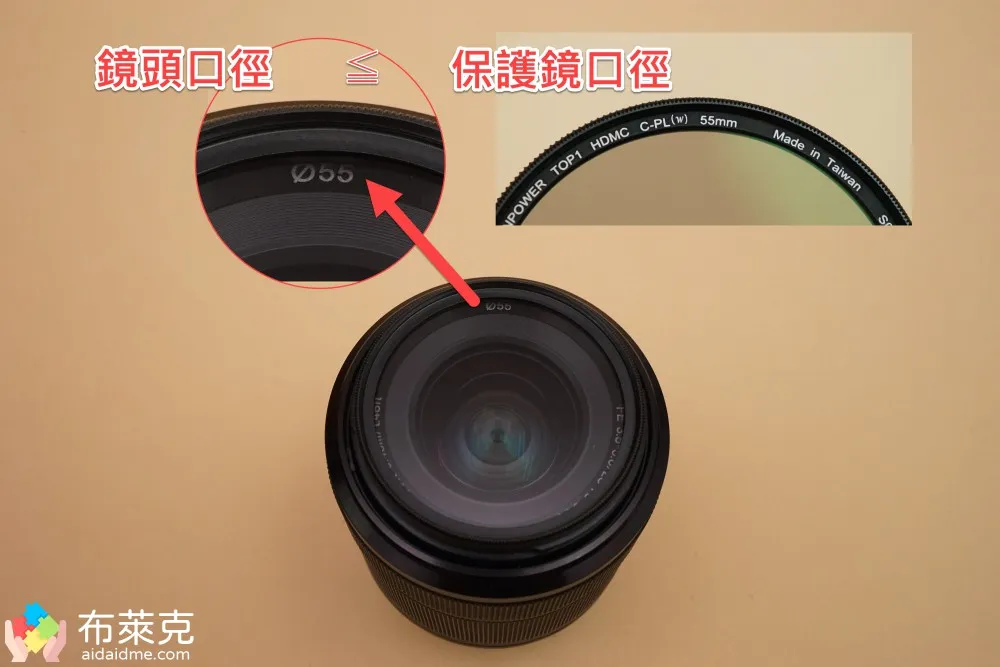
▲ Figure 17: The diameter of the protective mirror should be greater than or equal to the diameter of the lens
Then you might say what should you do if you know the lens diameter? There are mainly two factors:
- Protective glasses:
You need to buy protective glasses of appropriate size. As mentioned before, the main purpose of protective glasses is to protect the lens from being touched directly by hands, or from dust getting in. If you accidentally buy a protective lens that is too small, although you can install it through the “filter adapter ring”, you may get a black frame when taking pictures! - Lens protective cover:
Buy lens protective caps that are the same size.
Lens anti-shake
Most mid-to-high-end cameras now have built-in anti-shake mechanisms, and the lenses also have anti-shake inside them!
Generally speaking, longer lenses usually provide anti-shake. As long as it is activated, blur problems caused by vibration can be generally avoided, and the success rate of taking pictures will be greatly improved.
this videoYes, when Sony A7 is paired with a 70-200mm telephoto (telephoto) zoom lens, turn it off and enable it.Lens anti-shakeTest video of the mechanism.
After turning on anti-shake, the whole picture is very stable. If you are taking photos with a tripod, it is okay to turn off anti-shake, but if you want to take photos handheld, especially at night, you must turn on anti-shake! Otherwise, when I go home and look at the photos I’ve taken, I’ll just burst into tears!
Introduction to lens specifications from various manufacturers
After having a basic concept above, let’s introduce the focus of this article, which is to teach you how to understand the specifications of the lens.
Sony lens specifications
First, let’s take the lens Sony FE 16-35mm F2.8 GM as an example.
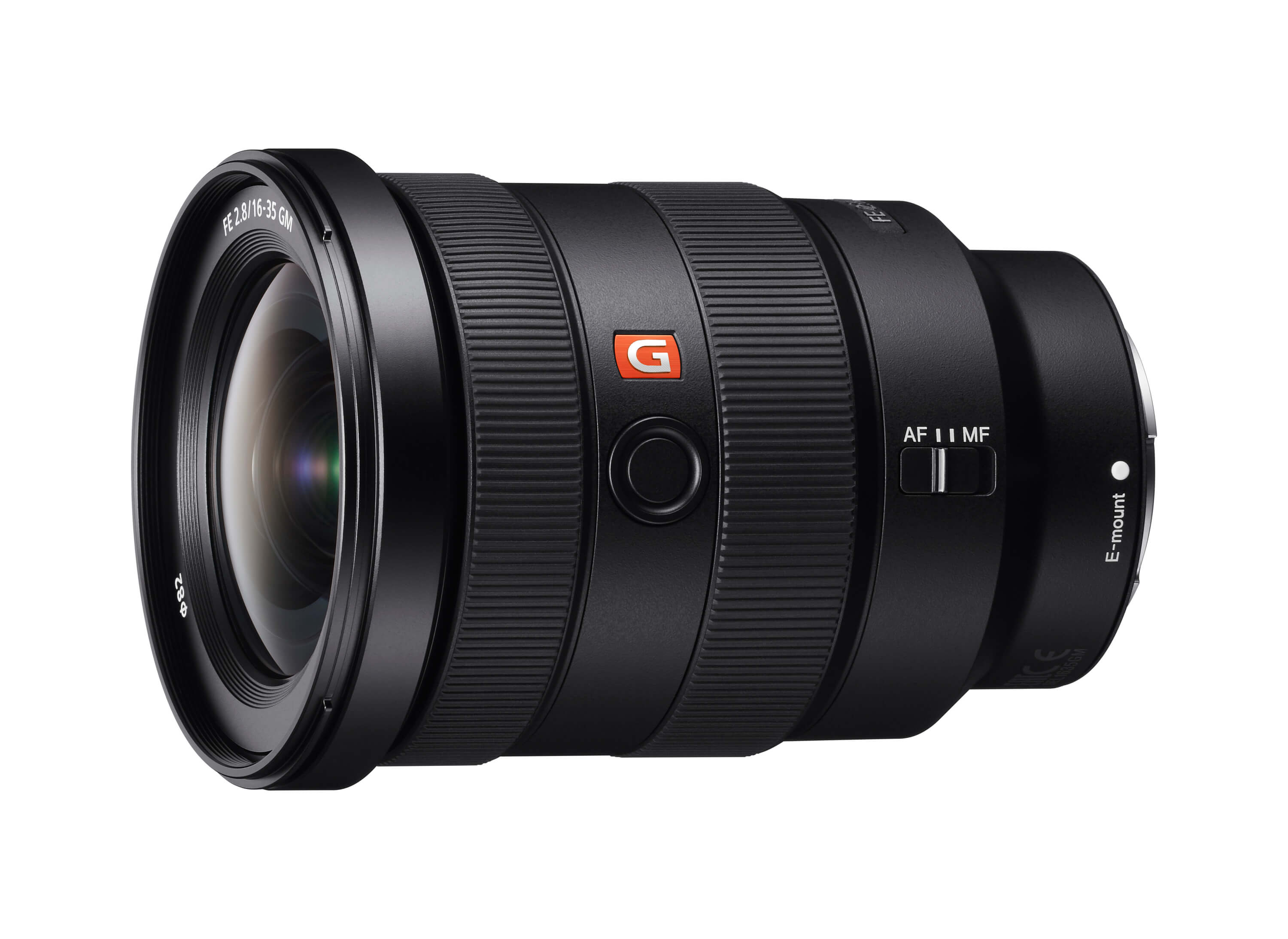
▲ Figure 18: Sony FE 16-35mm F2.8 GM/from Taiwan Sony official website
Judging from the name, it can be roughly divided into several categories

▲ Figure 19: Meaning of Sony lens symbols
-
Lens type
FE means that the lens is a “full frame lens” with E mount. If you only see E, it means that the lens is a “non” full frame lens with E mount. For example, E 16-55 mm F2.8 G, E 10-18mm F4 OSS… neither of these are full-frame E-mount lenses. Relatively old Sony also has A-mount lenses, which does not have this type of naming rule.
-
Focal length range
16-35mm is a range of focal lengths, indicating that the lens is a zoom lens. If it is FE 24mm F2.8 G, there is no range in the focal length, which means it is a fixed focus lens. -
Maximum aperture range
The F value is sometimes in uppercase, sometimes in lowercase, and it’s all about the concept of aperture value.The smaller the value, the larger the aperture.. For example, F2.8 means that the maximum aperture is 2.8, and sometimes 3.5-6.3 is seen, which means that the maximum light at the wide-angle end is the aperture F3.5; the maximum aperture at the telephoto end is the aperture F6.3.
If it is a single value of 2.8 and the lens is a zoom lens, it means that the lens has constant aperture characteristics.
If you are not very familiar with constant aperture, you can read these articles, which share the meaning of these concepts.
- Lens series
Here is GM (GMaster), which means Sony’s highest level of ultimate lens. In addition, it may also be marked with G or ZA (which means Zeiss lens).
- GM lenses are officially recognized as top-notch in all aspects (resolution, bokeh…)
- G lens is officially recognized as a quasi-professional grade lens
- ZEISS lens is a professional lens jointly launched by Sony and Zeiss of Germany.
- other
- MACRO: Indicates that the lens is a macro lens with extremely high magnification.
- OSS: Indicates that the lens has anti-shake function
- STF: Indicates excellent bokeh effect
- PZ: Indicates that it has electric zoom function, which will make the zoom more accurate and smooth.
Canon lens specifications
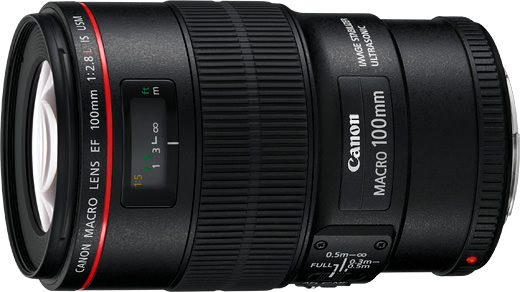
▲ Figure 20: Canon EF100mm F2.8L Macro IS USM/from foreign Canon official website
Judging from the name

▲ Figure 21: The meaning of Canon lens symbols
-
Lens type
EF lenses have the highest compatibility and are a series of autofocus lenses designed specifically for EOS cameras. EF-S lenses are designed for APS-C format EOS cameras. Sometimes there’s a TS, which is a tilt-shift lens that’s great for architectural photography. There is also an RF lens, which is a dedicated lens for the mirrorless series launched by Canon in recent years. -
Focal length range
The name only shows 100mm, not a range of focal lengths, indicating that the lens is a fixed focus lens. -
Maximum aperture range
The F value is sometimes in uppercase, sometimes in lowercase, and it’s all about the concept of aperture value.The smaller the value, the larger the aperture.. For example, F2.8 means that the maximum aperture is 2.8, and sometimes 3.5-6.3 is seen, which means that the maximum light at the wide-angle end is the aperture F3.5; the maximum aperture at the telephoto end is the aperture F6.3.
If it is a single value of 2.8 and the lens is a zoom lens, it means that the lens has constant aperture characteristics. However, this is a fixed focus lens, so there is no problem of constant aperture. -
Other lens features
- L: The abbreviation of Luxury, a symbol of top-quality lenses, commonly known as the red circle head.
- II and III: The second and third generations of lenses with the same optical structure.
- Macro: Indicates that the lens is a macro lens and can be used to photograph insects or tiny accessories.
- IS: Indicates that the lens has anti-shake function.
- USM: Indicates that the driving device of the autofocus mechanism uses an ultrasonic motor, which makes the focusing sound smaller and more accurate.
- STM: Indicates that the lens uses a stepping motor, which makes the focusing process quieter and smoother during video recording.
- Fisheye: A lens wider than an ultra-wide-angle lens, divided into diagonal fisheye and circular fisheye.
- DO: A diffractive optical lens that can make images sharper and clearer, and the lens body is relatively compact.
Nikon lens specifications
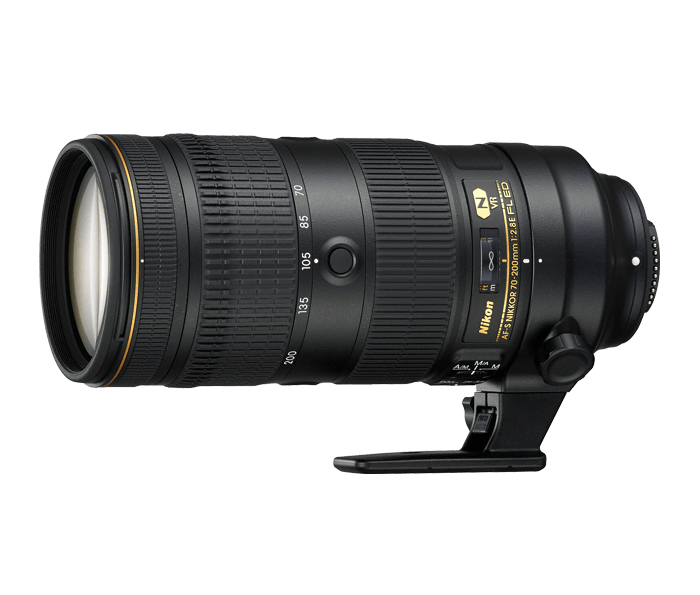
▲ Figure 22: Nikon AF-S NIKKOR 70-200mm F2.8E FL ED VR/from Taiwan Nikon official website
Judging from the name

▲ Figure 23: The meaning of Nikon lens symbols
-
Lens type
AF-S means the lens uses a silent motor to focus quickly with more precision and calmness. AF-P is a quieter lens with smooth focusing speed than AF-S. -
Lens brand
Nikkor is a brand that specializes in lenses. Sometimes Z or DX appear in front or behind the word Nikkor, which indicates different types of mounts. The former is a Z-mount mirrorless camera launched by Nikon, while the latter is an F-mount SLR camera. -
Focal length range
The name says 70-200mm, which is a range of focus that indicates the lens is a zoom lens. -
Maximum aperture range
The F value is sometimes in uppercase, sometimes in lowercase, and it’s all about the concept of aperture value.The smaller the value, the larger the aperture.. For example, F2.8 means that the maximum aperture is 2.8, and sometimes 3.5-6.3 is seen, which means that the maximum light at the wide-angle end is the aperture F3.5; the maximum aperture at the telephoto end is the aperture F6.3.
If it is a single value of 2.8 and the lens is a zoom lens, it means that the lens has constant aperture characteristics. -
Other lens features
- E: Usually written immediately after the aperture number. It means that the lens uses an electromagnetic aperture mechanism, which can control the aperture through electronic signals from the body, so there is no aperture ring. One more thing, some lenses will be written with G, which also means that the lens cancels the aperture ring design and uses the camera to control the aperture size.
- FL: Indicates that the lens uses fluorite lenses, which are lighter than optical lenses.
- ED: Indicates that the lens uses ultra-low dispersion lenses.
- VR: Indicates that the lens has anti-shake function.
- SR: Indicates that the optical lens has highly concentrated scattering characteristics, which effectively suppresses discoloration and chromatic aberration (i.e. chromatic aberration compensation).
- Fisheye: A lens wider than an ultra-wide-angle lens, divided into diagonal fisheye and circular fisheye.
- N: This will be marked on the mirror body with a hexagonal golden N character. This means that the lens uses Nikon’s most proud nano-coating technology, which results in better image quality.
After sorting it out, the editor found that Nikon lens specifications are more diverse. I only list a few common ones for your reference. The official website also has many specifications, if you are interested, please refer to it!
Conclusion
Each lens has its own naming method. After reading the specifications of these three major lens manufacturers, do you have an idea of the name of the lens? Basically, the parameters on the lens are nothing more than “focal length”, “maximum aperture”, “anti-shake”…etc. These specifications are much easier to understand than the camera body.
If you like the above article, welcomeSubscribe to newsletter, and you will receive photography-related teaching articles!
by Engineer Blake
Source: KOCPC Chinese