


Google is expanding the rollout of two highly anticipated Google Maps updates to Android Auto users: immersive navigation and built-in real-time speedo. Both features have been limited to a small number of users for the past few months, but now there are growing reports that they are gradually being made available to a wider range of users, even those using the stable version of Google Maps instead of the beta version.
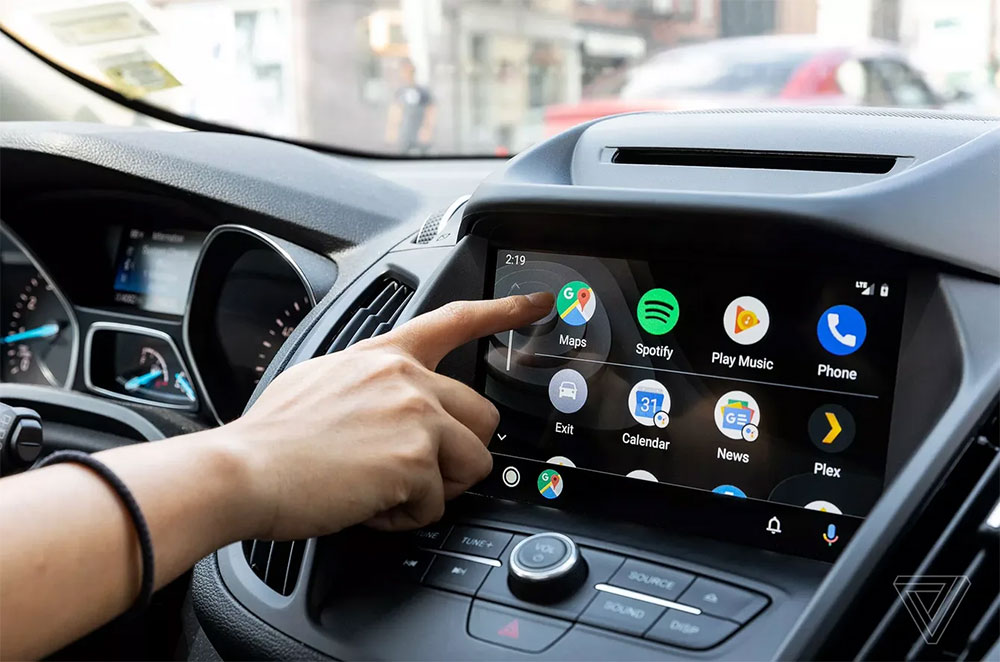
Google Maps’ biggest Android Auto upgrade yet is rolling out to more users
This expanded push is part of Google’s ongoing push to modernize the Android Auto navigation experience in recent years. When Immersive Navigation debuted earlier this year, it was considered one of the most significant upgrades to the in-car version of Google Maps in recent years, but due to an extremely cautious phased rollout strategy, many users were never able to use it. Now, that seems to be changing, as more devices are receiving new features through server-side updates, showing that Google is becoming more confident in large-scale deployment.
The current rollout is still being rolled out gradually, and feature availability may vary by region, car model, or device, but the overall trend shows that Google is accelerating the adoption of the new interface into the mainstream.
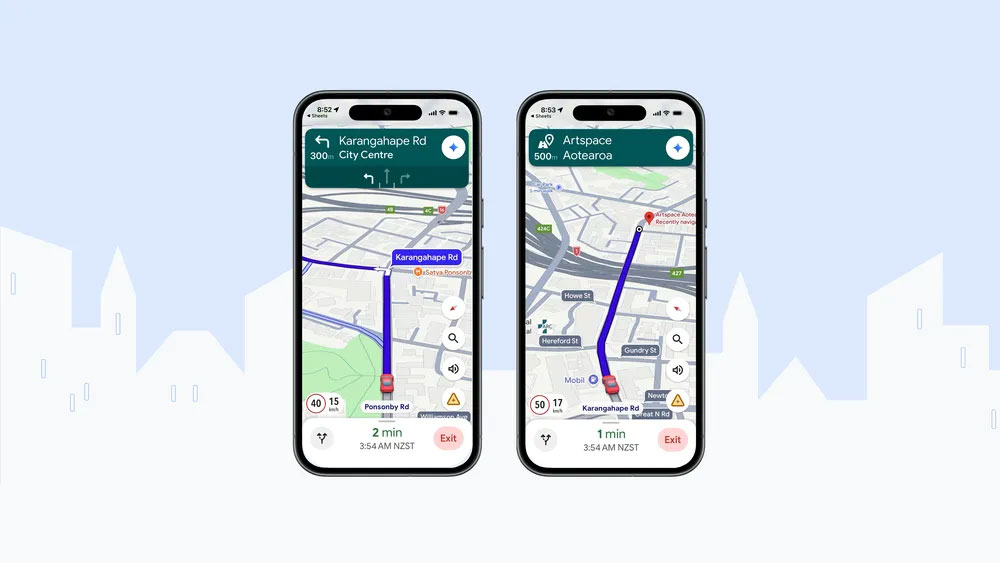
The core of immersive navigation is to improve the driver’s visual understanding. The updated interface provides a richer road layout, clearer lane guidance, and more detailed intersection information, allowing drivers to quickly grasp driving directions without carefully studying the map. Google’s goal is to make the navigation screen more intuitive and hierarchical, reducing driver distraction due to lack of information on complex road sections.
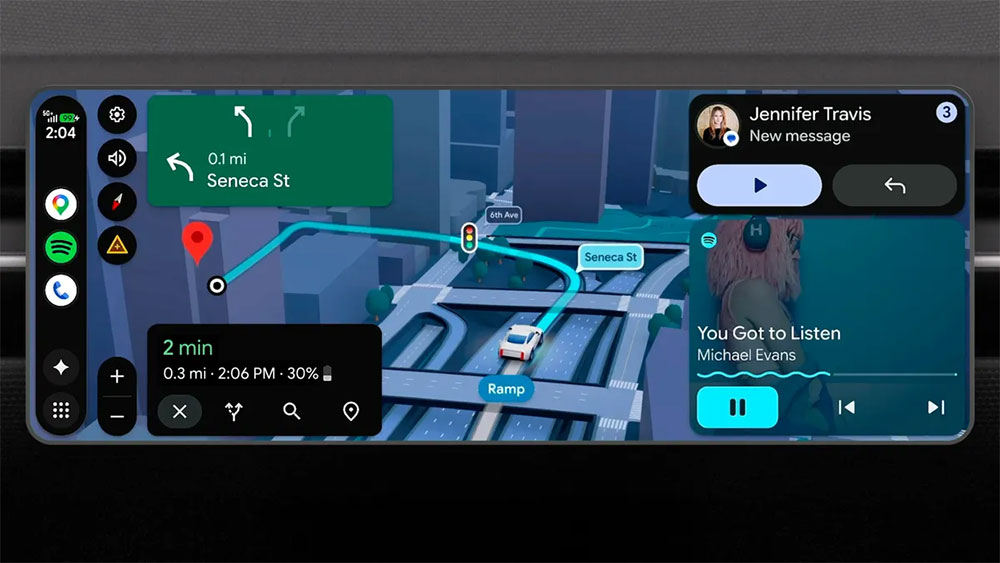
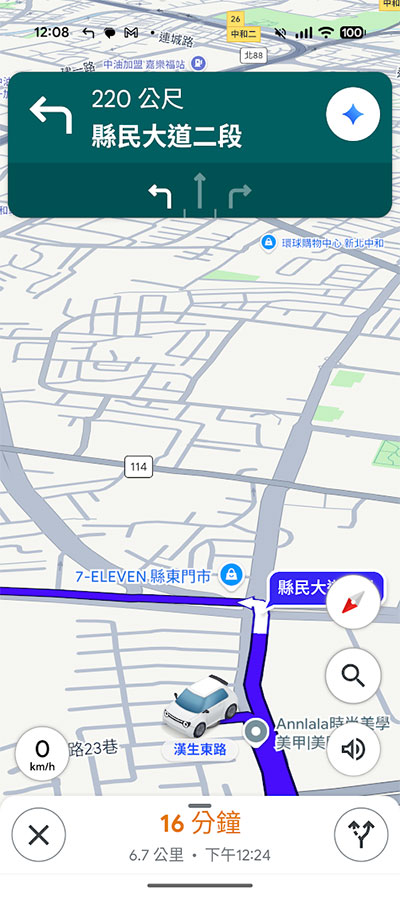
In addition to a comprehensive update to the navigation interface, Google has also expanded support for real-time speedometers in Android Auto. Different from the speed limit reminder, this function will directly display the current driving speed of the vehicle in the Google Maps interface. For car owners whose dashboard information is not easy to view, or whose driving habits rely on the central control screen, this can effectively reduce the switching of eyes and improve driving safety.
Some users have also noticed another interface change: in the Android mobile version of Google Maps, the original Google Assistant shortcut key in the upper right corner has been replaced by a Gemini icon. This reflects that Google is accelerating the transition from Google Assistant to Gemini in its ecosystem and gradually unifying the interactive portals across platforms.
It is worth mentioning that although more and more users have been able to use the immersive navigation and speedometer functions, Google has not released these changes through general application updates. On the contrary, these functions seem to be gradually enabled through the server side, which means that even if you install the latest version of Google Maps or Android Auto, you may not see the updates immediately. Multiple reports pointed out that this push has included the stable version of the application, not just beta testers, showing that Google is gradually bringing the new experience to a wider user base.

For Android Auto users, the focus of this update is not to add flashy features, but to improve the convenience of daily driving. Clearer lane presentation, more detailed navigation guidance, and integrated speed display, these seemingly small improvements can cumulatively make Google Maps as a car navigation system more complete and reliable. As server-side rollout continues to expand, more users will be able to take advantage of these upgrades without joining the beta program.
Source: KOCPC Chinese