


As Chinese memory manufacturer Changxin Memory begins to join the battle, CXMT chips are gradually appearing in products of brands such as Corsair. Many people are looking forward to memory prices finally starting to drop, right? The answer doesn’t seem to be what everyone thinks.
Recently, someone discovered that Changxin Memory’s DDR5 memory appeared on the Chinese e-commerce platform. It is also a 64GB DDR5-5600 RDIMM. The version using CXMT chips is not only not cheaper, but is even slightly higher than the Samsung and SK Hynix versions. This also means that the fourth DRAM manufacturer, which was originally regarded as the savior of price parity, now seems more like increasing supply rather than lowering prices.
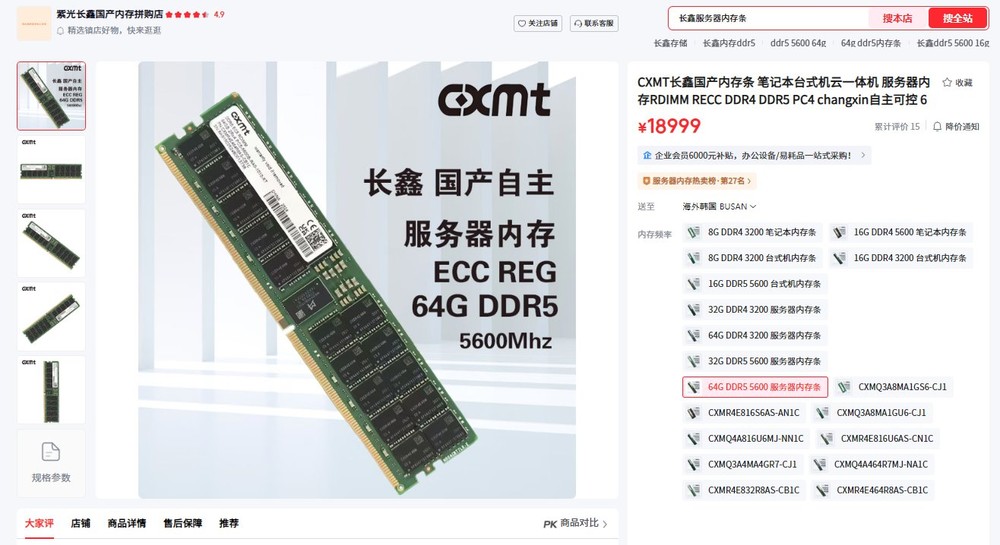 Image source: harukaze5719
Chinese CXMT memory is not cheaper! The price of 64GB DDR5 is even higher than that of Samsung and SK Hynix
According to Tom’s Hardware, harukaze5719 recently observed the memory prices on China’s JD Mall and found that a 64GB DDR5-5600 RDIMM memory using Samsung or SK Hynix chips is priced at RMB 18,595. The version with the same capacity and speed but using CXMT chips is priced at RMB 18,999.
The difference between the two is 404 yuan, which is about NT$1,920. In conversion, the CXMT version is about 2.2% more expensive. Simply looking at the percentage, the price difference is not huge, but the most disappointing thing is that I didn’t expect that Chinese-made DRAM is not cheaper.
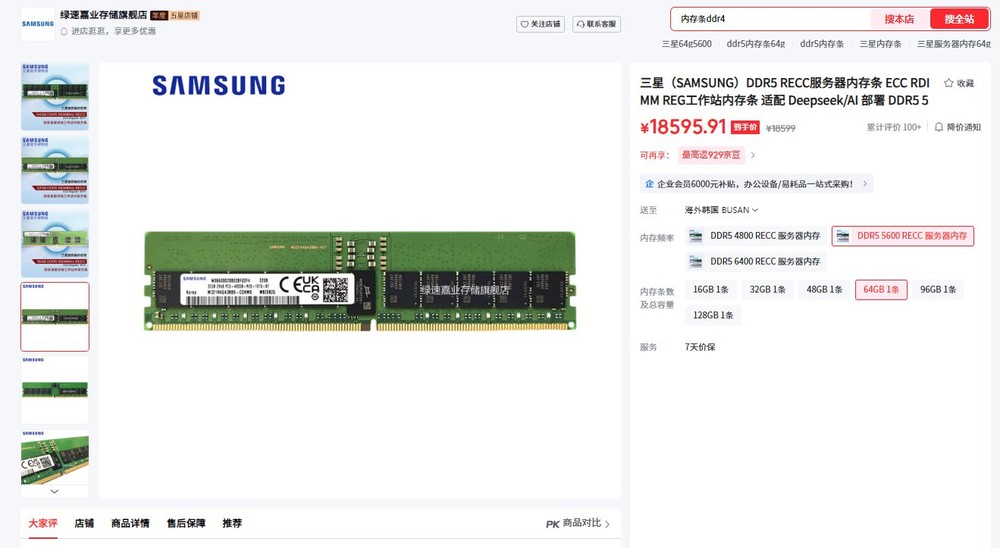
Image source: harukaze5719
It should also be noted here that this comparison is about RDIMMs, which are memories for servers and workstations, not UDIMMs for general consumers. Therefore, we can only refer to them first. There is no way to directly think of CXMT as consumer-grade memories will be so expensive.
Logically speaking, if CXMT wants to challenge the three giants in the market, the most direct way should be to attract customers with price. Moreover, CXMT has received subsidies from the Chinese government, which means it can lower the price. However, although subsidies can reduce financial pressure, it does not mean that the manufacturing efficiency of the chip itself has caught up with Samsung, Micron and SK Hynix.
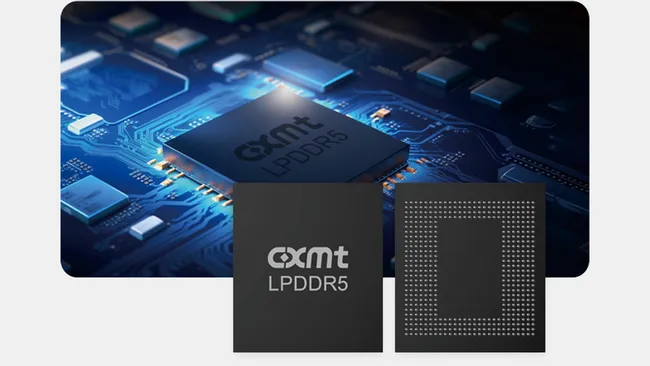
Image source: Tom’s Hardware
Tom’s Hardware analyzed that the manufacturing technology used by CXMT is relatively old, so the power consumption of DRAM chips is higher, and the performance potential and manual overclocking performance are also relatively weak. In other words, even with the assistance of subsidies, the actual manufacturing cost of CXMT may still be higher than that of the three major manufacturers using advanced processes, but the subsidies allow it to supply external products at a more competitive price.
previous group Overclocking test of Kingbank 48GB (2×24GB) DDR5-6000 memory, also shows that the improvement of CXMT chips after increasing the voltage is limited, the timing is not easy to be further reduced, and the performance gap between different batches may be large. However, the test did not provide a complete comparison with the SK Hynix chip, so Tom’s Hardware also reminded that the conclusion should be taken with a grain of salt.
Therefore, it is better not to expect too much that after China Changxin Storage’s DDR5 consumer-grade memory goes on sale, it will sell it at a low price to grab the market. At present, the chance seems to be low.
Source: KOCPC Chinese